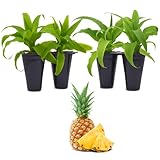
Dreaming of fresh, homegrown pineapple? It’s a tropical treat that many gardeners aspire to cultivate. But before you get started, one of the most pressing questions is: How long does a pineapple plant take to fruit? The answer, unfortunately, isn’t as quick as a trip to the grocery store.
Growing a pineapple plant requires patience, knowledge, and a little bit of luck. The journey from planting to harvesting is a fascinating process, filled with unique challenges and rewards. Understanding the timeline and the factors that influence it will significantly increase your chances of enjoying your very own, delicious pineapple.
This comprehensive guide will delve into the intricacies of pineapple plant cultivation, providing you with everything you need to know about how long to fruit, along with practical tips for optimal growth and fruit production. Get ready to embark on your pineapple-growing adventure!
Understanding the Pineapple Plant’s Life Cycle
The pineapple plant (Ananas comosus) is a perennial herbaceous plant belonging to the Bromeliaceae family. Native to South America, it has been cultivated for centuries and is now grown in tropical and subtropical regions worldwide. Its life cycle is unique, and understanding it is crucial to successful cultivation. The pineapple plant doesn’t follow the typical annual cycle of many other fruits.
Instead, it undergoes a multi-year process that includes vegetative growth, flower induction, fruit development, and finally, fruit ripening. This entire process can take a considerable amount of time, making patience a key virtue for any pineapple grower. The fruit itself is not a single berry, but a fusion of many individual flowers, each of which forms a fruitlet, which then fuses together to create the familiar pineapple.
Vegetative Growth: The Foundation for Fruiting
The initial phase of the pineapple plant’s life cycle is dedicated to vegetative growth. During this period, the plant focuses on developing its root system, leaves, and overall structure. This phase is critical because a healthy, robust plant is essential for producing a high-quality fruit. The plant stores energy during this stage to use later when fruiting.
The duration of vegetative growth varies depending on several factors, including the plant’s variety, climate conditions, and care provided. Generally, it takes between 18 to 24 months for a pineapple plant to reach maturity and be ready to flower. During this time, the plant will produce numerous long, spiky leaves that form a rosette shape.
Flower Induction: Triggering Fruit Development
After a period of vegetative growth, the pineapple plant is ready to initiate flower formation. This process, known as flower induction, is triggered by specific environmental conditions. These typically include a combination of factors, such as the plant’s age, exposure to certain chemicals (like ethylene), and environmental stress. The initiation of flowering is a pivotal moment.
Once the plant is triggered to flower, a small flower stalk will emerge from the center of the plant. This stalk gradually develops into the pineapple fruit. The flowers themselves are typically purple or red and bloom sequentially over a period of several weeks.
Fruit Development and Ripening: The Final Stage
Following flowering, the fruit begins to develop and mature. This stage involves the enlargement of the fruit and the accumulation of sugars and flavor compounds. The fruit’s color will gradually change from green to yellow or reddish-brown as it ripens, depending on the variety. The development stage is a time to provide optimal care.
The time it takes for the fruit to fully develop and ripen varies, but it generally takes around 4 to 7 months after flowering. During this period, the fruit will continue to grow in size and sweetness. The final ripening stage is when the fruit is ready for harvest, offering the perfect balance of sweetness and acidity.
Factors Influencing How Long to Fruit
Several factors can affect how long it takes a pineapple plant to fruit. Understanding these elements will help you optimize your growing conditions and increase your chances of a successful harvest. These factors are interconnected, meaning that improving one aspect can often positively influence others.
Climate and Temperature
Pineapple plants thrive in warm, tropical climates. They require consistent temperatures between 20°C and 30°C (68°F and 86°F) to grow and fruit optimally. Cold temperatures or frost can severely damage or even kill the plant. If you live in a cooler climate, growing your pineapple plant indoors or in a greenhouse is essential. (See Also: Creeping Phlox: How Far Apart Do You Plant It for Best Results?)
Sunlight is also crucial. Pineapple plants need at least 6 hours of direct sunlight per day. Insufficient sunlight can slow down growth and delay fruiting. Consider the microclimate of your growing location, as sheltered areas can provide some protection from temperature fluctuations.
Variety Selection
Different pineapple varieties have different growth and fruiting times. Some varieties are faster-growing and earlier-fruiting than others. Popular varieties include Smooth Cayenne, which is known for its sweet flavor and relatively short fruiting time, and MD-2, which is known for its sweetness and disease resistance.
Researching different pineapple varieties and selecting one that is well-suited to your climate and growing conditions can significantly impact the time it takes to fruit. Consider factors like disease resistance and flavor profile when making your choice. Local nurseries can often provide advice on the best varieties for your area.
Soil and Nutrition
Pineapple plants prefer well-draining, slightly acidic soil. The soil should be rich in organic matter to provide essential nutrients for growth. Poor soil conditions can hinder root development and delay fruiting. Proper nutrition is critical for the plant’s health and fruit production.
Regular fertilization is essential, especially during the vegetative growth phase. Use a balanced fertilizer that is specifically formulated for pineapple plants. Avoid over-fertilizing, as this can lead to excessive leaf growth at the expense of fruit production. Soil testing can help you determine the specific nutrient needs of your plant.
Watering and Irrigation
Proper watering is crucial for pineapple plant growth. The plant needs consistent moisture, especially during the fruiting stage. However, overwatering can lead to root rot. Allow the soil to dry slightly between waterings, and ensure the pot has adequate drainage holes.
The frequency of watering will depend on the climate and the growing conditions. During the warmer months, you may need to water more frequently. Consider using a drip irrigation system to provide consistent moisture to the plant. Observe your plant for signs of overwatering or underwatering, such as yellowing leaves or wilting.
Planting Method and Propagation
The method you use to plant your pineapple plant can also influence the time it takes to fruit. Pineapple plants can be grown from the crown of an existing pineapple fruit, from suckers (offshoots that grow from the base of the plant), or from slips (offshoots that grow from the fruit stalk).
Growing from the crown is a common method, but it can take longer for the plant to fruit compared to using suckers or slips. Suckers and slips are already more mature and can fruit sooner. Choose the planting method that best suits your resources and time constraints. Proper planting techniques, such as using well-draining soil, are also important.
How to Speed Up Pineapple Fruiting
While patience is key, there are some techniques you can use to potentially speed up the fruiting process of your pineapple plant. These methods focus on manipulating the plant’s environment and stimulating flower induction. Note, that while these methods might hasten the process, they do not guarantee fruiting.
Ethylene Treatment: The Ripening Hormone
Ethylene is a natural plant hormone that plays a crucial role in fruit ripening and flower induction. You can use ethylene to encourage your pineapple plant to flower. This is the most common method to induce flowering. Ethylene is produced naturally by fruits.
One method involves placing the pineapple plant in a sealed plastic bag with a ripe apple or banana. These fruits release ethylene gas, which can stimulate flower induction. Another method is to use calcium carbide, which releases acetylene gas, which mimics ethylene. However, use caution when handling calcium carbide. (See Also: How to Get Rid of Bugs in Indoor Plant Soil: A Complete Guide)
Environmental Control: Manipulating Light and Temperature
Controlling the plant’s environment can also influence fruiting. Providing consistent warmth and sufficient sunlight is crucial. If you are growing your plant indoors, consider using grow lights to supplement natural sunlight, especially during the winter months.
You can also manipulate the light cycle to induce flowering. Some growers have had success by covering the plant with a black cloth for 12 hours a day for several weeks. This mimics the shorter days of the fruiting season, which can trigger flower formation. Be careful not to expose the plant to extreme temperatures.
Fertilization and Nutrient Management
Proper fertilization is vital for optimal growth and fruit development. Use a balanced fertilizer that is specifically formulated for pineapple plants, and follow the manufacturer’s instructions. Avoid over-fertilizing, as this can lead to excessive leaf growth at the expense of fruit production.
Ensure that the plant receives adequate amounts of essential nutrients, such as nitrogen, phosphorus, and potassium. You can also supplement with micronutrients, such as magnesium and iron, if necessary. Monitor the plant for any signs of nutrient deficiencies, such as yellowing leaves or stunted growth.
Troubleshooting Common Problems
Growing pineapple plants can sometimes present challenges. Being aware of common problems and how to address them can help you ensure your plant’s health and increase your chances of a successful harvest. Common issues that arise include pests, diseases, and environmental stressors.
Pests and Diseases
Pineapple plants are relatively resistant to pests and diseases, but they can still be affected. Common pests include mealybugs, scale insects, and spider mites. These pests can suck the sap from the plant, causing yellowing leaves and stunted growth. Regularly inspect your plant for any signs of infestation.
Treat pest infestations with insecticidal soap or neem oil. Diseases, such as heart rot, can also affect pineapple plants, especially if they are overwatered or grown in poorly drained soil. Remove any infected leaves and improve drainage to prevent the spread of disease. Preventative measures, such as proper airflow, are also beneficial.
Environmental Stressors
Environmental stressors, such as extreme temperatures, drought, and excessive sunlight, can also negatively impact your pineapple plant’s growth. Protect your plant from extreme temperatures by bringing it indoors or providing shade. Drought can cause the plant to wilt and the leaves to turn brown.
Ensure that your plant receives adequate water, especially during hot and dry periods. Excessive sunlight can scorch the leaves. Provide partial shade if necessary. Monitor your plant for any signs of stress, and adjust your care routine accordingly. The right environment is the key to minimizing plant stress.
Non-Fruiting Plants
Sometimes, despite your best efforts, your pineapple plant may not fruit. This can be frustrating, but it’s important to identify the underlying cause and take corrective action. Several factors can contribute to non-fruiting plants, including insufficient sunlight, improper fertilization, and the plant’s age.
Ensure that your plant receives at least 6 hours of direct sunlight per day. Fertilize your plant regularly with a balanced fertilizer. Consider using ethylene treatment to stimulate flower induction. If the plant is still young, it may simply need more time to mature before it can fruit. Patience is essential!
Step-by-Step Guide: Growing a Pineapple Plant
Follow these steps to successfully grow your own pineapple plant. This guide provides a detailed, step-by-step approach to help you through the process, from planting to harvest. Each step is essential for maximizing your chances of success. (See Also: Learn How to Propagate a Pilea Plant: A Complete Guide)
- Obtain a Pineapple Crown, Sucker, or Slip: Choose a healthy pineapple fruit and cut off the crown, or acquire a sucker or slip from another plant.
- Prepare the Crown: Remove the lower leaves of the crown to expose the stem. Allow the crown to dry for a few days to a week to prevent rot.
- Planting: Plant the crown, sucker, or slip in well-draining soil, burying the stem about 1-2 inches deep.
- Watering: Water the plant regularly, allowing the soil to dry slightly between waterings.
- Sunlight: Place the plant in a location that receives at least 6 hours of direct sunlight per day.
- Fertilizing: Fertilize the plant regularly with a balanced fertilizer.
- Monitoring: Monitor the plant for any signs of pests, diseases, or nutrient deficiencies.
- Flower Induction (if needed): After 18-24 months, consider using ethylene treatment to stimulate flower induction.
- Harvesting: Harvest the pineapple when it is fully ripe, indicated by its color and aroma.
Frequently Asked Questions (paa)
How Long Does It Take for a Pineapple Plant to Produce Fruit?
Generally, it takes between 18 to 36 months for a pineapple plant to fruit, from the time of planting the crown, sucker, or slip. The specific timeline can vary depending on the variety, climate, and growing conditions. Some varieties may fruit in as little as 18 months, while others may take longer.
Factors like sunlight exposure, temperature, and soil quality play significant roles. Remember to be patient, as the process takes time. However, with proper care and environmental conditions, you can increase your chances of a successful harvest within this timeframe.
How Do You Know When a Pineapple Is Ready to Harvest?
Several indicators will tell you when a pineapple is ready to harvest. The fruit’s color will change from green to yellow or reddish-brown, depending on the variety. The aroma will also become more fragrant and sweet. Gently squeeze the fruit; it should have a slight give.
The bottom of the fruit may also start to smell sweet and fruity. The leaves will be a deeper green. If you’re unsure, you can also gently tug on the fruit; it should detach easily from the plant when ripe. Harvesting at the peak of ripeness ensures the best flavor and sweetness.
Can You Grow a Pineapple Plant Indoors?
Yes, you can absolutely grow a pineapple plant indoors! This is an excellent option, especially if you live in a climate that does not provide the warm, tropical conditions that pineapples love. You’ll need a sunny location, such as a south-facing window or a grow light.
Choose a pot with good drainage, and use a well-draining potting mix. Indoor plants may require more careful monitoring of temperature and humidity. Regularly rotate the plant to ensure even sunlight exposure. With proper care, you can enjoy fresh, homegrown pineapple even if you live in a colder climate.
How Do You Propagate a Pineapple Plant?
Pineapple plants can be propagated in several ways, the most common being the crown of a pineapple fruit. After enjoying the fruit, cut off the leafy top (the crown) and remove the lower leaves, exposing the stem.
Allow the crown to dry for a few days to prevent rot, then plant it in well-draining soil. You can also propagate from suckers (offshoots at the base of the plant) or slips (offshoots from the fruit stalk). Suckers and slips are often faster-growing than crowns. Propagating allows you to expand your pineapple-growing operation.
What Is the Best Type of Soil for a Pineapple Plant?
Pineapple plants thrive in well-draining, slightly acidic soil. The soil should be rich in organic matter to provide essential nutrients for growth. A good potting mix for pineapples typically includes a combination of peat moss, perlite, and compost.
Avoid heavy clay soils, as they retain too much water and can lead to root rot. The pH level should ideally be between 5.5 and 6.5. You can amend your soil with compost or other organic materials to improve drainage and nutrient content. Properly chosen soil is a key ingredient for success.
Conclusion: Patience and Perseverance for Pineapple Success
Growing a pineapple plant and understanding how long to fruit is a rewarding experience that requires patience, dedication, and a bit of horticultural know-how. The typical time frame to fruit can vary, but with careful attention to climate, variety selection, soil, and proper care, you can significantly increase your chances of a successful harvest. Remember that the journey is as important as the destination.
Embrace the challenge, enjoy the process, and relish the satisfaction of biting into a homegrown pineapple. With the right approach, you can transform your garden or home into a tropical paradise. Your efforts will be rewarded with a delicious and unique fruit. Happy growing!
Recommended Products