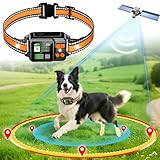
Are you tired of your furry friend escaping the yard? Do you dream of giving your dog freedom while keeping them safe? The answer might be an invisible dog fence. But how does this seemingly magical system actually work? That’s what we’re here to explore.
We understand your concerns. You want to provide a safe environment for your dog without the visual obstruction of a traditional fence. An invisible dog fence offers a modern solution. It’s designed to keep your dog within a designated area using a combination of technology and training.
This guide will break down the components, the process, and the benefits of an invisible dog fence. We’ll answer common questions and help you determine if this system is the right choice for you and your dog. Let’s dive in and discover how this innovative technology works!
What Is an Invisible Dog Fence?
An invisible dog fence, also known as an electronic dog fence or a wireless dog fence, is a containment system that uses a buried wire or a radio signal to create a boundary for your dog. Unlike a traditional physical fence, it’s not visible. Instead, it relies on a combination of a transmitter, a receiver collar, and training to keep your dog within the designated area.
The system works by creating an electronic perimeter. When your dog approaches the boundary, the collar emits a warning tone. If your dog continues to move toward the boundary, the collar delivers a static correction. The goal isn’t to punish the dog, but to teach them to respect the boundary. The system also frequently employs a “safe zone” or “buffer zone” inside of the defined boundary, keeping the dog a safe distance away from the perimeter.
There are two main types of invisible dog fences: wired and wireless. We’ll discuss the difference below. (See Also: How to Set Up Electric Fence: A Complete Guide (diy & Safety Tips))
Wired vs. Wireless Invisible Dog Fences
Understanding the difference between wired and wireless systems is crucial for choosing the right one for your needs.
- Wired Invisible Dog Fences: These systems use a buried wire to define the boundary. The wire is connected to a transmitter, which sends a radio signal through the wire. The dog wears a receiver collar that detects this signal. When the dog approaches the wire, the collar activates, usually with a warning tone followed by a static correction if the dog proceeds. The area contained is defined by the buried wire, allowing for a more customized boundary shape.
- Wireless Invisible Dog Fences: These systems use a central transmitter that creates a circular boundary. The range is adjustable, determining the radius of the containment area. The dog’s collar detects the signal from the transmitter. When the dog moves beyond the set radius, the collar activates with a warning tone and then a static correction if the dog continues. Wireless systems are easier to set up, but the boundary is always circular.
Here’s a table summarizing the key differences:
| Feature | Wired Invisible Dog Fence | Wireless Invisible Dog Fence |
|---|---|---|
| Boundary Shape | Customizable (follows the buried wire) | Circular |
| Setup | More involved (requires burying the wire) | Easier (plug-and-play) |
| Range | Can be extensive, covering large areas | Limited by the transmitter’s range (typically circular) |
| Reliability | Generally more reliable (less susceptible to interference) | Can be affected by obstacles and terrain |
| Portability | Less portable (requires re-installation of the wire) | More portable (can be moved easily) |
| Cost | Can be more expensive due to the wire and installation | Generally less expensive |
Components of an Invisible Dog Fence
Both wired and wireless systems share core components:
- Transmitter: This is the central unit that generates the signal. In wired systems, it sends the signal through the buried wire. In wireless systems, it emits a radio signal to create a circular boundary.
- Receiver Collar: This is worn by your dog. It detects the signal from the transmitter. When the dog approaches the boundary, the collar activates.
- Boundary Wire (Wired Systems Only): This wire is buried underground and defines the perimeter.
- Training Flags: These flags are placed along the boundary to help your dog learn the perimeter. They are gradually removed as the dog learns.
- Contact Points: These are the metal probes on the receiver collar that make contact with your dog’s skin to deliver the static correction.
- Batteries: The transmitter and collar require batteries. Some collars are rechargeable.
How the Invisible Dog Fence Works: Step-by-Step
The operation of an invisible dog fence can be broken down into key steps:
- Installation (Wired Systems): You bury the boundary wire around the perimeter of your desired containment area. The wire connects to the transmitter, which is typically placed indoors.
- Setup (Wireless Systems): You position the transmitter in a central location and set the desired range to define the boundary.
- Power On: You plug in the transmitter and turn it on.
- Collar Activation: The dog wears the receiver collar. The collar detects the signal from the transmitter.
- Approaching the Boundary: As the dog approaches the boundary (the buried wire or the radius of the wireless system), the collar activates.
- Warning Tone: The collar usually emits a warning tone to alert the dog.
- Static Correction: If the dog continues to move towards the boundary, the collar delivers a static correction. The level of correction is usually adjustable.
- Training: The dog is trained to associate the warning tone and/or static correction with the boundary and to avoid crossing it.
- Reinforcement: The system reinforces the boundary through continued use and training.
Training Your Dog for an Invisible Dog Fence
Training is the most critical aspect of using an invisible dog fence. It’s not just about the technology; it’s about teaching your dog the boundaries. Here’s a basic training approach: (See Also: How to Install Litter Robot Fence: A Step-by-Step Guide (easy Setup))
- Familiarization: Introduce your dog to the collar and let them wear it for short periods to get used to it.
- Flag Placement: Place the training flags along the boundary. These visual cues help your dog understand the perimeter.
- Warning Tone Introduction: Walk your dog towards the boundary, allowing the collar to emit the warning tone. Reward them for turning away from the boundary.
- Static Correction Introduction (with caution): Only introduce the static correction after the dog understands the warning tone. Start with the lowest setting and gradually increase it as needed. Always supervise.
- Positive Reinforcement: Reward your dog for staying within the boundary. Use treats, praise, and toys.
- Gradual Flag Removal: As your dog learns the boundaries, gradually remove the training flags.
- Consistency: Maintain consistent training sessions and reinforcement.
- Supervision: Initially, always supervise your dog when they are in the fenced area.
Important Note: Never force your dog across the boundary. This can create fear and anxiety.
Safety Considerations
Safety is paramount when using an invisible dog fence. Consider the following:
- Dog’s Temperament: Invisible fences may not be suitable for all dogs, especially those with high prey drive, escape artists, or those prone to anxiety.
- Collar Fit: Ensure the collar fits properly to avoid skin irritation or discomfort.
- Correction Level: Always start with the lowest correction level and adjust as needed.
- Training: Proper training is essential for the fence to work effectively and humanely.
- Battery Maintenance: Regularly check and replace the batteries in the collar and transmitter.
- Veterinary Consultation: Consult with your veterinarian before using an invisible fence, especially if your dog has any underlying health conditions.
- Obstacles: Ensure the area is free of obstacles that could cause your dog to get tangled in the wire or collar.
- Underground Utilities (Wired Systems): Before burying the wire, call your local utility company to mark underground lines.
- Weather: Extreme weather conditions can affect the performance of some systems.
Advantages of an Invisible Dog Fence
An invisible dog fence offers several advantages over traditional fencing:
- Aesthetically Pleasing: It doesn’t obstruct your view or the appearance of your yard.
- Cost-Effective: Generally less expensive than installing a physical fence, especially for large areas.
- Customizable Boundaries: Wired systems allow for highly customizable boundary shapes.
- Easy Installation (Wireless): Wireless systems are very easy to set up.
- Freedom for Your Dog: Allows your dog to roam freely within a designated area.
- Discourages Digging: Prevents dogs from digging under fences.
Disadvantages of an Invisible Dog Fence
While invisible dog fences have many benefits, they also have some drawbacks:
- Training Required: Requires consistent training to be effective.
- Risk of Escape: Dogs can still escape if they’re determined to do so, especially if they are highly motivated or have a high pain tolerance.
- Not Visible: Other people or animals may not be aware of the boundary.
- Battery Dependence: The collar requires batteries, which need to be replaced.
- Potential for Static Correction: Some dogs may find the static correction unpleasant or even frightening.
- Not Suitable for All Dogs: May not be suitable for all breeds or temperaments.
- Signal Interference (Wireless): Wireless systems can be affected by interference from other electronic devices or terrain.
Invisible Dog Fence Faqs
Let’s address some frequently asked questions: (See Also: Learn How to Fence: Your Ultimate Guide to Swordsmanship)
- Will the static correction hurt my dog? The static correction is designed to be a mild deterrent, not to cause pain. The level of correction is usually adjustable, and you should start with the lowest setting. The goal is to startle the dog, not to harm them.
- Can my dog get out? Yes, a determined dog can potentially escape, especially if they are highly motivated (e.g., chasing a squirrel) or have a high pain tolerance.
- Can other animals enter the yard? Yes, an invisible fence only keeps your dog in. Other animals can still enter the yard.
- How long does it take to train my dog? Training time varies depending on the dog’s breed, temperament, and the consistency of the training. Typically, it takes a few weeks of consistent training.
- What happens if the collar battery dies? The collar will no longer emit a warning tone or static correction, and your dog will be free to leave the yard. Regularly check and replace the batteries.
- Can I use an invisible fence with multiple dogs? Yes, you can purchase additional receiver collars for multiple dogs.
- What if my dog is deaf? An invisible fence may not be effective for deaf dogs, as they won’t be able to hear the warning tone.
- How do I test the fence? You can test the fence by walking along the boundary with the collar on, or using a test light that comes with some systems.
- What if the wire breaks? The system will likely stop working if the wire breaks. You’ll need to locate and repair the break.
- Can an invisible fence work on a sloped yard? Yes, but the performance might vary depending on the system and the slope’s steepness. Ensure the collar fits properly.
Other Containment Options
If you are not convinced that an invisible dog fence is the best option for you, here are some alternatives:
- Traditional Fences: Chain-link, wood, or vinyl fences provide a physical barrier.
- Above-Ground Electric Fences: These fences use electrified wires to deter animals.
- Exercise Pens (Playpens): These are portable, enclosed areas for dogs.
- Tethering: This is not recommended as a primary containment method due to safety concerns.
- Dog Runs: These are enclosed outdoor areas specifically for dogs.
Weigh the pros and cons of each option to make the best choice for your dog’s safety and your property.
Verdict
An invisible dog fence can be a great solution for containing your dog, offering freedom and aesthetic appeal. However, it’s not a one-size-fits-all solution. Success hinges on proper training and understanding the system’s limitations. By carefully considering the pros and cons, and by choosing the right system and training approach, you can create a safe and enjoyable environment for your canine companion.
Recommended Products