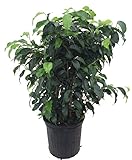
Ah, the Chicago Hardy fig. A true testament to resilience, this fig variety bravely ventures into colder climates where other figs would surrender to the frost. But even the hardiest among us need a little help when winter’s icy grip tightens its hold.
If you’ve invested in this remarkable fruit-bearer, you know the joy of harvesting sweet, luscious figs right in your own backyard, even in regions with chilly winters. However, to ensure your Chicago Hardy fig not only survives but thrives through the cold months, a little proactive care is essential. Don’t let the fear of frost keep you from enjoying your figgy bounty year after year!
Winterizing your Chicago Hardy fig tree is a rewarding process that ensures its long-term health and productivity. It’s about giving your tree the best possible defense against the harsh realities of a Chicago winter, or any winter that mimics its severity. Let’s get your tree ready to face the cold with confidence.
Why Winterize Your Chicago Hardy Fig?
The Chicago Hardy fig (Ficus carica ‘Chicago Hardy’) is renowned for its impressive cold tolerance, often surviving temperatures down to 0°F (-18°C) or even slightly lower when properly established and protected. However, this doesn’t mean it’s invincible. Young trees, newly planted specimens, or those in particularly exposed locations are more vulnerable.
Winterizing isn’t just about preventing the tree from dying; it’s about preserving its structure, its root system, and ensuring it bounces back strong in the spring. Without protection, the above-ground parts of the tree might die back to the ground. While the roots are usually hardy enough to survive and resprout, a significant dieback means you’ll have to wait for the tree to regrow before it can produce fruit, potentially losing a season or two of harvests.
Assessing Your Tree’s Needs
Before you start any winterizing steps, take a moment to assess your specific tree and its environment. Several factors will influence the level of protection you need:
- Age and Size of the Tree: Young trees (1-3 years old) are more susceptible to cold damage than mature, well-established trees. Their bark is thinner, and their root systems are not yet as extensive.
- Location: Is your tree in a sheltered spot, perhaps against a south-facing wall, or is it exposed to harsh winds and direct winter sun? Wind can significantly increase cold damage by drying out tissues.
- Soil Drainage: Fig trees, like most plants, dislike waterlogged roots, especially in winter. Poorly drained soil can lead to root rot, which is exacerbated by freezing temperatures.
- Your Specific Climate: While we’re focusing on Chicago, know your average low temperatures and the duration of your cold season. If your winters are consistently brutal and prolonged, more robust protection is warranted.
Step-by-Step Winterization Guide
Here’s a comprehensive approach to winterizing your Chicago Hardy fig tree, from basic to more intensive methods.
1. Stop Fertilizing in Late Summer
Around August or early September, cease all fertilizing. Fertilizers encourage new, tender growth that is highly susceptible to frost damage. Allowing the tree to harden off its growth before winter sets in is crucial. (See Also: How Fast Does a Papaya Tree Grow? Unveiling Growth)
2. Water Deeply Before the First Freeze
Just before the ground freezes solid, give your fig tree a deep, thorough watering. Well-hydrated plants are more resilient to cold. This is especially important for young trees.
3. Mulch Generously
Mulching is one of the most effective and easiest ways to protect the root system. Apply a thick layer (4-6 inches) of organic mulch around the base of the tree, extending out to the drip line.
- Materials: Shredded bark, wood chips, straw, or compost are excellent choices.
- Application: Keep the mulch a few inches away from the trunk itself to prevent moisture buildup and potential rot or pest issues.
- Benefits: Mulch insulates the soil, moderates temperature fluctuations, prevents the ground from freezing too deeply, and retains moisture.
4. Pruning (strategic Timing)
Pruning is a bit of a debate for winterizing figs. Generally, it’s best to avoid heavy pruning in the fall. Why? Because the remaining leaves and branches can offer some natural protection to the trunk and buds. However, you can do some light tidying:
- Remove Dead, Diseased, or Damaged Wood: Take out any branches that are clearly unhealthy.
- Address Crossing Branches: Prune branches that rub against each other.
- Wait for Spring for Major Pruning: The best time for significant structural pruning of a Chicago Hardy fig is in late winter or early spring, just before new growth begins. This allows you to see exactly what survived the winter and shape the tree accordingly.
5. Protection for the Trunk and Lower Branches
This is where more intensive protection comes into play, especially for younger trees or in very cold regions.
Method 1: Burlap Wrapping
This is a classic and effective method.
- Gather Materials: You’ll need burlap, twine or rope, and stakes if necessary.
- Wrap the Trunk: Start at the base of the tree and wrap the burlap upwards, overlapping each layer. Secure it with twine at intervals.
- Protect Lower Branches: If your tree has significant lower branches, you can wrap them individually or loosely bundle them together and wrap them as well.
- Add Insulation (Optional but Recommended): For extra protection, you can stuff the burlap with dry leaves, straw, or even sawdust before wrapping. Ensure the stuffing is dry to prevent mold and rot.
Method 2: Tree Guards and Sleeves
Commercial tree guards or sleeves made of plastic, foam, or fabric can also be used. These are often easier to apply and remove than burlap.
- Fit: Ensure the guard fits snugly around the trunk without being too tight.
- Insulation: Some guards are designed to be filled with insulating material.
Method 3: The ‘tent’ or ‘cage’ Method
This is a more robust method, particularly useful for young trees or if you anticipate extreme cold. (See Also: How to Draw a Emerald Tree Boa: How to Draw an Emerald…)
- Create a Cage: Use chicken wire, hardware cloth, or stakes to create a cylinder or cage around the tree. Make it wide enough to not touch the branches and tall enough to cover the main trunk and lower scaffold branches.
- Fill with Insulation: Pack the cage loosely with dry leaves, straw, or wood chips. This creates a significant buffer against the cold.
- Top It Off: You can place a tarp or burlap over the top of the cage, securing it loosely, to further shield from wind and snow. Ensure there’s some ventilation to prevent moisture buildup.
6. Protecting the Root Ball (for Container-Grown Figs)
If your Chicago Hardy fig is in a container, it needs special attention as the roots are much more exposed than those in the ground.
- Move to a Sheltered Location: The best approach is to move the pot to an unheated garage, shed, or a protected porch. Ensure it still gets some indirect light if possible.
- Insulate the Pot: If moving indoors isn’t an option, group pots together in a sheltered spot (e.g., against a house wall, on the south side). Wrap the pots with burlap, bubble wrap, or old blankets. You can also place the pot inside a larger container and fill the space between with mulch or leaves.
- Water Sparingly: Container plants dry out faster, but they also don’t like sitting in soggy soil in winter. Water only when the top inch or two of soil feels dry, and do so on a warmer day to allow excess water to drain.
7. Snow as Insulation
Don’t underestimate the insulating power of snow! If you get significant snowfall, allow it to accumulate around the base of your tree. It acts as a natural blanket, protecting the roots and lower trunk from extreme temperature drops.
8. Timing Is Everything: When to Apply and Remove Protection
Application: Wait until you are consistently experiencing temperatures dipping below freezing, typically in late fall or early winter. Applying protection too early can lead to moisture problems and fungal diseases.
Removal: This is equally critical. Remove all protective coverings gradually in early to mid-spring, once the danger of hard frosts has passed. Exposing the tree too early can lead to frost damage on new, tender growth. A good rule of thumb is to remove protection when your average nighttime temperatures are reliably above 25°F (-4°C) and when you see signs of swelling buds.
Gradual Removal: If you used heavy insulation like the cage method, consider removing some of the insulating material first, leaving the burlap or cage for a week or two before full removal. This allows the tree to acclimate.
9. Inspect for Pests and Diseases
Before applying any winter protection, take a moment to inspect your tree for any signs of pests or diseases. Address any issues now to prevent them from overwintering and causing problems in the spring.
10. Consider Microclimates
Think about the microclimate in your yard. Is there a spot that naturally stays warmer? Perhaps near a brick wall that absorbs and radiates heat? Utilizing these natural warm spots can reduce the need for extensive protection. (See Also: How to Paint a Tree Mural: A Step-by-Step Guide)
11. Windbreaks
If wind is a major issue, consider temporary windbreaks. Even a simple screen of burlap or fencing placed on the prevailing winter wind side can make a significant difference in protecting your fig tree from desiccating winds.
12. Watering in Winter
While the tree is dormant, it still needs some moisture. If you have a dry winter with no snow cover and the ground isn’t frozen solid, water the tree on a warmer day. This is more for established trees; container plants need more regular, albeit infrequent, watering.
Troubleshooting Common Winterizing Issues
Mold and Mildew: If you’ve wrapped your tree too tightly or used damp materials, you might encounter mold or mildew. Ensure good air circulation and use dry insulating materials. Remove affected areas promptly.
Rodent Damage: Mulch can sometimes attract rodents. Using chicken wire or hardware cloth around the base of the trunk (under the mulch) can deter them. Avoid using materials that rodents might chew through.
Sunscald: On clear, cold winter days, the sun can warm the bark on the south or southwest side of the trunk, only for the temperature to drop drastically at night. This rapid freezing and thawing can damage the bark. Wrapping the trunk with light-colored material or using tree wrap can help prevent this.
Conclusion
Winterizing your Chicago Hardy fig tree is a proactive step that safeguards your investment and ensures bountiful harvests for years to come. By understanding your tree’s needs and applying appropriate protection methods like mulching, wrapping, and strategic insulation, you can confidently guide it through the harshest of winters. Remember to time your protective measures wisely, removing them gradually in spring to allow your fig tree to awaken healthy and ready to thrive.
Recommended Products