Caring for a bonsai tree is a rewarding experience, a miniature world you cultivate with patience and skill. One of the most critical aspects of bonsai care, often the difference between a thriving tree and a struggling one, is knowing how to water a bonsai plant correctly. This comprehensive guide will equip you with the knowledge to master this essential skill.
Watering a bonsai isn’t simply a matter of pouring water into the pot; it’s a delicate dance between the tree’s needs and the environment. Understanding the nuances of watering, from the type of water to use to the frequency of application, is key to the longevity and beauty of your bonsai. Let’s delve into the art and science of keeping your bonsai flourishing.
This guide will cover everything from identifying when your bonsai needs water to the best techniques and tools for the job. We’ll explore the importance of soil, the impact of climate, and common mistakes to avoid. By following these guidelines, you’ll be well on your way to becoming a successful bonsai enthusiast.
Understanding the Importance of Watering
Water is the lifeblood of any plant, and bonsai trees are no exception. The compact nature of a bonsai’s pot, combined with its often shallow root system, makes it particularly vulnerable to drying out. Proper watering ensures that the tree receives the necessary nutrients and hydration for photosynthesis and overall health. Failing to water correctly can lead to stunted growth, leaf drop, and even the death of your bonsai.
Bonsai trees, due to their small pots, have limited access to water reserves. Therefore, consistent and appropriate watering is vital to their survival. The frequency and method of watering significantly impact the tree’s ability to thrive. Overwatering can be just as detrimental as underwatering, leading to root rot and other problems.
Why Bonsai Needs Specific Watering Techniques
Bonsai trees are cultivated in small containers, which limits the amount of soil available to hold water. This means the soil dries out much faster than in a larger pot or in the ground. The shallow root systems of bonsai trees also make them more susceptible to dehydration. The techniques used for watering a bonsai plant are therefore designed to combat these challenges.
Bonsai enthusiasts must also consider the specific species of their bonsai tree. Different species have varying water requirements. Some species, like maples, prefer consistently moist soil, while others, like pines, tolerate drier conditions. Understanding your tree’s needs is crucial for successful bonsai care.
Assessing Your Bonsai’s Watering Needs
The key to successful bonsai watering is to avoid a rigid schedule and instead, pay close attention to your tree’s individual needs. This involves observing the soil, the leaves, and the overall environment. Learning to read these signs will enable you to water your bonsai at the optimal time, ensuring its health and vitality.
Soil Inspection: The Primary Indicator
The most reliable method for determining when to water a bonsai is to check the soil moisture. The soil should be allowed to dry slightly between waterings. Avoid letting the soil completely dry out, as this can stress the tree and damage the roots.
There are several methods for checking soil moisture. The simplest is the finger test: insert your finger about an inch or two into the soil. If the soil feels dry, it’s time to water. You can also use a moisture meter, which provides a more precise reading. These meters are readily available at garden centers or online.
Observing the Leaves: Secondary Indicators
The leaves of your bonsai can also provide clues about its hydration needs. Drooping or wilting leaves often indicate that the tree is thirsty. However, leaf appearance can also be affected by other factors, such as temperature and light. Therefore, it’s best to use leaf observation in conjunction with soil testing.
Yellowing leaves can also be a sign of overwatering or underwatering. Overwatering can lead to root rot, which prevents the tree from absorbing nutrients and water, leading to yellowing leaves. Underwatering can cause the leaves to dry out and turn yellow. Always consider the overall health of the tree when assessing leaf conditions.
Environmental Factors: Climate and Location
The environment plays a significant role in determining how often you need to water your bonsai. Factors such as temperature, humidity, and sunlight exposure all influence the rate at which the soil dries out. A bonsai placed in direct sunlight will dry out much faster than one in a shaded area.
During the warmer months, you’ll likely need to water your bonsai more frequently. In the heat of summer, it may be necessary to water daily, or even twice a day, especially for trees in small pots. In the winter, watering frequency can be reduced significantly, as the tree’s growth slows down and the soil dries out more slowly.
The Best Watering Techniques for Bonsai
Once you’ve determined that your bonsai needs water, it’s important to use the correct watering technique. The goal is to thoroughly saturate the soil while avoiding excessive runoff. The method you choose can greatly impact your tree’s health and vitality.
Choosing the Right Water
The quality of the water you use can affect your bonsai’s health. While tap water is generally acceptable, it may contain chlorine or other chemicals that can be harmful to plants. If you live in an area with hard water, consider using filtered water or rainwater. These options provide a cleaner source of hydration for your bonsai.
Rainwater is often considered the best option, as it is naturally soft and free of chemicals. Collect rainwater in a clean container and use it to water your bonsai. If you use tap water, let it sit for 24 hours to allow the chlorine to dissipate. This will make it safer for your bonsai.
The Deep Watering Method
The deep watering method is the most effective way to water a bonsai. This involves thoroughly saturating the soil until water drains out of the drainage holes at the bottom of the pot. This ensures that all the roots receive adequate moisture and that any accumulated salts are flushed out of the soil.
To use the deep watering method, slowly pour water over the soil’s surface until water begins to drain from the bottom of the pot. Ensure that the entire soil surface is evenly moistened. Repeat this process until the water drains freely. This ensures the entire root ball is thoroughly hydrated.
Watering From Above vs. Below
Watering from above, using a watering can or hose, is the most common method for watering bonsai. This allows you to control the flow of water and ensure that the soil is thoroughly saturated. Water from above is generally the preferred method.
Watering from below, also known as bottom watering, involves placing the bonsai pot in a container of water and allowing the soil to absorb water from the bottom. This method can be useful for rehydrating a very dry bonsai or for trees that are sensitive to overhead watering. However, it’s not the primary method for most bonsai care.
Using a Spray Bottle (for Foliage Only)
A spray bottle can be used to mist the foliage of your bonsai. This can help to increase humidity around the tree, especially during dry periods. However, misting should not be used as the primary method of watering the soil. It is more of a supplementary technique. (See Also: Planting Depth: How Far Down to Plant Tulip Bulbs for Blooms)
Misting can also help to remove dust and debris from the leaves, allowing them to photosynthesize more effectively. Be careful not to over-mist, as this can lead to fungal diseases. Misting is particularly beneficial for bonsai that are kept indoors, as they tend to be exposed to lower humidity levels.
Tools and Equipment for Bonsai Watering
Having the right tools can make watering your bonsai much easier and more effective. Several specialized tools are available, designed to make the process more efficient and enjoyable. Investing in these tools is a worthwhile endeavor for any bonsai enthusiast.
Watering Cans: The Essential Tool
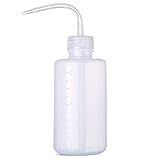
A watering can is a must-have tool for any bonsai owner. Choose a can with a long, narrow spout to direct the water precisely where you need it. This helps avoid splashing and ensures that the water reaches the soil surface evenly. A long spout is crucial.
Consider a watering can with a rose head, which diffuses the water and provides a gentle shower-like effect. This is particularly useful for delicate bonsai species. Look for a lightweight can that’s easy to handle, especially if you have several bonsai trees to water.
Hoses and Sprayers
For outdoor bonsai, a hose with an adjustable nozzle can be a convenient option. Choose a nozzle that allows you to control the water flow and pressure. A gentle spray setting is ideal for delicate bonsai, while a more forceful stream can be used to flush out the soil.
Be mindful of the water pressure when using a hose. Excessive pressure can damage the delicate roots of your bonsai. Consider using a pressure regulator to maintain a safe water pressure. Proper water pressure is essential to avoid harming the bonsai.
Moisture Meters
As mentioned earlier, a moisture meter can be a valuable tool for assessing soil moisture levels. These devices provide a more precise reading than the finger test, helping you to avoid both overwatering and underwatering. They are especially useful for beginners.
Moisture meters typically have a probe that you insert into the soil. The meter then displays the moisture level on a scale. Look for a meter that’s easy to read and calibrated for use with bonsai soil. A good moisture meter can take the guesswork out of watering.
Spray Bottles
A spray bottle is useful for misting the foliage of your bonsai. This can help to increase humidity and remove dust from the leaves. Choose a spray bottle with an adjustable nozzle to control the misting effect. A fine mist is generally preferable.
Use a clean spray bottle filled with fresh water. Avoid using tap water, as it can leave mineral deposits on the leaves. Misting is a useful supplementary technique, but it should not replace the deep watering method.
Common Mistakes to Avoid
Even experienced bonsai enthusiasts can make mistakes. Recognizing these common errors will help you avoid them and ensure the health of your trees. Understanding these pitfalls can prevent serious damage.
Overwatering
Overwatering is one of the most common mistakes in bonsai care. It can lead to root rot, which is a serious condition that can kill your tree. Overwatering deprives the roots of oxygen, causing them to decay.
Signs of overwatering include yellowing leaves, soft new growth, and a foul odor from the soil. To avoid overwatering, always check the soil moisture before watering. Ensure that the pot has adequate drainage and that the soil is allowed to dry slightly between waterings.
Underwatering
Underwatering is another common mistake. It can lead to stunted growth, leaf drop, and even the death of your tree. When a bonsai is underwatered, the roots dry out, making it difficult for the tree to absorb water and nutrients.
Signs of underwatering include wilting leaves, dry soil, and brittle branches. To avoid underwatering, check the soil moisture regularly and water thoroughly when needed. Pay close attention to the environmental conditions, as these can affect how quickly the soil dries out.
Using the Wrong Type of Water
Using water that contains chlorine or other harmful chemicals can damage your bonsai. Chlorine can build up in the soil and eventually harm the roots. Hard water can also leave mineral deposits that can affect the tree’s health.
To avoid this, use filtered water, rainwater, or let tap water sit for 24 hours to allow the chlorine to dissipate. If you live in an area with hard water, consider using a water softener. Always prioritize the quality of the water you use.
Ignoring Drainage
Poor drainage can lead to overwatering and root rot. Make sure your bonsai pot has adequate drainage holes. Also, use a well-draining soil mix designed for bonsai. Drainage is crucial for the health of your bonsai.
If your pot doesn’t have enough drainage holes, you can add more. Ensure the holes are not blocked by debris. Consider adding a layer of gravel or screen to the bottom of the pot to improve drainage. Proper drainage is essential for healthy roots.
Troubleshooting Watering Problems
Even with the best care, problems can arise. Knowing how to troubleshoot common watering issues will help you address them quickly and effectively. Addressing problems early can save your bonsai.
Yellowing Leaves
Yellowing leaves can be a sign of both overwatering and underwatering. If the leaves are yellowing and the soil is consistently wet, the problem is likely overwatering. If the leaves are yellowing and the soil is dry, the problem is likely underwatering. (See Also: Jade Plant Size: How Big Can a Jade Plant Get?)
Assess the soil moisture and adjust your watering schedule accordingly. If the problem is overwatering, allow the soil to dry out before watering again. If the problem is underwatering, water thoroughly. Consider the overall health of the tree when assessing the cause.
Leaf Drop
Leaf drop can also be caused by overwatering or underwatering, as well as by other factors, such as temperature stress or pest infestations. If the leaves are dropping and the soil is consistently wet, the problem is likely overwatering.
If the leaves are dropping and the soil is dry, the problem is likely underwatering. Check for pests or other signs of stress. Adjust your watering schedule and environmental conditions as needed. Leaf drop can indicate a serious problem with your bonsai.
Root Rot
Root rot is a serious condition caused by overwatering. It can lead to the decay of the roots, preventing the tree from absorbing water and nutrients. Signs of root rot include a foul odor from the soil, yellowing leaves, and a general decline in the tree’s health.
If you suspect root rot, carefully remove the tree from its pot and inspect the roots. Trim away any dead or decaying roots. Repot the tree in fresh, well-draining soil. Adjust your watering schedule to prevent future occurrences. Root rot can be fatal if not addressed promptly.
Advanced Watering Considerations
Once you’ve mastered the basics, you can explore more advanced watering techniques. These considerations will help you refine your skills and achieve even better results. They will enhance your bonsai care.
Watering During Different Seasons
The watering needs of your bonsai will vary throughout the year. In the spring and summer, when the tree is actively growing, you will need to water more frequently. In the fall and winter, when the tree’s growth slows down, you will need to water less frequently.
Adjust your watering schedule based on the weather conditions and the specific needs of your tree. Observe your tree and its environment. Seasonal adjustments are critical for optimal health.
Watering After Repotting
After repotting your bonsai, it’s important to water thoroughly. This helps to settle the soil around the roots and ensures that the tree has access to water. However, avoid overwatering immediately after repotting.
Water the tree until water drains from the bottom of the pot. Then, allow the soil to dry slightly before watering again. Monitor the tree closely for any signs of stress. Careful watering after repotting is vital to the tree’s survival.
Acclimatizing to New Environments
When you move your bonsai to a new location, such as from indoors to outdoors, it’s important to acclimate it gradually. This helps the tree adjust to the new environmental conditions, including changes in light, temperature, and humidity.
Start by placing the tree in a shaded area and gradually increase its exposure to sunlight over a period of several weeks. Adjust your watering schedule accordingly. Gradual acclimatization helps reduce stress.
The Importance of Soil and Drainage
The soil and drainage system are essential components of a healthy bonsai. These two factors work together to provide the tree with the right balance of water, air, and nutrients. Understanding their importance will improve your bonsai care.
The Role of Soil in Watering
The soil acts as a reservoir for water and nutrients. It provides the roots with a stable environment in which to grow. Bonsai soil is typically a well-draining mix of materials, such as akadama, pumice, and lava rock. The soil mix is crucial.
The type of soil you use will affect how quickly the soil dries out and how often you need to water your bonsai. A well-draining soil mix will allow excess water to drain away, preventing root rot. Choose a soil mix that is appropriate for your bonsai species.
The Importance of Drainage Holes
Drainage holes are essential for preventing overwatering and root rot. They allow excess water to drain from the pot, preventing the soil from becoming waterlogged. Make sure your pot has sufficient drainage holes.
If your pot doesn’t have enough drainage holes, you can add more. Ensure the holes are not blocked by debris. Consider adding a layer of gravel or screen to the bottom of the pot to improve drainage. Proper drainage is a cornerstone of bonsai care.
Bonsai Species and Their Watering Needs
Different bonsai species have different watering requirements. Some species prefer consistently moist soil, while others tolerate drier conditions. Understanding these specific needs is critical for the health and vitality of your bonsai. Tailoring your watering to the species will ensure success.
Species That Prefer Moist Soil
Some bonsai species, such as maples and azaleas, prefer consistently moist soil. These trees thrive with regular watering, but it’s still important to avoid overwatering. Monitor the soil moisture and water when the surface feels slightly dry.
These species often have shallow root systems and are susceptible to drying out. Consistent moisture is vital for their health and growth. Examples include Japanese Maples and Azaleas.
Species That Tolerate Drier Conditions
Other bonsai species, such as pines and junipers, tolerate drier conditions. These trees are more susceptible to root rot if they are overwatered. Allow the soil to dry out more thoroughly between waterings. (See Also: Planting Squash: How Far Apart to Maximize Your Harvest)
These species have adapted to drier environments and can withstand periods of drought. Examples include Japanese Black Pines and Junipers. It’s important to understand the specific needs of each tree.
Adjusting Watering Based on the Species
Adjust your watering schedule based on the specific needs of your bonsai species. Research the species’ preferences and tailor your watering accordingly. This will help you avoid overwatering or underwatering. Species specificity is key to success.
Consider the tree’s origin and natural habitat. This can provide valuable insights into its watering needs. By understanding the species’ requirements, you can provide the optimal care for your bonsai.
Watering Frequency and Schedule
There is no one-size-fits-all watering schedule for bonsai. The frequency of watering depends on a variety of factors, including the species of tree, the size of the pot, the climate, and the season. Observe your tree and adjust your watering schedule accordingly. Flexibility is key.
Watering Frequency Based on Season
In the spring and summer, when the tree is actively growing, you will need to water more frequently. This is because the tree is using more water, and the soil dries out more quickly. Daily watering, or even twice a day, may be required in hot weather.
In the fall and winter, when the tree’s growth slows down, you will need to water less frequently. The soil dries out more slowly during these months. Adjust your watering schedule based on the weather conditions. Seasonal adaptation is essential.
Watering Frequency Based on Climate
The climate in which your bonsai is located will also affect how often you need to water. In hot, dry climates, you will need to water more frequently than in cool, humid climates. Consider the local weather patterns.
If you live in a windy area, the soil will dry out more quickly. If you live in a humid area, the soil will dry out more slowly. Adjust your watering schedule based on the specific climate conditions. Climate awareness is crucial.
Creating a Watering Routine
While there is no fixed watering schedule, establishing a routine can help you remember to water your bonsai regularly. Check the soil moisture every day, or every other day, and water when needed. Consistency is a valuable asset.
Use the finger test or a moisture meter to determine when to water. Note the time of day when you water. This helps you to monitor the tree’s water intake. A good routine streamlines the process.
Monitoring and Adjusting Your Watering Practices
Watering a bonsai is an ongoing learning process. It requires careful observation and a willingness to adjust your practices based on your tree’s needs. Constant monitoring will lead to better results. Adaptability is key to success.
Keeping a Watering Journal
Keeping a watering journal can help you track your watering habits and identify any patterns or problems. Record the date, time, and amount of water you give your bonsai. Also, note any observations about the tree’s health or the weather conditions.
Over time, your journal will provide valuable insights into your bonsai’s watering needs. It will help you fine-tune your practices and avoid common mistakes. A detailed journal is a powerful tool.
Recognizing and Responding to Changes
Pay close attention to any changes in your bonsai’s health or appearance. Drooping leaves, yellowing leaves, or stunted growth can all indicate that your watering practices need to be adjusted. Early detection is key to preventing problems.
If you notice any problems, assess the soil moisture and adjust your watering schedule accordingly. Consider other factors, such as the environment and the species of tree. Prompt action is the best approach.
Learning From Experience
The best way to learn how to water a bonsai is to gain experience. Experiment with different techniques and observe the results. Don’t be afraid to make mistakes; they are a valuable part of the learning process. Continuous learning is essential.
Read books, attend workshops, and consult with experienced bonsai enthusiasts. The more you learn, the better you will become at watering your bonsai. Bonsai is a journey of continuous discovery.
Conclusion: Mastering the Art of Bonsai Watering
how to Water a Bonsai Plant Correctly Is a Cornerstone of Bonsai Care. Understanding the Principles of Soil Moisture, Environmental Factors, and Species-Specific Needs Is Paramount. By Implementing the Techniques Outlined in This Guide, You Can Cultivate Thriving Bonsai Trees. Remember to Observe, Adjust, and Learn Continuously. Your Dedication Will Be Rewarded with the Beauty and Longevity of Your Bonsai. Congratulations on Taking the First Steps to Mastering This Essential Skill!
Recommended Products