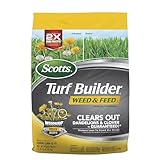
Tired of a patchy lawn overrun with pesky weeds? We get it. The dream of a lush, green carpet of grass can quickly turn into a battle against dandelions and clover.
But what if there was a way to tackle both problems at once? That’s where ‘weed and feed’ products come in, offering a convenient solution for lawn enthusiasts everywhere. If you’re wondering how to use weed and feed for your lawn effectively, you’re in the right place. We’ll guide you through the process, ensuring you get the best results for a healthier, more beautiful yard.
Understanding Weed and Feed Products
Weed and feed products are a popular choice for homeowners looking to simplify their lawn care routine. They combine two essential lawn treatments into a single application: a fertilizer to nourish your grass and a herbicide to eliminate common lawn weeds. This dual-action approach saves you time and effort, making it an attractive option for busy individuals. However, to achieve optimal results and avoid damaging your lawn, it’s crucial to understand how these products work and the best practices for their application.
What’s Inside a Weed and Feed Product?
At its core, a weed and feed product is a carefully formulated blend. The ‘feed’ component is typically a granular or liquid fertilizer designed to provide essential nutrients like nitrogen, phosphorus, and potassium (N-P-K) to your grass. These nutrients promote healthy growth, deepen root systems, and enhance the overall vigor of your turf, making it more resilient to stress and disease.
The ‘weed’ component is a selective herbicide. This means it’s formulated to target and kill specific types of weeds without harming your desirable grass species. Common herbicides found in weed and feed products include 2,4-D, dicamba, and MCPP (mecoprop). These chemicals work by disrupting the growth processes of broadleaf weeds, eventually leading to their demise.
Types of Weed and Feed Formulations
Weed and feed products come in a few main forms, each with its own application method and best-use scenarios:
- Granular Weed and Feed: This is the most common type. The fertilizer and herbicide are coated onto small granules. These are typically applied using a broadcast spreader or a drop spreader. The granules are then watered in to activate the herbicide.
- Liquid Weed and Feed: These are concentrated solutions that are mixed with water and applied using a hose-end sprayer or a tank sprayer. They often provide a quicker visual response as the herbicide is immediately available to the weed.
- Weed and Feed Spikes/Sticks: While less common for broad-scale application, some brands offer individual spikes that are inserted into the soil. These are generally more targeted and less efficient for larger lawns.
When Is the Best Time to Apply Weed and Feed?
Timing is arguably the most critical factor when it comes to successfully using weed and feed. Applying it at the wrong time can render it ineffective or, worse, damage your lawn.
Ideal Conditions for Application
The general consensus among lawn care experts is to apply weed and feed when:
- Weeds are actively growing: The herbicide needs to be absorbed by the weed’s foliage and roots. If weeds are dormant or struggling, the product won’t be as effective.
- Grass is actively growing: Similarly, the fertilizer component works best when the grass is in a growth phase.
- The weather is mild: Aim for temperatures between 60°F and 90°F (15°C and 32°C). Extreme heat can stress your lawn, and extreme cold can inhibit weed growth.
- No rain is expected for at least 24-48 hours: This allows the product to absorb into the weeds and grass without being washed away. For granular products, you’ll want to water them in after application, but a heavy rain immediately after can also wash away the granules before they’ve had a chance to work.
- The grass is dry: For most granular weed and feed products, the grass blades should be dry when you apply. This allows the granules to fall directly to the soil surface, where they can be absorbed by the roots. If the grass is wet, the granules can stick to the blades, potentially burning the grass.
Seasonal Considerations
The best season for applying weed and feed depends on your climate and the types of weeds you’re trying to control. However, spring and fall are generally considered prime times. (See Also: How to Sharpen Husqvarna Lawn Mower Blades: Sharpen…)
- Spring Application: This is often the most effective time. As temperatures warm up, weeds begin to emerge and grow. Applying weed and feed in early to mid-spring, after the last frost but before the heat of summer, helps to control emerging broadleaf weeds and provides your lawn with the nutrients it needs to thrive throughout the growing season. This is also a good time to address winter annual weeds that may have germinated.
- Fall Application: Fall is another excellent time, especially for controlling perennial weeds that are storing energy in their roots for the winter. A fall application can help weaken these weeds, making them less likely to return the following spring. It also provides nutrients that can help your lawn recover from summer stress and prepare for winter dormancy.
When Not to Apply Weed and Feed
Understanding when not to apply is just as important as knowing when to apply:
- During a drought: Stressed grass is more susceptible to herbicide damage.
- When temperatures are consistently above 90°F (32°C): High heat can cause the herbicide to volatilize, leading to increased damage to your lawn.
- Immediately after seeding or sodding: New grass seedlings are very sensitive and can be easily killed by herbicides. Wait until the new grass has been mowed at least 3-4 times.
- On established trees and shrubs: The herbicides in weed and feed can harm ornamental plants.
- On certain grass types: Some grass types, like St. Augustinegrass, centipedegrass, and bahiagrass, are sensitive to certain herbicides. Always check the product label for grass compatibility.
How to Apply Weed and Feed: A Step-by-Step Guide
Applying weed and feed correctly ensures maximum effectiveness and minimizes the risk of harming your lawn. Here’s a detailed breakdown of the process:
Step 1: Choose the Right Product
Not all weed and feed products are created equal. Consider these factors:
- Your Grass Type: As mentioned, some grasses are sensitive to certain herbicides. Check the product label carefully to ensure it’s safe for your specific lawn grass (e.g., Kentucky bluegrass, fescue, ryegrass).
- The Weeds You Have: Different products target different types of weeds. Identify the primary weeds in your lawn to select a product that will be most effective against them.
- Formulation Preference: Decide whether you prefer granular or liquid application.
Step 2: Read the Product Label!
This is non-negotiable. The product label is your most important tool. It contains crucial information about application rates, safety precautions, grass type compatibility, and specific instructions for use. Never deviate from the label instructions.
Step 3: Prepare Your Equipment
Ensure your spreader or sprayer is clean and in good working order. For granular products, a spreader is essential. Calibrate your spreader according to the product label’s recommendations to ensure you’re applying the correct rate. Over-application can burn your lawn, while under-application will be ineffective.
For liquid products, a hose-end sprayer or a tank sprayer is needed. Make sure the sprayer is clean and that you’ve mixed the product with water in the correct ratio as indicated on the label.
Step 4: Apply the Product
For Granular Weed and Feed:
- Ensure Grass is Dry: As mentioned, apply when the grass blades are dry.
- Calibrate Your Spreader: Set your spreader to the recommended setting for the specific product.
- Start Application: Begin by walking around the perimeter of your lawn to create an edge. Then, walk back and forth across the lawn, overlapping your passes slightly to ensure even coverage. Avoid making multiple passes over the same area.
- Apply in Strips: For broadcast spreaders, apply in parallel strips, turning off the spreader when you stop or turn.
- Avoid Overlap: Overlapping passes can lead to double application, which can burn the grass.
For Liquid Weed and Feed: (See Also: How to Change Oil in a Honda Lawn Mower: Easy Diy Guide)
- Mix Correctly: Accurately measure and mix the concentrate with water in your sprayer.
- Apply Evenly: Spray the mixture evenly over the entire lawn. Again, work in parallel strips and avoid overlapping passes.
- Spray Lawns in Sections: If using a tank sprayer, divide your lawn into manageable sections to ensure complete and even coverage.
Step 5: Water in (for Granular Products)
For granular weed and feed, it’s crucial to water the lawn after application, typically within 24 hours. This helps to wash the granules off the grass blades and into the soil, activating the herbicide and allowing it to be absorbed by the weed roots. Use a sprinkler to water the lawn thoroughly, but avoid over-watering to the point of runoff.
Step 6: Post-Application Care
After applying weed and feed, follow these guidelines:
- Mowing: Most labels recommend waiting at least 2-3 days after application before mowing. This gives the herbicide time to be absorbed by the weeds. When you do mow, bag the clippings, especially after the first mow, to remove any residual herbicide.
- Watering: Continue to water your lawn regularly, but avoid excessive watering that can wash away the active ingredients before they’ve had a chance to work.
- Avoid Reapplication: Do not reapply weed and feed more frequently than recommended on the product label, as this can lead to lawn damage.
- Observe Your Lawn: Monitor your lawn for signs of weed control and for any signs of herbicide damage to the grass.
Common Mistakes to Avoid
Even with the best intentions, some common mistakes can hinder your success with weed and feed:
- Applying in Extreme Heat: As mentioned, high temperatures can lead to herbicide damage.
- Not Reading the Label: This is the most frequent and damaging mistake. Always read and follow label instructions precisely.
- Using the Wrong Spreader Settings: Incorrect calibration can lead to over- or under-application.
- Applying to Wet Grass (for granular): This can cause the granules to stick to the blades and burn the grass.
- Applying When Rain is Imminent: Rain can wash away the product before it has a chance to work.
- Seeding Too Soon: Herbicides can prevent new grass seeds from germinating.
Alternatives and Complements to Weed and Feed
While weed and feed offers convenience, it’s not always the perfect solution for every lawn situation. Here are some alternatives and complementary approaches:
Spot Treatment
For lawns with scattered weeds, spot treating with a targeted herbicide can be more efficient and less impactful on the entire lawn. This involves applying herbicide directly to individual weeds or small patches of weeds.
Manual Weeding
The most eco-friendly approach is manual weeding. Pulling weeds by hand, especially after rain when the soil is soft, can be very effective, though it’s more labor-intensive.
Improving Lawn Health
Often, the best defense against weeds is a healthy, dense lawn. Regular mowing at the correct height, proper watering, aeration, and overseeding can create a turf that outcompetes weeds for sunlight, water, and nutrients. A strong root system is key!
Pre-Emergent Herbicides
These products are applied before weeds germinate. They create a barrier in the soil that prevents weed seeds from sprouting. Pre-emergents are excellent for controlling crabgrass and other annual weeds, but they do not kill existing weeds. (See Also: How to Test a Lawn Mower Stator: A Pro’s Guide)
Post-Emergent Herbicides
These are applied to kill weeds that have already emerged. Weed and feed products contain post-emergent herbicides. Separate post-emergent herbicides are available for targeted application.
Fertilizing Separately
Some homeowners prefer to fertilize their lawn at specific times based on soil tests and grass needs, and then use a separate herbicide application when weeds become a problem. This offers more control over each component of lawn care.
Understanding Potential Side Effects and Precautions
While weed and feed products are designed to be safe when used as directed, there are potential side effects and precautions to be aware of:
- Lawn Burn: Over-application, application in extreme heat, or application to wet grass can cause brown patches or yellowing of the lawn.
- Damage to Non-Target Plants: Runoff or drift can damage ornamental plants, vegetables, and trees. Keep the product away from these areas.
- Environmental Impact: Herbicides can enter waterways through runoff. Always follow label directions to minimize environmental contamination.
- Pet and Child Safety: Keep pets and children off the lawn until the product has been watered in and dried, and follow any specific re-entry instructions on the label.
- Residue: Be mindful of herbicide residue on grass clippings if you plan to compost them.
Always store weed and feed products in their original containers, out of reach of children and pets, and away from extreme temperatures.
Troubleshooting Common Issues
If you encounter problems after applying weed and feed, here’s how to approach them:
Weeds Not Dying
- Check Application Rate: Did you apply enough product?
- Timing: Were the weeds actively growing? Was the weather conducive?
- Weed Type: Is the product effective against your specific weeds? Some weeds are notoriously hard to kill.
- Environmental Factors: Was there heavy rain immediately after application? Was the grass stressed?
Grass Damage (burning)
- Over-application: This is the most common cause.
- High Temperatures: Did you apply during a heatwave?
- Application to Wet Grass: Did the granules stick to the blades?
- Sensitive Grass Type: Was the product compatible with your grass?
If you notice minor grass burn, watering the lawn thoroughly can sometimes help dilute the herbicide and reduce damage. For severe damage, you may need to reseed affected areas after the herbicide has dissipated.
Lawn Doesn’t Seem Greener
Weed and feed products are not solely designed for rapid greening. While the fertilizer provides nutrients for growth, the primary goal is weed control and overall lawn health. If you’re looking for immediate greening, consider a dedicated lawn enhancer or a fertilizer with a higher nitrogen content. The ‘feed’ component in weed and feed is usually balanced for overall health, not just a quick color boost.
Conclusion
Using weed and feed can be an effective way to manage lawn weeds while simultaneously fertilizing your grass. The key to success lies in careful product selection, understanding the ideal application conditions, and meticulously following the product label instructions. By timing your application correctly, preparing your equipment, and applying evenly, you can achieve a healthier, weed-free lawn with minimal effort. Remember, a little preparation and attention to detail go a long way in transforming your yard into the lush green space you desire.
Recommended Products