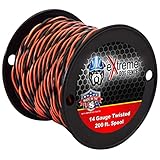
Are you wrestling with your dog’s fence, and the wires just aren’t cooperating? Maybe you’re setting up a new system, or perhaps the existing twists have come undone. Whatever the reason, you’re here because you need to know how to twist dog fence wire effectively.
The good news? It’s a manageable task, even for DIY beginners. We’ve all been there, staring at a tangled mess of wire, wondering where to start. This comprehensive guide will walk you through everything you need to know, from the basic tools required to the proper twisting techniques, ensuring a secure and reliable fence for your furry friend. Plus, we’ll cover common pitfalls and how to avoid them.
Let’s get started and make sure your dog stays safely within the boundaries you’ve set!
Understanding the Importance of Twisting Dog Fence Wire
Before we dive into the ‘how,’ let’s understand the ‘why.’ Properly twisted fence wire is crucial for several reasons. It ensures a strong and reliable connection, preventing breaks that could allow your dog to escape. It also helps to maintain the integrity of the electrical current in electric fences, ensuring the system functions as intended. A poorly twisted wire can lead to signal loss, which renders the fence ineffective.
Why Twist Dog Fence Wire?
- Security: A tight twist creates a robust connection, minimizing the risk of wire separation, which is vital for keeping your dog contained.
- Electrical Conductivity: In electric fences, a good twist ensures a continuous electrical circuit, delivering the necessary shock to deter your dog from crossing the boundary.
- Durability: Correctly twisted wires are less prone to corrosion and damage from weather or accidental impacts, extending the lifespan of your fence.
- Preventing Signal Loss: Loose or poorly connected wires can cause signal loss in electric fences, rendering them ineffective.
Think of it like this: the twist is the handshake between two wires. A firm, reliable handshake (twist) means a strong connection. A weak handshake (loose twist) means a weak connection, and potentially, a runaway dog.
Essential Tools and Materials You’ll Need
Gathering the right tools before you start is key to making the process smooth and efficient. You don’t want to be halfway through a twist and realize you’re missing something. Here’s a list of what you’ll need:
Required Tools and Materials:
- Dog Fence Wire: This is, of course, the primary material. Make sure you have enough to complete the job, and consider having extra on hand in case of mistakes or future repairs. The gauge (thickness) of the wire matters, so use the same gauge as your existing fence or the manufacturer’s recommendation.
- Wire Strippers/Cutters: These tools are essential for preparing the wire ends. They allow you to remove the insulation without damaging the wire strands and cut the wire to the appropriate length.
- Wire Connectors (Optional but Recommended): These can be crimp connectors, twist-on wire connectors (wire nuts), or waterproof connectors. They make the connection process easier and more reliable.
- Crimping Tool (If using crimp connectors): This tool securely fastens the crimp connectors to the wires.
- Pliers: These are helpful for twisting the wires, especially if you’re not using connectors, and for manipulating the wire during the twisting process.
- Gloves: Protect your hands!
- Safety Glasses: Prevent eye injuries from flying wire scraps.
- Work Surface: A clear, stable surface to work on.
Having these tools readily available will prevent frustration and ensure a professional-looking finish. We’ll cover each of these in more detail as we move through the steps.
Step-by-Step Guide: How to Twist Dog Fence Wire
Now, let’s get into the main event: twisting the wire. Here’s a detailed, step-by-step guide to help you do it right.
- Safety First: Before you begin, especially if you’re working with an electric fence, ensure the power is turned OFF. This prevents any accidental shocks. Also, put on your safety glasses and gloves.
- Prepare the Wire Ends: Using your wire strippers/cutters, carefully remove about 1/2 to 3/4 inch of insulation from the ends of the wires you’ll be connecting. Be careful not to nick or cut the wire strands themselves. Clean cuts are important for a good connection.
- Choose Your Connection Method: You have a few options here:
- Twisting with Pliers: This is the simplest method, requiring only pliers.
- Using Wire Connectors: This is often the most reliable method.
- Soldering (Advanced): Soldering provides a very secure connection, but requires a soldering iron, solder, and some experience.
We’ll focus on the first two options in this guide.
- Twisting with Pliers (Method 1):
- Overlap the Wires: Lay the stripped ends of the wires side-by-side, overlapping them by about an inch.
- Begin Twisting: Using your pliers, grasp the wires firmly where they overlap. Start twisting the wires together, rotating the pliers to create a tight spiral. Continue twisting until the wires are firmly joined and the connection feels secure.
- Trim Excess (Optional): If the twisted ends are excessively long, you can use your wire cutters to trim off any excess wire. This isn’t strictly necessary, but it can make the connection neater.
- Using Wire Connectors (Method 2):
- Insert Wires: Insert the stripped ends of the wires into the wire connector. Make sure the wires are fully inserted and that no bare wire is exposed outside of the connector.
- Twist (Wire Nuts) or Crimp (Crimp Connectors):
- Wire Nuts: Twist the wire nut clockwise until it’s snug. Don’t overtighten.
- Crimp Connectors: Use your crimping tool to crimp the connector firmly onto the wires. The crimp should be tight and secure.
- Test the Connection: Gently tug on the wires to ensure the connection is secure. If the wires pull apart easily, the twist or connector wasn’t done properly. Start over.
- Insulate the Connection (Optional, but Recommended): If you’re using exposed twisted wires (without connectors), consider using electrical tape to wrap the connection. This provides additional insulation and protection from the elements. For connectors, ensure the connector itself is waterproof or use a waterproof sealant for added protection, especially if the connection is outdoors.
That’s the basic process! Remember, practice makes perfect. The first few twists might not be perfect, but with a little practice, you’ll become a pro. (See Also: How to Build a Fence on Concrete: A Step-by-Step Guide)
Troubleshooting Common Problems
Even with the best instructions, problems can arise. Here are some common issues you might encounter and how to fix them:
Problem: Loose Connection
Cause: Insufficient twisting, improper use of connectors, or damaged wire.
Solution: Untwist the wires or remove the connector. Re-strip the wires, ensuring a clean cut. Retwist the wires using more force or replace the connector, making sure it is properly crimped or twisted.
Problem: Wire Breaks During Twisting
Cause: Over-twisting, damaged wire, or using the wrong type of wire.
Solution: If the wire is damaged, cut off the damaged section and start again. Use the correct gauge wire for your system. If over-twisting, ease up on the pressure.
Problem: Electric Fence Not Working After Twisting
Cause: Poor connection causing signal loss, or a short circuit.
Solution: Double-check all connections, ensuring they are tight and secure. Examine the wire for any bare spots that might be touching other wires or grounded objects. If the problem persists, check your fence charger and consult the manufacturer’s troubleshooting guide.
Problem: Wire Corroding Quickly
Cause: Exposure to the elements, or using the wrong type of wire. Poor insulation of the connection. (See Also: How to Get Sturdy Pine Fence in Genshin: Your Ultimate Guide)
Solution: Use waterproof connectors or wrap connections tightly with electrical tape. Use wire designed for outdoor use and consider using a sealant. Check and replace any damaged sections of wire.
Tips for a Professional Finish
Want to take your wire twisting to the next level? Here are a few tips to help you achieve a professional-looking finish:
- Use the Right Tools: Invest in quality tools. They’ll make the job easier and produce better results.
- Measure and Cut Carefully: Measure your wires accurately and cut them cleanly. This will help prevent unnecessary waste and ensure a neater finish.
- Maintain Consistent Twists: Aim for consistent twists in all your connections. This will give your fence a uniform appearance.
- Use Wire Connectors: They are generally more reliable and easier to use than twisting with pliers alone, especially for beginners.
- Protect from the Elements: Always insulate your connections, especially if they are exposed to the weather. This will prolong the life of your fence and ensure it continues to function effectively.
- Double-Check Your Work: Before turning the power back on (for electric fences), inspect all your connections to ensure they are secure and properly insulated.
- Consider Waterproofing: For outdoor fences, consider using waterproof connectors or applying a sealant to protect the connections from moisture.
- Regular Maintenance: Regularly inspect your fence for any signs of damage or wear and tear. Address any issues promptly to prevent problems from escalating.
Frequently Asked Questions (faqs)
Here are some of the most common questions people ask about twisting dog fence wire:
Can I Use Regular Wire for My Dog Fence?
No, you should use wire specifically designed for dog fences. Regular wire may not have the necessary insulation or conductivity. Using the correct wire is essential for the safety and effectiveness of your fence.
How Often Should I Check My Dog Fence?
It’s a good idea to inspect your fence at least once a month, or more frequently if you live in an area with harsh weather conditions or if your dog is particularly determined to escape! Look for any broken wires, loose connections, or damage to the fence posts.
What Gauge Wire Should I Use?
The gauge of wire you need depends on the length of your fence and the type of dog fence system you have. Consult the manufacturer’s recommendations for your specific system. Generally, thicker wire (lower gauge number) is used for longer fences and higher-powered systems.
Can I Bury the Wire?
Yes, you can bury the wire, but you’ll need to use wire specifically designed for underground use. This wire has a protective coating to prevent damage from moisture and the elements. Be sure to bury it at the recommended depth, usually a few inches below the surface.
Can I Use Wire Nuts for an Electric Dog Fence?
Wire nuts can work, but make sure they are waterproof and rated for the voltage of your electric fence. Crimp connectors are often considered more reliable and provide a more secure connection, especially outdoors. (See Also: How Much Is Pipe Fence Per Foot? Costs, Factors & Expert Guide)
Additional Considerations for Electric Dog Fences
If you’re working with an electric dog fence, there are some additional things to keep in mind:
- Turn Off the Power: Before you start any work, always turn off the power to the fence. Safety first!
- Proper Grounding: A properly grounded electric fence is crucial for its effectiveness. Make sure your grounding system is installed correctly.
- Voltage Testing: Use a voltage tester to ensure the fence is delivering the correct voltage after you’ve made your wire connections.
- Placement of the Wire: Bury the wire at the correct depth, as recommended by the manufacturer. Avoid placing the wire where it could be easily damaged.
- Training Your Dog: Electric fences require training. Introduce your dog to the fence gradually and teach them the boundaries.
By following these guidelines, you can ensure your electric dog fence is safe, effective, and keeps your dog safely contained.
Alternative Methods for Connecting Dog Fence Wire
While twisting and using connectors are the most common methods, there are a few other options you might consider:
- Soldering: Soldering provides a very secure connection, but it requires a soldering iron, solder, and some experience. It’s a good option for permanent connections, but it can be time-consuming.
- Compression Connectors: These connectors use a compression tool to create a secure connection. They’re quick and easy to use, but they can be more expensive than other options.
- Splice Kits: Some manufacturers offer splice kits that include pre-made connectors and instructions. These kits are convenient and can be a good option for beginners.
The best method for you will depend on your experience, the type of fence you have, and your personal preferences. Consider the pros and cons of each method before choosing the one that’s right for you.
Maintaining Your Dog Fence Wire
Twisting the wire is just the beginning. Regular maintenance is essential to ensure your dog fence remains effective and reliable. Here’s what you should do:
- Regular Inspections: Inspect your fence at least once a month, and more frequently if you live in an area with harsh weather or if your dog is a determined escape artist.
- Check for Damage: Look for any signs of damage to the wire, such as breaks, kinks, or corrosion.
- Tighten Connections: Make sure all connections are tight and secure. Retwist or replace any loose connections.
- Check Insulation: Inspect the insulation on the wire, especially in areas where it is exposed to the elements. Replace any damaged insulation.
- Trim Vegetation: Keep vegetation away from the fence wire. Overgrown plants can interfere with the signal and cause shorts.
- Clean the Fence: Clean the fence wire periodically to remove any dirt, debris, or rust.
- Test the System: Periodically test the fence to ensure it is delivering the correct voltage.
- Replace Worn Components: Replace any components that are worn or damaged, such as connectors or insulators.
By following these maintenance tips, you can extend the life of your dog fence and ensure it continues to provide a safe and secure environment for your pet.
Final Verdict
Twisting dog fence wire is a manageable task that, when done correctly, ensures the safety and security of your dog. By following the steps outlined in this guide and using the right tools, you can create strong, reliable connections. Remember to prioritize safety, take your time, and don’t be afraid to ask for help if needed. Your dog will thank you for it with their safe and happy life!
Recommended Products