Is your money plant starting to look a little unruly? Do its vines seem to be taking over your space? Don’t worry, you’re not alone! Money plants, also known as pothos, are incredibly popular houseplants, loved for their trailing beauty and ease of care. However, like any plant, they benefit from regular trimming to maintain their shape, encourage growth, and keep them looking their best.
This comprehensive guide will teach you everything you need to know about how to trim money plant, from the proper tools and techniques to the best time to prune and how to propagate those cuttings. We’ll explore the ‘why’ behind trimming, the benefits it offers, and how to avoid common mistakes. Get ready to transform your money plant into a lush and thriving centerpiece for your home!
Whether you’re a seasoned plant parent or a complete beginner, this guide provides all the information you need to successfully trim your money plant and enjoy its beauty for years to come. Let’s dive in and unlock the secrets to a perfectly pruned money plant!
Why Trim Your Money Plant? The Benefits of Pruning
Trimming your money plant isn’t just about aesthetics; it’s a crucial part of its overall health and well-being. Regular pruning offers a multitude of benefits, contributing to a healthier, more vibrant plant. Understanding these benefits will motivate you to make trimming a regular part of your money plant care routine.
Encouraging Bushier Growth
One of the primary reasons to trim your money plant is to promote bushier growth. When you prune, you remove the terminal buds, which are responsible for apical dominance, the tendency of a plant to grow primarily from the top. This encourages the plant to branch out from lower nodes, resulting in a fuller, more compact appearance.
By removing the tips, you’re essentially telling the plant to focus its energy on producing more stems and leaves from the sides. This leads to a more robust and visually appealing plant, perfect for filling out hanging baskets or trailing gracefully over shelves. Regularly trimming the stems encourages more branching, making the plant look denser and healthier.
Controlling Size and Shape
Money plants can grow quite long, potentially becoming unwieldy and taking up too much space. Trimming allows you to control the size and shape of your plant, preventing it from overwhelming your living area. You can shape it to fit your desired aesthetic, whether you prefer a cascading effect or a more contained, structured look.
Regular pruning lets you maintain the desired size and prevent the plant from becoming excessively leggy. By strategically trimming the vines, you can also guide the plant’s growth, encouraging it to fill specific areas or avoid certain spaces. This is particularly useful if you’re growing your money plant indoors and want to keep it within a specific area.
Promoting Health and Air Circulation
Overgrown money plants can become congested, leading to poor air circulation around the leaves and stems. This can create a humid environment that is conducive to fungal diseases and pest infestations. Trimming helps improve air circulation, reducing the risk of these problems and promoting overall plant health.
Removing dead, damaged, or yellowing leaves during trimming also helps prevent the spread of diseases. This practice allows more light to reach the inner leaves, promoting photosynthesis and ensuring the plant receives adequate energy. The removal of old growth stimulates the production of new, healthy leaves.
Propagation Opportunities
When you trim your money plant, you’re not just throwing away the cuttings; you’re creating opportunities for propagation. Money plant cuttings root easily in water or soil, allowing you to create new plants from the trimmings. This is a great way to expand your plant collection or share your love of money plants with friends and family.
Propagation is a rewarding process that allows you to multiply your plants and enjoy the fruits of your labor. The cuttings you take can be used to start new plants, and with a little care, you can create a whole new generation of money plants from a single trimming session. This is an inexpensive and fulfilling way to grow your plant collection!
Essential Tools and Materials for Trimming
Before you begin trimming your money plant, it’s important to gather the right tools and materials. Having the proper equipment will make the process easier, more efficient, and less likely to damage your plant. Here’s what you’ll need:
Sharp Pruning Shears or Scissors
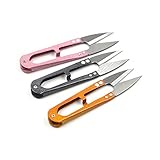
The most important tool for trimming your money plant is a sharp pair of pruning shears or scissors. Sharp tools make clean cuts, which are crucial for preventing disease and promoting healthy regrowth. Dull blades can crush the stems, potentially damaging the plant and making it more susceptible to infection.
Choose pruning shears specifically designed for plants, or use sharp, clean scissors. Ensure the blades are sterilized before each use, either by wiping them with rubbing alcohol or soaking them in a bleach solution. This will help prevent the spread of any potential diseases.
Rubbing Alcohol or Bleach Solution
Sterilizing your pruning tools is essential to prevent the spread of diseases between plants. Rubbing alcohol (isopropyl alcohol) is a convenient and effective option. You can simply wipe the blades of your shears or scissors with rubbing alcohol before and after each trimming session.
Alternatively, you can use a diluted bleach solution (one part bleach to nine parts water). Soak the blades in the solution for a few minutes, then rinse thoroughly with water and allow them to dry completely. Always take care when handling bleach.
Gloves (optional)
While not strictly necessary, wearing gloves can protect your hands from any sap or potential irritants that may be present on the money plant. Gloves are especially helpful if you have sensitive skin or are trimming a large number of plants.
Choose a pair of gardening gloves that are comfortable and provide a good grip. This can make the trimming process more comfortable and protect your skin. Gloves can also help keep your hands clean.
Clean Water and a Container (for Propagation, Optional)
If you plan to propagate your money plant cuttings, you’ll need a container of clean water to root them in. A clear glass or jar is ideal, as it allows you to monitor the root development. Make sure the container is clean and free of any residue. (See Also: How Deep to Plant Hyacinth Bulbs in Pots: A Complete Guide)
Alternatively, you can propagate the cuttings directly in soil. If you choose this method, you’ll need a small pot, well-draining potting mix, and a way to keep the soil consistently moist. This is a slightly different approach, but the same cuttings can be used.
Step-by-Step Guide: How to Trim Money Plant
Now that you have your tools and materials ready, let’s get to the actual trimming process. Follow these steps to ensure a successful and satisfying trimming session for your money plant.
Assess Your Plant and Plan Your Cuts
Before you start trimming, take a good look at your money plant. Assess its overall shape, identify any dead or damaged leaves or stems, and decide where you want to make your cuts. This initial assessment will help you create a plan and avoid making hasty decisions.
Consider the desired shape and size of your plant. Do you want to encourage bushier growth, control its length, or propagate new plants? These factors will influence where you make your cuts. Think about the overall aesthetic you want to achieve.
Locate the Nodes
Money plants grow from nodes, which are the small bumps along the stems where leaves and roots emerge. When you trim, it’s best to cut just above a node. This is where new growth will sprout from.
Cutting above a node encourages the plant to branch out, resulting in a fuller appearance. Be sure to cut close enough to the node to encourage new growth, but not so close that you damage the node itself. These nodes are the plant’s growth centers.
Make Clean Cuts
Using your sterilized pruning shears or scissors, make clean, angled cuts just above the nodes. Angled cuts help prevent water from pooling on the cut surface, which can lead to rot. A clean cut also promotes faster healing and reduces the risk of disease.
Avoid jagged or uneven cuts, as these can damage the plant and hinder its growth. Make each cut in a single, decisive motion. This will result in a cleaner cut and minimize stress on the plant.
Remove Dead or Damaged Growth
As you trim, be sure to remove any dead, yellowing, or damaged leaves or stems. This will improve the plant’s appearance and prevent the spread of any potential diseases. Removing this growth allows the plant to focus its energy on healthy parts.
Gently pull away any dead leaves or stems. If they don’t come away easily, use your pruning shears to make a clean cut. Remove any leaves that are discolored, spotted, or showing signs of disease.
Trim for Shape and Size
Use your trimming plan to shape your money plant to your desired size and shape. Trim long vines to control their length and encourage branching. You can also trim to fill in sparse areas and create a more balanced look.
Consider the overall aesthetic you want to achieve. Experiment with different trimming techniques to find what works best for your plant. Regular trimming encourages a more compact and aesthetically pleasing appearance.
Propagate Cuttings (optional)
If you wish to propagate your money plant cuttings, you can do so easily. Place the cuttings in a jar of clean water, ensuring that at least one or two nodes are submerged. Place the jar in a location that receives bright, indirect light.
Change the water every few days to keep it fresh and prevent algae growth. After a few weeks, roots should begin to develop. Once the roots are about an inch long, you can plant the cuttings in soil.
Best Time to Trim a Money Plant
Timing is important when it comes to trimming your money plant. The best time to trim is during the growing season, which is typically spring and summer. This is when the plant is actively growing and can recover quickly from pruning.
Spring and Summer
During spring and summer, the plant has plenty of energy to put towards new growth. Trimming during this time encourages the plant to produce new leaves and stems quickly, resulting in a lush and vibrant appearance. The warmer temperatures and increased sunlight also aid in faster recovery.
You can trim your money plant as often as needed during the growing season. However, avoid excessive trimming, as this can stress the plant. Regular, moderate trimming is better than infrequent, drastic pruning.
Avoid Trimming in Winter (unless Necessary)
During the winter months, the plant’s growth slows down significantly. Trimming during this time can stress the plant and make it more susceptible to disease. It’s best to avoid trimming unless absolutely necessary, such as removing dead or diseased growth.
If you must trim during winter, do so sparingly and make sure to provide the plant with adequate light and care to help it recover. The plant’s ability to heal and recover is significantly reduced during this season. (See Also: Complete Guide to How to Plant a Buckeye Seed)
Common Mistakes to Avoid When Trimming
While trimming a money plant is generally straightforward, there are a few common mistakes that can hinder your efforts. Avoiding these mistakes will help ensure a healthy and thriving plant.
Using Dull Tools
As mentioned earlier, using dull tools is a major mistake. Dull blades create jagged cuts, which can damage the plant and make it more susceptible to disease. Always use sharp, clean pruning shears or scissors.
Regularly sharpen your tools and sterilize them before each use. This will not only make the trimming process easier but also protect your plant from potential infections. Dull tools can cause a lot of damage.
Over-Trimming
Over-trimming can stress the plant and hinder its growth. Avoid removing too much foliage at once, especially during the winter months. Instead, trim in moderation, removing only what’s necessary to maintain the shape and health of the plant.
A good rule of thumb is to remove no more than one-third of the plant’s foliage at a time. This allows the plant to recover and continue growing without being severely stressed. Over-trimming can shock the plant.
Trimming at the Wrong Time
Trimming during the wrong season can also be detrimental. Avoid trimming during the winter months unless absolutely necessary. The plant’s growth slows down during this time, and it may not be able to recover quickly from pruning.
The best time to trim is during the growing season (spring and summer), when the plant is actively growing and can recover quickly. Trimming at the wrong time can put undue stress on the plant.
Ignoring Sterilization
Failing to sterilize your pruning tools can spread diseases between plants. Always sterilize your tools before and after each trimming session, especially if you’re working with multiple plants. This protects your plants and prevents the spread of infection.
Use rubbing alcohol or a diluted bleach solution to sterilize your tools. This simple step can make a big difference in the health of your plants. Failing to sterilize tools can introduce diseases.
Troubleshooting Common Trimming Issues
Even with the best intentions, you may encounter some issues when trimming your money plant. Here are some common problems and how to address them:
Yellowing Leaves After Trimming
If you notice yellowing leaves after trimming, it could be a sign of stress. Ensure that you haven’t over-trimmed the plant and that it’s receiving adequate light and water. Yellowing leaves could also be a sign of disease.
Inspect the plant for any signs of pests or diseases. If you suspect a disease, remove the affected leaves and treat the plant accordingly. Make sure the plant is getting the right amount of light, water, and nutrients.
Slow Growth After Trimming
If your plant’s growth seems to have slowed down after trimming, it may be due to stress or insufficient light. Ensure that the plant is receiving enough light and that it’s not being overwatered. Too much trimming can also stunt growth.
Provide the plant with proper care, including adequate light, water, and nutrients. Avoid over-trimming, and give the plant time to recover. Consider fertilizing the plant to promote new growth.
Pests After Trimming
Trimming can sometimes expose the plant to pests. Inspect your plant regularly for any signs of pests, such as spider mites, mealybugs, or aphids. Treat any infestations promptly with an appropriate insecticide or neem oil.
Isolate the affected plant to prevent the spread of pests to other plants. Regularly wipe down the leaves to prevent pests. Remove any infested leaves and treat the plant accordingly.
Money Plant Care After Trimming
After you’ve trimmed your money plant, it’s important to provide it with proper care to help it recover and thrive. This includes providing adequate light, water, and nutrients.
Light Requirements
Money plants thrive in bright, indirect light. Place your plant in a location where it receives plenty of sunlight but is not exposed to direct sunlight, which can scorch the leaves. Proper light is essential for healthy growth after trimming.
If your plant isn’t getting enough light, it may become leggy and produce smaller leaves. If the plant is getting too much direct sunlight, the leaves may turn yellow or brown. Find a balance for optimal growth. (See Also: Learn How to Plant Ground Cover for a Thriving Garden!)
Watering and Fertilizing
Water your money plant when the top inch of soil feels dry to the touch. Avoid overwatering, as this can lead to root rot. Fertilize your plant every 2-4 weeks during the growing season with a balanced liquid fertilizer.
Overwatering can lead to root rot. Underwatering can also cause issues. Fertilizing encourages new growth and helps the plant recover from trimming. Consistent watering and fertilizing are key.
Monitoring for Pests and Diseases
Regularly inspect your money plant for any signs of pests or diseases. Early detection is crucial for preventing infestations from spreading. Look for any unusual spots, discoloration, or pests on the leaves and stems.
Treat any pests or diseases promptly with an appropriate insecticide or fungicide. Proper care after trimming can prevent potential problems. Regular monitoring will help you keep your plant healthy.
Frequently Asked Questions (faq)
Here are some frequently asked questions about trimming money plants:
Can I Trim a Money Plant to Make It Fuller?
Yes, trimming a money plant is an excellent way to make it fuller. By trimming the tips of the vines, you encourage the plant to branch out from lower nodes, resulting in a bushier appearance. This technique is often used to create a fuller and more visually appealing plant.
Regular trimming will promote a more compact and dense growth pattern. This will make your plant look fuller and more lush. Trimming stimulates the production of new stems and leaves, leading to a denser appearance.
How Often Should I Trim My Money Plant?
You can trim your money plant as often as needed during the growing season (spring and summer). However, avoid excessive trimming, as this can stress the plant. Regular, moderate trimming is better than infrequent, drastic pruning.
The frequency of trimming depends on your desired shape and size. Assess your plant regularly and trim as needed to maintain its shape and health. It’s best to trim when the plant is actively growing.
Can I Propagate Money Plant Cuttings?
Yes, money plant cuttings root easily in water or soil, allowing you to propagate new plants from the trimmings. This is a great way to expand your plant collection or share your love of money plants with friends and family. Propagation is a simple and rewarding process.
Place the cuttings in a jar of clean water or directly in soil. After a few weeks, roots should begin to develop, and you can plant the cuttings in soil. Propagation offers a way to get more plants.
What Should I Do with the Cuttings After Trimming?
You have several options for the cuttings after trimming. You can propagate them in water or soil to create new plants. You can also compost them or simply discard them. The best option depends on your interests and goals.
If you choose to propagate, the cuttings can be used to create new plants. If not, they can be composted or discarded. Consider starting new plants with your cuttings.
What Happens If I Don’t Trim My Money Plant?
If you don’t trim your money plant, it will continue to grow, potentially becoming leggy and overgrown. The plant may also become less full and less aesthetically pleasing. Without trimming, the plant may also suffer from poor air circulation.
Over time, the plant may become less healthy and more susceptible to pests and diseases. Regular trimming helps maintain the health and beauty of the plant. Without trimming, the plant can lose its shape.
Conclusion: Embrace the Art of Pruning Your Money Plant
Learning how to trim money plant is a rewarding experience that will enhance the beauty and vitality of your beloved houseplant. By following the step-by-step guide, you’ll be well-equipped to maintain a healthy, thriving money plant that brings joy to your living space.
Remember to use sharp, clean tools, trim at the right time, and provide proper care after pruning. Embrace the opportunity to propagate cuttings and share your plant with others. With a little practice, trimming will become a natural part of your money plant care routine, allowing you to enjoy its beauty for years to come!
Recommended Products