The Firestick plant, scientifically known as Euphorbia tirucalli, is a striking succulent known for its vibrant, fire-red stems. Its unique appearance makes it a popular choice for both indoor and outdoor gardens. However, this plant’s rapid growth can quickly lead to an unruly and potentially hazardous form if not properly managed. Understanding how to trim Firestick plant is essential for maintaining its beauty and ensuring its health.
Pruning your Firestick plant is not just about aesthetics; it’s a crucial part of its care. Regular trimming promotes bushier growth, enhances its color, and prevents it from becoming top-heavy and prone to toppling. Furthermore, trimming helps to control its size, making it easier to manage in various settings. This guide provides comprehensive steps on how to trim Firestick plant effectively and safely.
This article will delve into everything you need to know about pruning your Firestick plant, from the best time to trim to the tools you need, and the techniques to use. We’ll also cover safety precautions and address common problems. Whether you’re a seasoned gardener or a beginner, this guide will equip you with the knowledge to maintain a healthy and beautiful Firestick plant.
Understanding the Firestick Plant
Before diving into the specifics of how to trim Firestick plant, it’s essential to understand the plant itself. The Firestick plant is native to arid regions and is known for its drought tolerance. Its stems are cylindrical and typically bright green when young, transitioning to shades of red, orange, and yellow under intense sunlight. The plant produces small, inconspicuous flowers, but its primary appeal lies in its colorful stems.
The Firestick plant is a succulent and contains a milky sap that can irritate the skin and eyes. This sap is toxic if ingested. Therefore, caution is paramount when handling and pruning this plant. The plant can grow quite tall, reaching up to 20 feet in its natural habitat, but it’s more commonly kept at a manageable size in cultivation through pruning.
Identifying Your Firestick Plant
Accurately identifying your Firestick plant is the first step. While the plant is generally easy to recognize, there are a few key characteristics to look for. The stems are typically pencil-like and grow upwards, forming a dense, branching structure. The color of the stems varies depending on sunlight exposure, ranging from bright green to fiery red. Small, rudimentary leaves may appear, but they are often sparse and quickly fall off.
Be aware that the sap of the Firestick plant can cause skin irritation. Therefore, it is important to wear protective gloves and eyewear when handling the plant. It’s also important to differentiate the Firestick plant from other similar-looking Euphorbia species to ensure you provide the correct care. For instance, the Pencil Cactus (Euphorbia tirucalli) is very similar, but the Firestick plant is often more vibrant in color.
Why Pruning Is Important
Regular pruning plays a vital role in maintaining the health and aesthetic appeal of your Firestick plant. Without pruning, the plant can become leggy, unbalanced, and less visually appealing. Pruning encourages bushier growth, resulting in a fuller, more compact appearance. It also helps to prevent the plant from becoming top-heavy, which can lead to it tipping over or breaking.
Pruning also helps to control the size of the Firestick plant. This is particularly important if you are growing it indoors or in a confined space. By regularly trimming the stems, you can keep the plant at a manageable size. Moreover, pruning promotes air circulation, reducing the risk of fungal diseases. Regularly pruning your Firestick plant will ensure its longevity and beauty.
Best Time to Trim Firestick Plant
Timing is crucial when it comes to pruning your Firestick plant. The best time to trim is typically during the late winter or early spring. This is when the plant is either dormant or just beginning its active growth phase. Pruning during this period allows the plant to recover quickly and directs its energy towards new growth.
Avoid pruning during the hottest months of summer, as this can stress the plant. Pruning in the fall is also not ideal, as the plant may not have enough time to heal before the colder weather sets in. Pruning during the growing season is possible, but it may require more frequent trimming to maintain the desired shape.
Seasonal Considerations
Consider your local climate when choosing the best time to trim. In warmer climates, you may have a longer window for pruning, extending into early spring. In colder climates, it’s best to prune before the last frost. The plant may still be actively growing during the spring season, so be prepared for a flush of new growth following your pruning session.
Another factor to consider is the plant’s overall health. If your Firestick plant is stressed or showing signs of disease, it’s best to postpone pruning until it recovers. Pruning a stressed plant can further weaken it. Always observe your plant’s condition before starting any pruning activity.
What to Avoid
Avoid pruning during periods of heavy rainfall or extreme temperatures. These conditions can increase the risk of infection and stress the plant. Also, avoid pruning too heavily at once, as this can shock the plant. It’s better to make several smaller trims over time rather than a single drastic cut.
Do not prune during the flowering stage, as this can remove potential blooms. Although the Firestick plant’s flowers are not particularly showy, they are part of its natural cycle. Pruning at the wrong time can disrupt this cycle. Always err on the side of caution and observe the plant’s health.
Tools and Materials Needed
Having the right tools is essential for a successful and safe pruning session. The following items will help you trim Firestick plant effectively and protect yourself from the plant’s sap. Proper tools make the task easier and ensure clean cuts, which promote healthy growth. (See Also: Planting Red Tip Photinia: How Far Apart to Space Them?)
Before you begin, gather all the necessary tools and materials. This will make the pruning process more efficient and less stressful. Make sure your tools are clean and sharp to ensure clean cuts.
Essential Tools
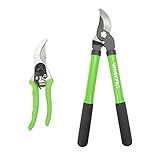
- Pruning Shears or Clippers: These are used for cutting smaller stems and branches. Choose a sharp pair to make clean cuts. Bypass pruners are typically preferred over anvil pruners for cleaner cuts.
- Loppers: If you need to cut thicker branches, loppers are essential. They provide extra leverage for cutting larger stems. Loppers with long handles are particularly helpful for reaching higher branches.
- Gloves: Heavy-duty gloves are crucial to protect your hands from the plant’s irritating sap. Chemical-resistant gloves are recommended.
- Eye Protection: Safety glasses or goggles are essential to prevent the sap from getting into your eyes.
- Rubbing Alcohol: Used to sterilize your pruning tools before and after use to prevent the spread of diseases.
- Paper Towels or Rags: For cleaning up sap and wiping tools.
Optional Materials
- Gardening Knife: Useful for trimming smaller shoots or removing dead leaves.
- Horticultural Tape or Sealant: Can be used to seal larger cuts to prevent sap leakage and protect against infection.
- Bucket of Water: To rinse tools and gloves if sap gets on them.
Step-by-Step Guide on How to Trim Firestick Plant
Now that you have the right tools and understand the best time to prune, let’s go through the step-by-step process of how to trim Firestick plant. Follow these instructions carefully to ensure a healthy and beautifully shaped plant. Remember to prioritize safety throughout the entire process.
Pruning is a straightforward process, but it requires attention to detail. Take your time, and don’t rush the process. Always make clean cuts and observe the plant’s reaction to ensure optimal results.
Step 1: Prepare Your Work Area
Before you begin, set up your work area. This includes gathering all your tools and materials, and ensuring you have a clear space to work. Lay down a drop cloth or tarp to catch any sap drips or fallen cuttings. Make sure you are in a well-ventilated area.
Sterilize your pruning tools with rubbing alcohol. This will prevent the spread of diseases. Put on your gloves and eye protection. Make sure you are wearing appropriate clothing, covering your arms and legs to protect your skin from the sap.
Step 2: Inspect the Plant
Before making any cuts, thoroughly inspect your Firestick plant. Look for any dead, damaged, or diseased stems. Identify the areas that need to be pruned, such as overgrown branches or stems that are crossing each other. This inspection will help you plan your pruning strategy.
Consider the overall shape you want to achieve. Do you want a more compact plant or a taller, more open structure? This will influence the types of cuts you make. Take a moment to visualize the desired outcome.
Step 3: Make the Cuts
Start by removing any dead, damaged, or diseased stems. Cut these stems back to the main stem or the base of the plant. Make clean cuts just above a node (where a leaf or branch emerges). This will encourage new growth.
Next, focus on shaping the plant. Trim any stems that are growing in an undesirable direction or crossing other branches. Thin out the plant by removing some of the stems from the center to improve air circulation and light penetration.
Step 4: Pruning Techniques
- Thinning: Removing entire stems back to their point of origin. This helps to improve air circulation and light penetration. It also reduces the plant’s overall density.
- Heading Back: Cutting back the tips of the stems to encourage bushier growth. This technique is useful for controlling the plant’s height and width.
- Shaping: Trimming stems to create a desired shape or to maintain the plant’s aesthetic appeal. This requires a keen eye and a good understanding of the plant’s growth pattern.
Always make clean cuts, using sharp pruning shears or loppers. Avoid jagged cuts, as these can increase the risk of infection. Make cuts at a slight angle to allow water to run off.
Step 5: Post-Pruning Care
After pruning, clean up any fallen cuttings and sap. Dispose of the cuttings properly, as they can also cause skin irritation. Rinse your gloves and tools to remove any sap residue. Sterilize your tools again to prevent the spread of diseases.
Water your Firestick plant sparingly after pruning. Avoid overwatering, as this can lead to root rot. Monitor the plant for any signs of stress or disease. Provide adequate sunlight and the usual care to promote healthy regrowth. Fertilize the plant with a balanced fertilizer to encourage new growth.
Addressing Common Problems
Even with careful pruning, you may encounter some common problems. Understanding these issues and how to address them will help you keep your Firestick plant healthy and thriving. Proper care and quick responses to potential issues are essential.
Here are some common problems and solutions related to pruning and caring for your Firestick plant. These issues can occur despite the best pruning practices.
Sap Irritation
The most common problem is irritation from the plant’s sap. This can cause skin rashes, redness, and itching. If the sap gets in your eyes, it can cause severe irritation. Always wear protective gear when handling the plant. (See Also: Planting Kale: How Far to Plant Kale Apart for Bountiful Harvests)
Solution: If you come into contact with the sap, immediately wash the affected area with soap and water. Rinse your eyes thoroughly with water. If irritation persists, seek medical attention. Avoid touching your face or eyes while pruning.
Over-Pruning
Over-pruning can stress the plant and weaken it. It can also stunt growth and make the plant more susceptible to diseases. Avoid removing too much foliage at once. It’s better to prune in stages over several weeks.
Solution: If you accidentally over-prune, provide extra care to help the plant recover. Ensure it receives adequate sunlight, water, and nutrients. Avoid fertilizing immediately after over-pruning, as this can further stress the plant. Allow the plant time to recover before making any further cuts.
Pests and Diseases
Firestick plants can be susceptible to pests such as mealybugs and spider mites. They can also be affected by fungal diseases if the plant is not receiving proper care. Regularly inspect your plant for signs of pests or diseases.
Solution: Treat any infestations promptly. Use insecticidal soap or neem oil to control pests. Improve air circulation and avoid overwatering to prevent fungal diseases. If you spot a disease, remove the affected parts immediately. Consider using a fungicide if the problem persists.
Leggy Growth
Leggy growth is a common problem in Firestick plants that don’t receive enough sunlight. The stems become long and stretched out, with sparse foliage. This can make the plant look unhealthy and unattractive.
Solution: Move your plant to a location with more sunlight. Prune the leggy stems to encourage bushier growth. Ensure the plant receives adequate nutrients and water. Rotate the plant regularly to ensure all sides receive sufficient light.
What Happens If You Prune Too Much?
Pruning too much can shock the plant, leading to stunted growth or even dieback. It can also weaken the plant, making it more susceptible to pests and diseases. Always prune conservatively and avoid removing more than one-third of the plant’s foliage at once. Give the plant time to recover and adjust.
Maintaining Your Firestick Plant After Pruning
Proper aftercare is crucial for the health and appearance of your Firestick plant after pruning. This involves providing the right conditions for new growth and preventing any potential problems. This will ensure your plant thrives after pruning.
Your goal after pruning is to encourage healthy regrowth and maintain the desired shape of your plant. This will not only make it look beautiful but also promote its overall health.
Watering
Water your Firestick plant sparingly after pruning. Overwatering can lead to root rot, which can be fatal. Allow the soil to dry out between waterings. Water deeply when you do water, ensuring that the water drains freely from the pot. Adjust your watering schedule based on the weather and the plant’s needs.
Monitor the soil moisture regularly. Insert your finger into the soil to check the moisture level. Water only when the top inch or two of soil feels dry. Avoid getting water on the stems, as this can promote fungal diseases.
Sunlight
Ensure your Firestick plant receives adequate sunlight. This is essential for new growth and vibrant stem color. Place your plant in a location where it can receive at least six hours of direct sunlight per day. If you are growing the plant indoors, place it near a south-facing window.
If your plant does not receive enough sunlight, it may become leggy and lose its vibrant color. If necessary, supplement natural sunlight with grow lights. Be careful not to expose the plant to too much intense sunlight, especially during the hottest part of the day, as this can scorch the stems.
Fertilizing
Fertilize your Firestick plant with a balanced fertilizer during the growing season (spring and summer). This will provide the nutrients needed for healthy regrowth. Follow the instructions on the fertilizer package carefully. Avoid over-fertilizing, as this can damage the plant. (See Also: Unveiling the Heights: How Tall Can a Tomato Plant Grow?)
Use a diluted fertilizer solution, especially after pruning. This will prevent burning the roots. Fertilize every few weeks during the growing season. Reduce or stop fertilizing during the dormant period (fall and winter).
Monitoring for Pests and Diseases
Regularly inspect your Firestick plant for any signs of pests or diseases. Look for mealybugs, spider mites, or other insects. Check for any signs of fungal diseases, such as spots or discoloration on the stems or leaves.
Address any problems promptly. Use insecticidal soap or neem oil to control pests. Remove any diseased parts of the plant. Improve air circulation and avoid overwatering to prevent fungal diseases. Early detection is key.
Troubleshooting Pruning Problems
Even with careful planning and execution, you may encounter problems during or after pruning. Knowing how to troubleshoot these issues will help you correct any mistakes and ensure your Firestick plant thrives. Problem-solving is a crucial part of gardening.
Here are some common problems and solutions related to pruning and aftercare. Being proactive and addressing problems immediately is the best way to keep your plant healthy.
My Plant Isn’t Growing Back After Pruning
If your Firestick plant is not growing back after pruning, there could be several reasons. The plant may not be receiving enough sunlight, water, or nutrients. It might also be stressed from over-pruning or improper care. The plant may also be suffering from a pest infestation or disease.
Solution: Ensure the plant receives adequate sunlight and water. Check the soil moisture and adjust your watering schedule accordingly. Fertilize the plant with a balanced fertilizer. Inspect the plant for pests or diseases and treat them promptly. Avoid over-pruning. Make sure the plant has enough time to recover.
The Stems Are Turning Brown
Brown stems can indicate a variety of problems, including overwatering, underwatering, or fungal diseases. It could also be a sign of sunburn. Determine the cause by assessing the plant’s overall health and the environment it’s in.
Solution: Adjust your watering schedule to ensure the soil is neither too wet nor too dry. Move the plant to a location with less direct sunlight if you suspect sunburn. Treat any fungal diseases with a fungicide and remove any affected stems. Provide optimal conditions for your plant’s health.
The Plant Is Losing Color
Loss of color is often a sign that the plant isn’t receiving enough sunlight. However, it can also be caused by nutrient deficiencies or pests. The vibrant red color of a Firestick plant is its defining feature. It is important to address this issue quickly.
Solution: Move the plant to a location with more sunlight. Fertilize the plant with a balanced fertilizer. Inspect the plant for pests and treat them promptly. Make sure the plant is getting the right amount of sunlight.
The Sap Is Causing Severe Irritation
The sap of the Firestick plant can cause severe skin irritation and eye irritation. If you experience severe irritation, it is important to take immediate action. This is the most dangerous aspect of pruning.
Solution: Wash the affected area with soap and water immediately. Rinse your eyes thoroughly with water if sap gets into them. Seek medical attention if the irritation is severe or if you experience any difficulty breathing. Always wear protective gear when handling the plant.
Conclusion
Recap: Mastering How to Trim Firestick Plant
Learning how to trim Firestick plant is an essential skill for any gardener who wants to maintain a healthy and visually appealing plant. By understanding the plant’s needs, using the right tools, and following the correct techniques, you can ensure your Firestick plant thrives. Always prioritize safety when handling the plant. Regular pruning will keep your Firestick plant vibrant and beautiful. You are now well-equipped to manage and enjoy this stunning succulent.
Recommended Products