Are your potted plants looking a little unruly? Do they seem to be taking over their space, or perhaps they’re not quite as vibrant as they used to be? Trimming, or pruning, is a crucial practice for maintaining the health, shape, and overall well-being of your pot plants. It’s a skill that any plant parent can master, and the benefits are numerous.
This comprehensive guide will walk you through everything you need to know about how to trim a pot plant effectively. From understanding the ‘why’ behind pruning to mastering the ‘how,’ you’ll gain the knowledge and confidence to keep your indoor and outdoor potted plants thriving. We’ll cover essential tools, techniques, and considerations for various plant types, ensuring you’re well-equipped to nurture your green companions.
Get ready to unleash the full potential of your potted plants! Learn how to trim a pot plant like a pro, and enjoy the beauty and vitality of your flourishing greenery.
Why Trim Your Pot Plants? The Benefits of Pruning
Pruning your potted plants is more than just a cosmetic task; it’s a vital practice that contributes significantly to their health and longevity. Understanding the benefits of pruning is the first step toward becoming a successful plant caretaker. Pruning encourages healthy growth, improves air circulation, and can even stimulate flowering and fruiting.
Promoting Healthy Growth
One of the primary reasons to trim your pot plants is to encourage healthy growth. By removing dead, damaged, or diseased branches and leaves, you’re preventing the spread of problems and allowing the plant to redirect its energy towards new, vigorous growth. This leads to a fuller, healthier plant with improved overall vitality.
Pruning also helps to shape the plant, guiding its growth in a desired direction. This is particularly important for potted plants, where space is often limited. Regular pruning can keep your plants compact and prevent them from becoming overgrown and unwieldy, making them more manageable and aesthetically pleasing.
Improving Air Circulation
Proper air circulation is crucial for the health of any plant. Overcrowded foliage can trap moisture, creating a humid environment that promotes fungal diseases and pest infestations. Pruning helps to improve air circulation by thinning out dense areas of foliage, allowing air to move freely through the plant.
This increased airflow helps to dry out leaves more quickly, reducing the risk of fungal infections. It also makes it more difficult for pests to find a suitable habitat. By improving air circulation, you’re contributing to a healthier and more resilient plant.
Stimulating Flowering and Fruiting
For flowering and fruiting plants, pruning can be a powerful tool to encourage abundant blooms and fruit production. Specific pruning techniques, such as deadheading (removing spent flowers) and thinning out stems, can redirect the plant’s energy towards producing more flowers and fruits.
Pruning stimulates new growth, which often leads to more flowers and fruits. By removing old or unproductive growth, you encourage the plant to focus its resources on producing new, healthy growth that is more likely to bear flowers and fruits. This can significantly enhance the beauty and productivity of your potted plants.
Maintaining Shape and Size
Potted plants, particularly those grown indoors, often have limited space to grow. Pruning is essential for maintaining the desired shape and size of your plants. Regular pruning helps to prevent them from becoming too large for their pots or the space they occupy.
By selectively removing branches and stems, you can control the plant’s growth pattern and ensure it remains aesthetically pleasing and manageable. This is especially important for plants that are grown for their ornamental value.
Essential Tools for Trimming Pot Plants
Having the right tools is crucial for successful pruning. Using the correct tools not only makes the job easier but also minimizes the risk of damaging your plants. Here’s a breakdown of the essential tools you’ll need.
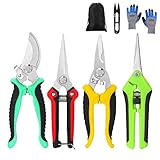
Pruning Shears (hand Pruners)
Pruning shears, also known as hand pruners, are the workhorses of any pruning toolkit. They are ideal for cutting stems and branches up to about ½ inch in diameter. There are two main types of pruning shears: bypass and anvil.
- Bypass pruners: These pruners have blades that bypass each other, like scissors. They make clean, precise cuts and are best for live, green stems.
- Anvil pruners: These pruners have a single blade that cuts against a flat surface (the anvil). They are better for cutting dead or dry wood, but can sometimes crush stems.
Choose high-quality pruning shears made of durable steel, and keep them sharp for the best results. A comfortable grip is also important, especially if you have a lot of pruning to do.
Loppers
Loppers are essentially long-handled pruning shears, designed for cutting thicker branches that are too large for hand pruners. They typically have blades that can cut branches up to 1-2 inches in diameter, depending on the model.
Loppers provide extra leverage, making it easier to cut through thicker wood. They are essential for pruning larger shrubs and trees that are grown in pots. Consider bypass loppers for cleaner cuts.
Pruning Saws
For very thick branches (over 2 inches in diameter), a pruning saw is the tool of choice. These saws have sharp teeth designed to cut through wood efficiently. They come in various sizes and styles, including folding saws and saws with curved blades.
Choose a pruning saw with a comfortable handle and a sharp blade. Be careful when using a pruning saw, and always cut away from yourself to avoid injury. A curved blade can be helpful for reaching into tight spaces.
Gloves
Protect your hands! Pruning can be messy, and some plants have sap or thorns that can irritate your skin. Wear a pair of sturdy gardening gloves to protect your hands from cuts, scratches, and irritants. (See Also: How to Prune Queen of the Night Plant: A Complete Guide)
Choose gloves that fit well and allow for good dexterity. Leather or synthetic gloves are good choices. For thorny plants, consider gloves with reinforced palms and fingers.
Rubbing Alcohol
Sanitizing your pruning tools is crucial to prevent the spread of diseases from one plant to another. Keep a bottle of rubbing alcohol (isopropyl alcohol) on hand to clean your tools before and after each pruning session.
Wipe the blades of your pruning shears, loppers, and saw with rubbing alcohol to kill any bacteria or fungi that may be present. This is especially important if you are pruning a plant that is showing signs of disease.
Other Useful Tools
- Plant Labels: Use plant labels to keep track of when and what you pruned.
- First Aid Kit: Accidents happen. Keep a first aid kit handy just in case.
- Trash Bags: For disposing of the pruned material.
How to Trim Different Types of Pot Plants
The best pruning techniques vary depending on the type of plant you are working with. Here’s a guide to trimming some common types of pot plants, including details on timing and techniques.
Flowering Plants
Flowering plants often benefit from regular pruning to encourage more blooms. The timing of pruning depends on the plant’s flowering cycle. Generally, prune flowering plants after they have finished blooming.
- Deadheading: Remove spent flowers to encourage new blooms. Snip the flower stem just below the flower head.
- Thinning: Remove crowded stems to improve air circulation and allow more light to reach the plant.
- Shaping: Prune to maintain the desired shape and size of the plant.
Examples: Roses, Petunias, Geraniums
Foliage Plants
Foliage plants are grown primarily for their attractive leaves. Pruning these plants focuses on maintaining their shape, removing dead or damaged leaves, and encouraging new growth.
- Remove Dead or Damaged Leaves: Snip off any yellowing, browning, or damaged leaves at the base of the leaf stem.
- Pinching: Pinch off the growing tips of stems to encourage bushier growth.
- Shaping: Prune to maintain the desired shape and size.
Examples: Ferns, Spider Plants, Snake Plants
Fruit-Bearing Plants
Pruning fruit-bearing plants is essential for maximizing fruit production. The timing and techniques depend on the type of fruit tree. Generally, prune fruit trees during their dormant season (late winter or early spring).
- Thinning: Remove crowded branches to improve air circulation and sunlight penetration.
- Shaping: Prune to create an open canopy that allows light to reach all parts of the tree.
- Removing Suckers: Remove suckers (new growth from the base of the plant) to prevent them from sapping the plant’s energy.
Examples: Dwarf Citrus Trees, Dwarf Apple Trees, Dwarf Fig Trees
Herbs
Pruning herbs encourages bushier growth and more flavorful leaves. Regular harvesting also acts as a form of pruning.
- Harvesting: Regularly harvest leaves and stems to encourage new growth.
- Pinching: Pinch off the growing tips of stems to encourage bushier growth.
- Deadheading: Remove flower buds to redirect energy into leaf production.
Examples: Basil, Mint, Rosemary
Succulents and Cacti
Succulents and cacti require minimal pruning. However, you may need to remove dead or damaged parts and control their size.
- Remove Dead or Damaged Parts: Use sharp pruners to remove any dead or damaged leaves or stems.
- Propagation: Some succulents can be propagated from cuttings.
- Control Size: Prune to maintain the desired size and shape.
Examples: Aloe Vera, Echeveria, Barrel Cactus
Step-by-Step Guide: How to Trim a Pot Plant
Now that you have the right tools and understand the basic principles, let’s walk through the steps of how to trim a pot plant. Remember to adapt these steps to the specific needs of your plant type.
1. Assess Your Plant
Before you start pruning, take a good look at your plant. Identify any dead, damaged, or diseased branches or leaves. Observe the overall shape and growth pattern of the plant. Determine what you want to achieve with your pruning session.
Make a mental plan of the cuts you will make. Consider the plant’s overall health and the desired shape. This initial assessment helps you plan the best course of action.
2. Gather Your Tools and Materials
Make sure you have all the necessary tools and materials within easy reach. This includes your pruning shears, loppers, pruning saw (if needed), gloves, rubbing alcohol, and a trash bag for disposing of the pruned material.
Having everything prepared beforehand will make the pruning process smoother and more efficient. Clean your tools with rubbing alcohol to sterilize them before you begin. (See Also: Expert Guide: How to Wrap a Plant for Moving & Gifting)
3. Remove Dead, Damaged, and Diseased Growth
This is the first and most important step. Remove any dead, damaged, or diseased branches and leaves. This helps to prevent the spread of problems and improves the plant’s overall health.
Make clean cuts just above a healthy leaf node or branch. If a branch is completely dead, cut it back to its point of origin. Dispose of the pruned material immediately to prevent the spread of any potential diseases.
4. Thin Out Crowded Areas
If your plant has crowded foliage, thin out the dense areas to improve air circulation and allow more light to reach the inner parts of the plant. This is particularly important for plants that are prone to fungal diseases.
Selectively remove branches, focusing on those that are crossing over or rubbing against other branches. Make your cuts just above a healthy leaf node or branch.
5. Shape the Plant
Use pruning to shape the plant to your desired form. This may involve shortening branches, removing unwanted growth, and guiding the plant’s growth in a specific direction.
Consider the natural growth habit of the plant and the space available. Make your cuts just above a leaf node or branch, or at a 45-degree angle to promote healing and water runoff.
6. Make Clean Cuts
Always make clean cuts when pruning. Clean cuts heal more quickly and are less likely to become infected. Use sharp tools to ensure a clean cut.
Avoid making ragged or torn cuts, as these can make the plant more susceptible to disease and pests. If you are unsure about a cut, it’s better to err on the side of caution and cut less rather than more. Proper technique is key.
7. Sanitize Your Tools
After you have finished pruning, thoroughly sanitize your pruning tools again with rubbing alcohol. This helps to prevent the spread of any potential diseases from your plant to other plants in your garden.
Cleaning your tools after each use is a good gardening practice. This also helps to keep your tools in good condition and extends their lifespan. Regular maintenance ensures tools are ready for the next pruning session.
8. Water and Fertilize (if Needed)
After pruning, water your plant thoroughly. This will help to rehydrate the plant and promote new growth. You can also fertilize your plant, following the instructions on the fertilizer package, to provide it with the nutrients it needs to recover and thrive.
Avoid overwatering, as this can lead to root rot. Consider the specific needs of your plant regarding watering and fertilization. Provide appropriate care after pruning to support its recovery.
Common Pruning Mistakes to Avoid
Even experienced gardeners can make mistakes when pruning. Being aware of these common pitfalls can help you avoid them and ensure your plants thrive.
Pruning at the Wrong Time
Pruning at the wrong time of year can weaken a plant or even prevent it from flowering or fruiting. Research the specific needs of your plant and prune it at the appropriate time. For example, some plants should be pruned in the spring, while others are best pruned in the fall or winter.
Incorrect timing can negatively impact the plant’s growth cycle. Understanding the optimal timing is crucial for achieving the desired results. Avoid pruning during periods of active growth for certain plants.
Over-Pruning
Over-pruning, or removing too much foliage at once, can stress the plant and weaken it. It can also reduce the plant’s ability to produce food through photosynthesis. Only remove what is necessary and avoid excessive pruning.
A good rule of thumb is to never remove more than one-third of the plant’s foliage at a time. Over-pruning can also make the plant more susceptible to pests and diseases.
Using Dull Tools
Dull pruning tools can tear and damage plant tissue, making the plant more susceptible to disease and pests. Always use sharp, clean tools to make clean cuts. Sharpen your tools regularly, and sanitize them before and after use.
Dull tools result in ragged cuts that are difficult for the plant to heal. This can lead to increased stress and potential infection. Proper tool maintenance is important. (See Also: How to Plant Blueberries in the Ground: A Complete Guide)
Ignoring Plant-Specific Needs
Different plants have different pruning needs. Research the specific requirements of your plant before you start pruning. Some plants require more frequent pruning than others, and some require specific pruning techniques.
Failing to consider your plant’s specific needs can lead to poor results or even damage. Understanding your plant’s unique characteristics is key to successful pruning. Tailor your techniques to the plant’s type.
Troubleshooting Pruning Problems
Even with the best intentions, problems can arise during or after pruning. Here’s how to address some common issues.
Plant Isn’t Growing After Pruning
If your plant isn’t growing after pruning, it could be due to several factors. Ensure that you pruned at the correct time of year and that you haven’t over-pruned. Check for any signs of disease or pests.
Make sure your plant is getting enough sunlight, water, and nutrients. If the problem persists, consider consulting with a local gardening expert.
Plant Is Developing Brown Spots
Brown spots on leaves can indicate a variety of problems, including fungal diseases, pest infestations, or sunburn. If you notice brown spots, examine your plant closely to determine the cause.
Remove any affected leaves and treat the plant with an appropriate fungicide or insecticide if necessary. Ensure the plant is getting adequate sunlight and not being overwatered.
Plant Is Wilting After Pruning
Wilting after pruning can be a sign of stress. Make sure you haven’t over-pruned or damaged the roots during the pruning process. Water your plant thoroughly and provide it with adequate sunlight.
If the wilting persists, it could be a sign of a more serious problem, such as root rot. Consider checking the roots and repotting the plant if necessary.
Advanced Pruning Techniques
Once you’ve mastered the basics, you can explore more advanced pruning techniques to further enhance your plant care skills.
Coppicing
Coppicing is a technique that involves cutting a plant back to the base to encourage vigorous new growth. This is often used for shrubs and trees that are grown for their foliage or stems.
Coppicing can rejuvenate older plants and create a more compact, bushy form. It’s best done during the dormant season. The plant will often respond with a burst of new shoots.
Espalier
Espalier is a technique that involves training a plant to grow in a flat plane, such as against a wall or fence. This is often used for fruit trees and ornamental plants.
Espalier requires patience and regular pruning to maintain the desired shape. It’s a great way to save space and add visual interest to your garden. This technique can be used to create stunning, artistic displays.
Pollarding
Pollarding is a pruning technique that involves removing the upper branches of a tree to encourage a dense head of foliage. This is often used for street trees and ornamental trees.
Pollarding requires regular maintenance to prevent the tree from becoming too large. It’s a useful technique for controlling the size and shape of trees. It also promotes a dense, attractive canopy.
Conclusion: Embrace the Art of Pruning
pruning Your Pot Plants Is a Rewarding Skill That Can Transform Your Greenery Into Thriving, Beautiful Specimens. By Understanding the ‘how to Trim a Pot Plant’ Techniques, Benefits, and Tools, You’re Well on Your Way to Becoming a Confident Plant Parent. Remember to Observe Your Plants, Tailor Your Approach to Their Specific Needs, and Enjoy the Process. Happy Pruning, and Watch Your Plants Flourish!
Recommended Products