Are you a proud owner of a vibrant corn plant, also known as a Dracaena fragrans, and wondering how to keep it looking its best? These tropical beauties are a popular choice for homes and offices, adding a touch of elegance and a breath of fresh air. However, to maintain their lush, upright form and ensure healthy growth, regular trimming and proper care are crucial. This guide provides comprehensive information on how to trim a corn plant and the best practices for its care.
Understanding the needs of your corn plant is the first step toward a thriving specimen. From light and water requirements to the importance of fertilization and pest control, we’ll delve into all the essential aspects. This will allow you to learn how to trim a corn plant, and also ensure it continues to be a stunning focal point in your indoor space. This guide covers everything you need to know, from the tools you’ll need to the best trimming techniques.
Get ready to transform your corn plant into a healthy, eye-catching feature. We’ll explore the ‘hows’ and ‘whys’ of trimming, providing you with the knowledge and confidence to care for your plant like a seasoned pro. Let’s dive in and unlock the secrets to a beautiful and flourishing corn plant!
Understanding Your Corn Plant
Before you learn how to trim a corn plant, it is important to understand its background. The Dracaena fragrans, commonly called the corn plant due to its resemblance to corn stalks, originates from tropical Africa. In its natural habitat, it can grow into a large tree. As a houseplant, it typically reaches a height of 4 to 6 feet, making it a manageable and visually appealing addition to indoor spaces.
Corn plants are known for their tolerance and adaptability. They can thrive in a variety of conditions, making them relatively easy to care for. They are effective at purifying air, removing common pollutants. Understanding its needs is key to its health.
Identifying a Healthy Corn Plant
A healthy corn plant displays several key characteristics. Its leaves should be a vibrant green, often with lighter green or yellow stripes or margins depending on the variety. The leaves should be firm and upright, without any signs of wilting or discoloration. New growth should be consistently emerging from the top of the plant or from the nodes along the stem.
Observe the plant for any signs of stress. This includes yellowing or browning leaves, which can indicate issues like overwatering, underwatering, or insufficient light. Pests are another common problem. A healthy plant will show no signs of infestation.
Common Problems and Their Causes
Several issues can affect the health of your corn plant. Yellowing leaves are often a sign of overwatering or underwatering, or potentially a lack of nutrients. Brown leaf tips can be caused by low humidity, dry air, or the accumulation of mineral salts from tap water. Pests, such as spider mites and mealybugs, can also be problematic.
Addressing these problems requires careful observation and adjustments to your plant care routine. Proper watering, sufficient light, and appropriate humidity levels are essential for preventing common issues. Regular inspection for pests and prompt treatment will protect your plant’s health.
Tools and Materials for Trimming
Before you learn how to trim a corn plant, you need the right tools. Having the right tools and materials will ensure a clean and effective trimming process, minimizing the risk of damage to your plant and promoting healthy regrowth. Using the right tools will also make the process easier and more enjoyable.
Essential Tools
Here’s a list of essential tools you’ll need: (See Also: Planting Green Peppers: How Deep to Plant & Maximize Yield)
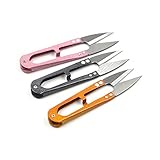
- Sharp Pruning Shears or Scissors: These are crucial for making clean cuts. Opt for bypass pruners, which have a curved blade that cuts cleanly, rather than anvil pruners, which can crush stems.
- Rubbing Alcohol: This is used to sterilize your pruning tools before and after use. This prevents the spread of diseases from one plant to another.
- Gloves: Optional, but recommended to protect your hands, especially if you have sensitive skin.
- Clean Cloth or Paper Towels: For wiping down tools and cleaning up any sap or debris.
Optional Materials
While the above tools are essential, there are a few optional materials that can be helpful:
- Pruning Sealant: This can be applied to larger cuts to prevent moisture loss and protect against disease.
- Watering Can: For watering the plant after trimming.
- Fertilizer: To encourage new growth after trimming.
Step-by-Step Guide: How to Trim a Corn Plant
Now that you have your tools ready, it’s time to learn how to trim a corn plant. Trimming your corn plant is not only about aesthetics; it’s also about promoting healthy growth and maintaining its shape. Proper trimming encourages the plant to produce new leaves and stems, leading to a fuller, more vibrant appearance. Here’s a detailed step-by-step guide to help you trim your corn plant effectively.
Preparing for Trimming
Before you begin trimming, take a moment to assess your corn plant. Identify any dead, damaged, or overgrown stems or leaves. Also, decide on the shape you want to achieve. This will help you make informed cuts and ensure the plant looks its best.
Sterilize your pruning shears or scissors with rubbing alcohol. This step is crucial to prevent the spread of diseases. Wipe the blades thoroughly to remove any residue or potential pathogens. Place a clean cloth or paper towel nearby to wipe up any sap or debris.
Trimming Techniques
Here’s how to trim:
- Removing Dead or Damaged Leaves: Start by removing any yellowing, browning, or dried leaves. Use your pruning shears or scissors to cut the leaf at the base, as close to the stem as possible. Removing these leaves improves the plant’s appearance and prevents the spread of any potential diseases.
- Cutting Back Stems: If your corn plant has grown too tall or has leggy stems, you can cut them back to promote bushier growth. Determine the desired height and cut the stem at a node (where leaves emerge). Make a clean cut just above the node.
- Shaping the Plant: To shape your plant, consider the overall form you want to achieve. You can selectively trim stems to create a more balanced and aesthetically pleasing shape. Remove any stems that are growing out of proportion or crossing each other.
- Encouraging Branching: To encourage the plant to branch out, you can make a cut lower on the stem. This will stimulate new growth from the cut point. For older plants, you can cut the main stem back by several inches to promote new shoots.
- Dealing with Brown Tips: Brown tips on leaves are often a sign of low humidity or mineral buildup. You can trim off the brown tips, but avoid cutting into the healthy green part of the leaf. This will improve the appearance of the leaves without harming the plant.
Post-Trimming Care
After trimming your corn plant, it’s essential to provide proper care to support its recovery and encourage new growth. This involves appropriate watering, light, and fertilization. This helps the plant heal and thrive.
- Watering: Water your corn plant thoroughly after trimming, ensuring the soil is evenly moist. Avoid overwatering, which can lead to root rot. Allow the top inch of soil to dry out before watering again.
- Light: Place your corn plant in a location where it receives bright, indirect light. Avoid direct sunlight, which can scorch the leaves. Proper light is essential for photosynthesis and overall health.
- Fertilizing: Feed your corn plant with a balanced liquid fertilizer during the growing season (spring and summer). Follow the instructions on the fertilizer package for the correct dosage. Fertilizing provides the nutrients needed for healthy growth.
- Humidity: Corn plants benefit from moderate to high humidity. You can increase humidity by misting the leaves regularly, using a humidifier, or placing the plant on a pebble tray filled with water.
Addressing Common Trimming Concerns
Even after learning how to trim a corn plant, you might have some concerns. Trimming corn plants is generally straightforward. Here are some common concerns and their solutions.
What If I Cut Too Much?
Don’t worry! Corn plants are resilient. Even if you cut back more than you intended, the plant will usually recover. Be patient and continue to provide proper care. New growth will likely emerge from the cut stems, creating a bushier appearance.
If you have concerns, consider contacting a local plant expert for advice. They can provide personalized guidance based on your plant’s specific needs.
How Often Should I Trim My Corn Plant?
The frequency of trimming depends on your plant’s growth rate and your aesthetic preferences. Generally, trim your corn plant once or twice a year to remove dead leaves or shape the plant. If your plant is growing rapidly, you may need to trim it more often. Regular trimming maintains the plant’s health and appearance. (See Also: How to Remove Weeds and Plant Grass: A Step-by-Step Guide)
Observe your plant regularly for any signs of dead or damaged leaves. Promptly removing these leaves will keep the plant looking its best.
Can I Propagate Corn Plants From Cuttings?
Yes, you can propagate corn plants from cuttings. Take stem cuttings of about 4-6 inches in length. Remove the lower leaves and place the cutting in a glass of water or directly into potting soil. Ensure the water or soil remains moist. Roots will typically develop within a few weeks.
Once the roots are established, you can plant the cutting in a pot with well-draining soil. Provide proper care, including adequate light and water, to help the new plant thrive. Propagating from cuttings is a great way to expand your collection or share plants with friends.
Troubleshooting Common Trimming Issues
Even with the best techniques, you might encounter some issues. Here’s a guide to troubleshooting common problems and ensuring your corn plant thrives.
Dealing with Sap
Corn plants produce a sap that can be sticky and irritating. If sap gets on your skin, wash it off with soap and water. When trimming, wear gloves to protect your hands. Wipe up any sap spills immediately with a damp cloth.
Ensure you have a clean workspace. This helps prevent sap from spreading. A clean workspace also contributes to the overall hygiene of your plant-care routine.
Addressing Uneven Growth
If your corn plant is growing unevenly, rotate the pot regularly to ensure all sides receive adequate light. Prune stems that are growing too long or lopsided to balance the plant’s shape. Provide the plant with the appropriate light, water, and nutrients.
Regularly assess the plant’s growth pattern. This will help you identify and address any imbalances early on. Consistent care ensures a healthy and balanced plant.
Preventing Disease After Trimming
To prevent disease after trimming, sterilize your pruning tools before and after use. Make clean cuts and avoid tearing the stems. Apply pruning sealant to larger cuts to protect against disease and moisture loss. Monitor the plant for any signs of infection, such as discoloration or wilting.
Maintain good hygiene practices. This includes using clean tools and providing a healthy environment. A healthy plant is less susceptible to diseases. (See Also: Essential Steps on How to Plant a Tree: A Comprehensive Guide)
Advanced Corn Plant Care and Maintenance
Beyond trimming, providing comprehensive care is essential. Here’s how to keep your corn plant thriving:
Watering and Light Requirements
Water your corn plant when the top inch of soil feels dry to the touch. Avoid overwatering, as this can lead to root rot. Provide bright, indirect light. Direct sunlight can scorch the leaves.
Adjust your watering schedule based on the season and environmental conditions. During the growing season, your plant will need more water. In the winter, you can reduce watering frequency.
Fertilizing and Soil Needs
Feed your corn plant with a balanced liquid fertilizer during the growing season (spring and summer). Follow the instructions on the fertilizer package for the correct dosage. Use a well-draining potting mix that retains moisture but allows excess water to drain away.
Repot your corn plant every one to two years, or when it outgrows its current pot. This provides fresh soil and nutrients, promoting healthy growth. Choose a pot with drainage holes to prevent root rot.
Pest and Disease Control
Inspect your corn plant regularly for pests, such as spider mites, mealybugs, and scale. Treat any infestations promptly with insecticidal soap or neem oil. Remove any infected leaves or stems.
Provide proper air circulation around your plant to prevent fungal diseases. Avoid overcrowding plants, as this can increase the risk of disease. Maintain a clean and healthy environment for your plant.
Why Trimming Is Important for Corn Plants
Trimming is crucial for maintaining the health, shape, and overall appearance of your corn plant. Regular trimming promotes new growth, encourages a fuller, more attractive shape, and helps prevent disease. It also allows you to control the size of the plant, making it easier to manage in your home.
Trimming allows you to remove dead or damaged leaves. This prevents the spread of disease and improves the plant’s overall health. It also helps to maintain the plant’s aesthetic appeal, ensuring it remains a beautiful addition to your indoor space.
Conclusion: Maintaining a Thriving Corn Plant
Learning how to trim a corn plant and understanding its care needs is key to keeping it healthy. Regular trimming, proper watering, and adequate light will help your corn plant thrive. Remember to address any issues promptly and provide ongoing care to ensure your plant remains a stunning and healthy feature in your home. With consistent care, your corn plant will flourish for years to come.
Recommended Products