Are you dreaming of a tropical paradise in your backyard, complete with lush banana plants bearing delicious fruit? Proper care is crucial, and that includes knowing how to trim a banana plant. Pruning isn’t just about aesthetics; it’s a vital practice that influences the plant’s health, productivity, and overall lifespan.
This comprehensive guide will walk you through every step of the trimming process, ensuring you understand the ‘how’ and ‘why’ behind each cut. We’ll delve into the best times to trim, the tools you’ll need, and the specific techniques to maximize your banana plant’s fruit production. Get ready to transform your banana patch into a thriving, fruit-bearing haven!
Whether you’re a seasoned gardener or a complete beginner, this article provides the insights and practical advice you need to successfully trim your banana plant. Learn how to trim a banana plant and unlock the secrets to a flourishing, fruit-laden landscape.
Understanding the Importance of Trimming Banana Plants
Trimming a banana plant, also known as pruning, is a fundamental gardening practice that significantly impacts its health and fruit production. It’s not merely about tidying up; it’s a strategic intervention that promotes optimal growth and yields. Understanding the ‘why’ behind pruning is as important as knowing the ‘how’.
Banana plants, *Musa* species, are herbaceous perennials that produce fruit only once from each stem, or pseudostem. After fruiting, the pseudostem dies, but the plant continues to propagate through suckers that emerge from the rhizome (underground stem). Proper pruning helps manage this growth cycle, directing the plant’s energy towards producing high-quality fruit and ensuring the longevity of the entire plant.
Benefits of Trimming
- Increased Fruit Production: Trimming focuses the plant’s energy on developing fruit-bearing pseudostems, leading to larger and more abundant banana bunches.
- Improved Air Circulation: Removing excess foliage enhances air circulation, which reduces the risk of fungal diseases, particularly in humid environments.
- Disease Prevention: Pruning away diseased or damaged leaves and pseudostems prevents the spread of infections, keeping the plant healthy.
- Pest Control: Trimming removes potential hiding places for pests, such as aphids and spider mites, and makes it easier to monitor for infestations.
- Plant Health and Vigor: Proper pruning encourages new growth and strengthens the overall health and vitality of the banana plant.
- Easier Harvesting: Removing excess suckers and leaves makes it easier to access and harvest the fruit.
The Banana Plant’s Growth Cycle and Why Pruning Matters
Understanding the banana plant’s life cycle is key to effective pruning. A new banana plant grows from a sucker. This sucker develops into a pseudostem, which is the main trunk-like structure that supports the leaves. The pseudostem produces leaves and, eventually, a flower stalk that develops into a banana bunch.
After the fruit is harvested, the pseudostem dies. However, the rhizome beneath the soil continues to produce new suckers, ensuring the plant’s survival and propagation. Effective pruning involves managing these suckers, removing the spent pseudostem, and selectively keeping the most vigorous new suckers to replace the fruiting ones.
Essential Tools for Trimming a Banana Plant
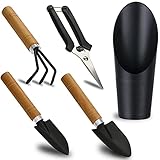
Having the right tools is crucial for safely and effectively trimming your banana plant. Using the correct equipment not only makes the job easier but also minimizes the risk of damaging the plant or injuring yourself. Here’s a list of essential tools you’ll need, along with tips on choosing and using them.
Recommended Tools
- Sharp Knife or Machete: This is the primary tool for cutting through the thick pseudostems and removing large leaves. A machete is often preferred for its leverage and cutting power, but a large, sharp knife can also work.
- Pruning Shears (Hand Pruners): Useful for trimming smaller leaves and suckers, and for making precise cuts. Choose bypass pruners for clean cuts.
- Loppers: Long-handled pruning shears (loppers) are helpful for reaching higher leaves and suckers.
- Gardening Gloves: Protect your hands from sap, thorns (if present), and potential irritants.
- Protective Eyewear: Safety glasses or goggles are essential to protect your eyes from flying debris.
- Ladder (Optional): If your banana plant is tall, a sturdy ladder will be necessary to reach the higher leaves and pseudostems.
- Disinfectant: Rubbing alcohol or a bleach solution (1 part bleach to 9 parts water) to sterilize your tools between cuts, preventing the spread of disease.
Tool Selection and Maintenance
When selecting tools, prioritize sharpness and durability. Dull tools can tear rather than cut, causing damage to the plant and increasing the risk of disease. Look for tools made from high-quality steel that can withstand repeated use.
Regular maintenance is essential to keep your tools in good working order. Sharpen blades regularly using a sharpening stone or file. Clean your tools after each use to remove sap and debris. Disinfect them with rubbing alcohol or a bleach solution to prevent the spread of diseases. Store your tools in a dry place to prevent rust.
Step-by-Step Guide: How to Trim a Banana Plant
Trimming a banana plant involves a series of steps that, when followed correctly, will significantly benefit your plant. This step-by-step guide provides detailed instructions to ensure you prune your banana plant effectively and safely. Remember to always prioritize safety and use sharp, clean tools.
Step 1: Timing Is Key
The best time to trim a banana plant depends on your climate and the plant’s stage of growth. Generally, the ideal time to prune is after the fruit has been harvested, or during the late winter or early spring before the growing season begins. Avoid pruning during the hottest part of the summer, as this can stress the plant.
In warmer climates, you can prune throughout the year, but it’s best to avoid heavy pruning during periods of active fruit development. In cooler climates, it’s particularly important to prune before the growing season to allow the plant to focus its energy on new growth.
Step 2: Preparing Your Tools and Work Area
Before you begin, gather all your tools and inspect them to ensure they are sharp, clean, and in good working order. Sterilize your cutting tools with rubbing alcohol or a bleach solution to prevent the spread of any potential diseases. Wear your gardening gloves and protective eyewear.
Clear the area around the base of the plant to provide easy access. Remove any debris, such as fallen leaves and branches, to create a clean and safe workspace. If the plant is tall, set up your ladder securely.
Step 3: Removing Dead or Damaged Leaves
Start by removing any dead, yellowed, or damaged leaves. These leaves are no longer contributing to the plant’s health and can harbor pests and diseases. Use your pruning shears or loppers to cut the leaves at the base, as close to the pseudostem as possible.
Cut the leaf stems cleanly, avoiding any jagged edges that could attract pests or diseases. If the leaves are very large, you may need to cut them into smaller sections before removing them. Dispose of the removed leaves properly, either by composting them or discarding them. (See Also: Expert Guide: How to Care for a Parsley Plant for Bountiful Harvests)
Step 4: Pruning the Spent Pseudostem
After the banana bunch has been harvested, the pseudostem that produced the fruit will die. This pseudostem should be removed to make way for new growth. Using your machete or sharp knife, cut the pseudostem as close to the ground as possible.
Make a clean, straight cut to prevent water from pooling and potentially causing rot. If the pseudostem is particularly thick, you may need to make several cuts. After removing the pseudostem, you can also chop it into smaller pieces for easier composting or disposal.
Step 5: Managing Suckers
Suckers are the new shoots that emerge from the rhizome around the base of the plant. They are essential for the plant’s propagation, but you need to manage them to optimize fruit production. Leave only a few of the most vigorous suckers to replace the fruiting pseudostem. The ideal number depends on the size and maturity of the plant, but typically 1-3 suckers are sufficient.
Remove the remaining suckers by cutting them at ground level with your pruning shears or a sharp knife. Choose the suckers that are the healthiest and most well-positioned to grow. Removing excess suckers directs the plant’s energy towards the selected suckers, resulting in larger, higher-quality fruit.
Step 6: Cleaning Up and Final Touches
Once you’ve completed the pruning process, take a final look at your plant and remove any remaining debris. This includes any small leaves, suckers, or pieces of the pseudostem that may have been left behind. This will help to keep the area clean and prevent pests and diseases.
After pruning, water the plant deeply, especially if the weather is dry. Mulch around the base of the plant to help retain moisture and suppress weed growth. Monitor your plant regularly for any signs of pests or diseases, and take appropriate action if necessary.
Common Pruning Mistakes to Avoid
Even experienced gardeners can make mistakes when trimming banana plants. Avoiding these common pitfalls will help ensure your plant thrives and produces a bountiful harvest. Here are some of the most frequent errors and how to avoid them.
Pruning Too Aggressively
One of the most common mistakes is pruning too much at once. Removing too many leaves or suckers can stress the plant and reduce its ability to produce fruit. Always err on the side of caution and remove only what is necessary.
Instead of removing all the suckers at once, leave a few of the most vigorous ones to replace the fruiting pseudostem. Avoid removing more than a third of the plant’s leaves at a time. Gradual pruning is always best.
Using Dull or Dirty Tools
Using dull tools or tools that are not properly cleaned and sterilized can cause significant problems. Dull tools tear rather than cut, creating ragged edges that are more susceptible to disease and pests. Dirty tools can spread diseases from one plant to another.
Always ensure your tools are sharp and clean before you begin pruning. Sharpen your blades regularly and disinfect them with rubbing alcohol or a bleach solution after each use. This will help to prevent the spread of diseases and ensure clean cuts.
Pruning at the Wrong Time
Pruning at the wrong time of year can also negatively impact your banana plant. Pruning during the hottest part of the summer can stress the plant. Pruning during the active fruit development stage can reduce fruit yield.
The best time to prune is generally after the fruit has been harvested or in late winter/early spring, before the growing season begins. Avoid heavy pruning during periods of active fruit development. Adjust your pruning schedule to suit your specific climate.
Ignoring Suckers
Failing to manage suckers is another common mistake. If you allow too many suckers to grow, the plant’s energy will be diverted away from fruit production. This will result in smaller banana bunches and a less productive plant.
Regularly remove all but a few of the most vigorous suckers. This will help to focus the plant’s energy on fruit production. Choose the suckers that are the healthiest and most well-positioned to grow. Remove the excess suckers at ground level with a sharp knife or pruning shears.
Troubleshooting Common Pruning Issues
Even with careful planning and execution, you may encounter some challenges while trimming your banana plant. Here’s how to address some common pruning problems. (See Also: Christmas Cactus Watering Guide: How Often Should You Water?)
Dealing with Disease
If you notice any signs of disease, such as leaf spots, yellowing, or wilting, take immediate action. Remove any affected leaves or pseudostems as soon as possible. Sterilize your pruning tools before and after each cut to prevent the spread of the disease.
Consider using a fungicide to treat the plant, following the manufacturer’s instructions carefully. Improve air circulation around the plant by pruning away excess foliage. Preventative measures, such as proper watering and fertilization, can help to reduce the risk of disease.
Addressing Pest Infestations
Pests, such as aphids, spider mites, and banana weevils, can be a problem for banana plants. Inspect your plant regularly for any signs of infestation. Remove any infested leaves or pseudostems immediately.
Use insecticidal soap or horticultural oil to control pests, following the manufacturer’s instructions. Remove any hiding places for pests by pruning away excess foliage. Introduce beneficial insects, such as ladybugs, to help control pest populations.
Handling Overgrowth
If your banana plant is becoming overgrown, prune it back gradually. Avoid removing too much foliage at once. Remove the oldest and most mature pseudostems first. Thin out the suckers to prevent overcrowding.
Consider the size of your plant and the space available. If necessary, you can transplant some of the suckers to other locations. Regular pruning will help to keep your plant under control and prevent it from becoming too large.
Advanced Pruning Techniques for Maximizing Yield
Once you’ve mastered the basics of trimming a banana plant, you can explore more advanced techniques to maximize your fruit yield. These strategies can help you to fine-tune your pruning practices and encourage even greater productivity from your plants.
Selective Sucker Management
Beyond simply removing excess suckers, you can strategically manage the suckers to optimize fruit production. Select suckers of different ages to create a staggered harvest. This will ensure a continuous supply of bananas throughout the growing season.
Choose the suckers that are the most vigorous and well-positioned to receive sunlight. Avoid overcrowding by leaving only a few suckers per plant. As the suckers grow, you can remove any that are not performing well or are competing for resources.
De-Leafing for Enhanced Sunlight Exposure
Carefully de-leafing your banana plant can improve sunlight exposure to the developing fruit. Remove any leaves that are blocking sunlight from reaching the banana bunch. Be cautious not to remove too many leaves, as this can stress the plant.
Remove the oldest, lowest leaves first. These leaves are often the least productive and are more likely to be affected by disease. Make clean cuts at the base of the leaf stems. Monitor your plant for any signs of stress after de-leafing.
Fertilization and Pruning Synergy
Proper fertilization and pruning go hand in hand. After pruning, fertilize your banana plant to provide it with the nutrients it needs to recover and produce new growth. Use a balanced fertilizer that is specifically formulated for banana plants.
Follow the manufacturer’s instructions carefully. Water the plant deeply after fertilizing. Regular fertilization, combined with proper pruning, will help to promote vigorous growth and abundant fruit production.
Frequently Asked Questions About Trimming Banana Plants
Here are some of the most common questions about trimming banana plants, along with detailed answers to provide you with the information you need.
Q: When is the best time to trim a banana plant?
A: The best time to trim is generally after the fruit has been harvested, or in late winter/early spring before the growing season begins. Avoid heavy pruning during periods of active fruit development or the hottest part of summer. (See Also: Unlocking Prayer Plant Beauty: How Do You Care for a Prayer Plant?)
Q: What tools do I need to trim a banana plant?
A: You’ll need a sharp knife or machete for cutting pseudostems, pruning shears for leaves and suckers, and potentially loppers for higher reaches. Always use gardening gloves and protective eyewear.
Q: How do I remove suckers?
A: Use pruning shears or a sharp knife to cut the suckers at ground level, leaving only a few of the most vigorous ones to replace the fruiting pseudostem. Select the healthiest, well-positioned suckers.
Q: How much of the plant can I trim at once?
A: Avoid removing more than a third of the plant’s leaves at a time. Prune gradually, and always err on the side of caution to avoid stressing the plant.
Q: What should I do with the pruned leaves and pseudostems?
A: You can compost the pruned leaves and pseudostems. Chop larger pieces into smaller sections for easier composting or disposal.
Q: How often should I trim my banana plant?
A: Trim your banana plant annually, or more frequently if needed. Remove dead leaves and manage suckers regularly. Adjust the pruning schedule based on your climate and plant’s growth.
Q: Can I propagate banana plants from suckers?
A: Yes, suckers can be transplanted to start new banana plants. Carefully dig up the sucker, making sure to include some of the rhizome and roots. Replant the sucker in a suitable location, and water it well.
Conclusion: Cultivating a Thriving Banana Patch
Learning how to trim a banana plant is a key skill for any gardener aiming for a bountiful harvest. By following the guidelines in this article, you can master the art of pruning. From understanding the optimal timing to choosing the right tools and mastering the techniques, this guide has provided you with the knowledge needed to nurture thriving banana plants.
Remember that consistent care, including proper pruning, is essential for maximizing fruit production and ensuring the long-term health of your plants. Embrace these practices, and you’ll be well on your way to enjoying delicious, home-grown bananas for years to come. Happy gardening!
Recommended Products