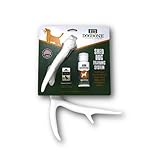
So, you’re fascinated by the idea of your dog sniffing out antlers, huh? Shed hunting is a fantastic activity that combines the thrill of the outdoors with the joy of watching your canine companion do what they do best: use their nose. You might be wondering, how to train a dog to shed hunt? It’s a journey, not a sprint, but the rewards are well worth the effort. In this guide, we’ll break down everything you need to know, from selecting the right dog to mastering advanced techniques.
We will cover the basics, the gear you’ll need, and the step-by-step process of training your dog to become a shed hunting superstar. Plus, we’ll address common challenges and give you tips to keep the training fun and effective. Get ready to embark on an exciting adventure with your furry friend!
Choosing the Right Dog for Shed Hunting
Not all dogs are created equal when it comes to shed hunting. While any dog can learn the basics, certain breeds possess traits that make them naturally suited for the task. Consider these factors when choosing a dog or evaluating your current canine companion:
Breed Considerations
Some breeds excel in shed hunting due to their keen sense of smell, stamina, and trainability. Here are a few top contenders:
- Labrador Retrievers: Known for their intelligence, trainability, and powerful noses. Labs are enthusiastic and eager to please, making them ideal for beginners.
- German Shorthaired Pointers: These dogs are bred for hunting and have a strong drive to retrieve. Their high energy levels and sharp senses make them excellent shed hunters.
- Beagles: Their exceptional scent-tracking abilities and persistence make them formidable shed hunters, though their independent streak can pose a training challenge.
- Bloodhounds: Famous for their incredible noses, Bloodhounds can track scents over long distances. They are highly specialized and require experienced handlers.
- English Springer Spaniels: These dogs have a good sense of smell and a natural love for retrieving. They are also energetic and eager to work.
Temperament and Training
Regardless of breed, your dog’s temperament plays a crucial role. Look for a dog that is:
- Eager to please: This trait makes training much easier.
- Energetic and enthusiastic: Shed hunting involves covering ground, so stamina is essential.
- Focused and attentive: The ability to concentrate on a task is crucial for scent work.
- Not easily distracted: A dog that can ignore distractions will be more successful.
Training from a young age is beneficial. Puppies are like sponges, soaking up information quickly. Socialization is also important. Expose your dog to different environments, people, and other animals to build their confidence and reduce distractions during shed hunting.
Essential Gear for Shed Hunting with Your Dog
Before you start training, gather the necessary equipment. Having the right gear will make the process smoother and safer for both you and your dog.
Training Aids
- Shed Antlers: Start with small, easily accessible shed antlers. As your dog progresses, you can introduce larger and more challenging antlers.
- Training Treats: High-value treats are essential for positive reinforcement. Choose treats your dog loves and that are easy to carry.
- Clicker (Optional): A clicker can be a useful tool for marking desired behaviors.
- Dummy Antlers (Optional): These can be useful to introduce the concept of retrieving sheds to your dog.
Safety Gear
- Dog Collar or Harness: A comfortable and secure collar or harness is essential for attaching a leash.
- Leash: A long leash (15-30 feet) allows your dog to explore a wider area while still under your control.
- Whistle (Optional): A whistle can be used to signal your dog, especially at longer distances.
- First-Aid Kit: Carry a basic first-aid kit for dogs in case of minor injuries.
Personal Gear
- Appropriate Clothing: Dress for the weather and terrain. Wear sturdy boots and clothing that can withstand brush and thorns.
- Water and Snacks: Stay hydrated and energized during your training sessions.
- GPS Tracking Device (Optional): If you’re hunting in large areas, a GPS tracker can help you locate your dog.
The Step-by-Step Guide to Training Your Dog
Training a dog to shed hunt requires patience, consistency, and positive reinforcement. Here’s a step-by-step guide to get you started:
Step 1: Introduction to the Scent
The first step is to introduce your dog to the scent of the antler. This involves making the scent desirable and associating it with positive experiences. (See Also: How to Waterproof a Metal Shed: A Step-by-Step Guide for Ultimate Protection)
- Choose an antler: Start with a small, easily manageable antler.
- Familiarization: Let your dog sniff the antler. Praise and reward them for showing interest.
- Positive association: Place the antler near your dog’s food bowl during mealtimes. This associates the scent with something positive.
- Play with the antler: Gently toss the antler a short distance and encourage your dog to retrieve it. Praise and reward them when they pick it up and bring it back.
Step 2: The ‘find It’ Command
Teaching your dog the ‘find it’ command is crucial for shed hunting. This command tells them to search for a specific scent.
- Start indoors: Place the antler in a visible location indoors.
- Command and reward: Say ‘find it’ and encourage your dog to locate the antler. When they find it, praise and reward them enthusiastically.
- Gradually increase difficulty: Hide the antler in more challenging locations, such as behind objects or under furniture.
- Introduce distractions: Gradually introduce distractions, such as other toys or smells, to test your dog’s focus.
Step 3: Expanding the Search Area
Once your dog understands the ‘find it’ command indoors, it’s time to move outdoors and increase the search area.
- Start in a controlled environment: Begin in a familiar, enclosed area, such as your backyard.
- Hide the antler: Hide the antler in a visible location and give the ‘find it’ command.
- Gradually increase the distance: Slowly increase the distance between your dog and the antler.
- Introduce different terrains: Practice on various surfaces, such as grass, dirt, and leaves.
Step 4: Adding Scent Trails
Once your dog is comfortable with finding hidden antlers, you can introduce scent trails to simulate real-world shed hunting conditions.
- Drag the antler: Drag the antler along the ground to create a scent trail.
- Start short and simple: Begin with short, straight trails.
- Give the ‘find it’ command: Release your dog and encourage them to follow the scent trail.
- Reward success: When your dog finds the antler, praise and reward them.
- Gradually increase difficulty: Lengthen the trails, add turns, and incorporate obstacles.
Step 5: Training in Natural Environments
Now it’s time to transition to natural environments, such as forests or fields, where you’ll be shed hunting. This is where your dog’s skills will be put to the test.
- Choose a safe location: Select an area that is free from hazards and has a moderate amount of cover.
- Start with familiar scents: Place the antler in an area where deer are known to frequent.
- Use the leash: Keep your dog on a leash, especially in unfamiliar areas, to maintain control.
- Observe your dog’s behavior: Watch for signs of interest, such as sniffing the ground and wagging their tail.
- Provide guidance: If your dog struggles, provide gentle guidance and encouragement.
- Praise and reward: When your dog finds a shed, praise and reward them enthusiastically.
Advanced Shed Hunting Techniques
Once your dog has mastered the basics, you can introduce advanced techniques to improve their shed hunting skills.
Wind Direction and Scent Cones
Understanding wind direction is crucial for shed hunting. The wind carries scent, and your dog can use this information to locate antlers.
- Learn to read the wind: Observe the movement of leaves, smoke, or flags to determine wind direction.
- Position yourself: Position yourself and your dog upwind of the suspected shed location.
- Use scent cones: The scent of the antler forms a cone that spreads downwind. Your dog can follow this cone to locate the shed.
Handling Challenges
Shed hunting presents challenges, such as distractions, difficult terrain, and competition from other dogs or wildlife. Here’s how to handle them:
- Distractions: Train your dog to ignore distractions by gradually introducing them during training sessions.
- Difficult terrain: Practice in various terrains to improve your dog’s ability to navigate challenging conditions.
- Competition: If hunting with other dogs, establish clear boundaries and commands to prevent competition.
- Wildlife: Be aware of wildlife in the area and take precautions to avoid encounters. Keep your dog under control and consider using a GPS tracker.
Shed Hunting Etiquette
Shed hunting involves respecting the land, wildlife, and other hunters. Here are some essential etiquette tips: (See Also: How to Anchor a Storage Shed to the Ground: Secure Your Shed Like a Pro)
- Obtain permission: Always obtain permission from landowners before shed hunting on private property.
- Respect wildlife: Avoid disturbing deer during the shedding season.
- Leave no trace: Pack out everything you pack in.
- Be considerate of others: Share the area with other hunters and respect their space.
- Follow local regulations: Be aware of and abide by all local laws and regulations.
Troubleshooting Common Shed Hunting Problems
Even with the best training, you might encounter some challenges. Here are some common problems and how to address them:
Lack of Enthusiasm
If your dog lacks enthusiasm, try these solutions:
- Use high-value treats: Switch to a treat your dog loves.
- Keep training sessions short and fun: Avoid overtraining.
- Vary the training environment: Introduce new locations to keep things interesting.
- Increase the challenge gradually: Don’t overwhelm your dog.
Difficulty Following Scent Trails
If your dog struggles with scent trails:
- Start with fresh trails: Ensure the scent is strong and recent.
- Use different scenting methods: Try dragging the antler, hiding it, and letting your dog sniff your hand after handling it.
- Practice on varied surfaces: Train on different surfaces to improve scent-tracking skills.
- Consider breed-specific instincts: Some breeds are better at tracking specific types of scents.
Distractions
If your dog is easily distracted:
- Start in a controlled environment: Train in a quiet area with minimal distractions.
- Gradually introduce distractions: Slowly introduce distractions during training sessions.
- Use the ‘leave it’ command: Teach your dog to ignore distractions.
- Reward focus: Praise and reward your dog when they maintain focus.
Keeping Training Fun and Engaging
Shed hunting should be a fun and rewarding experience for both you and your dog. Here are some tips to keep training engaging:
- Keep it positive: Use positive reinforcement and avoid punishment.
- Vary the training: Introduce new challenges and environments.
- Make it a game: Frame training as a game to keep your dog motivated.
- Celebrate successes: Reward your dog for their accomplishments.
- End on a high note: Finish each training session with a positive experience.
Frequently Asked Questions About Shed Hunting
Here are some of the most common questions people ask about shed hunting:
When Is the Best Time to Start Shed Hunting?
The best time to start shed hunting is typically in the late winter or early spring, after deer have shed their antlers. The exact timing depends on the location and the deer population.
How Long Does It Take to Train a Dog to Shed Hunt?
The time it takes to train a dog to shed hunt varies depending on the dog’s breed, temperament, and the consistency of training. Some dogs learn the basics in a few weeks, while others may take several months. (See Also: How to Weatherproof a Shed: A Complete Guide to Protection)
What If My Dog Isn’t Interested in Antlers?
If your dog isn’t interested in antlers, try using high-value treats, making the training a game, and gradually introducing the scent. Experiment with different training methods to find what works best for your dog.
Can I Shed Hunt with a Puppy?
You can start introducing your puppy to the scent of antlers and basic training exercises. However, avoid strenuous activities until they are fully grown. Shed hunting is best suited for adult dogs.
Are There Any Dangers Associated with Shed Hunting?
Yes, there are potential dangers, such as encountering wildlife, getting lost, or encountering hazardous terrain. Always prioritize safety and be prepared for potential risks.
What Is the Legal Aspect of Shed Hunting?
The legality of shed hunting varies by location. Check local laws and regulations before shed hunting in any area. Many states have seasons and restrictions. Make sure you are aware of the rules.
Can I Use a Shock Collar for Shed Hunting?
While shock collars can be used for training, their use is a controversial topic. Most trainers and experts recommend avoiding shock collars and using positive reinforcement methods instead. Always prioritize your dog’s well-being.
Shed Hunting: A Year-Round Pursuit
Shed hunting isn’t just a seasonal activity; it’s a year-round pursuit that can be enjoyed in various ways. You can use the skills your dog develops for other scent-related activities, such as tracking lost pets or participating in scent work competitions. The bond you build with your dog during shed hunting training will extend beyond the hunt, fostering a deeper connection and understanding. Plus, you’ll be spending quality time outdoors, enjoying the beauty of nature.
Shed hunting provides a fantastic way to exercise your dog’s natural instincts, challenge their minds, and strengthen your relationship. Remember to be patient, consistent, and always prioritize your dog’s safety and well-being. With dedication and the right training, you and your canine companion will be well on your way to discovering the thrill of shed hunting. We are confident that you will both enjoy this activity and the rewards it can bring.
Final Verdict
Training a dog to shed hunt is a rewarding experience that strengthens the bond between you and your canine partner. By choosing the right breed, utilizing the proper gear, and following a step-by-step training process, you can unlock your dog’s natural abilities. Remember to remain patient, consistent, and always prioritize your dog’s safety and enjoyment. With dedication, you’ll be well on your way to successful shed hunting adventures and the joy of sharing the outdoors with your best friend.
Recommended Products