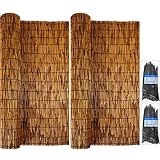
So, you’re dreaming of a beautiful bamboo fence? Great choice! Bamboo fences offer a natural, eco-friendly, and stylish way to define your space. But, you’re probably wondering, how do you tie a bamboo fence properly? Getting this right is crucial for both aesthetics and longevity. A poorly tied fence will look messy and could fall apart in a strong wind.
Don’t worry, we’re here to guide you. This isn’t just about slapping some bamboo together; it’s about crafting a durable and visually appealing barrier. We’ll cover everything from choosing the right materials to the precise knotting techniques. By the end, you’ll have the confidence to build a bamboo fence that you can be proud of. Let’s get started!
What You’ll Need: Gathering Your Materials
Before you begin, gather all the necessary materials. This will make the process much smoother and prevent frustrating trips to the hardware store mid-project. Here’s a comprehensive list:
- Bamboo Poles: Choose poles of the desired diameter and length. Consider the height and spacing you want for your fence. Typically, bamboo poles are readily available at lumberyards or online retailers. Look for treated bamboo if you’re concerned about longevity.
- Support Posts: These are the structural backbone of your fence. You can use wooden posts (pressure-treated for ground contact), metal posts (for durability), or even larger bamboo poles for a fully natural look.
- Tying Material: This is what you’ll use to connect the bamboo poles to the support posts. Options include:
- Natural Fiber Rope: Sisal, jute, or hemp rope offers a rustic aesthetic and is biodegradable.
- Wire: Galvanized steel wire or coated wire provides strength and durability. Choose a gauge appropriate for the size and weight of your bamboo.
- Plastic Zip Ties: Convenient and quick, but less aesthetically pleasing and less durable long-term than rope or wire.
- Tools:
- Measuring Tape: For accurate measurements.
- Level: To ensure your posts are plumb and your fence is straight.
- Post Hole Digger or Auger (optional): For setting support posts.
- Shovel: For digging post holes (if not using an auger).
- Hammer or Mallet: For driving posts (if using wooden posts).
- Wire Cutters or Scissors: For cutting tying material.
- Gloves: To protect your hands.
- Safety Glasses: To protect your eyes.
- Optional Materials:
- Bamboo Caps: To prevent water from entering the bamboo poles and causing rot.
- Wood Stain or Sealer (for wood posts): To protect wooden posts from the elements.
- Landscape Fabric (optional): To prevent weed growth at the base of your fence.
Step-by-Step Guide: How to Tie Your Bamboo Fence
Now, let’s get to the main event: the tying process. Here’s a detailed, step-by-step guide to help you build your bamboo fence.
- Prepare the Support Posts:
First, install your support posts. The spacing between posts will depend on the length and weight of your bamboo poles, as well as the desired aesthetic. Generally, space posts every 6-8 feet. Dig holes for the posts, ensuring they are deep enough to provide stability (typically 2-3 feet deep, depending on your local frost line). Set the posts in the holes, using a level to ensure they are plumb. Backfill the holes with concrete or compacted soil, ensuring the posts are firmly in place. If using wooden posts, consider applying a wood stain or sealer before installation to protect them from the elements.
- Position the Bamboo Poles:
Once the support posts are in place, position your bamboo poles horizontally between the posts. Decide on the spacing between the poles. This will affect the fence’s privacy and appearance. For a tighter fence, place the poles closer together; for a more open look, space them further apart. Consider the overall height of your fence and the desired aesthetic. You can create a uniform look by keeping the distance between each bamboo pole consistent, or you can vary the spacing for a more organic appearance.
- Choose Your Tying Method:
Select your preferred tying material (rope, wire, or zip ties). The method will vary slightly depending on the material you choose. Consider the aesthetic you’re aiming for and the level of durability you need. Natural fiber rope provides a rustic look, while wire offers superior strength. Zip ties are the quickest, but may not be the most visually appealing. The choice is yours! (See Also: Stardew Valley: How to Remove Fence – a Complete Guide)
- Tying with Rope:
- The Square Knot Method:
This is a simple and effective knot for tying bamboo. Wrap the rope around the bamboo pole and the support post. Tie a square knot (right over left, then left over right) to secure the connection. Tighten the knot firmly but not excessively to avoid damaging the bamboo. Repeat this process at regular intervals along the length of the bamboo pole. This method provides a strong, visually appealing tie.
- The Clove Hitch Method:
The clove hitch is another useful knot for tying. Wrap the rope around the support post, cross it over itself, and then wrap it around the bamboo pole. Repeat the wrapping process on the support post, crossing the rope over itself again. This creates a secure and adjustable tie. The clove hitch is particularly helpful if you need to adjust the position of the bamboo pole.
- Spacing Rope Ties:
The spacing of the rope ties depends on the diameter and weight of the bamboo poles, as well as the overall height of the fence. Generally, ties should be placed every 1-2 feet. For taller fences or heavier bamboo, you may need to increase the frequency of the ties. Ensure that the ties are evenly spaced for a consistent appearance.
- The Square Knot Method:
- Tying with Wire:
- Wrapping Technique:
Wrap the wire tightly around the bamboo pole and the support post. Use a twisting tool or pliers to twist the wire ends together, creating a secure connection. Ensure the wire is taut to prevent the bamboo from shifting. Consider using gloves when working with wire to protect your hands.
- Securing the Wire:
After twisting the wire, use the wire cutters to trim off the excess. Bend the cut ends inward to prevent them from snagging on anything. Consider using a wire tensioner to ensure the wire is extremely tight and secure. This is particularly important for taller fences or those exposed to high winds.
- Wire Spacing:
Similar to rope ties, space the wire ties every 1-2 feet along the length of the bamboo poles. The spacing may need to be closer for heavier bamboo or if you are using a taller fence. Ensure that the wire is consistently tight and that the ties are evenly spaced for a professional appearance. (See Also: How High Fence for Chickens? Ultimate Guide to Coop Security)
- Wrapping Technique:
- Using Zip Ties:
- Position and Placement:
Wrap the zip tie around the bamboo pole and the support post. Insert the pointed end through the locking mechanism and pull it tight. Ensure the zip tie is snug but not overly tight, which could damage the bamboo. Position the locking mechanism away from the visible side of the fence for a cleaner look.
- Tightening and Securing:
Pull the zip tie tight until it’s secure. Cut off the excess tail of the zip tie with scissors or wire cutters. Be careful not to cut too close to the locking mechanism. Consider using UV-resistant zip ties, particularly if your fence will be exposed to direct sunlight. This helps to prevent the zip ties from becoming brittle and breaking down over time.
- Zip Tie Spacing:
Space the zip ties every 1-2 feet, similar to rope and wire ties. The spacing may need to be closer for taller fences or heavier bamboo. Ensure that the zip ties are consistently tight and that they are evenly spaced for a neat appearance.
- Position and Placement:
- Dealing with Uneven Ground:
If your ground isn’t perfectly level, you’ll need to make adjustments. You can either bury the support posts at different depths to compensate for the slope or trim the bamboo poles to create a level top edge. Consider using landscape fabric at the base of the fence to prevent weed growth and improve the overall appearance.
- Adding Bamboo Caps (Optional):
To protect the tops of your bamboo poles from rain and prevent water from entering, consider adding bamboo caps. These caps also add a finished look to the fence. The caps are typically glued or secured with screws.
- Finishing Touches:
Once all the bamboo poles are tied, inspect the fence to ensure all connections are secure and that the fence is level. Trim any excess tying material. If you’re using wooden posts, consider applying a wood stain or sealer for added protection and aesthetics. Clean up any debris, and enjoy your new bamboo fence! (See Also: How Much Is a Wrought Iron Fence? Costs, Factors & Diy vs. Pro)
Troubleshooting Common Problems
Even with careful planning, things can sometimes go wrong. Here are some common problems and how to solve them:
- Loose Bamboo Poles: If your bamboo poles are loose, you may need to tighten the ties or add more ties. Check that your tying material is securely fastened and that the knots are tight. If the problem persists, consider using a different tying method or using more ties per pole.
- Uneven Fence: If your fence isn’t level, you’ll need to adjust the height of the support posts or the bamboo poles. Use a level to identify the problem areas and make the necessary adjustments. You may need to trim the bamboo poles or adjust the depth of the post holes.
- Bamboo Splitting: If the bamboo is splitting, you may be overtightening the ties. Loosen the ties slightly and consider using a softer tying material, such as rope. Pre-drilling holes in the bamboo before tying can also help to prevent splitting.
- Rotting Bamboo: Bamboo can rot if it’s exposed to moisture. To prevent this, consider using treated bamboo, adding bamboo caps to the top of the poles, and ensuring that the fence is well-drained. Regularly inspect the fence for signs of rot and address any problems promptly.
- Wind Damage: Bamboo fences can be susceptible to wind damage, especially in exposed areas. To mitigate this risk, ensure that your support posts are firmly anchored, use strong tying materials, and consider using a design that allows wind to pass through the fence.
Frequently Asked Questions (faq)
Here are some of the most common questions people have about tying a bamboo fence:
- What’s the best material for tying a bamboo fence? There’s no single “best” material, as it depends on your priorities. Natural fiber rope offers a rustic aesthetic and is biodegradable, while wire provides superior strength. Zip ties are the quickest and easiest to use but may not be as durable or visually appealing.
- How far apart should the bamboo poles be? The spacing between the poles depends on the desired level of privacy and the aesthetic you want to achieve. For a tighter fence, place the poles closer together. For a more open look, space them further apart. Generally, a spacing of 1-3 inches is common.
- How often should I tie the bamboo poles to the support posts? Generally, ties should be placed every 1-2 feet along the length of the bamboo poles. The spacing may need to be closer for heavier bamboo or if you are using a taller fence.
- How do I deal with uneven ground? You can either bury the support posts at different depths to compensate for the slope or trim the bamboo poles to create a level top edge. Consider using landscape fabric at the base of the fence to prevent weed growth and improve the overall appearance.
- How long will a bamboo fence last? The lifespan of a bamboo fence depends on several factors, including the quality of the bamboo, the climate, and the level of maintenance. With proper care, a bamboo fence can last for 10-20 years or even longer.
- Can I stain or seal a bamboo fence? Yes, you can stain or seal a bamboo fence to protect it from the elements and enhance its appearance. Use a stain or sealant specifically designed for bamboo or natural wood. Apply the stain or sealant according to the manufacturer’s instructions.
- How do I clean a bamboo fence? You can clean a bamboo fence with a mild soap and water solution. Use a soft brush or cloth to scrub away dirt and grime. Rinse the fence thoroughly with clean water. Avoid using harsh chemicals or abrasive cleaners, as these can damage the bamboo.
- Is bamboo fencing eco-friendly? Yes, bamboo fencing is an environmentally friendly choice. Bamboo is a rapidly renewable resource, and it grows quickly without the need for pesticides or fertilizers. Bamboo also absorbs carbon dioxide from the atmosphere, helping to reduce greenhouse gas emissions.
- How do I prevent bamboo from splitting? To prevent bamboo from splitting, avoid overtightening the ties. Consider using a softer tying material, such as rope. Pre-drilling holes in the bamboo before tying can also help to prevent splitting.
More Tips for a Beautiful and Durable Bamboo Fence
- Choose Quality Bamboo: Select bamboo poles that are straight, strong, and free of cracks or splits. Check for signs of insect infestation or rot. The quality of your bamboo will directly affect the fence’s lifespan.
- Proper Drainage: Ensure that your fence is well-drained. Standing water can cause bamboo to rot. Consider adding a gravel base beneath the fence to improve drainage.
- Regular Maintenance: Inspect your fence regularly for any signs of damage or wear and tear. Tighten loose ties, repair any splits, and clean the fence as needed. Regular maintenance will help to extend the lifespan of your fence.
- Consider the Climate: The climate in your area will affect the longevity of your bamboo fence. In areas with high humidity or heavy rainfall, you may need to take extra precautions to protect the bamboo from moisture.
- Aesthetics Matter: Consider the overall aesthetic you want to achieve. Do you want a rustic, natural look, or a more polished appearance? Choose your tying materials and techniques accordingly.
- Safety First: Always wear safety glasses and gloves when working with tools and materials. Be careful when using wire and other sharp objects.
Final Verdict
Tying a bamboo fence is a rewarding DIY project that adds both beauty and functionality to your property. By following these steps and considering the tips, you can create a durable and stylish fence that will last for years. Remember, attention to detail and careful execution are key to achieving a professional-looking result. Enjoy your beautiful bamboo fence!
Recommended Products