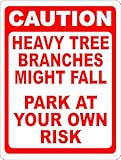
That majestic oak in your backyard, or the towering pine by the sidewalk – they’re beautiful, aren’t they? But sometimes, beauty can hide danger. The thought of a tree falling can be unsettling, especially during storms or high winds. You might be wondering, ‘How can I tell if a tree is going to fall?’ It’s a valid concern, and thankfully, there are several signs you can look for.
Identifying potential hazards before they become disasters is crucial for your safety and the protection of your property. We’ll walk you through the key indicators, from visible damage to subtle changes in the tree’s health, empowering you to make informed decisions and act proactively.
Understanding Tree Instability: Signs of Danger
Trees are incredibly resilient organisms, but they aren’t immune to the stresses of weather, disease, pests, and age. Recognizing when a tree is compromised is a skill that can prevent serious accidents. We’ll break down the common indicators of a tree at risk of falling, covering both external and internal signs.
Visible External Indicators of a Weakening Tree
The most obvious signs of a tree’s distress are often right there on its surface. Take a good, long look at your trees, especially those near homes, play areas, or public pathways.
1. Leaning and Root Problems
A tree that has begun to lean significantly, especially if the lean is recent or has increased over time, is a major red flag. This often points to problems at the root level.
- Uneven Ground: Look for soil heaving or cracking around the base of the tree. This indicates that the roots are no longer anchoring the tree securely.
- Visible Roots: While some surface roots are normal, extensively exposed or damaged roots are a serious concern. They can be easily injured, leading to decay and instability.
- Fungus or Mushrooms at the Base: These are often a sign of root rot or internal decay, weakening the tree from the ground up.
2. Trunk and Bark Anomalies
The trunk is the tree’s main support system. Any damage or unusual changes here warrant close inspection.
- Cracks and Splits: Deep cracks, especially vertical ones that extend far up the trunk, can indicate structural weakness. Pay attention to cracks that widen or show signs of sap leakage.
- Cavities and Hollows: While some older trees develop natural cavities, large or deep ones, especially those that reach deep into the trunk or are accompanied by decay, can compromise the tree’s integrity.
- Loose or Missing Bark: Large sections of missing bark, particularly if it exposes the wood underneath, can be a point of entry for pests and diseases, leading to decay.
- Fungal Growth on the Trunk: Shelf-like fungi (conks) growing on the trunk are a strong indicator of internal decay.
3. Branch Health and Structure
The branches are extensions of the trunk, and their condition reflects the overall health of the tree.
- Dead or Dying Branches: A few dead twigs are normal, but large, dead branches, especially those that are brittle or lack leaves and buds, are a hazard. They can break off easily in wind.
- Cracked or Broken Branches: Branches that are split, cracked, or have visible signs of breakage need attention. Look for branches that are rubbing against each other, which can cause damage and create entry points for disease.
- Poor Branch Attachment: Branches that attach to the trunk at a narrow angle (V-shaped crotches) are weaker than those with wider U-shaped attachments. These V-shaped unions are prone to splitting.
- Canopy Imbalance: If one side of the tree has significantly more deadwood or fewer leaves than the other, it could indicate a problem with that section of the tree.
4. Leaf and Foliage Changes
The leaves are the tree’s lungs, and their appearance can tell a story about its health. (See Also: How to Get Pine Tree Sap Off Skin Safely & Effectively)
- Premature Leaf Drop: If a tree drops its leaves significantly earlier than other trees of the same species in the area, it might be under stress.
- Wilting or Discolored Leaves: Unexplained wilting or discoloration of leaves, especially if it affects a large portion of the tree, can be a sign of disease or root problems.
- Lack of Leafing Out: If a tree fails to produce leaves in the spring, it’s likely dead or severely compromised.
Internal Indicators of Tree Weakness
While external signs are important, sometimes the most dangerous weaknesses are hidden within the tree.
1. Decay and Rot
Internal decay weakens the structural integrity of the wood, making the tree more susceptible to breaking.
- Fungal Growth: As mentioned, mushrooms or conks on the trunk or at the base are clear indicators of decay.
- Soft or Spongy Wood: If you can probe areas of the trunk or branches and find soft, crumbly wood, it signifies decay.
2. Pest Infestations
Certain pests can significantly weaken a tree, making it prone to falling.
- Boreholes: Small holes in the bark or trunk can indicate the presence of wood-boring insects that consume the tree from the inside out.
- Sawdust or Frass: The presence of sawdust-like material around the base of the tree or on branches can be a sign of insect activity.
- Unusual Insect Activity: Large numbers of insects, particularly those that bore into the wood, should be a cause for concern.
3. Disease
Various diseases can attack a tree’s vascular system or weaken its wood.
- Cankers: These are sunken or swollen areas on the trunk or branches, often oozing sap, that indicate disease.
- Leaf Spots and Blights: While some are cosmetic, severe leaf diseases can weaken the tree over time.
Assessing Risk Factors
Beyond the tree’s condition, several environmental factors increase the risk of a tree falling.
1. Location and Surrounding Structures
- Proximity to Buildings: Trees immediately adjacent to homes, garages, or other structures are a higher risk.
- Overhead Lines: Trees growing near power lines pose a significant danger if they fall or shed large branches.
- High-Traffic Areas: Trees overhanging sidewalks, driveways, or play areas present a greater risk to people.
2. Soil Conditions
- Waterlogged Soil: Saturated soil offers less support for tree roots, making them more prone to toppling, especially in windy conditions.
- Compacted Soil: Soil compaction around the base of a tree restricts root growth and can lead to weaker anchorage.
3. Weather Patterns
- High Winds: Strong, sustained winds are a primary cause of tree failure.
- Ice and Snow Load: Heavy accumulation of ice or snow on branches can add significant weight, leading to breakage.
- Drought: Prolonged dry spells can stress trees, weakening their root systems and making them more vulnerable.
When to Call a Professional
While you can identify many potential issues yourself, some problems require the expertise of a certified arborist. Don’t hesitate to call in the pros if you observe any of the following:
- Significant leaning or soil heaving.
- Large cracks in the trunk or major branches.
- Extensive decay, indicated by fungal growth or soft wood.
- Signs of serious pest infestations that are damaging the tree’s structure.
- A tree that has been severely damaged by a storm.
- Any tree that you are genuinely concerned about, especially if it’s near your home or other structures.
A certified arborist has the knowledge and tools to properly assess a tree’s health, identify hidden problems, and provide recommendations for treatment, pruning, or removal. They can also offer an objective opinion on the tree’s risk level. (See Also: How to Kill a Tree with Copper Nails: A Comprehensive…)
Common Misconceptions About Tree Fall Risk
It’s easy to fall into traps when assessing tree health. Here are a few common misconceptions:
- Myth: Green leaves mean a healthy tree. While a tree with no leaves might be dead, the presence of leaves doesn’t guarantee structural integrity. A tree can have green leaves but be riddled with internal decay.
- Myth: Only old trees fall. Young trees can also be at risk if they are poorly planted, have weak root systems, or are damaged.
- Myth: A tree with a large trunk is always strong. A large trunk can sometimes hide significant internal decay or structural weaknesses.
- Myth: If a tree has survived storms before, it’s safe. Repeated stress from storms can weaken a tree over time, making it more vulnerable to future events, even if it has appeared resilient in the past.
Preventative Measures and Maintenance
Proactive care can significantly reduce the risk of a tree falling.
- Proper Planting: Ensure trees are planted at the correct depth with adequate space for root development.
- Regular Pruning: Remove dead, diseased, or damaged branches to prevent them from falling and to encourage healthy growth. Pruning can also help balance the canopy.
- Watering and Mulching: Adequate watering, especially during dry periods, and a layer of mulch around the base can improve soil health and tree vitality.
- Pest and Disease Management: Monitor trees for signs of infestation or disease and address them promptly.
- Soil Aeration: If you suspect soil compaction, aeration can help improve root health.
Tools and Techniques for Assessment
While a visual inspection is key, arborists use specialized tools to get a more accurate picture of a tree’s internal health.
- Increment Borer: This tool allows arborists to extract a small core sample from the tree to examine internal decay and growth rings.
- Resistograph: This device measures resistance as it drills a thin needle into the wood, detecting areas of decay or voids.
- Sonic Tomograph: This advanced tool uses sound waves to map the internal structure of a tree and identify decay.
While these tools are typically used by professionals, understanding their purpose highlights the complexity of tree assessment.
The Role of the Certified Arborist
A certified arborist is your best resource for a professional tree risk assessment. They are trained to:
- Identify subtle signs of decay, disease, and structural defects.
- Analyze the tree’s species, age, and growth habits.
- Evaluate the surrounding environment and potential targets.
- Quantify the risk and provide recommendations for mitigation.
- Perform necessary treatments, pruning, or safe removal.
Don’t underestimate the value of their expertise. An arborist can provide peace of mind or alert you to a genuine danger you might have missed.
What to Do If You Suspect a Problem
If your inspection reveals worrying signs, it’s time to take action. (See Also: Wire Tree How to: Craft Beautiful Sculptures)
- Document Your Findings: Take clear photos and notes of the symptoms you observe.
- Contact a Certified Arborist: Get a professional assessment. Ask for references and ensure they are insured.
- Follow Recommendations: Whether it’s pruning, treatment, or removal, adhere to the arborist’s advice.
- Consider Removal for High-Risk Trees: If a tree is deemed a significant risk and mitigation is not feasible, removal is often the safest option.
Understanding Tree Removal
Tree removal is a serious undertaking that should only be performed by experienced professionals. It involves specialized equipment and safety protocols to ensure the tree is felled without causing damage or injury. Factors influencing the cost of removal include the tree’s size, location, accessibility, and the presence of any hazards like power lines.
Pruning for Health and Safety
Strategic pruning can enhance a tree’s health and reduce its risk of falling. This includes:
- Crown Cleaning: Removing dead, dying, or diseased branches.
- Crown Thinning: Removing some of the inner branches to improve light penetration and reduce wind resistance.
- Crown Raising: Removing lower branches to provide clearance.
- Structural Pruning: Correcting defects in young trees to promote strong structure as they grow.
Proper pruning, especially for trees near structures or high-traffic areas, can significantly mitigate risks.
Emergency Situations
If a tree has already fallen or is in immediate danger of falling, especially during or after a storm:
- Stay Away: Keep yourself, your family, and pets well clear of the area.
- Call Emergency Services: If power lines are involved or the tree is blocking a road, contact your local utility company or emergency services.
- Contact Your Insurance Company: Document any damage for insurance claims.
Never attempt to deal with a fallen tree or a severely damaged tree on your own unless it is a very minor situation and you are certain of your safety.
Conclusion: Proactive Tree Care for Safety
Identifying a tree that’s at risk of falling is a crucial aspect of property safety. By regularly inspecting your trees for signs of leaning, trunk damage, unhealthy branches, and foliage issues, you can proactively address potential hazards. Remember that external signs are important, but internal decay and pest infestations also play a significant role in a tree’s stability. When in doubt, always consult a certified arborist for a professional assessment. Their expertise can help you make informed decisions, ensuring the safety of your loved ones and property.
Recommended Products