Imagine the sweet, golden nectar flowing straight from the trees in your backyard. Learning how to tap a tree for maple syrup is a rewarding endeavor that connects you with nature and provides a truly artisanal treat. It’s a tradition steeped in history, passed down through generations, and now, it’s within your reach.
This guide will walk you through every step, from identifying the right trees to collecting that precious sap. Forget store-bought syrup; there’s nothing quite like the taste of homemade, especially when you’ve played a part in its creation. Get ready to embrace the magic of maple!
How to Tap a Tree for Maple Syrup: A Comprehensive Guide
The allure of pure maple syrup is undeniable. Its rich, complex flavor is a testament to the ingenuity of nature and the dedication of those who harvest it. If you’ve ever dreamed of experiencing this process firsthand, you’re in the right place. This guide will equip you with the knowledge and confidence to tap your own maple trees and begin your journey into the wonderful world of syrup making.
Understanding Maple Trees: Your Syrup Source
Not all trees can be tapped for syrup. The magic lies in the sugar maple (Acer saccharum), but other maple species like red maple (Acer rubrum) and silver maple (Acer saccharinum) can also be tapped, though they generally contain less sugar. Identifying these trees is the crucial first step.
Identifying Sugar Maples
Sugar maples are the stars of the syrup world. Here’s how to spot them:
- Leaves: Typically have five lobes with pointed tips and smooth edges between the points. They turn brilliant shades of orange, red, and yellow in the fall.
- Bark: Young trees have smooth, gray bark. Mature trees develop deep furrows and ridges, often with a darker, grayish-brown color.
- Buds: Sugar maple buds are sharp and pointed, usually brown.
- Twigs: Twigs are often reddish-brown.
Identifying Red Maples
Red maples are a good secondary choice. Look for:
- Leaves: Usually have three to five lobes with serrated (toothed) edges. Their fall color is often a striking red.
- Bark: Smooth and gray on younger trees, becoming rougher and developing plates on older trees.
- Buds: Red and rounded.
- Twigs: Reddish.
Identifying Silver Maples
Silver maples are also tappable, though their sap has a lower sugar content.
- Leaves: Deeply cut with five lobes, typically with a silvery-white underside. Fall color is usually yellow.
- Bark: Smooth and gray on young trees, becoming shaggy and peeling on older trees.
- Buds: Reddish and blunt.
- Twigs: Reddish-brown.
When to Tap: The Right Time Is Everything
The window for tapping is dictated by the weather. Maple sap flows when temperatures fluctuate around freezing. The ideal conditions are freezing nights (below 32°F or 0°C) followed by thawing days (above 32°F or 0°C). This freeze-thaw cycle creates pressure within the tree that pushes the sap out when tapped. (See Also: How to Get to Deku Tree Tears of the Kingdom Guide)
- Timing: In most northern regions, this typically occurs from late January through March. Southern regions might start a bit earlier.
- Observation: Watch the weather forecast. You’re looking for a consistent pattern of freezing nights and warm days.
- Tree Health: Only tap healthy, mature trees. A general rule of thumb is that a tree should be at least 10 inches in diameter at chest height before tapping.
Essential Tapping Equipment
You don’t need a commercial operation to start. A few key pieces of equipment will get you going:
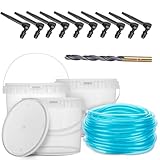
- Drill: A cordless drill with a 7/16-inch or 5/16-inch drill bit (depending on your spile size).
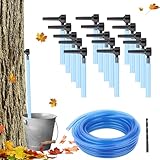
- Spiles (Taps): These are the metal or plastic spouts that you insert into the tree. Metal spiles are traditional and durable, while plastic ones are lighter and can be more affordable. Ensure they are food-grade.
- Collection Containers: Food-grade buckets (often plastic or stainless steel) with lids to keep out rain, snow, and debris. You can also use specialized sap bags.
- Hose: If using buckets and wanting to connect multiple taps, food-grade tubing is essential.
- Hammer: For gently tapping in the spiles.
- Measuring Tape: To assess tree diameter.
- Safety Gear: Gloves, eye protection.
The Tapping Process: Step-by-Step
Once you have your trees identified and your equipment ready, it’s time to tap!
Step 1: Choose the Right Spot
Select a healthy, mature tree (at least 10 inches in diameter). Look for a spot on the trunk that is:
- Free of damage: Avoid areas with large branches, knots, or old tap holes.
- South-facing (often): South-facing sides tend to warm up faster, potentially leading to earlier sap flow.
- Accessible: Make sure you can easily reach the spot with your drill and hang your collection container.
Step 2: Drill the Hole
This is a critical step. You want to drill a clean hole at the correct depth.
- Depth: Drill into the tree about 1.5 to 2 inches deep. You want to reach the inner bark (cambium layer) but not go all the way through the tree.
- Angle: Drill slightly upward. This helps sap drain out more effectively and prevents water from pooling in the hole, which can lead to rot.
- Cleanliness: Use a sharp drill bit and clean it periodically to avoid introducing bacteria into the tree.
Step 3: Insert the Spile
Gently tap the spile into the drilled hole with a hammer. You want it to be snug but not so tight that you split the wood. The spile should extend out far enough to attach your collection container or tubing.
Step 4: Hang Your Collection Container
Attach your bucket or sap bag to the spile. If using a bucket, ensure it has a lid to prevent contamination. If using tubing, connect it to the spile and run it to a larger collection tank.
Step 5: Monitor and Collect
Check your containers regularly. Sap flow can be surprisingly fast during peak times. Collect the sap before it overflows or becomes contaminated. (See Also: How Long Does Lego Bonsai Tree Take to Build? Guide)
Sap Collection and Storage
Once you start collecting sap, proper handling is key to producing quality syrup.
How Much Sap to Expect?
A single tap can produce anywhere from 10 to 100 gallons of sap over the season, depending on the tree, weather, and tap hole. It takes approximately 40 gallons of sap to make 1 gallon of maple syrup.
Sap Quality
Fresh maple sap is clear, odorless, and tastes slightly sweet. It’s essentially pure water with dissolved sugars and minerals.
Storage
Sap is perishable. It should be collected daily and stored in a clean, food-grade container. For short-term storage (1-2 days), keep it in a cool place, ideally below 40°F (4°C). For longer storage, you can freeze it or boil it down immediately.
- Avoid contamination: Keep lids on containers. Don’t let leaves, insects, or dirt get into the sap.
- Cleanliness is paramount: Wash all collection equipment thoroughly before and after use.
Boiling Sap Into Syrup: The Transformation
This is where the magic truly happens. Boiling concentrates the sugars in the sap, transforming it into the syrup we know and love.
What You’ll Need
For small-scale operations, you can use a large, shallow pan (like a roasting pan or a dedicated evaporator pan) over a heat source. Outdoor boiling is highly recommended to avoid excessive steam in your home.
- Evaporator Pan: A wide, shallow pan allows for maximum surface area for evaporation.
- Heat Source: A strong, consistent heat source is crucial. This could be a propane burner, a wood fire, or even a well-ventilated outdoor stove.
- Thermometer: A candy thermometer or a hydrometer is essential for determining when the syrup is ready.
The Boiling Process
Boiling sap is a process of evaporation. You’re removing water to increase the sugar concentration. (See Also: How to Get Rid of Paper Wasp Nest in Tree Safely)
- Start Boiling: Pour your collected sap into the evaporator pan. Bring it to a rolling boil.
- Skim Foam: As the sap boils, a foam will rise to the surface. Skim this off regularly with a skimmer or spoon. This foam contains impurities.
- Add More Sap: Continue adding fresh sap to the pan as needed to maintain a consistent boiling level. Don’t let the pan run dry.
- Monitor Temperature: Maple syrup is ready when it reaches 7°F (4°C) above the boiling point of water at your location. For example, if water boils at 212°F (100°C) at your altitude, syrup is ready at 219°F (103.9°C).
- Use a Hydrometer: A hydrometer is the most accurate tool. It measures the density of the syrup, indicating its sugar content. Syrup is typically considered ready when it reads 66-68% Brix (sugar concentration).
- Filtering: Once the syrup reaches the correct temperature or Brix, remove it from the heat. It’s crucial to filter hot syrup through a special syrup filter or a wool cloth to remove any remaining “sugar sand” (niter) and impurities.
Finishing and Bottling
After filtering, the syrup is ready to be bottled. For long-term storage, it’s best to reheat the syrup to about 180°F (82°C) and pour it into sterilized containers, sealing them while hot. This process helps preserve the syrup and prevents spoilage.
Troubleshooting and Best Practices
Even with careful planning, you might encounter challenges. Here are some tips:
- No Sap Flow: This is usually due to unfavorable weather. Patience is key. Ensure your spiles are not blocked and your holes are clean.
- Cloudy Sap: This can happen if sap sits too long or if there’s contamination. Boil it down quickly or discard it.
- Sticky Spiles: If a spile becomes clogged with bacteria or mold, remove it, clean the hole, and insert a new spile.
- Tree Health: Never over-tap a tree. Follow the guidelines for tree size and the number of taps per tree. A tree 10-20 inches in diameter should have only one tap. Trees 20-30 inches can have two. Never tap a tree smaller than 10 inches.
- Cleanliness: This cannot be stressed enough. Cleanliness at every stage, from tapping to bottling, is vital for producing high-quality, safe maple syrup.
Responsible Tapping Practices
As you embark on your syrup-making adventure, remember to be a good steward of your trees.
- Tree Size: Never tap trees smaller than 10 inches in diameter at chest height.
- Number of Taps: Limit the number of taps per tree based on its diameter to avoid stressing the tree.
- Tap Hole Location: Space out your taps on a tree. Avoid tapping in the same location year after year.
- Remove Spiles: Remove spiles at the end of the season to allow the tree to heal.
- Respect Wildlife: Be mindful of any animals that might be using the trees or surrounding area.
Tapping maple trees for syrup is a rewarding experience that connects you deeply with the natural world. By following these steps, you can successfully harvest your own delicious maple syrup, a true taste of the wild.
Conclusion
Embarking on the journey of how to tap a tree for maple syrup is a deeply satisfying experience. From identifying the right trees to the patient boiling process, each step offers a unique connection to nature and tradition. Remember to prioritize tree health and cleanliness throughout. The reward of tasting your own homemade maple syrup, a true artisanal delight, is well worth the effort. Enjoy the sweet fruits of your labor!
Recommended Products