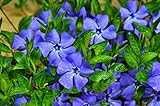
Are you captivated by the delicate beauty and resilience of the periwinkle plant, also known as Vinca? These charming groundcovers and trailing plants are renowned for their vibrant blooms and ability to thrive in various conditions. They effortlessly add color and texture to gardens, making them a popular choice for both novice and experienced gardeners.
However, like any plant, periwinkles require specific care to flourish. This comprehensive guide will equip you with all the knowledge you need to successfully cultivate these beautiful plants. From understanding their preferred environment to mastering the art of pruning, we’ll delve into every aspect of how to take care of periwinkle plant and ensure your plants thrive.
Get ready to unlock the secrets to a thriving periwinkle garden! Discover the essential practices, common challenges, and expert tips that will transform your garden into a vibrant oasis. Let’s embark on this journey and help your periwinkle plants flourish!
Understanding the Periwinkle Plant (vinca)
Before diving into the specifics of care, it’s essential to understand the periwinkle plant. This knowledge will set a strong foundation for your gardening success. There are several types, each with its own unique characteristics. Knowing these differences will help you choose the right plant for your needs.
Types of Periwinkle
The term “periwinkle” generally refers to plants in the *Vinca* genus, which is part of the dogbane family (Apocynaceae). The most commonly cultivated types are:
- *Vinca minor* (Dwarf Periwinkle or Creeping Myrtle): This is a low-growing, evergreen groundcover. It features small, oval leaves and delicate, typically blue-purple, flowers. *Vinca minor* is known for its hardiness and ability to tolerate shade.
- *Vinca major* (Bigleaf Periwinkle): As the name suggests, this variety has larger leaves and flowers than *Vinca minor*. It also tends to have a more trailing habit. *Vinca major* is slightly less cold-hardy but offers a more dramatic presence.
- *Catharanthus roseus* (Madagascar Periwinkle): Although botanically distinct, this plant is often referred to as periwinkle. It has larger, showier flowers and comes in a wider range of colors, including pink, white, and red. It is a tender perennial typically grown as an annual in cooler climates.
Understanding these distinctions is crucial for selecting the right periwinkle for your garden. Consider your local climate, desired aesthetic, and the amount of sunlight available when making your choice. This will set your plants up for success from the start. (See Also: Essential Guide: How to Care for an Oregano Plant)
Key Characteristics
Periwinkles are known for several key characteristics that make them popular among gardeners. These traits influence how you should care for them.
- Growth Habit: Most periwinkles are either groundcovers or trailing plants. This makes them ideal for filling in bare spots, cascading over walls, or spilling from containers.
- Foliage: The foliage is typically evergreen, providing year-round interest. Leaf color can range from deep green to variegated varieties with cream or yellow markings.
- Flowers: Periwinkle flowers are typically five-petaled and come in shades of blue, purple, pink, white, and sometimes red. They bloom profusely in spring and often continue to flower sporadically throughout the growing season.
- Hardiness: The hardiness of periwinkle plants varies by species. *Vinca minor* is generally more cold-hardy than *Vinca major* or *Catharanthus roseus*.
- Tolerance: Many periwinkle varieties are relatively tolerant of poor soil conditions and can handle some degree of neglect once established.
Essential Care Practices for Periwinkle
Now that you understand the basics of periwinkle plants, let’s explore the essential care practices that will ensure their health and beauty. These practices cover everything from planting to maintenance.
Planting Your Periwinkle
Proper planting is the foundation for a thriving periwinkle. The following steps will guide you through the process.
- Choosing the Right Location: Periwinkles thrive in various conditions, but they generally prefer well-drained soil and partial shade to full sun, depending on the variety. *Vinca minor* tolerates more shade than *Vinca major*. Consider the specific needs of the periwinkle you’ve chosen.
- Soil Preparation: Periwinkles are adaptable to different soil types, but they prefer well-drained soil. Amend heavy clay soil with organic matter like compost or well-rotted manure to improve drainage and aeration.
- Planting Time: The best time to plant periwinkle is in spring or early fall. This allows the plants to establish their roots before the extremes of summer heat or winter cold.
- Planting Procedure: Dig a hole slightly larger than the root ball of your periwinkle plant. Gently remove the plant from its container and loosen any circling roots. Place the plant in the hole, ensuring the top of the root ball is level with the soil surface. Backfill the hole with soil, gently firming it around the plant. Water thoroughly after planting.
- Spacing: Space periwinkle plants according to the variety. *Vinca minor* typically needs to be spaced 6-12 inches apart, while *Vinca major* can be spaced 12-18 inches apart. This allows for adequate air circulation and prevents overcrowding.
Watering Your Periwinkle
Watering is crucial for the health and vitality of your periwinkle plants. The frequency and amount of watering depend on several factors, including the weather, soil type, and the specific variety of periwinkle.
- Initial Watering: After planting, water your periwinkle plants thoroughly. This helps to settle the soil around the roots and encourages establishment.
- Watering Frequency: Once established, periwinkles are relatively drought-tolerant. However, they still benefit from regular watering, especially during dry spells. Water deeply when the top inch of soil feels dry. Avoid overwatering, as this can lead to root rot.
- Watering Method: Water at the base of the plants, avoiding wetting the foliage. This helps to prevent fungal diseases. A soaker hose or drip irrigation system is ideal.
- Watering in Different Seasons: Reduce watering during the dormant season (winter). In the spring and summer, water more frequently, especially during hot and dry periods.
Sunlight and Shade Requirements
Periwinkles thrive with the right amount of sunlight. Understanding their sunlight needs is vital for proper care. (See Also: Mastering the Art: How Do You Plant Romaine Lettuce?)
- Sunlight Preferences: Most periwinkle varieties prefer partial shade to full sun. *Vinca minor* is more tolerant of shade than *Vinca major*. *Catharanthus roseus* generally prefers full sun.
- Effects of Too Much Sun: In hot climates, excessive sun exposure can scorch the leaves and cause the plants to dry out quickly. This can lead to stunted growth and reduced flowering.
- Effects of Too Little Sun: Insufficient sunlight can result in leggy growth, reduced flowering, and increased susceptibility to diseases.
- Finding the Right Balance: Observe your plants and adjust their location if necessary. If the leaves are yellowing or browning, the plant might be getting too much sun. If the growth is sparse and the flowers are few, it might be getting too little.
Fertilizing Your Periwinkle
Fertilizing can boost the growth and flowering of your periwinkle plants. However, over-fertilizing can be detrimental, so moderation is key.
- Fertilizer Type: Use a balanced, slow-release fertilizer formulated for flowering plants. Look for a fertilizer with a balanced NPK ratio (e.g., 10-10-10 or 14-14-14).
- Fertilizing Frequency: Fertilize periwinkle plants in the spring, just as new growth begins, and again in mid-summer. Avoid fertilizing in late fall or winter, as this can encourage new growth that is vulnerable to frost damage.
- Application Method: Follow the instructions on the fertilizer package. Generally, you can sprinkle granular fertilizer around the base of the plants and water it in. For liquid fertilizers, dilute the fertilizer according to the package directions and apply it to the soil.
- Organic Options: Consider using organic fertilizers, such as compost tea or well-rotted manure, to nourish your periwinkle plants. These fertilizers are gentler and improve soil health.
- Signs of Over-Fertilizing: Excessive fertilizer can cause leaf burn, stunted growth, and a buildup of salts in the soil. If you suspect over-fertilizing, flush the soil with water to remove excess salts.
Pruning and Maintenance
Regular pruning and maintenance will keep your periwinkle plants looking their best and encourage healthy growth.
- Pruning Time: The best time to prune periwinkle is in early spring, before new growth begins. You can also prune lightly throughout the growing season to shape the plants and remove dead or damaged foliage.
- Pruning Technique: Use sharp pruning shears or scissors to remove dead, damaged, or overcrowded stems. You can also trim back the plants to control their size and shape. Cut stems back to a healthy node (where leaves emerge).
- Deadheading: Removing spent flowers (deadheading) encourages the plant to produce more blooms. Simply pinch off the faded flowers at their base.
- Weeding: Regularly remove weeds from around your periwinkle plants. Weeds compete for resources and can hinder the growth of your plants.
- Mulching: Apply a layer of mulch, such as shredded bark or compost, around your periwinkle plants. Mulch helps to retain moisture, suppress weeds, and regulate soil temperature.
Common Pests and Diseases
Periwinkles are generally resistant to pests and diseases, but they can occasionally be affected. Knowing how to identify and address these issues is important.
- Pests: Common pests include aphids, mealybugs, and spider mites. Inspect your plants regularly for signs of infestation, such as distorted leaves, sticky residue, or webbing. Treat infestations with insecticidal soap or neem oil.
- Diseases: Periwinkles can be susceptible to fungal diseases like root rot and leaf spot, especially in poorly drained soil. Ensure proper drainage and avoid overwatering. Remove and dispose of infected plant material. Fungicides may be necessary in severe cases.
- Preventative Measures: Promote good air circulation by spacing plants appropriately. Water at the base of the plants, avoiding wetting the foliage. Keep the garden clean and free of debris.
Propagating Periwinkle
Propagating periwinkle is a great way to expand your garden or share plants with friends. There are several methods you can use.
- Cuttings: Take stem cuttings in spring or early summer. Cut a 4-6 inch stem from a healthy plant. Remove the lower leaves and dip the cut end in rooting hormone. Plant the cutting in a pot filled with well-draining potting mix. Keep the soil moist and provide bright, indirect light. The cuttings should root in a few weeks.
- Layering: Layering is a simple method for propagating trailing periwinkles. Bend a stem down to the soil and bury a portion of it. Secure the stem with a wire or a rock. Keep the soil moist. Once the stem has rooted, you can cut it from the parent plant and transplant it.
- Division: Divide established clumps of periwinkle in spring or fall. Carefully dig up the clump and separate it into smaller sections, each with roots and stems. Replant the divisions in your garden.
Periwinkle in Different Climates
The care requirements for periwinkle can vary slightly depending on your climate. Here’s a general overview. (See Also: How to Plant a Peach Tree From a Pit: A Comprehensive Guide)
- Cold Climates: In cold climates, choose cold-hardy varieties like *Vinca minor*. Provide winter protection, such as a layer of mulch, to protect the roots from freezing. Consider planting in a sheltered location.
- Warm Climates: In warm climates, periwinkle can thrive year-round. Ensure the plants receive adequate shade during the hottest part of the day. Water regularly to prevent them from drying out.
- Humid Climates: In humid climates, good air circulation is crucial to prevent fungal diseases. Space plants appropriately and avoid overwatering.
- Dry Climates: Periwinkles are relatively drought-tolerant, but they still need regular watering, especially during prolonged dry spells. Mulch can help retain moisture in the soil.
Troubleshooting Common Problems
Even with the best care, you might encounter some problems with your periwinkle plants. Here are some common issues and how to address them.
| Problem | Possible Cause | Solution |
|---|---|---|
| Yellowing Leaves | Overwatering, underwatering, too much sun, nutrient deficiency | Adjust watering practices, move to a shadier location, fertilize with a balanced fertilizer |
| Brown Leaves | Sunburn, drought stress, fungal disease | Move to a shadier location, water more consistently, improve air circulation |
| Leggy Growth | Insufficient sunlight | Move to a sunnier location, prune to encourage bushier growth |
| Few Flowers | Insufficient sunlight, lack of nutrients, improper pruning | Move to a sunnier location, fertilize with a balanced fertilizer, deadhead spent flowers |
| Pests or Diseases | Infestation or infection | Identify the pest or disease, treat with appropriate insecticide or fungicide |
How Do I Make My Periwinkle Bloom More?
To encourage more blooms on your periwinkle plants, consider the following:
- Sunlight: Ensure your periwinkles receive the appropriate amount of sunlight. Most varieties benefit from partial shade to full sun.
- Fertilizing: Use a balanced fertilizer during the growing season to provide essential nutrients.
- Deadheading: Regularly remove spent flowers to encourage the plant to produce more blooms.
- Pruning: Prune your periwinkle plants in the spring to promote bushier growth and more flowers.
- Watering: Provide consistent watering, especially during dry periods.
What Is the Best Fertilizer for Periwinkle?
The best fertilizer for periwinkle is a balanced, slow-release fertilizer formulated for flowering plants. Look for a fertilizer with a balanced NPK ratio, such as 10-10-10 or 14-14-14. Organic options like compost tea or well-rotted manure are also beneficial. Always follow the instructions on the fertilizer package to avoid over-fertilizing.
How Do You Revive a Dying Periwinkle Plant?
Reviving a dying periwinkle plant depends on the cause of the decline. Here’s a troubleshooting approach:
- Identify the Problem: Examine the plant for signs of pests, diseases, or environmental stress.
- Adjust Watering: Check the soil moisture and adjust your watering practices accordingly. Overwatering and underwatering can both be detrimental.
- Provide Proper Sunlight: Ensure the plant is receiving the correct amount of sunlight for its variety.
- Fertilize: Fertilize the plant with a balanced fertilizer to provide essential nutrients.
- Prune: Remove any dead or diseased foliage to encourage new growth.
- Treat Pests or Diseases: Address any pest or disease infestations with appropriate treatments.
Conclusion
Successfully growing periwinkle plants is a rewarding experience. By understanding their needs and following the care practices outlined in this guide, you can create a vibrant and thriving garden. Remember to consider the specific needs of your periwinkle variety, pay attention to environmental factors, and address any problems promptly. With a little care and attention, your periwinkle plants will grace your garden with their beauty for years to come. Now you know how to take care of periwinkle plant!
Recommended Products

![Greenwood Nursery: Live Ground-Cover Plants - Vinca Minor + Lesser/Dwarf Periwinkle - [Qty: 50 Bare Roots] - (Click for Other Available Plants/Quantities)](https://m.media-amazon.com/images/I/61kEKTyxCPL._SL160_.jpg)