Are you captivated by the delicate beauty of African violets? These charming plants, with their velvety leaves and vibrant blooms, can bring a touch of elegance to any indoor space. However, their beauty requires a little understanding. This comprehensive guide will teach you everything you need to know about how to take care of a violet plant and ensure it thrives for years to come.
African violets are not just beautiful; they’re also relatively easy to care for once you understand their specific needs. From choosing the right pot to understanding their watering preferences, we’ll explore the essential elements of violet plant care. Whether you’re a seasoned gardener or a complete beginner, this guide will provide you with the knowledge and confidence to cultivate healthy, blooming violets.
We will delve into the critical aspects of light, water, soil, and fertilization. We’ll also cover common problems and how to troubleshoot them, ensuring your violet plant remains a source of joy. Get ready to unlock the secrets to successful African violet cultivation and enjoy the rewards of these stunning plants!
Understanding African Violets
Before diving into the specifics of how to take care of a violet plant, it’s helpful to understand what makes them unique. African violets (Saintpaulia ionantha) are native to Tanzania and Kenya. They are beloved for their compact size, continuous blooming, and a wide variety of flower colors and leaf shapes. These plants are not difficult to grow, but they have specific needs that must be met to flourish.
Key Characteristics
African violets are characterized by their velvety leaves, which are typically round or oval-shaped and come in various shades of green. The flowers, which can range from single to double and come in colors like purple, pink, white, and even bi-colors, add a vibrant touch. Their compact size makes them ideal for indoor environments, and they can bloom throughout the year with proper care.
Common Varieties
There are countless varieties of African violets, each with its own unique characteristics. Some popular varieties include:
- Standard: These are the most common type, with leaves typically reaching 6-12 inches in diameter.
- Miniature: These are smaller, with leaves less than 6 inches in diameter.
- Semi-miniature: These fall in between, with leaves between 6 and 8 inches.
- Trailing: These varieties have a cascading growth habit, making them ideal for hanging baskets.
- Fantasy: These are known for their unique flower patterns, often featuring streaks or speckles of color.
Light Requirements
One of the most crucial aspects of how to take care of a violet plant is understanding its light needs. African violets thrive in bright, indirect light. Too much direct sunlight can scorch their leaves, while too little light will prevent them from blooming. Finding the right balance is essential for their health and beauty.
Ideal Lighting Conditions
The ideal location for an African violet is near an east- or north-facing window, where they will receive ample indirect light. South- and west-facing windows can also work, but you may need to filter the sunlight with a sheer curtain to prevent leaf burn. A well-lit room away from direct sunlight is also a good option.
Signs of Insufficient Light
If your African violet isn’t getting enough light, you may notice the following:
- Lack of Blooms: The most obvious sign is a failure to produce flowers.
- Pale Leaves: The leaves may appear lighter green or yellow.
- Stretching: The plant may grow long, leggy stems as it reaches for light.
Signs of Excessive Light
Too much light can also harm your violet. Look out for these signs:
- Leaf Burn: Brown, crispy spots on the leaves, especially on the edges.
- Fading Colors: The flowers may lose their vibrant colors.
Using Artificial Light
If you don’t have enough natural light, artificial light can be a great solution. Fluorescent lights are ideal, and you should position the plant about 6-12 inches below the lights. LED grow lights are also a good option. Aim for 12-14 hours of light per day to encourage blooming.
Watering Techniques
Proper watering is another critical element of how to take care of a violet plant. Overwatering and underwatering are common mistakes that can lead to serious problems. Understanding the right watering techniques is crucial for maintaining a healthy plant.
Watering Frequency
The frequency of watering depends on several factors, including the size of the pot, the type of soil, and the environmental conditions. As a general rule, water your African violet when the top inch of soil feels dry to the touch. This typically translates to watering once a week, but always check the soil before watering.
Watering Methods
There are several ways to water African violets: (See Also: Unlocking Nature’s Secrets: How to Genetically Modify a Plant)
- Bottom Watering: This is often the preferred method. Place the pot in a saucer or container filled with water and allow the plant to absorb water from the bottom for about 30 minutes. Remove the pot and let it drain thoroughly.
- Top Watering: Water the plant from the top, being careful to avoid getting water on the leaves, as this can cause spotting. Use a watering can with a narrow spout to direct the water to the soil.
- Wick Watering: This method involves using a wick to draw water from a reservoir into the soil. It’s a convenient option for maintaining consistent moisture levels.
Water Quality
African violets are sensitive to the chemicals in tap water. It’s best to use:
- Room-temperature water: Avoid using cold water, as it can shock the roots.
- Filtered water: If possible, use filtered water to remove chlorine and other impurities.
- Let Tap Water Sit: If you use tap water, let it sit out for 24 hours to allow chlorine to dissipate.
Avoiding Common Watering Mistakes
Here are some mistakes to avoid when watering your African violet:
- Overwatering: This is the most common mistake and can lead to root rot.
- Underwatering: This can cause the leaves to wilt and the plant to become stressed.
- Getting Water on the Leaves: This can cause unsightly spots.
What Happens If You Overwater an African Violet?
Overwatering an African violet can lead to root rot, a fungal disease that causes the roots to decay. This prevents the plant from absorbing water and nutrients, leading to wilting, yellowing leaves, and eventually, plant death. To prevent this, ensure proper drainage, water only when the top inch of soil is dry, and avoid letting the plant sit in water.
Soil and Repotting
The right soil and proper repotting techniques are essential for the health and growth of your African violet. The soil provides the necessary nutrients and support for the plant’s roots, while repotting gives the plant room to grow.
Ideal Soil Mix
African violets need a well-draining soil mix that retains moisture without becoming soggy. A good soil mix typically includes:
- Peat moss: Provides moisture retention and acidity.
- Perlite: Improves drainage and aeration.
- Vermiculite: Helps retain moisture and nutrients.
- Optional: A small amount of horticultural charcoal can help absorb impurities.
You can purchase pre-mixed African violet potting mix at most garden centers. Avoid using regular potting soil, as it’s too dense and doesn’t drain well.
Potting Considerations
Choose a pot that is:
- Sized appropriately: The pot should be only slightly larger than the root ball.
- Made of the right material: Plastic pots are a good choice as they retain moisture well. Clay pots can be used, but they dry out more quickly.
- Has drainage holes: This is essential to prevent waterlogging.
Repotting Process
Repot your African violet every 6-12 months, or when the plant outgrows its current pot. Here’s how:
- Prepare the new pot: Choose a pot that’s only slightly larger than the old one.
- Remove the plant: Gently remove the plant from its current pot, being careful not to damage the roots.
- Loosen the roots: Gently loosen the roots if they are tightly packed.
- Add soil: Add a layer of fresh potting mix to the bottom of the new pot.
- Place the plant: Place the plant in the new pot and fill in the gaps with potting mix, gently firming it around the roots.
- Water: Water the plant thoroughly after repotting.
Why Is Repotting Important for African Violets?
Repotting African violets is crucial for several reasons. It provides fresh, nutrient-rich soil, which supports healthy growth and blooming. It also gives the roots more space to expand, preventing root-bound conditions that can stunt the plant’s growth. Regular repotting helps maintain the plant’s vigor and overall health, ensuring it thrives.
Fertilizing Your African Violet
Proper fertilization is vital for encouraging healthy growth and abundant blooms. African violets benefit from regular feeding during their growing season. Understanding the right fertilizer and how to apply it is key to success.
Type of Fertilizer
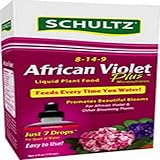
Use a balanced fertilizer specifically formulated for African violets. Look for a fertilizer with a balanced NPK (nitrogen, phosphorus, potassium) ratio, such as 20-20-20 or 14-14-14. Slow-release fertilizers are also a convenient option.
Fertilizing Schedule
Fertilize your African violet during the growing season (spring and summer). Reduce or stop fertilizing during the dormant season (fall and winter). Follow the instructions on the fertilizer package for application rates. Typically, you’ll dilute the fertilizer to half strength and feed your plant every time you water, or as directed by your fertilizer.
Fertilizing Methods
There are several ways to fertilize: (See Also: How to Tell If Cannabis Plant Is Male or Female: A Complete Guide)
- Water-soluble fertilizer: Mix the fertilizer with water and apply it when watering.
- Slow-release fertilizer: Add the fertilizer granules to the soil, following package instructions.
Signs of Over-Fertilizing
Be careful not to over-fertilize, as this can damage your plant. Signs of over-fertilization include:
- Salt buildup: A white crust on the soil surface.
- Brown leaf tips: This is a common sign of fertilizer burn.
- Stunted growth: Excessive fertilizer can sometimes inhibit growth.
Humidity and Temperature
African violets thrive in a specific range of humidity and temperature. Maintaining the right conditions can significantly impact their growth and flowering.
Humidity Levels
African violets prefer a humidity level of 40-60%. If your home is dry, you may need to increase the humidity around your plants.
How to Increase Humidity
Here are a few ways to increase humidity:
- Use a humidity tray: Place the pot on a tray filled with pebbles and water. As the water evaporates, it will increase the humidity around the plant.
- Use a humidifier: A humidifier can raise the overall humidity in a room.
- Group plants together: Plants release moisture through transpiration, which can increase humidity in their immediate surroundings.
Temperature Range
African violets prefer temperatures between 65-75°F (18-24°C). Avoid exposing them to extreme temperature fluctuations or drafts.
Air Circulation
Good air circulation is also important. Avoid placing your violet in a stagnant area. Ensure there’s gentle airflow around the plant.
Pruning and Grooming
Regular pruning and grooming are essential for maintaining the health and appearance of your African violet. These practices help remove dead or damaged leaves and encourage new growth and flowering.
Removing Dead or Yellowing Leaves
Gently remove any dead, yellowing, or damaged leaves. Use your fingers or a pair of small scissors to snap or cut the leaves close to the base of the plant. This helps prevent the spread of disease and improves the plant’s appearance.
Removing Spent Blooms
As the flowers fade, remove them by gently pulling or cutting the flower stems at the base. This encourages the plant to produce new blooms.
Grooming
Grooming involves removing any dead or dying leaves, spent blooms, and any suckers that may appear. Suckers are small plantlets that grow from the base of the plant and can drain energy from the main plant. Remove them promptly to keep the plant vigorous.
Cleaning the Leaves
Wipe the leaves gently with a soft, damp cloth to remove dust and debris. Avoid using leaf shine products, as they can clog the pores and harm the plant. Cleaning the leaves allows the plant to absorb sunlight more effectively.
Common Problems and Solutions
Even with the best care, African violets can sometimes encounter problems. Recognizing these issues early and taking appropriate action can help you keep your plant healthy and thriving.
Pests
Common pests that can affect African violets include: (See Also: Planting Peas: How Deep to Plant Pea Seeds for Success)
- Mealybugs: These appear as small, cottony masses on the leaves and stems.
- Spider mites: These are tiny pests that can cause stippling and webbing on the leaves.
- Aphids: These small, soft-bodied insects can suck sap from the plant.
Solutions for Pests
To combat pests:
- Isolate the plant: If you suspect a pest infestation, isolate the plant immediately to prevent it from spreading.
- Insecticidal soap or neem oil: These are effective treatments for many common pests. Follow the instructions on the product label.
- Remove infested leaves: If the infestation is minor, you can remove and discard the infested leaves.
Diseases
African violets can also be susceptible to diseases, such as:
- Powdery mildew: This appears as a white, powdery coating on the leaves.
- Root rot: This is caused by overwatering.
Solutions for Diseases
To address diseases:
- Improve air circulation: This can help prevent powdery mildew.
- Adjust watering habits: Prevent root rot by avoiding overwatering.
- Fungicides: For more severe cases, use a fungicide specifically designed for African violets, following the product instructions.
Why Are My African Violet Leaves Turning Yellow?
Yellowing leaves on an African violet can indicate several issues. Overwatering, underwatering, or insufficient light are common causes. Nutrient deficiencies, particularly nitrogen, can also lead to yellowing. Inspect the plant’s environment, check the soil moisture, and adjust your care routine accordingly. If the problem persists, consider repotting with fresh soil.
Propagation Techniques
Propagating African violets is a rewarding way to expand your collection or share these beautiful plants with others. The most common method is through leaf cuttings.
Leaf Cuttings
Here’s how to propagate using leaf cuttings:
- Select a healthy leaf: Choose a healthy leaf from the middle of the plant.
- Cut the leaf: Cut the leaf at the base, leaving about 1-2 inches of stem.
- Rooting in water: Place the leaf stem in a glass of water, ensuring the leaf doesn’t touch the water.
- Rooting in soil: Dip the cut end of the stem in rooting hormone (optional) and plant it in a small pot filled with African violet potting mix.
- Provide humidity: Cover the pot with a clear plastic bag or dome to create a humid environment.
- Provide light: Place the cutting in a bright, indirect light.
- Watering: Keep the soil moist but not soggy.
- Wait for roots: Roots will develop in a few weeks to a few months.
- Transplant: Once the roots are established, transplant the new plant into a larger pot.
Division
Another propagation method is through division. This works best with plants that have multiple crowns or offsets. Separate the crowns carefully and pot them individually.
Troubleshooting Common Issues
Even with careful attention, problems can arise. Here are some common issues and how to address them:
- Failure to bloom: This can be due to insufficient light, improper fertilization, or inconsistent watering.
- Leaf spotting: This can be caused by cold water on the leaves or a fungal disease.
- Wilted leaves: This can be due to underwatering, overwatering, or root rot.
- Stunted growth: This can be caused by a lack of light, nutrient deficiencies, or pest infestations.
Advanced Tips for Violet Care
For those seeking to elevate their African violet care, here are a few advanced tips:
- Groom regularly: Remove any dead or yellowing leaves promptly.
- Rotate your plant: Rotate the pot regularly to ensure even growth.
- Monitor humidity: Use a hygrometer to monitor humidity levels and adjust as needed.
- Experiment with varieties: Try different varieties to discover your favorites.
- Join a violet club: Connect with other enthusiasts for tips and advice.
Conclusion
Caring for an African violet is a rewarding experience. By understanding the plant’s needs and following the guidelines on how to take care of a violet plant outlined in this article, you can enjoy the beauty of these stunning plants for years to come. Remember to provide them with bright, indirect light, proper watering, a well-draining soil mix, and regular fertilization. With a little care and attention, your African violets will flourish, filling your home with their vibrant colors and delicate charm. Happy growing!
Recommended Products