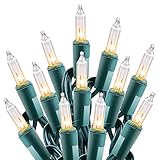
Twinkling lights transform a bare tree into a magical centerpiece, setting the mood for holidays and celebrations. But the process of stringing them can sometimes feel like untangling a festive knot!
Whether you’re aiming for a professional, even glow or a more whimsical, scattered sparkle, mastering the art of how to string lights on tree is key to achieving that breathtaking look. Forget tangled messes and uneven patches; this guide will walk you through the simplest and most effective methods.
From choosing the right lights to the best techniques for draping and securing them, we’ll cover everything you need to know. Get ready to illuminate your space and create an unforgettable display that will delight everyone.
Choosing the Right Lights for Your Tree
Before you even think about how to string lights on tree, selecting the correct type of lights is crucial. The sheer variety available can be overwhelming, but understanding your options will make the process smoother and the final result more stunning.
Incandescent vs. LED Lights
This is the most fundamental choice. Incandescent lights, the traditional bulbs, produce a warm, classic glow. However, they consume more energy, generate heat, and are more fragile. If one bulb burns out, the whole string can go dark. They are generally cheaper upfront.
LED (Light Emitting Diode) lights are the modern standard for a reason. They are significantly more energy-efficient, saving you money on electricity bills. They run cooler, making them safer, especially around dry branches. LEDs are also much more durable and long-lasting. While the initial cost might be higher, their longevity and efficiency make them a better long-term investment. They come in a vast array of colors and effects, from steady glows to twinkling patterns.
Light Count and Length
The general rule of thumb for how to string lights on tree is to use approximately 100 lights per foot of tree height. For a fuller, more dramatic look, you might opt for 150-200 lights per foot.
- For a 6-foot tree: Aim for 600-1200 lights.
- For a 7.5-foot tree: Aim for 750-1500 lights.
- For a 9-foot tree: Aim for 900-1800 lights.
Consider the length of your light strands. It’s often easier to use multiple shorter strands than one very long one, especially for larger trees. This also helps manage tangles and allows for more flexibility in placement.
Color and Bulb Type
Color: Classic warm white offers a traditional, cozy feel. Cool white provides a more modern, crisp look. Multicolor lights add a playful, festive vibe. You can also find single colors to match a specific theme.
Bulb Type: Mini lights are the most common and versatile. Larger C7 or C9 bulbs offer a retro feel and are great for outdoor use or very large trees where their size makes a statement. Fairy lights, with their tiny, delicate bulbs, create an ethereal glow.
Special Features
Some lights offer special features like:
- Twinkling or chasing effects: Add dynamism and visual interest.
- Dimmable lights: Allow you to adjust the brightness to your preference.
- Connectable strands: Enable you to link multiple sets together, simplifying setup and reducing the number of outlets needed.
Prepping Your Lights and Tree
A little preparation goes a long way in ensuring a smooth and successful lighting experience. This step is often overlooked but is crucial for how to string lights on tree effectively.
Untangling Your Lights
This is perhaps the most dreaded part. The best way to tackle tangled lights is to work on a large, flat surface like a floor or a table. Gently pull the strands apart, working from one end to the other. If you encounter a stubborn knot, try to loosen it with your fingers. Patience is key here; rushing can lead to broken bulbs or wires. (See Also: How to Apply for Dollar Tree Online: Your Complete Guide)
Pro Tip: To prevent tangles in the future, store your lights in a dedicated container, wrapped around a piece of cardboard or a specialized light organizer. Avoid simply stuffing them into a bag.
Testing Your Lights
Before you even get near the tree, plug in every strand of lights to ensure they all work. Replace any burnt-out bulbs immediately (for incandescent lights) or discard faulty LED strands. This saves you the frustration of discovering a dead section halfway through decorating.
Fluffing Your Tree
Whether you have an artificial or natural tree, fluffing the branches is essential. For artificial trees, this means spreading out each individual branch and sub-branch to create a full, lush appearance. For real trees, it involves arranging the branches so there are no significant gaps. A well-fluffed tree provides a better canvas for your lights and decorations.
Planning Your Light Placement
Before you start draping, take a moment to visualize how you want your lights to look. Do you prefer a dense, even glow, or do you want to highlight the outer edges of the branches? Thinking about this will help you decide on the best stringing technique.
Mastering the Art: How to String Lights on Tree
There are several popular methods for how to string lights on tree, each offering a slightly different aesthetic. Choose the one that best suits your desired look and the type of lights you have.
The Vertical Drop Method
This is a widely recommended technique for achieving an even, professional look. It’s particularly effective with longer strands of lights.
- Start at the top: Secure the plug or the beginning of the light strand near the top of the tree, either by tucking it into a branch or using a discreet hook or clip.
- Drape downwards: Let the strand hang straight down along the side of the tree, weaving it slightly around the trunk or central pole as you go.
- Work your way around: Once you reach the bottom, gently push the strand back up towards the center of the tree, tucking it into branches. Then, drape it down again, slightly offset from the previous drop.
- Repeat: Continue this up-and-down motion, working your way around the entire circumference of the tree. Aim for consistent spacing between the vertical drops.
- Secure at the end: Tuck the end of the strand securely near the base of the tree.
Benefits: This method ensures lights are distributed evenly throughout the tree’s depth, creating a beautiful, layered glow. It also makes it easier to manage the lights and avoid large, dark gaps.
The Horizontal Wrap Method
This is a more traditional approach, often favored for its simplicity and speed. It works well with shorter strands or when you want a more concentrated glow on the outer edges of the branches.
- Start at the bottom: Begin by plugging in your first strand and securing the beginning near the base of the tree.
- Wrap around the tree: Gently wrap the light strand around the tree, moving upwards in a spiral motion.
- Tuck into branches: As you wrap, tuck the lights into the branches, ensuring they are distributed evenly. Avoid pulling the strand too taut, which can create gaps.
- Overlap slightly: When you start a new strand, overlap the end of the previous one slightly to ensure continuous illumination.
- Continue upwards: Keep wrapping and tucking until you reach the top of the tree.
Benefits: This method is quick and easy to execute. It can create a vibrant, outward-facing glow. However, it can sometimes result in lights being more concentrated on the exterior of the tree, leaving the inner branches less illuminated.
The “random” or “scatter” Method
This method is perfect for a more organic, whimsical look. It’s ideal if you have a lot of lights and want to create a dense, magical effect.
- Start anywhere: Begin by tucking the start of your light strand into a branch, anywhere on the tree.
- Weave and tuck: Loosely weave the strand through the branches, tucking bulbs in various spots. Don’t worry about perfect spacing or symmetry.
- Move in all directions: Work your way around the tree, moving both horizontally and vertically, filling in gaps as you go.
- Embrace imperfection: The goal here is to create a natural, scattered sparkle. Let the lights fall where they may.
- Connect and continue: Connect subsequent strands as needed, continuing the weaving and tucking process until the entire tree is covered.
Benefits: This method is very forgiving and can create a wonderfully enchanting and unique display. It’s also great for filling out thinner sections of a tree.
Combining Methods
Many decorators find success by combining techniques. For instance, you might use the vertical drop method for the bulk of the tree to ensure even coverage and then use the horizontal wrap method to add extra sparkle to the outer branches. (See Also: How to Cut Pine Tree Branches Safely and Effectively)
Tips for a Flawless Finish
Beyond the basic stringing techniques, a few extra tips can elevate your light display from good to spectacular.
Hide the Wires
The goal is to see the lights, not the wires. As you string, try to tuck the wires as close to the tree’s trunk and branches as possible. Use the natural structure of the tree to conceal them. For artificial trees, the green wires often blend in well. For real trees, the darker branches can help camouflage them.
Secure Loose Ends
Ensure the beginning and end of each light strand are securely tucked into branches or attached discreetly. You don’t want plugs dangling or loose ends becoming a tripping hazard.
Consider the Tree’s Shape
A tall, slender tree might benefit more from the vertical drop method to emphasize its height. A wider, fuller tree can handle the horizontal wrap or scatter method to ensure even coverage throughout its volume.
Layering Lights
For a truly magical effect, consider layering your lights. Start with a base layer of lights close to the trunk, then add a second layer of lights further out on the branches. This creates depth and makes the tree appear to glow from within.
Don’t Forget the Top!
The tree topper is the crowning glory, but don’t neglect the lights around it. Ensure your lights are well-distributed all the way to the very top branches for a complete look.
Safety First
Always ensure your light strands are rated for indoor or outdoor use as appropriate. Avoid overloading circuits. If using older incandescent lights, keep them away from highly flammable decorations. For any tree, especially real ones, ensure cords are not frayed and that you’re not creating a fire hazard.
Power Management
Strategically plan where your power outlets are. Use extension cords sparingly and ensure they are suitable for the load. If using connectable strands, verify the maximum number you can link together without overloading the circuit or the strand itself.
Troubleshooting Common Lighting Issues
Even with the best preparation, you might encounter a few hiccups. Here’s how to deal with them.
Uneven Lighting
Problem: Patches of the tree are too bright or too dark.
Solution: If you notice dark spots, carefully add more lights to those areas, tucking them deeper into the branches. If some areas are too bright, you might need to redistribute the lights, pulling them out slightly or adding more strands to balance the glow.
Tangled Sections Mid-Stringing
Problem: You hit a significant tangle while the lights are partially on the tree. (See Also: How to Keep Christmas Tree From Falling Over: A Guide)
Solution: Unplug the entire strand. Gently work on the tangle, pulling the wires apart. It might be easier to detach the problematic section from the tree temporarily, untangle it on the floor, and then re-attach it.
Lights Not Working
Problem: A section or an entire string of lights won’t turn on.
Solution: First, check the plug and the outlet. For incandescent lights, check each bulb for a loose connection or a burnt-out filament. For LEDs, it’s often harder to pinpoint a single faulty bulb, and you might need to replace the entire strand if it’s not working.
Wires Showing Too Much
Problem: The light wires are very visible.
Solution: Go back and tuck the wires more deeply into the branches. You can also use small, discreet zip ties or floral wire to secure wires to the branches, keeping them out of sight.
Beyond the Christmas Tree: Other Lighting Ideas
While this guide focuses on how to string lights on tree for the holidays, the principles apply to decorating other trees and spaces year-round.
Outdoor Trees
For trees in your yard, always use outdoor-rated lights. Consider larger, more robust bulbs like C7 or C9 for greater visibility and durability against the elements. The vertical drop method works well for tall outdoor trees, creating a majestic illuminated silhouette.
Indoor Plants and Non-Traditional Trees
Fairy lights or delicate LED strands can add a magical touch to indoor houseplants, creating a whimsical ambiance. You can also string lights on decorative branches, driftwood, or even weave them through garlands and wreaths.
Themed Lighting Displays
Experiment with different color combinations and light effects to create themed displays. Imagine a serene blue and white winter wonderland, or a vibrant red and gold for a more opulent feel. The possibilities are endless when you know how to effectively string lights.
Integrating Lights with Ornaments
Think about how your lights will interact with your ornaments. Lights placed behind or within clusters of ornaments can create beautiful reflections and add depth to your decorations. Delicate ornaments might benefit from a softer glow, while bolder ones can stand up to brighter lights.
The Final Arrangement
Once all your lights are strung and tested, step back and admire your work. Make any final adjustments to ensure the glow is even and beautiful. The satisfaction of a well-lit tree is immense, and it’s the foundation for all other decorations.
Conclusion
Mastering how to string lights on tree transforms a decorative task into an art form. By selecting the right lights, preparing meticulously, and employing effective stringing techniques like the vertical drop or horizontal wrap, you can achieve a dazzling display. Remember to hide wires, secure ends, and prioritize safety for a beautiful and worry-free illumination. With a little patience and creativity, your tree will shine brightly, becoming the radiant heart of your festive decor and a source of joy for all who behold it.
Recommended Products