Are you staring at a sagging, unsightly wire mesh fence? Don’t worry, it’s a common problem! A loose fence not only looks bad but also compromises security and can allow animals to pass through. The good news is, you can often fix it yourself, and it’s not as difficult as you might think.
This guide will walk you through how to stretch wire mesh fence effectively, ensuring a taut, professional-looking result. We’ll cover everything from the tools you’ll need to the step-by-step process, including important safety tips. Get ready to transform your fence from floppy to fantastic!
Whether you’re dealing with a new installation or an old fence that needs tightening, we’ve got you covered. Let’s get started and make your fence look its best!
Understanding Wire Mesh Fences
Before we dive into stretching, let’s understand wire mesh fences. These fences are constructed from a network of wires, typically welded or woven together to form a grid. They’re popular for their affordability, ease of installation, and versatility. You’ll find them used in various applications, from simple garden boundaries to livestock enclosures and even security fencing. Different types of wire mesh exist, including welded wire mesh and woven wire mesh, each with its own characteristics.
Types of Wire Mesh
Knowing your fence type is crucial for choosing the right stretching method. Here’s a quick overview:
- Welded Wire Mesh: This type features wires welded together at each intersection. It’s generally more rigid and easier to install, making it a good choice for DIY projects. However, the welds can be a weak point if the fence is subjected to a lot of stress.
- Woven Wire Mesh: This mesh is created by weaving individual wires together. It’s more flexible and can handle more stress than welded wire mesh, making it ideal for livestock fences. The weaving process allows for some give, which can be beneficial in areas with fluctuating temperatures or ground conditions.
Common Reasons for a Sagging Fence
Why does a wire mesh fence sag in the first place? Several factors contribute to this issue: (See Also: How to Put Up a Fence with Concrete Posts: A Diy Guide)
- Improper Installation: If the fence wasn’t stretched tightly during the initial installation, it’s likely to sag over time.
- Weather and Temperature Changes: Wire expands and contracts with temperature fluctuations. Extreme heat can cause the wire to sag, while cold can make it more taut.
- Ground Movement: Shifting soil, frost heave, or erosion can affect the posts and cause the fence to loosen.
- External Pressure: Animals leaning or pushing against the fence can also contribute to sagging.
- Wire Quality: Lower-quality wire may stretch more easily and lose its tension.
Tools and Materials You’ll Need
Before you start, gather the necessary tools and materials. Having everything ready will make the process much smoother. Here’s a comprehensive list:
- Wire Mesh: This is obvious, but make sure you have enough to cover the area you’re working on.
- Fence Posts: Ensure your posts are in good condition and adequately spaced. Replace any damaged or unstable posts.
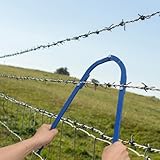
- Strainer/Stretching Tool: This is the key tool for the job. You can use a dedicated fence stretcher or a come-along with a wire grip.
- Wire Grips/Clamps: These secure the wire to the stretcher and the fence posts.
- Tensioner: Used to tighten the wire mesh.
- Wire Cutters/Bolt Cutters: For cutting the wire mesh and any excess wire.
- Gloves: Protect your hands from sharp wire ends.
- Safety Glasses: Essential for protecting your eyes from flying debris.
- Hammer: For securing staples or nails.
- Staples or Fence Staples: For attaching the mesh to the wooden posts.
- Post Hole Digger/Shovel: If you need to replace or adjust any fence posts.
- Measuring Tape: For accurate measurements.
- Level: To ensure posts are plumb.
- Brace Wire (Optional): For strengthening the fence and preventing further sagging.
Step-by-Step Guide: How to Stretch Wire Mesh Fence
Now, let’s get down to the nitty-gritty. Here’s how to stretch your wire mesh fence:
- Inspect and Prepare the Fence:
- Check the Posts: Make sure your fence posts are sturdy and in good condition. Replace any wobbly or damaged posts. Ensure they are plumb (perfectly vertical) using a level.
- Clear the Area: Remove any obstructions along the fence line, such as overgrown vegetation or debris.
- Assess the Sag: Determine the extent of the sag and identify the areas that need the most attention.
- Attach the Wire Mesh:
- Start at a Corner Post: Begin by attaching the wire mesh to a corner post. This is the starting point for tensioning.
- Secure with Staples/Clamps: Use staples or fence staples to attach the wire mesh to the wooden posts. For metal posts, use appropriate clamps or fasteners designed for metal. Space the staples or fasteners evenly, typically every 4-6 inches. Ensure the mesh is aligned correctly before securing it.
- Leave a Gap: Leave a small gap (about an inch) at the bottom of the fence to allow for ground movement and prevent the wire from rusting due to ground contact.
- Set Up the Stretcher:
- Attach Wire Grips: Attach wire grips to the wire mesh near the end post you are stretching from. If using a come-along, attach the wire grip to the come-along’s hook.
- Position the Stretcher: Position the stretcher near the end post you’re working on. Make sure it’s securely anchored. If using a come-along, make sure it has a solid anchor point.
- Secure the Stretcher: Ensure the stretcher is properly connected to the wire mesh and the end post. Follow the manufacturer’s instructions for your specific stretcher.
- Stretch the Wire Mesh:
- Apply Tension Gradually: Slowly and steadily apply tension to the wire mesh using the stretcher. Avoid over-tightening, as this can damage the wire or the posts.
- Check for Sag: As you stretch, regularly check for any remaining sag in the mesh. Adjust the tension as needed to achieve a taut, even surface.
- Work Along the Fence: Stretch the mesh in sections, working your way along the fence line.
- Secure the Stretched Mesh:
- Attach to Intermediate Posts: Once the mesh is stretched to the desired tension, secure it to the intermediate posts using staples or fence staples.
- Maintain Tension: Make sure the tension is maintained while you secure the mesh to the posts. You may need to readjust the stretcher as you move along the fence.
- Cut and Finish:
- Cut Excess Wire: Once the entire section is stretched and secured, cut off any excess wire mesh.
- Check and Adjust: Inspect the entire fence for any remaining sags or loose spots. Make any necessary adjustments.
- Final Inspection: Do a final walk-through to ensure the fence is secure and looks neat.
Tips for a Perfect Stretch
- Work in Sections: Don’t try to stretch the entire fence at once. Work in manageable sections (e.g., between posts).
- Use a Helper: Having a helper can make the process much easier, especially when handling the stretcher and securing the mesh.
- Protect Your Hands: Wear gloves to protect your hands from cuts and scrapes.
- Don’t Over-Tighten: Over-tightening can damage the wire mesh and the posts. Aim for a taut, but not excessively tight, result.
- Consider the Ground: If the ground is uneven, adjust the height of the mesh to compensate.
- Check Local Regulations: Before you start, check local regulations regarding fence height and construction.
Here are some common questions people have about stretching wire mesh fences:
How Do I Choose the Right Stretcher?
There are several types of fence stretchers available. The best choice depends on the size and type of your fence. For small projects, a manual fence stretcher might be sufficient. For larger fences or heavy-duty wire mesh, a come-along or a hydraulic stretcher may be more appropriate. Consider the ease of use, durability, and the amount of tension you need to apply.
How Tight Should I Stretch the Wire Mesh?
The goal is to achieve a taut, even surface without over-tightening. The wire mesh should be tight enough to prevent sagging but not so tight that it warps the posts or damages the wire. A good rule of thumb is to stretch the mesh until it feels firm to the touch. (See Also: How Long for Concrete to Set Fence Post? (complete Guide & Tips))
Can I Stretch a Wire Mesh Fence Without a Stretcher?
While a stretcher is the most efficient and effective method, you can sometimes improvise. You could use a come-along, a lever system, or even a combination of tools and techniques. However, achieving a perfectly even stretch without a dedicated stretcher can be challenging.
How Do I Fix a Sagging Fence Post?
If a fence post is sagging, you’ll need to address the underlying issue. This may involve:
- Replacing the Post: If the post is rotten or severely damaged, the best solution is to replace it. Dig out the old post, set a new post in concrete, and allow it to cure before reattaching the fence.
- Bracing the Post: If the post is leaning but still structurally sound, you can brace it with additional posts or angled supports.
- Adding Concrete: If the post is loose in the ground, add more concrete around the base to stabilize it.
How Often Should I Inspect My Wire Mesh Fence?
Inspect your fence at least twice a year, or more frequently if you live in an area with harsh weather conditions or heavy animal traffic. Look for signs of sagging, damage, rust, or loose staples. Addressing problems early can prevent them from becoming major issues.
What Is the Best Type of Wire Mesh for My Fence?
The best type of wire mesh depends on your specific needs. Welded wire mesh is a good general-purpose option, while woven wire mesh is more flexible and suitable for livestock. Consider the height of the fence, the size of the openings, and the type of animals or security you need to contain or deter.
What Are the Safety Precautions for Stretching a Wire Mesh Fence?
Safety is paramount when working with wire mesh. Always wear safety glasses and gloves to protect your eyes and hands. Be careful when handling sharp wire ends. Ensure the stretcher is properly anchored and that you’re working in a clear area. If you’re unsure about any part of the process, consult a professional. (See Also: How to Install Chain Link Fence on Uneven Ground: A Step-by-Step Guide)
How Do I Prevent My Wire Mesh Fence From Sagging in the Future?
Preventative measures can help extend the life of your fence and prevent future sagging. These include:
- Proper Installation: Ensure the fence is stretched tightly during installation.
- Using High-Quality Materials: Choose durable wire mesh and sturdy posts.
- Regular Maintenance: Inspect the fence regularly and address any issues promptly.
- Ground Stabilization: Address any ground movement issues, such as erosion, with appropriate measures.
- Weather Protection: Consider using a sealant or coating to protect the wire mesh from rust.
Troubleshooting Common Problems
Even with careful planning, you might encounter some challenges. Here’s how to troubleshoot common issues:
- Wire Mesh is Too Short: If the wire mesh is too short, you can add a section of wire mesh to cover the gap. Overlap the sections and secure them with wire clips or staples.
- Wire Mesh is Kinking: If the wire mesh is kinking or bending during stretching, try using a different stretching tool or applying tension more gradually. Ensure the wire grips are properly positioned.
- Posts are Moving: If the posts are moving or leaning during stretching, you may need to reinforce them or replace them with sturdier posts.
- Wire is Breaking: If the wire is breaking, you may be over-tightening. Reduce the tension and inspect the wire for any weak spots or corrosion.
- Uneven Stretch: If the stretch is uneven, adjust the tension on each section of the fence until it is even.
Final Verdict
Stretching a wire mesh fence is a manageable DIY project that can significantly improve the look and functionality of your property. By following these steps and taking the necessary safety precautions, you can achieve a professional-looking result. Remember to take your time, work methodically, and don’t be afraid to ask for help if needed.
With a little effort, you can enjoy a taut, secure fence that will last for years to come. Now you know how to stretch wire mesh fence, and with regular maintenance and care, your fence will be in great shape! Happy fencing!
Recommended Products