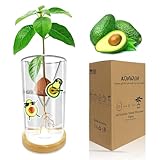
Dreaming of fresh guacamole and homegrown avocados? It’s easier than you think! Growing an avocado plant from a pit is a rewarding project that brings a touch of the tropics to your home. While it requires patience, the process is surprisingly simple, and the satisfaction of nurturing a plant from a tiny seed to a flourishing tree is unmatched.
This comprehensive guide will walk you through every step of the process, from selecting the perfect avocado to transplanting your seedling. We’ll cover various methods, troubleshoot common problems, and provide tips for long-term care. Prepare to embark on an exciting journey, and soon you’ll be enjoying the fruits of your labor, quite literally!
Get ready to transform a simple pit into a beautiful, productive avocado tree. Let’s dive in and learn how to start avocado plant from pit and cultivate your own slice of avocado paradise!
Choosing the Right Avocado and Preparing the Pit
The journey to growing your own avocado plant begins with selecting the right avocado. Not all avocados are created equal, and some varieties are better suited for this endeavor than others. The type of avocado you choose can influence the ease of germination and the overall health of your future tree.
Consider choosing a Hass avocado, as they are widely available and known for their successful germination rates. Other varieties like Fuerte and Bacon can also be used, but the results might vary. Ensure your avocado is ripe but not overly soft, as this indicates a healthy, viable seed.
Selecting the Avocado
When selecting your avocado, look for one that feels firm to the touch but yields slightly when gently squeezed. Avoid avocados that are bruised, discolored, or show signs of decay. The pit inside the avocado is the key, so choose a fruit that appears healthy and has a good chance of containing a viable seed.
The size of the avocado doesn’t necessarily dictate the quality of the pit, but a larger avocado might suggest a larger pit, potentially offering more resources for the seedling to start. The most important factor is the overall health of the fruit and the absence of any visible damage.
Extracting and Cleaning the Pit
Once you’ve chosen your avocado, carefully cut around the large pit, avoiding any damage to it. Once the pit is exposed, remove it gently from the fruit. Wash the pit thoroughly under running water to remove any remaining avocado flesh, as this can attract mold and insects.
Be extremely careful not to damage the outer layer of the pit during this process. This outer layer protects the seed inside and is crucial for successful germination. Use your fingers or a soft cloth to gently rub off any remaining fruit.
Identifying the Top and Bottom of the Pit
Before proceeding, it’s crucial to identify the top and bottom of the avocado pit. The bottom is the wider, flatter end, which is where the roots will emerge. The top is the more pointed end, from which the sprout will grow.
This distinction is essential for the successful implementation of the methods discussed below, as the pit needs to be oriented correctly for the roots and sprout to develop properly. This can also help you avoid common mistakes during the germination process.
Germination Methods: Water and Soil
There are several methods for germinating an avocado pit, each with its own advantages and disadvantages. The two most popular methods involve water and soil. Both methods aim to provide the necessary conditions for the seed to sprout, but they differ in their approach and the level of monitoring required.
Let’s explore each method in detail, so you can choose the one that best suits your preferences and resources. The key to success is patience and consistent care, regardless of the method you choose.
The Water Method: Toothpick Technique
The water method is a classic and visually appealing way to germinate an avocado pit. It involves suspending the pit in water using toothpicks, allowing you to observe the root and sprout development. This method is relatively easy to set up and monitor.
Here’s how to do it: (See Also: How to Care for Snake Plant Indoors: Ultimate Guide)
- Prepare the Pit: Clean and dry the avocado pit as described above.
- Insert Toothpicks: Carefully insert three or four toothpicks around the middle of the pit, spaced evenly. These toothpicks will act as supports, suspending the pit in a glass of water.
- Position the Pit: Place the pit in a glass of water, with the bottom (wider end) submerged and the top (pointed end) exposed. The toothpicks should rest on the rim of the glass, holding the pit in place.
- Water and Sunlight: Place the glass in a location that receives bright, indirect sunlight. Change the water regularly, about once a week, to prevent mold and bacteria growth.
- Patience: Germination can take several weeks, or even months. Keep the water level consistent and be patient!
The water method offers a clear view of the germination process, allowing you to monitor the development of the roots and sprout. However, it requires regular water changes and careful monitoring to prevent mold and algae growth.
The Soil Method: A More Natural Approach
The soil method provides a more natural environment for the avocado pit to germinate, mimicking the conditions it would experience in the ground. This method can sometimes be quicker than the water method and may result in a stronger seedling.
Here’s how to do it:
- Prepare the Pit: Clean and dry the avocado pit.
- Planting: Fill a small pot with well-draining potting mix. Plant the pit in the soil, with the bottom half buried and the top half exposed.
- Watering: Water the soil thoroughly after planting. Keep the soil consistently moist but not waterlogged.
- Sunlight and Warmth: Place the pot in a location that receives bright, indirect sunlight and is warm.
- Patience: Germination can take several weeks or months. Monitor the soil moisture and be patient.
The soil method offers a more stable environment for the avocado pit, reducing the risk of mold and algae growth. It also allows the roots to develop directly in the soil, potentially leading to a stronger seedling. It requires less frequent maintenance than the water method.
Caring for Your Sprouting Avocado
Once your avocado pit has sprouted, it’s time to provide the care and attention it needs to thrive. Proper care involves providing adequate sunlight, water, and nutrients. This phase is crucial for the development of a healthy and robust avocado tree.
Regular monitoring and adjustments are essential to ensure the plant’s continued well-being. By following these guidelines, you can significantly increase the chances of your avocado seedling flourishing.
Sunlight Requirements: Finding the Right Balance
Avocado plants thrive in bright, indirect sunlight. Avoid placing your seedling in direct sunlight, especially during the hottest parts of the day, as this can scorch the leaves. A location near an east-facing or west-facing window is often ideal.
If you notice the leaves turning yellow or brown, it could indicate too much direct sunlight. If the plant is not getting enough light, the leaves may appear pale and the growth may be stunted. Adjust the location accordingly to ensure your avocado plant receives the right amount of light.
Watering: The Key to Healthy Growth
Proper watering is critical for the health of your avocado plant. Water your plant when the top inch of soil feels dry to the touch. Avoid overwatering, as this can lead to root rot. Make sure the pot has drainage holes to allow excess water to escape.
During the growing season (spring and summer), you may need to water more frequently than during the dormant season (fall and winter). Adjust the watering schedule based on the environmental conditions and the plant’s needs.
Fertilizing: Nourishing Your Avocado
Regular fertilization provides essential nutrients for healthy growth. Use a balanced liquid fertilizer formulated for houseplants or fruit trees. Follow the instructions on the fertilizer label for application rates and frequency.
Fertilize your avocado plant during the growing season (spring and summer) and reduce or stop fertilization during the dormant season (fall and winter). Avoid over-fertilizing, as this can damage the roots.
Transplanting Your Avocado Seedling
Once your avocado seedling has grown several leaves and a strong root system, it’s time to transplant it into a larger pot. This process provides more space for the roots to expand and allows the plant to continue growing.
Select a pot that is at least twice the size of the current pot and has good drainage. The soil is also important and should be well-draining, such as a mix that contains some perlite. (See Also: How to Take Care of a Rubber Plant: A Complete Guide)
Choosing the Right Pot and Soil
Select a pot that is at least twice the size of the current pot. The pot should have drainage holes to prevent waterlogging. Terracotta pots are a good option as they allow for better air circulation and drainage.
Use a well-draining potting mix. A mixture of potting soil, perlite, and compost is ideal. This combination provides good drainage, aeration, and nutrients for the plant.
Transplanting Process
- Prepare the New Pot: Fill the new pot with the potting mix, leaving some space at the top.
- Gently Remove the Seedling: Carefully remove the avocado seedling from its current pot, taking care not to damage the roots.
- Planting: Place the seedling in the center of the new pot and fill in the space around the roots with potting mix.
- Watering: Water the newly transplanted seedling thoroughly.
- Location: Place the transplanted seedling in a location that receives bright, indirect sunlight.
After transplanting, water the seedling thoroughly and monitor it for any signs of stress. The plant might experience some temporary wilting after transplanting, but it should recover within a few days.
Ongoing Care After Transplanting
After transplanting, continue to provide the same care as before, including adequate sunlight, watering, and fertilization. Monitor the plant for any signs of pests or diseases. Rotate the pot regularly to ensure even growth.
As your avocado plant grows, you may need to repot it into a larger container every year or two. This will allow the roots to continue to expand and the plant to thrive. Consistent care ensures the best outcomes.
Common Problems and Solutions
Growing an avocado plant from a pit can present some challenges. Recognizing and addressing these issues promptly can help ensure the health and vitality of your plant. This section covers common problems and provides practical solutions.
Understanding these issues will help you troubleshoot and maintain a healthy avocado plant. Be prepared to adapt your care regimen as needed to address any issues that arise.
Pest Control
Avocado plants can be susceptible to various pests, including spider mites, aphids, and mealybugs. Regularly inspect your plant for any signs of infestation, such as small webs, sticky residue, or visible insects.
If you detect pests, isolate the affected plant to prevent the infestation from spreading to other plants. Treat the infestation with insecticidal soap or neem oil, following the instructions on the product label. Consider the environment around the plant as well.
Disease Management
Avocado plants can also be affected by diseases, such as root rot and fungal infections. Root rot is often caused by overwatering, while fungal infections can be triggered by high humidity and poor air circulation.
To prevent root rot, ensure that your plant has good drainage and allow the soil to dry out between waterings. For fungal infections, improve air circulation and treat the plant with a fungicide if necessary. Prevention is key.
Leaf Problems: Yellowing, Browning, and Dropping
Yellowing leaves can indicate various problems, including overwatering, underwatering, nutrient deficiencies, or pest infestations. Browning leaves can result from sunburn, dry air, or pest damage. Leaf dropping can be caused by stress, such as changes in the environment or improper watering.
Inspect your plant for any signs of these issues and adjust your care accordingly. Provide the correct amount of sunlight, water, and nutrients. Addressing these issues quickly can help maintain the plant’s health.
Pruning and Maintenance
Pruning is an essential part of caring for your avocado plant. It helps to shape the plant, encourage growth, and remove any dead or diseased branches. Regular maintenance also helps ensure the plant’s overall health and appearance. (See Also: Unlocking Jade Plant Success: How Often to Water Your Plant)
Learning the proper pruning techniques and maintenance practices is crucial for the long-term health and productivity of your avocado tree. Proper care will also help you create a more aesthetically pleasing plant.
Pruning Techniques
Prune your avocado plant regularly to remove any dead, damaged, or crossing branches. This will improve air circulation and light penetration, promoting healthy growth. Use sharp pruning shears to make clean cuts.
When pruning, aim to shape the plant and encourage branching. You can also prune to control the size of the plant. Pruning is best done during the dormant season (fall and winter).
Maintenance Tips
Regular maintenance includes checking the plant for pests and diseases, watering and fertilizing as needed, and repotting the plant when it outgrows its container. Wipe the leaves occasionally to remove dust and improve their ability to absorb sunlight.
Monitor the plant’s overall health and adjust your care regimen as needed. Consistent maintenance will help keep your avocado plant healthy and thriving. Proper maintenance also allows you to enjoy the plant for years.
Will My Avocado Tree Produce Fruit?
The prospect of harvesting your own avocados is undoubtedly exciting. However, it’s important to have realistic expectations. While it’s possible for an avocado tree grown from a pit to produce fruit, it’s not always guaranteed.
Several factors influence fruit production, including the variety of avocado, the growing conditions, and the age of the tree. The waiting period can be quite long, but with patience and proper care, you may eventually enjoy homegrown avocados.
Factors Affecting Fruit Production
The variety of avocado you choose plays a significant role in fruit production. Some varieties, such as Hass, are more likely to produce fruit than others. The growing conditions, including sunlight, water, and temperature, also impact fruit production.
Avocado trees grown from pits often take several years, sometimes up to 10 years, to bear fruit. The age of the tree is a crucial factor. In addition, avocado trees require cross-pollination to produce fruit, which means you may need to have multiple avocado trees for pollination.
Tips to Encourage Fruit Production
To increase the chances of fruit production, choose a variety known for its fruiting potential. Provide the tree with optimal growing conditions, including plenty of sunlight, consistent watering, and proper fertilization. Consider grafting your tree with a known fruiting variety.
Prune your tree regularly to encourage branching and fruit production. Protect your tree from pests and diseases. If your tree does not produce fruit, consider it a beautiful ornamental plant.
Conclusion: Your Avocado Adventure Begins
Growing an avocado plant from a pit is a rewarding experience that combines patience, care, and a touch of green thumb magic. You now know how to start avocado plant from pit. By following the steps outlined in this guide, you’re well on your way to cultivating your own avocado tree. Remember that the journey itself is the reward, and the anticipation of fresh, homegrown avocados is a delightful bonus.
Embrace the process, learn from any challenges, and enjoy the satisfaction of watching your avocado plant flourish. With dedication and attention, you can transform a simple pit into a thriving plant that brings a touch of nature and a taste of the tropics to your home. Happy growing!
Recommended Products