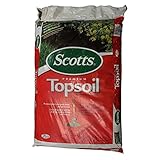
Are you staring at a bare patch of earth, dreaming of a vibrant, green lawn? The secret to achieving that lush, healthy turf often lies in the quality of your soil. And a crucial step in transforming your outdoor space is knowing how to spread top soil correctly. It’s more than just dumping dirt; it’s about creating the perfect foundation for your grass to thrive.
This guide will walk you through every step, from selecting the right topsoil to achieving a smooth, even surface. We’ll cover everything, including the tools you’ll need, the best techniques, and some common pitfalls to avoid. Prepare to get your hands dirty, because by the end, you’ll be equipped to create a lawn that’s the envy of the neighborhood.
So, let’s get started and turn that dream lawn into a reality!
What Is Top Soil and Why Is It Important?
Before we dive into the ‘how,’ let’s clarify the ‘what’ and the ‘why.’ Top soil is the uppermost layer of the earth’s surface, typically ranging from a few inches to a foot deep. It’s rich in organic matter, minerals, and microorganisms that are essential for plant growth. Think of it as the lifeblood of your lawn.
Why is top soil so crucial?
- Nutrient Supply: It provides essential nutrients like nitrogen, phosphorus, and potassium, which are vital for plant health.
- Water Retention: Good topsoil helps retain moisture, reducing the need for frequent watering.
- Aeration: It allows for proper air circulation to the roots, preventing root rot.
- Drainage: It facilitates drainage, preventing waterlogging.
- Root Development: It provides a conducive environment for root growth, anchoring the plants firmly.
Without adequate topsoil, your lawn will struggle to thrive. Poor soil can lead to stunted growth, patchy areas, and increased susceptibility to diseases and pests. That’s why understanding how to spread top soil properly is so important.
Types of Top Soil: Choosing the Right One
Not all topsoil is created equal. The best choice depends on your specific needs and the type of plants you intend to grow. Here’s a breakdown of common types:
- Natural Topsoil: This is the top layer of earth that’s been screened to remove rocks and debris. It’s generally a good all-around choice.
- Amended Topsoil: This type of topsoil has been mixed with other materials to improve its quality. Common amendments include compost, manure, or peat moss. Amended topsoil is often a better choice because of the added nutrients.
- Blended Topsoil: This is a mix of natural topsoil and other materials, such as sand or compost, to improve drainage, fertility, and texture.
- Garden Soil: Often a blend of topsoil, compost, and other soil amendments, formulated specifically for gardens.
- Fill Dirt: Used to level a site, it may or may not contain nutrients. Avoid using this for planting unless you amend it heavily.
Consider these factors when choosing:
- Soil Test: Get a soil test to determine the existing soil’s composition and any deficiencies. This will help you choose the right type of topsoil and amendments.
- Budget: The price of topsoil varies depending on the type and quality.
- Project Needs: Consider whether you’re starting a new lawn, repairing an existing one, or building a garden.
Where to Buy Top Soil: You can usually purchase topsoil from local garden centers, landscaping supply stores, or home improvement stores. Some suppliers offer delivery, which can be a lifesaver if you’re working on a large project. (See Also: Boost Your Garden: How to Increase Soil Ph Naturally (easy Guide))
Tools You’ll Need
Before you begin, gather the necessary tools. This will make the job much easier and more efficient.
- Shovel: For moving and spreading the topsoil. A flat-nosed shovel is ideal for spreading.
- Wheelbarrow or Cart: To transport the topsoil from the delivery point to the work area.
- Rake: A bow rake is best for spreading and leveling the soil. A leaf rake can be used for light work.
- Level: To ensure an even surface. A long carpenter’s level or a landscape level is ideal.
- Measuring Tape: To measure the depth of the topsoil.
- Tarp or Drop Cloth: To protect surfaces from spills.
- Gloves: To protect your hands.
- Safety Glasses: To protect your eyes.
- Optional: Soil tamper (for compacting the soil), garden hose or sprinkler (for watering).
Preparing the Site
Proper site preparation is essential for a successful lawn. This involves several steps:
- Clear the Area: Remove any existing grass, weeds, rocks, debris, and any other obstructions.
- Rough Grading: Use your shovel and rake to create a general level, sloping away from buildings to encourage drainage.
- Address Drainage Issues: If you have areas that tend to hold water, consider installing drainage systems or creating slight slopes.
- Loosen the Existing Soil: Use a tiller or garden fork to loosen the soil to a depth of several inches. This will help the new topsoil integrate with the existing soil and improve drainage.
- Remove Any Remaining Debris: After tilling, rake the area again to remove any remaining rocks or roots.
- Soil Test (Again): If you haven’t already, now is a good time to get a soil test to identify any nutrient deficiencies or imbalances in the existing soil. This will help you determine if you need to add any soil amendments before spreading the topsoil.
How to Spread Top Soil: Step-by-Step Guide
Now, let’s get to the main event: spreading the topsoil.
- Delivery and Placement: If the topsoil is delivered in a pile, decide where to place it for easy access. Consider the layout of your yard and the distance you’ll need to transport the soil.
- Transport the Soil: Using your wheelbarrow or cart, transport the topsoil to the area you’re working on.
- Initial Spreading: Dump the topsoil in piles across the prepared area. Space the piles evenly to make spreading easier.
- Rough Leveling: Use your shovel to spread the topsoil roughly, aiming for the desired depth. The depth will depend on your needs, but a general guideline is 4-6 inches for new lawns.
- Raking: Use your bow rake to spread the topsoil evenly, breaking up any clumps and filling in low spots.
- Leveling: Use your level to check for an even surface. Place the level on the soil and move it around, making adjustments as needed.
- Compaction (Optional): If you’re building a new lawn, you might want to lightly compact the soil to help settle it. Use a soil tamper or your feet to gently press the soil. Be careful not to over-compact, as this can hinder root growth.
- Final Grading: Once the soil is level, rake it one last time to remove any remaining imperfections and create a smooth surface.
- Watering (Optional): Lightly water the newly spread topsoil to help settle it and prepare it for planting.
Spreading Top Soil for Specific Situations
The general steps above apply to most situations, but here’s how to adapt your approach for specific scenarios:
For New Lawns:
- Depth: Aim for a 4-6 inch layer of topsoil.
- Compaction: Lightly compact the soil after leveling.
- Seeding/Sodding: Follow the manufacturer’s instructions for seeding or laying sod.
For Patching Existing Lawns:
- Depth: Match the existing soil level.
- Preparation: Remove dead grass and loosen the soil in the patch area.
- Blending: Feather the edges of the new topsoil to blend seamlessly with the existing lawn.
For Gardens:
- Depth: Varies depending on the plants. Check plant requirements.
- Amendments: Add compost, manure, or other amendments as needed.
- Raised Beds: Consider building raised beds for better drainage and soil quality.
Common Mistakes to Avoid
Even with the best intentions, it’s easy to make mistakes. Here are some common pitfalls and how to avoid them:
- Using the Wrong Type of Topsoil: Ensure you choose the appropriate type for your project and soil conditions.
- Poor Site Preparation: Skipping the preparation steps can lead to uneven settling and poor drainage.
- Spreading Too Thinly: Insufficient topsoil can result in poor plant growth and a weak lawn.
- Over-Compaction: Packing the soil too tightly can suffocate roots.
- Ignoring Drainage Issues: Neglecting drainage problems can lead to waterlogging and plant death.
- Not Leveling Properly: An uneven surface can create unsightly dips and bumps.
- Planting Immediately: Give the topsoil a few days to settle before planting.
Maintenance After Spreading Top Soil
Once you’ve spread the topsoil, proper maintenance is key to a healthy lawn:
- Watering: Water regularly, especially during dry periods. Follow the watering guidelines for your grass type.
- Fertilizing: Apply fertilizer as needed, following the instructions on the product label.
- Mowing: Mow your lawn regularly, maintaining the recommended height for your grass type.
- Weeding: Control weeds to prevent them from competing with your grass for nutrients and water.
- Aerating: Aerate your lawn periodically to improve air circulation and drainage.
Frequently Asked Questions (people Also Ask)
Here are some of the most common questions people have about spreading topsoil:
How much topsoil do I need? The amount of topsoil you need depends on the area you’re covering and the desired depth. Calculate the area of your lawn in square feet (length x width). Then, multiply that area by the desired depth in feet (inches divided by 12). This will give you the cubic feet of topsoil needed. Most topsoil is sold by the cubic yard. One cubic yard equals 27 cubic feet. (See Also: How Much Does a Cubic Yard of Soil Weigh? Your Complete Guide)
Can I spread topsoil over existing grass? Generally, it’s not recommended to spread topsoil directly over existing grass, especially if you’re trying to improve the lawn. The grass will decompose, and the surface will be uneven. It’s best to remove the existing grass first, or at least scalp it very low before spreading topsoil for a renovation.
How long should I wait to seed after spreading topsoil? It’s generally a good idea to wait a few days to a week after spreading topsoil before seeding. This allows the soil to settle and helps prevent the seeds from being washed away. Make sure the soil is moist before seeding.
Can I use topsoil for vegetable gardens? Yes, but ensure the topsoil is suitable for vegetable gardening. It should be rich in organic matter and free of harmful chemicals. You may need to amend it with compost or other organic materials.
How do I calculate cubic yards of topsoil? First, calculate the volume in cubic feet (length x width x depth). Then, divide the cubic feet by 27 (since there are 27 cubic feet in a cubic yard) to get the cubic yards needed.
What is the best way to level a yard with topsoil? The best way to level a yard is to use a combination of a shovel, wheelbarrow, rake, and level. First, distribute the topsoil evenly. Then, use the rake to spread and level the soil. Finally, use the level to check for an even surface and make adjustments as needed.
How do you prepare soil for topsoil? Prepare the soil by removing any existing grass, weeds, and debris. Loosen the existing soil with a tiller or garden fork. Remove any remaining rocks or roots. Level the area roughly, and then apply topsoil.
What is the best type of topsoil for lawns? A blended topsoil is often the best choice for lawns. This type typically combines natural topsoil with other materials like sand and compost to improve drainage, fertility, and texture.
How do you spread topsoil by hand? Spread the topsoil in piles across the area. Use a shovel to spread the soil roughly, and then use a bow rake to distribute it evenly. Use a level to check for an even surface. (See Also: How Much Does Top Soil Weigh? The Ultimate Guide)
Can I use a rototiller to spread topsoil? You can use a rototiller to prepare the existing soil before spreading topsoil, but it’s not ideal for spreading the topsoil itself. A rake is a better tool for spreading and leveling.
How much topsoil do I need for a 10×10 area? This depends on the desired depth. For example, if you want to add 4 inches of topsoil to a 10×10 area, you’ll need approximately 1.2 cubic yards of topsoil. (10ft x 10ft x 0.33ft = 33 cubic feet / 27 = 1.2 cubic yards.)
Can you put too much topsoil on a lawn? Yes, you can put too much topsoil on a lawn. Adding too much can smother the grass and prevent it from getting enough air and sunlight. It’s generally best to add no more than 4-6 inches of topsoil at a time.
Is it better to till before or after adding topsoil? It’s best to till the existing soil before adding topsoil. Tilling loosens the soil and helps the new topsoil integrate with the existing soil. You can also lightly till after adding topsoil to incorporate it further, but be careful not to overdo it.
Verdict
Spreading topsoil is a fundamental step in creating a thriving lawn or garden. By following these steps, you can ensure a smooth, level surface that provides the perfect foundation for healthy plant growth. Remember to choose the right type of soil, prepare the site properly, and take your time to achieve an even spread. With a little effort, you’ll be well on your way to enjoying a beautiful, verdant landscape.
Recommended Products