Are you looking to protect your property, livestock, or garden with an electric fence but feel overwhelmed by the process? You’re not alone! Setting up an electric fence can seem daunting, but with the right knowledge and a bit of effort, it’s a manageable task. This guide will walk you through every step, from choosing the right components to ensuring your fence is safe and effective.
We understand the importance of clear, concise instructions. Whether you’re dealing with pesky deer, protecting your chickens from predators, or securing a large pasture, an electric fence provides a reliable barrier. This article will break down the process into easy-to-follow steps, including essential safety tips and troubleshooting advice. Let’s get started!
Understanding Electric Fences: The Basics
Before diving into the setup, let’s clarify what an electric fence is and how it works. An electric fence is a physical barrier that delivers a brief, but memorable, electric shock to deter animals or intruders. It’s a highly effective way to manage livestock, protect property, and keep unwanted visitors out. The key components work together to deliver this shock safely and efficiently.
What Are the Key Components?
An electric fence system consists of several essential parts. Understanding each component is crucial for building a functional and safe fence:
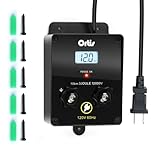
- Energizer (Charger): This is the heart of the system. It converts low-voltage power (from a battery, mains electricity, or solar panel) into high-voltage, low-amperage pulses. This is what delivers the shock.
- Fence Wire: This is the conductive material that carries the electric current. Common choices include steel wire, polywire, and polytape. The choice depends on the application.
- Insulators: These are crucial for preventing the electric current from short-circuiting to the fence posts. They isolate the wire from the ground and posts.
- Fence Posts: These support the fence wire. They can be made of various materials, including wood, fiberglass, or metal. The choice depends on the terrain and the animals you’re trying to contain or deter.
- Grounding System: This is a critical safety feature. It provides a return path for the electrical current back to the energizer. A proper grounding system ensures the fence works effectively and is safe for both animals and people.
- Lightning Protection: This protects the energizer from damage caused by lightning strikes. It’s an important consideration, especially in areas prone to thunderstorms.
- Fence Tester: This tool allows you to check the voltage of the fence and diagnose any problems.
Types of Electric Fences
Electric fences can be categorized based on their power source and intended use. Here are some common types:
- Mains-Powered Fences: These fences use electricity from your home’s power supply. They are generally the most powerful and suitable for larger areas.
- Battery-Powered Fences: These fences run on a 12-volt battery. They’re ideal for remote locations where mains power isn’t available. You’ll need to recharge the battery periodically.
- Solar-Powered Fences: These fences use solar panels to charge a battery, making them a sustainable and convenient option.
- Portable Fences: These are designed for temporary use and are easy to set up and take down. They’re often used for rotational grazing or to create temporary paddocks.
- Permanent Fences: These are designed for long-term use and are typically more robust than portable fences.
Safety Considerations
Electric fences can be very safe if installed and maintained correctly. However, it’s essential to prioritize safety. Here are some key safety tips:
- Never touch the fence wire with your bare hands while the energizer is on.
- Always disconnect the energizer before working on the fence.
- Clearly mark the fence with warning signs, especially in areas accessible to the public.
- Install the fence at a height appropriate for the animals or intruders you’re trying to manage.
- Regularly inspect the fence for damage and repair any issues promptly.
- Ensure the grounding system is properly installed and maintained.
- Avoid running the fence wire over or near power lines.
- Keep vegetation away from the fence wire to prevent shorts.
Choosing the Right Components
Selecting the right components is crucial for a successful electric fence installation. Here’s a breakdown of what to consider when choosing each part:
Energizer Selection
The energizer is the most important component. The correct energizer will depend on several factors, including: (See Also: How to Electrify a Garden Fence: Your Ultimate Guide (diy & Safety))
- Length of the fence: The longer the fence, the more powerful the energizer you’ll need.
- Type of animals: Different animals require different levels of power. For example, a fence for deer needs more power than one for chickens.
- Vegetation: If you have a lot of vegetation touching the fence, you’ll need a more powerful energizer to overcome the drain on the current.
- Power source: Choose an energizer that matches your available power source (mains, battery, or solar).
When selecting an energizer, consider the following:
- Output voltage: Measured in kilovolts (kV). Higher voltage means a stronger shock.
- Stored energy: Measured in joules (J). This indicates the amount of energy the energizer can deliver.
- Pulse duration: The length of time the energizer delivers the pulse.
- Warranty: A good warranty can provide peace of mind.
Fence Wire Selection
The type of fence wire you choose will depend on the animals you’re containing and the terrain. Here are some common options:
- Steel Wire: This is a durable and cost-effective option. It’s a good choice for permanent fences.
- Polywire: This is a flexible wire made of plastic and conductive strands. It’s a good choice for portable fences and rotational grazing. It is also safer for horses.
- Polytape: This is a wider, more visible option, often used for horses.
- Polyrope: Similar to polywire but thicker.
Consider these factors when choosing fence wire:
- Conductivity: How well the wire conducts electricity.
- Visibility: How easily the wire can be seen by animals and people.
- Tensile strength: How strong the wire is.
- Durability: How well the wire will withstand the elements.
Insulator Selection
Insulators prevent the electric current from short-circuiting to the fence posts. Choose insulators that are compatible with your fence posts and wire type. Common types of insulators include:
- Pin-on insulators: These are typically used with wood posts.
- Screw-in insulators: These screw directly into the posts.
- Offset insulators: These hold the wire away from the posts, providing more clearance.
Make sure to choose insulators that are:
- UV resistant: To withstand exposure to sunlight.
- Durable: To withstand the elements and the pressure from the wire.
- Compatible: With your fence posts and wire type.
Fence Post Selection
The type of fence posts you choose will depend on the terrain, the animals you’re containing, and the fence’s permanence. Here are some common options:
- Wood Posts: These are a traditional choice. They are durable and can be used for both permanent and temporary fences.
- Metal Posts: These are strong and easy to install. They are a good choice for permanent fences.
- Fiberglass Posts: These are lightweight and flexible. They are a good choice for portable fences.
- T-posts: Made from steel with a T-shaped profile, driven into the ground.
Consider these factors when choosing fence posts: (See Also: How to Tell Whose Fence It Is: A Simple Guide to Property Lines)
- Strength: How well the posts can withstand the pressure from the fence wire and the animals.
- Durability: How well the posts will withstand the elements.
- Ease of installation: How easy the posts are to install.
- Cost: The price of the posts.
Grounding System Components
A good grounding system is essential for the fence to work effectively and safely. You’ll need the following components:
- Ground rods: Copper-clad steel rods driven into the ground.
- Ground wire: Insulated wire to connect the energizer to the ground rods.
- Ground clamps: To securely connect the ground wire to the ground rods.
The number of ground rods you need will depend on the size of your fence and the soil conditions. Generally, you need at least three ground rods spaced 10 feet apart. In dry or sandy soil, you may need more. Test the grounding system with a fence tester to make sure it is performing correctly.
Step-by-Step Guide to Setting Up an Electric Fence
Now that you understand the components and have chosen the right ones, let’s get into the step-by-step installation process. These steps provide a solid foundation for your electric fence project.
- Plan Your Fence Layout: Before you start, carefully plan the layout of your fence. Consider the following:
- The area you want to enclose: Measure the perimeter of the area.
- The type of animals you’re containing: This will determine the height and number of wires you need.
- The terrain: Note any obstacles, such as trees, rocks, and changes in elevation.
- Gates: Plan the location of gates for access.
- Corners and curves: Plan how you will navigate corners and curves.
- For permanent fences: Install the corner and gate posts first. These posts should be sturdy and well-braced. Then, install the line posts at regular intervals. The spacing between posts will depend on the type of post, the terrain, and the animals you’re containing.
- For temporary fences: Use step-in posts or fiberglass posts.
- Unroll the wire: Carefully unroll the wire along the fence line.
- Attach the wire to the insulators: Securely attach the wire to the insulators, making sure it’s taut.
- Use strainers: At corners and gates, use strainers to keep the wire tight.
- Choose a location: Choose a location for the energizer that is protected from the elements and easily accessible.
- Mount the energizer: Mount the energizer securely.
- Connect the energizer to the fence wire: Connect the positive terminal of the energizer to the fence wire.
- Drive the ground rods: Drive the ground rods into the ground, at least 6 feet deep.
- Connect the ground wire: Connect the ground wire from the energizer to the ground rods.
- Mains-powered energizers: Plug the energizer into a power outlet.
- Battery-powered energizers: Connect the energizer to the battery.
- Solar-powered energizers: Connect the energizer to the solar panel and battery.
- Use a fence tester: Use a fence tester to check the voltage of the fence at several points along the fence line. The voltage should be within the recommended range for your animals.
- Check for shorts: Look for any signs of shorts, such as sparks or buzzing sounds.
- Test the grounding system: Test the grounding system by driving a metal rod into the ground and placing the fence tester probe on the rod. The voltage should be low.
Troubleshooting Common Issues
Even with careful planning and installation, you might encounter some issues. Here’s how to troubleshoot common problems:
- Fence is not working at all:
- Check the power source: Make sure the energizer is plugged in or that the battery is charged.
- Check the connections: Ensure all connections are secure.
- Check the ground: Make sure the grounding system is properly installed and functioning.
- Check the energizer: The energizer might be faulty.
- Fence has low voltage:
- Check for shorts: Look for vegetation touching the fence wire or damaged insulators.
- Check the grounding system: The grounding system might not be adequate.
- Check the energizer: The energizer might not be powerful enough, or it might be faulty.
- Fence is sparking:
- Check for shorts: Look for vegetation touching the fence wire or damaged insulators.
- Check the insulators: Replace any damaged insulators.
- Animals are escaping:
- Check the voltage: Make sure the voltage is high enough for the animals you’re containing.
- Check the fence height: Make sure the fence is the correct height for the animals.
- Check the grounding system: Ensure the grounding system is functioning properly.
- Consider adding more wires: For persistent escapees, adding more wires may be necessary.
Faq: People Also Ask
To further clarify the process, let’s address some frequently asked questions:
How High Should an Electric Fence Be?
The height of your electric fence depends on the animals you’re trying to contain or deter. For example, a fence for sheep or goats might be 3-4 feet high, while a fence for horses might be 5-6 feet high. For deer, a fence should be at least 8 feet high.
How Many Joules Do I Need for an Electric Fence?
The number of joules you need depends on the length of the fence and the type of animals you’re containing. A general rule of thumb is to use an energizer with at least 1 joule of stored energy for every mile of fence. However, for heavily vegetated areas or areas with large animals, you may need more. (See Also: How to Replace Rails in a Split Rail Fence: A Step-by-Step Guide)
How to Test an Electric Fence?
You can test an electric fence using a fence tester. Touch the probe of the tester to the fence wire and the ground wire to the ground. The tester will display the voltage of the fence. You should also check the fence for shorts by looking for sparks or buzzing sounds. Ensure the ground system is performing correctly by checking the voltage near the ground rods.
What Is a Good Voltage for an Electric Fence?
A good voltage for an electric fence is generally between 3,000 and 10,000 volts. The exact voltage you need will depend on the animals you’re containing. Higher voltage is needed for larger animals or those with thick coats. Ensure your fence is at the recommended voltage for your specific needs.
Can You Use an Electric Fence Without a Ground Wire?
No, you cannot effectively or safely use an electric fence without a proper grounding system. The ground wire provides a return path for the electrical current back to the energizer. Without a ground, the fence will not work effectively, and it could be dangerous. The grounding system is a critical safety feature.
How Often Should I Check My Electric Fence?
You should check your electric fence regularly, at least once a week, and more frequently during periods of heavy rain or snowfall. Look for any damage, such as broken wires, damaged insulators, or vegetation touching the fence. Also, check the voltage of the fence and the grounding system.
How Long Does an Electric Fence Last?
The lifespan of an electric fence depends on the quality of the components, the environmental conditions, and the maintenance you provide. With proper maintenance, an electric fence can last for many years, even decades. The energizer may need to be replaced sooner than the other components.
Final Verdict
Setting up an electric fence is a straightforward process when you have the right information. By understanding the components, choosing the correct equipment, and following the step-by-step instructions, you can create a safe and effective barrier for your property or livestock. Remember to prioritize safety throughout the installation and maintenance process.
Regular maintenance and attention to detail are key to ensuring the long-term effectiveness of your electric fence. With a properly installed and maintained electric fence, you can enjoy peace of mind knowing that your property and animals are well-protected. Happy fencing!
Recommended Products