Did you accidentally give your beloved houseplant a bit *too* much love? Overwatering is a common gardening mishap, and it can be a devastating one. But don’t despair! Many plants can be revived if you act quickly and know the right steps to take. This guide will walk you through the process of how to save a plant that has been overwatered, from recognizing the signs to implementing effective solutions.
Understanding the problem is the first step to a successful recovery. Overwatering deprives the roots of oxygen, leading to root rot and ultimately, plant death. This guide will provide you with the knowledge and tools you need to diagnose the issue, assess the damage, and nurse your plant back to health. Let’s get started on the journey to plant recovery!
Recognizing the Signs of an Overwatered Plant
Identifying the symptoms of overwatering is crucial for a timely intervention. Often, the signs can be mistaken for other issues like underwatering or pest infestations. However, with a keen eye, you can differentiate between these and provide the right care. Early detection can significantly increase your plant’s chances of survival. Knowing what to look for can be the difference between a thriving plant and a plant that is beyond saving.
Leaf Symptoms
The leaves often provide the first and most obvious clues. Yellowing leaves, particularly on the lower portions of the plant, are a common indicator. The leaves may also appear droopy or wilted, even when the soil is wet. This is because the roots are unable to efficiently transport water to the leaves. In severe cases, the leaves may develop brown or black spots, indicating tissue decay.
- Yellowing Leaves: Often starting at the bottom of the plant.
- Drooping/Wilting: Even when the soil is wet.
- Brown/Black Spots: Indicating tissue decay.
- Leaf Edges Turning Brown: A sign of advanced root rot.
Stem and Soil Symptoms
Beyond the leaves, the stem and soil also provide valuable insights. A soft or mushy stem is a clear indication of overwatering. This is a sign of rot, as the stem’s structure weakens. The soil itself might appear waterlogged, staying wet for extended periods. This lack of drainage is a primary contributor to overwatering issues. A musty or foul odor emanating from the soil is another telltale sign of root rot, caused by the anaerobic environment created by excess water.
- Soft/Mushy Stem: A sign of rot.
- Waterlogged Soil: Soil that stays wet for too long.
- Musty/Foul Odor: Indicating root rot.
- Mold or Fungal Growth: On the soil surface.
Root Symptoms
Unfortunately, you often can’t see the roots without disturbing the plant. However, if you suspect overwatering, gently examine the roots. Healthy roots are typically firm and white or light-colored. Overwatered roots, on the other hand, are often brown or black and mushy. They may also have a foul smell. Severely rotted roots will easily fall apart when touched. Root rot is a serious condition, but early intervention can still save the plant.
- Brown/Black Roots: Instead of white or light-colored.
- Mushy Roots: Soft and easily pulled apart.
- Foul Odor: Indicating root decay.
Immediate Actions to Take
Once you’ve confirmed that your plant is overwatered, swift action is critical. The following steps should be taken immediately to mitigate further damage. These initial steps can make a huge difference in the plant’s recovery. Delaying these actions can worsen the situation and reduce the chances of saving the plant.
Remove the Plant From Its Pot
Carefully remove the plant from its pot. This allows you to assess the root system and provide the roots with more air. Gently loosen the soil around the edges of the pot to help slide the plant out. Be as gentle as possible to avoid further damaging the already stressed roots. If the plant is stuck, you might need to tap the sides of the pot or use a trowel to loosen the soil.
Assess the Roots
Once the plant is out of the pot, examine the roots closely. Look for any signs of root rot, such as brown, black, or mushy roots. Healthy roots should be firm and white or light-colored. If you find a significant amount of rot, trim away the affected roots. Use clean, sharp scissors or pruning shears to prevent the spread of disease. This step is crucial for removing the source of the problem.
Remove Excess Soil
Gently remove the excess soil from the root ball. This helps to improve aeration and allows the roots to dry out. Be careful not to damage the healthy roots. You can gently shake the root ball or use your fingers to loosen the soil. Removing some of the soil also helps to prevent the plant from sitting in waterlogged conditions again. This action is critical for the plant’s survival. (See Also: Expert Guide: How to Take Care of a Rosemary Plant Indoors)
Repotting Your Plant: Step-by-Step Guide
Repotting is a crucial step in saving an overwatered plant, as it provides fresh, well-draining soil and allows for root inspection and trimming. This process gives the plant a fresh start and supports its recovery. Following these steps carefully will maximize the chances of success.
Choosing the Right Pot
Select a pot with good drainage. Drainage holes are essential to prevent future overwatering issues. Consider the pot’s material; terracotta pots are excellent because they allow excess moisture to evaporate through their porous sides. The new pot should be slightly larger than the previous one, giving the roots room to grow. Make sure the pot has enough space for the plant’s root system to thrive. Avoid pots without drainage holes, as they can exacerbate the problem.
Selecting the Right Soil
Choose a well-draining potting mix. A mixture specifically formulated for the plant type is ideal. For general use, a mix of potting soil, perlite, and sand is effective. Perlite and sand improve drainage and aeration, which are essential for healthy roots. Avoid using garden soil, as it often compacts and retains too much water. The right soil mix is critical to prevent future overwatering problems.
Preparing the Pot
Place a layer of fresh potting mix at the bottom of the new pot. This will create a good base for the plant. Make sure the drainage holes are not blocked. This layer should be deep enough to accommodate the root ball. The depth of this layer will vary depending on the plant’s size. Ensure the pot is ready for the plant before proceeding.
Planting the Plant
Carefully place the plant in the new pot, ensuring the top of the root ball is level with the soil surface. Fill the remaining space around the roots with the potting mix. Gently press the soil around the plant to secure it in place. Make sure the plant is centered in the pot. This step ensures proper support for the plant.
Watering After Repotting
Water the plant lightly after repotting. This helps the soil settle and encourages the roots to establish themselves. Avoid overwatering at this stage. You can also use a diluted solution of a root stimulator to help promote root growth. This will help the plant recover and establish itself in the new pot. Be careful not to overwater.
Post-Repotting Care and Maintenance
After repotting, proper care is crucial for the plant’s recovery. Regular maintenance and careful observation can help ensure the plant thrives. Adjusting your watering schedule, providing appropriate light, and monitoring for signs of stress are key components of this phase. Proper care at this stage will determine the plant’s long-term health and growth.
Adjusting Your Watering Schedule
Allow the soil to dry out slightly between waterings. Overwatering can quickly undo all your efforts. Check the soil moisture by inserting your finger about an inch or two deep. Water only when the top inch of soil feels dry. The frequency of watering will depend on the plant type, the environment, and the season. Observe your plant closely and adjust accordingly. Using a moisture meter can also assist in monitoring soil moisture levels.
Providing Appropriate Light
Place the plant in a location with appropriate light conditions. The amount of light the plant needs will depend on its species. Most plants benefit from bright, indirect light. Avoid direct sunlight, which can scorch the leaves of a weakened plant. Observe the plant for signs of light stress, such as leaf discoloration or scorching. Adjust the plant’s location as needed to ensure it receives the ideal amount of light. (See Also: Learn How to Draw Plant Easy: Step-by-Step Guide)
Monitoring for Signs of Stress
Keep a close eye on your plant for any signs of stress. This includes yellowing leaves, drooping, or any other unusual changes. Inspect the plant for pests and diseases. Early detection is key to addressing any issues quickly. Take action immediately if you notice any problems. Regular monitoring will help you catch any problems before they become severe.
Fertilizing Considerations
Avoid fertilizing immediately after repotting. The plant’s roots are still recovering, and fertilizer can cause further stress. Wait at least a month before fertilizing, and then use a diluted solution of a balanced fertilizer. Follow the fertilizer instructions carefully, as over-fertilizing can be harmful. Monitor the plant’s response to the fertilizer and adjust the frequency and concentration as needed. This approach supports the plant’s recovery and healthy growth.
Alternative Solutions and Techniques
While repotting is often the best solution, some alternative methods can help save an overwatered plant. These techniques can be useful in specific situations, such as when repotting is not immediately possible or when dealing with a small plant. Consider these options to supplement your recovery plan and maximize the chances of saving your plant.
Aerating the Soil
Gently aerate the soil to improve drainage and oxygen flow to the roots. You can use a chopstick or a similar tool to poke holes in the soil. Be careful not to damage the roots. This method is particularly helpful for plants in large pots where repotting is difficult. Aerating the soil provides crucial air to the roots. This method can help improve the plant’s condition.
Using a Fan
Improve air circulation around the plant by using a fan. This can help the soil dry out faster and prevent fungal diseases. Place the fan on a low setting and direct the airflow towards the plant. Ensure the fan doesn’t create excessive wind, which can dry out the plant too quickly. This can be especially helpful in humid environments. Proper air circulation can significantly improve the plant’s condition.
Using a Moisture Meter
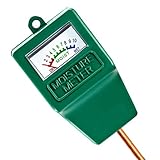
A moisture meter can help you monitor the soil moisture levels accurately. This tool helps prevent overwatering in the future. Insert the meter into the soil to check the moisture level before watering. The meter provides precise readings, so you can water your plant only when necessary. This is an investment that can save your plant from future overwatering issues. Using a moisture meter can help prevent future overwatering issues.
Pruning for Recovery
Prune away any dead or damaged leaves and stems. This helps the plant redirect its energy towards new growth. Use clean, sharp pruning shears to avoid spreading disease. Pruning can also improve the plant’s appearance. Removing unhealthy parts helps the plant focus its resources. This supports the plant’s recovery.
Preventing Overwatering in the Future
Preventing overwatering is crucial for the long-term health of your plants. Understanding the causes of overwatering and adopting good watering practices can help you avoid this common problem. Knowing the specific needs of your plants and adjusting your care accordingly is essential. These preventative measures will help you maintain healthy and thriving plants.
Understanding Your Plant’s Needs
Learn about the specific watering needs of each plant. Different plants have different requirements. Some plants prefer to dry out completely between waterings, while others prefer consistently moist soil. Research the specific needs of your plants. This information can be found online or by consulting with a gardening expert. Understanding your plant’s needs will prevent overwatering. (See Also: Expert Guide: How to Take Care of Tomato Plant for Bountiful Harvests)
Proper Drainage
Ensure your plants are in pots with adequate drainage. Drainage holes are essential to allow excess water to escape. Use a well-draining potting mix. Avoid pots without drainage holes, as they can lead to waterlogged soil. Proper drainage is the key to preventing overwatering. This will help your plant thrive.
Watering Techniques
Water your plants thoroughly but infrequently. Allow the soil to dry out slightly between waterings. Water deeply until water drains from the bottom of the pot. Avoid frequent, shallow watering, as this can lead to root rot. Water at the base of the plant, avoiding wetting the leaves, which can promote fungal diseases. These techniques will help maintain healthy plants.
Monitoring Soil Moisture
Use your finger or a moisture meter to check the soil moisture before watering. This helps to avoid overwatering. Water only when the top inch or two of soil feels dry. This will prevent overwatering. Regular monitoring is essential to prevent overwatering. This will help maintain healthy plants.
Troubleshooting Common Problems
Even with the best care, problems can arise. Understanding how to troubleshoot common issues can help you save your plant. Here are some common problems and how to address them. Early intervention is crucial for a successful recovery. Addressing these issues will help maintain healthy plants.
Dealing with Persistent Root Rot
If root rot persists despite your efforts, consider these steps: trim away all affected roots, repot the plant in fresh, well-draining soil, and consider using a fungicide specifically designed for root rot. Ensure the pot has proper drainage and allow the soil to dry out between waterings. Monitor the plant closely for any signs of improvement. Persistent root rot can be difficult to manage, so consider all options. These steps will help maintain healthy plants.
Addressing Fungal Infections
Fungal infections often accompany overwatering. Treat fungal infections with an appropriate fungicide. Improve air circulation around the plant to reduce humidity. Remove any affected leaves or stems. Ensure the plant is receiving adequate light. Addressing fungal infections is vital to prevent further damage. These steps will help maintain healthy plants.
Dealing with Pests
Overwatered plants can be more susceptible to pests. Inspect your plant regularly for any signs of infestation. Treat any pests with an appropriate insecticide or other control method. Isolate the affected plant to prevent the spread of pests to other plants. Address any pest issues promptly. These steps will help maintain healthy plants.
Expert Tips for Success
Here are some additional tips to maximize your chances of saving an overwatered plant. These expert insights can provide added guidance and support. Applying these tips can increase the chances of success. These techniques will help maintain healthy plants.
- Research Your Plant: Learn about the specific needs of your plant species.
- Observe Regularly: Monitor your plant for any signs of stress or disease.
- Adjust Watering: Adjust your watering schedule based on the season and environment.
- Provide Good Airflow: Ensure adequate air circulation around your plants.
- Use the Right Soil: Choose well-draining potting mix.
Conclusion
The Path to Plant Recovery
Saving an overwatered plant requires prompt action and careful attention to detail. By recognizing the signs, taking immediate steps, and providing ongoing care, you can often revive your plant and restore its health. Remember to adjust your watering schedule, provide appropriate light, and monitor for any signs of stress. With patience and persistence, you can bring your plant back to life. Now you know how to save a plant that has been overwatered.
Recommended Products