Want to know the secret to a thriving garden or a lush, green lawn? It starts with what’s beneath your feet: the soil. Understanding your soil’s composition is key to plant health, but how do you do it? The answer is simple: soil sampling.
Many of you might be wondering, “Why bother?” Well, soil testing provides invaluable insights. It reveals nutrient levels, pH, and the presence of any potential contaminants. Knowing this information allows you to make informed decisions about fertilization, amendments, and overall soil management. This guide will walk you through the process, making soil sampling easy, even if you’re a complete beginner.
We will cover everything from the tools you’ll need to the methods you should use to get the best results. Plus, we’ll explain how to interpret your soil test results and use them to improve your soil. Ready to unlock the secrets of your soil? Let’s get started!
Why Soil Sampling Matters
Before we dive into the ‘how,’ let’s talk about the ‘why.’ Soil sampling is a fundamental practice for anyone serious about gardening, landscaping, or agriculture. It’s the only way to get a clear picture of what’s happening in your soil and how it’s affecting your plants.
Benefits of Soil Sampling
- Optimized Plant Health: Soil tests help you identify nutrient deficiencies or excesses, allowing you to tailor your fertilization plan for optimal plant growth.
- Efficient Resource Use: By knowing your soil’s needs, you can avoid over-fertilizing, which can be wasteful and harmful to the environment.
- Environmental Protection: Soil testing helps prevent the overuse of fertilizers, reducing the risk of water pollution from runoff.
- Disease and Pest Management: Soil tests can reveal conditions that might make your plants more susceptible to diseases or pests, allowing you to take preventative measures.
- Cost Savings: By applying the right amount of fertilizer and amendments, you can save money and avoid unnecessary expenses.
In essence, soil sampling is an investment in the long-term health and productivity of your plants and your soil. It’s a proactive measure that can save you time, money, and frustration.
Gathering Your Supplies: What You’ll Need
Now that you understand the importance of soil sampling, let’s gather the necessary tools. Fortunately, you don’t need a lot of fancy equipment. Here’s a list of the essentials:
- Soil Probe or Trowel: A soil probe is ideal for taking consistent samples, but a trowel or shovel will work.
- Clean Bucket or Container: For collecting and mixing your soil samples. Make sure it’s clean to avoid contamination.
- Sample Bags or Containers: Most soil testing labs provide these. If not, use clean plastic bags or containers.
- Gloves: To protect your hands from soil and any potential contaminants.
- Notebook and Pen: To record information about your sampling locations.
- Measuring Tape (Optional): To accurately identify sampling locations.
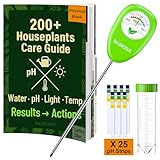
- Soil Test Kit (Optional): For basic pH and nutrient testing at home.
- Shipping Materials (Optional): For sending your samples to a lab.
Important Note: Avoid using tools that have been used to handle fertilizers or pesticides, as they can contaminate your samples.
How to Sample Soil: Step-by-Step Guide
The process of soil sampling is relatively straightforward, but following these steps carefully will ensure accurate and reliable results. (See Also: How to Soil Sample a Field: Get the Best Yields (step-by-Step))
- Plan Your Sampling: Before you start, decide where you’ll be taking samples. Consider different areas of your yard or garden, such as lawns, vegetable gardens, flower beds, and areas with different soil types or growing conditions. Divide your area into zones if necessary.
- Prepare Your Tools: Make sure your soil probe or trowel is clean and ready to go. Gather your bucket, sample bags, gloves, and notebook.
- Take Multiple Cores or Samples: For each area you’re sampling, take multiple cores or samples from different spots. Aim for 5-10 cores per area. This helps to account for variations in soil composition.
- Determine the Depth: The sampling depth depends on what you’re growing. For lawns and shallow-rooted plants, sample to a depth of 4-6 inches. For gardens and trees, sample to a depth of 6-8 inches.
- Collect the Soil: Use your soil probe or trowel to collect soil from each spot. If using a trowel, dig a V-shaped hole and take a slice of soil from the side.
- Mix the Samples: Place all the soil cores or samples from a single area into your clean bucket. Mix them thoroughly to create a composite sample.
- Fill the Sample Bag: Take a representative amount of the mixed soil (usually about 1-2 cups) and place it in the sample bag or container.
- Label the Sample: Clearly label each sample bag with the location, date, and any other relevant information (e.g., “Vegetable Garden,” “Lawn – Front Yard”).
- Prepare for Shipping (if applicable): Follow the instructions provided by your soil testing lab for shipping your samples. This usually involves completing a submission form and sending the samples via mail.
- Send to the Lab or Perform a Home Test: Send your samples to a soil testing lab or use a home soil test kit according to the instructions.
Pro Tip: Sample your soil at the same time of year each time. This helps you track changes over time.
Different Sampling Methods
While the basic steps are the same, there are a few different soil sampling methods you might encounter. Here’s a quick overview:
- Random Sampling: This is the most common method, where you take samples randomly across the area you’re testing.
- Grid Sampling: Useful for large areas, you divide the area into a grid and take samples from each grid cell.
- Zone Sampling: This method groups areas with similar characteristics (soil type, plant type, etc.) and takes samples from each zone.
- Directed Sampling: If you suspect a problem in a specific area (e.g., poor growth, discoloration), you can take samples directly from that spot.
When to Sample Soil
Timing is crucial for getting accurate soil test results. The best time to sample depends on your goals and the type of plants you’re growing.
- Before Planting: This is the ideal time to sample soil, as it allows you to amend your soil before planting.
- In the Fall: Fall is a good time to sample, especially for perennial gardens and lawns.
- In the Spring: Spring is also a good time, but make sure to allow enough time for the lab to process your samples and for you to amend your soil before planting.
- When Problems Arise: If you notice problems with your plants (e.g., stunted growth, yellowing leaves), soil sampling can help diagnose the issue.
Avoid sampling soil when it’s excessively wet or dry, as this can affect the results. Ideally, the soil should be moist but not saturated.
Understanding Your Soil Test Results
Once you receive your soil test results, the real work begins: interpreting the data and making informed decisions. Soil test reports typically include information on the following:
- pH: Measures the acidity or alkalinity of your soil. Most plants prefer a pH between 6.0 and 7.0.
- Nutrient Levels: Indicates the levels of essential nutrients like nitrogen (N), phosphorus (P), and potassium (K).
- Organic Matter: Shows the amount of decomposed plant and animal matter in your soil.
- Cation Exchange Capacity (CEC): Measures the soil’s ability to hold and provide nutrients.
- Other Parameters: Some tests may also include information on micronutrients (e.g., iron, manganese) and the presence of any contaminants.
The soil test report will usually provide recommendations for amending your soil based on the results. These recommendations may include adding fertilizers, lime (to raise pH), sulfur (to lower pH), or organic matter.
Amending Your Soil Based on Test Results
Soil amendments are materials added to the soil to improve its physical, chemical, or biological properties. The specific amendments you need will depend on your soil test results. Here are some common amendments and their uses: (See Also: Lowering Lawn Soil Ph: The Ultimate Guide to a Lush Green Yard)
- Lime: Used to raise soil pH (make it less acidic).
- Sulfur: Used to lower soil pH (make it more acidic).
- Fertilizers: Provide essential nutrients like nitrogen, phosphorus, and potassium. Choose fertilizers based on your soil test results and the needs of your plants.
- Organic Matter: Improves soil structure, water retention, and nutrient availability. Examples include compost, manure, and peat moss.
- Mulch: Helps retain moisture, suppress weeds, and regulate soil temperature.
When applying amendments, follow the recommendations provided by your soil test report. Avoid over-application, as this can be harmful to your plants and the environment.
Common Soil Problems and Solutions
Soil testing can help you identify and address a variety of soil problems. Here are some common issues and their solutions:
- Low pH (Acidic Soil): Add lime to raise the pH.
- High pH (Alkaline Soil): Add sulfur or other acidifying amendments.
- Nutrient Deficiencies: Apply fertilizers or amendments containing the deficient nutrients.
- Poor Drainage: Improve drainage by adding organic matter or amending the soil with sand or gravel.
- Compacted Soil: Aerate the soil or add organic matter to improve aeration and drainage.
- Contamination: If your soil is contaminated, consult with a professional for remediation options.
Choosing a Soil Testing Lab
Selecting a reputable soil testing lab is crucial for getting accurate and reliable results. Here are some factors to consider:
- Accreditation: Look for labs accredited by organizations like the North American Proficiency Testing Program (NAPTP).
- Services Offered: Choose a lab that offers the tests you need.
- Turnaround Time: Consider the lab’s turnaround time for processing samples.
- Cost: Compare the prices of different labs.
- Customer Service: Choose a lab with good customer service and a clear explanation of the results.
Many universities and agricultural extension offices offer soil testing services. You can also find private soil testing labs online.
Home Soil Test Kits vs. Lab Testing
You have two main options for soil testing: home soil test kits and professional lab testing. Here’s a comparison:
| Feature | Home Soil Test Kits | Professional Lab Testing |
|---|---|---|
| Accuracy | Less accurate | More accurate |
| Cost | Less expensive | More expensive |
| Ease of Use | Easy | Requires more effort |
| Parameters Tested | Limited (usually pH and NPK) | More comprehensive |
| Recommendations | Basic | More detailed |
Home soil test kits are a good option for a quick overview of your soil’s pH and nutrient levels. However, for a more comprehensive analysis and detailed recommendations, professional lab testing is the better choice.
Frequently Asked Questions About Soil Sampling
Let’s address some common questions about soil sampling: (See Also: How to Get Rid of Mold in Soil of Houseplants: A Complete Guide)
How Often Should I Sample My Soil?
It depends on your goals and the type of plants you’re growing. For most gardens and lawns, sampling every 2-3 years is sufficient. If you’re experiencing problems with your plants, you may want to sample more frequently.
Can I Sample Soil at Any Time of Year?
It’s best to avoid sampling when the soil is excessively wet or dry. The ideal time to sample depends on your growing season and the type of plants you’re growing.
What If I Find Contaminants in My Soil?
If your soil test results reveal contaminants, it’s important to consult with a professional for remediation options. Depending on the type and level of contamination, you may need to remove the soil or take other measures to protect your health and the environment.
Can I Use Compost as a Soil Amendment?
Yes, compost is an excellent soil amendment. It improves soil structure, water retention, and nutrient availability. You can add compost to your soil before planting or use it as a topdressing.
How Do I Know If My Soil Is Compacted?
Compacted soil is dense and difficult to penetrate with a trowel or probe. You may also notice poor drainage, stunted plant growth, and other signs of stress. Aerating your soil and adding organic matter can help to address compaction.
Final Thoughts
Soil sampling is an invaluable tool for any gardener or homeowner. By understanding your soil’s composition, you can make informed decisions about fertilization, amendments, and overall soil management. This will lead to healthier plants, a more beautiful landscape, and a more sustainable approach to gardening. This guide has given you all the information you need to get started. Now, go out there and get your hands dirty!
Soil sampling is not just a gardening tip; it’s a fundamental practice for anyone who wants to cultivate a thriving garden or a healthy lawn. By taking the time to understand your soil’s unique characteristics, you’re setting the stage for success. Regular soil testing empowers you to make informed decisions about fertilization and soil amendments, ultimately leading to healthier plants and a more sustainable environment.
Recommended Products