Magnolias are magnificent trees, gracing gardens with their stunning, often fragrant, blooms. Their elegant forms and dramatic flowers make them a coveted addition to any landscape. While purchasing a mature magnolia is an option, there’s a profound satisfaction in propagating your own from a cutting. Learning how to root a magnolia tree allows you to expand your collection, share these beauties with friends, or simply enjoy the rewarding process of nurturing new life.
This guide will walk you through the essential steps, from selecting the right cutting to providing the ideal conditions for successful rooting. We’ll demystify the process, making it accessible even for novice gardeners. Get ready to embark on a journey that promises beautiful blooms and the joy of successful propagation.
Understanding Magnolia Propagation Methods
Before we delve into the specifics of rooting cuttings, it’s important to understand that “rooting a magnolia tree” typically refers to propagating a new plant from a piece of an existing one, not inducing roots on a fully grown tree. Established trees already have extensive root systems. The methods we’ll cover are for creating new, smaller plants. There are several ways to propagate magnolias, but rooting cuttings is a popular and effective technique for many varieties.
Why Root Cuttings?
Propagating from cuttings offers several advantages:
- Genetic Cloning: Cuttings will grow into plants genetically identical to the parent plant. This is crucial if you have a specific cultivar with desirable traits, such as flower color, fragrance, or growth habit.
- Cost-Effectiveness: Growing from cuttings is significantly cheaper than buying mature trees.
- Satisfaction: The process of nurturing a new plant from a small piece of an existing one is incredibly rewarding.
- Faster Flowering: Cuttings often flower sooner than plants grown from seed.
Alternative Propagation Methods
While this guide focuses on rooting cuttings, it’s worth mentioning other methods:
- Seed Propagation: This can be challenging and time-consuming, and the resulting plants may not be true to the parent variety.
- Grafting: Often used for difficult-to-root magnolias or to combine desirable rootstock with a specific scion. This is a more advanced technique.
- Layering: Encouraging roots to form on a stem while it’s still attached to the parent plant. This can be successful but takes time.
For most home gardeners aiming to learn how to root a magnolia tree, cuttings offer the best balance of accessibility and success rates.
Choosing the Right Time and Type of Cutting
The success of rooting your magnolia cutting hinges on selecting the right time of year and the appropriate type of stem. This is arguably the most critical step in the entire process.
When to Take Cuttings
The ideal time to take magnolia cuttings is during the active growing season, which generally falls between late spring and mid-summer. This period allows the stems to have enough stored energy and hormonal readiness for root development.
- Late Spring to Early Summer (May to July): This is prime time for taking softwood cuttings. These are new, flexible, green shoots that have not yet hardened off. They are generally the easiest to root.
- Mid-Summer to Early Autumn (July to September): You can also take semi-hardwood cuttings during this period. These are stems that have started to mature and harden but still retain some flexibility. They may take longer to root than softwood cuttings.
Avoid taking cuttings from very old, woody stems or from flowering shoots, as these are less likely to root successfully. (See Also: How Long Does It Take to Grow a Fruit Tree?)
Types of Cuttings
There are two primary types of cuttings you’ll consider for magnolias:
- Softwood Cuttings: These are taken from the current season’s growth. The stems are pliable, green, and bend easily without snapping. They are ideal for many magnolia varieties and tend to root relatively quickly.
- Semi-hardwood Cuttings: These are taken from stems that have begun to mature and harden. They are less flexible than softwood cuttings but not yet woody. You’ll typically find these on stems that have finished their initial flush of growth but are still somewhat pliable.
For beginners learning how to root a magnolia tree, starting with softwood cuttings is often recommended due to their higher success rate.
Selecting the Parent Plant
Choose a healthy, vigorous parent plant that is free from pests and diseases. The health of the parent plant directly influences the success of your cuttings.
What to Look for in a Cutting
- Healthy Growth: Select stems that show vigorous, healthy growth.
- No Flowers or Buds: Avoid stems that are currently producing flowers or developing flower buds. The plant’s energy should be directed towards root formation, not reproduction.
- Appropriate Length: Aim for cuttings that are about 4 to 6 inches (10-15 cm) long.
- Leaf Node Count: Each cutting should have at least two to three leaf nodes (the points on the stem where leaves emerge).
Once you’ve identified a suitable stem, it’s time to prepare your tools and workspace.
Preparing Your Cuttings for Rooting
Proper preparation of your magnolia cuttings is crucial for maximizing their chances of survival and root development. This involves making clean cuts, removing excess foliage, and applying rooting hormone.
Tools and Materials You’ll Need
- Sharp Pruning Shears or a Knife: Sterilize these with rubbing alcohol or a bleach solution to prevent disease transmission.
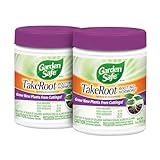
- Rooting Hormone: Available in powder, gel, or liquid form. Look for one specifically formulated for woody plants or cuttings.
- Small Pots or Propagation Trays: With drainage holes.
- Well-Draining Potting Mix: A good mix is typically 50% peat moss or coir and 50% perlite or coarse sand.
- Plastic Bags or a Propagation Dome: To maintain humidity.
- Watering Can or Spray Bottle.
Taking the Cutting
- Sterilize Your Tools: This is a non-negotiable step to prevent introducing pathogens to your cuttings.
- Make a Clean Cut: Using your sterilized shears or knife, make a clean cut just below a leaf node. This is where a new root system is most likely to develop. For softwood cuttings, the cut should be clean and not crushed.
- Remove Lower Leaves: Carefully strip off the leaves from the bottom half to two-thirds of the cutting. This prevents them from rotting when buried in the soil and reduces water loss. Leave at least two to three sets of leaves at the top.
- Optional: Make a Slit: For some harder-to-root varieties, you can make a shallow vertical slit (about 1/2 inch or 1 cm) on one or two sides of the base of the cutting. This exposes more of the cambium layer, which can encourage root formation. Be gentle not to damage the stem excessively.
Applying Rooting Hormone
Rooting hormone contains auxins, which are plant hormones that stimulate root growth. It significantly increases the success rate of cuttings.
- Prepare the Hormone: If using powder, tap a small amount into a separate container or lid to avoid contaminating the main supply. If using gel or liquid, follow the manufacturer’s instructions.
- Dip the Base: Moisten the base of the cutting slightly with water (if using powder) and then dip the cut end into the rooting hormone, ensuring the hormone covers the cut surface and extends slightly up the stem. For gel or liquid, dip the base according to product instructions.
- Tap Off Excess: Gently tap the cutting to remove any excess hormone. Too much can inhibit rooting.
Once your cuttings are prepared, they are ready to be planted.
Planting and Caring for Your Cuttings
The environment you provide for your cuttings after planting is as important as the preparation itself. Consistent moisture, humidity, and appropriate light are key to encouraging root development. (See Also: Step by Step How to Draw a Christmas Tree: Easy…)
Potting the Cuttings
- Prepare the Potting Medium: Fill your pots or propagation trays with the well-draining potting mix. Moisten the mix thoroughly but ensure it’s not waterlogged.
- Insert the Cuttings: Make a hole in the potting mix with a pencil or dowel rod. Insert the prepared cutting into the hole, ensuring the rooting hormone-coated part is below the surface. Gently firm the soil around the base of the cutting to ensure good contact.
- Spacing: If planting multiple cuttings in the same pot, space them about 2-3 inches (5-7 cm) apart to allow for airflow and prevent overcrowding.
Creating a Humid Environment
Magnolia cuttings, especially softwood ones, need high humidity to prevent wilting while they are trying to develop roots. Without roots, they cannot absorb enough water from the soil to compensate for transpiration from their leaves.
- Covering the Pots: The most effective way to maintain humidity is to cover the pots. You can use a clear plastic bag, a propagation dome, or even a clear plastic bottle cut in half. Ensure the covering does not touch the leaves of the cuttings. You can use stakes to keep the bag from collapsing.
- Ventilation: It’s crucial to provide some ventilation to prevent fungal diseases. Open the bag or dome for a few minutes each day or every other day to allow for air circulation.
Watering and Light Requirements
- Watering: Keep the potting mix consistently moist but not soggy. Water when the surface of the soil feels dry to the touch. A spray bottle can be useful for misting the leaves and the surface of the soil, especially when you first plant the cuttings and during daily ventilation.
- Light: Place the pots in a bright location that receives indirect sunlight. Avoid direct, intense sunlight, which can scorch the leaves and overheat the cuttings, especially under plastic. A north-facing window or a shaded spot outdoors is ideal.
Temperature and Air Circulation
Maintain a consistent temperature, ideally between 70-75°F (21-24°C). Avoid drafts or extreme temperature fluctuations. Good air circulation, as mentioned with ventilation, is vital to prevent mold and fungal growth.
Monitoring for Root Development
Patience is a virtue when propagating magnolias. Rooting times can vary significantly depending on the species, the type of cutting, and the environmental conditions.
When to Expect Roots
Softwood cuttings typically begin to root within 3 to 6 weeks. Semi-hardwood cuttings may take longer, often 6 to 10 weeks or even more.
How to Check for Roots
Avoid the temptation to constantly pull cuttings out of the soil to check for roots, as this can dislodge developing roots and damage them. Instead, use these methods:
- Gentle Tug Test: After several weeks, very gently tug on a cutting. If you feel resistance, it’s a good sign that roots have formed and are anchoring the cutting.
- Visual Inspection (if possible): If you used clear pots or propagation trays, you might be able to see roots developing along the sides or at the bottom.
- Leaf Appearance: Healthy, turgid leaves are a good indicator that the cutting is still alive and potentially rooting. If leaves start to yellow and drop, it might indicate a problem, but some leaf drop can be normal initially.
Troubleshooting Common Issues
- Wilting: Ensure adequate humidity and consistent moisture. Check for pests.
- Rotting: Too much moisture, poor drainage, or lack of ventilation can lead to rot. Ensure your potting mix drains well and ventilate regularly. Remove any rotting cuttings immediately.
- Fungal Growth (Mold): Increase ventilation and reduce excessive moisture. Remove affected parts.
- No Rooting: This can be due to using incorrect cutting types, taking cuttings at the wrong time, insufficient rooting hormone, or suboptimal environmental conditions.
If a cutting doesn’t show signs of rooting after several months, it’s unlikely to succeed. You can try again with new cuttings.
Transplanting Rooted Cuttings
Once your magnolia cuttings have developed a healthy root system, they are ready to be moved into their own individual pots. This is a crucial step to allow them to grow stronger before planting them outdoors.
Signs Your Cutting Is Ready to Transplant
You’ll know your cutting is ready when: (See Also: How Big Is a 7 Gallon Tree? Your Definitive Guide)
- Good Root Development: You feel significant resistance when gently tugging, or you can see a substantial root mass through clear pots.
- New Growth: The presence of new leaves or shoots indicates the cutting is actively growing and has sufficient roots to support this new development.
- Healthy Appearance: The cutting looks robust, with firm, green leaves.
The Transplanting Process
- Prepare New Pots: Select pots that are slightly larger than the root ball of the cutting. Use a good quality, well-draining potting mix.
- Carefully Remove the Cutting: Gently ease the cutting out of its original pot. If it’s stuck, you can tap the sides of the pot or use a trowel to carefully loosen the soil. Avoid pulling the cutting by the stem.
- Handle Roots Gently: Magnolia roots can be somewhat delicate. Handle the root ball with care to minimize damage. If the roots are tightly circling the pot, you can gently tease apart the outer ones to encourage outward growth.
- Plant in New Pot: Place the cutting in the new pot so that the top of the root ball is about an inch (2.5 cm) below the rim. Fill in around the root ball with your potting mix, firming gently.
- Water Thoroughly: Water the newly transplanted cutting well to settle the soil and eliminate air pockets.
Aftercare for Transplanted Cuttings
- Continue Humidity: For the first week or two after transplanting, it’s beneficial to maintain slightly higher humidity. You can use a cloche or a plastic bag loosely draped over the plant.
- Gradual Acclimatization: Gradually expose the transplanted cuttings to less humid conditions and more natural light. If they were grown indoors, start acclimatizing them to outdoor conditions slowly before planting them in the ground.
- Fertilizing: Wait a few weeks after transplanting before you start a regular fertilizing schedule. Use a diluted, balanced liquid fertilizer.
- Protection: Protect young plants from harsh weather, strong winds, and extreme temperatures.
When to Plant Outdoors
Wait until the young magnolia plants have established a strong root system and have shown consistent new growth for at least one growing season before considering planting them in their permanent outdoor location. This usually means waiting until the following spring or summer after successful rooting.
Long-Term Care and Considerations
Successfully rooting a magnolia tree is a significant achievement, but the journey doesn’t end there. Providing proper long-term care will ensure your new plant thrives and eventually blooms.
Choosing the Right Location
Magnolias generally prefer a location with:
- Full Sun to Partial Shade: Most varieties thrive in full sun, but some appreciate protection from intense afternoon sun, especially in hotter climates.
- Well-Drained Soil: Magnolias are sensitive to waterlogged conditions. Ensure the soil is rich in organic matter and drains well. Amending heavy clay soil with compost is essential.
- Shelter: Protect young trees from strong winds, which can damage their branches and flowers.
Planting in the Ground
When planting your established young magnolia:
- Dig a Wide Hole: The hole should be two to three times the width of the root ball but no deeper than the root ball itself.
- Amend Soil: Mix compost or well-rotted manure into the soil you remove from the hole to improve fertility and drainage.
- Planting Depth: Ensure the top of the root ball is level with or slightly above the surrounding soil. Planting too deep can lead to root rot.
- Watering: Water thoroughly after planting.
- Mulching: Apply a layer of organic mulch (like wood chips or compost) around the base of the tree, keeping it a few inches away from the trunk. This helps retain moisture, suppress weeds, and regulate soil temperature.
Watering and Fertilizing Established Trees
- Watering: Water regularly, especially during dry periods, ensuring the soil remains consistently moist but not waterlogged. As the tree matures, its water needs will decrease.
- Fertilizing: Magnolias are not heavy feeders. A light application of a balanced, slow-release fertilizer in early spring is usually sufficient. Avoid over-fertilizing, which can lead to excessive leafy growth at the expense of flowers.
Pruning
Magnolias generally require minimal pruning. Prune to remove dead, damaged, or crossing branches. The best time to prune is usually immediately after flowering, as pruning too late in the season can remove next year’s flower buds.
Pest and Disease Management
While generally hardy, magnolias can occasionally be affected by pests like aphids or scale insects, or diseases like verticillium wilt or powdery mildew. Regular inspection and prompt treatment are key. Healthy plants are less susceptible to problems.
Patience for Blooms
It can take several years for a magnolia propagated from a cutting to reach blooming size. Be patient and enjoy the growth of your tree. The first blooms are always the most special.
Conclusion
Mastering how to root a magnolia tree is a deeply rewarding endeavor for any gardener. By carefully selecting your cuttings, preparing them correctly, and providing the right environment, you can successfully propagate these magnificent plants. This process not only allows for cost-effective expansion of your garden but also offers the immense satisfaction of nurturing new life from a parent plant. With patience and attention to detail, your propagated magnolias will eventually grace your landscape with their breathtaking beauty and fragrance for years to come.
Recommended Products