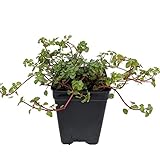
The Pilea peperomioides, affectionately known as the Chinese Money Plant or Pancake Plant, has taken the houseplant world by storm. Its unique, coin-shaped leaves and relatively easy care make it a favorite for both novice and experienced plant parents. But like all plants, your Pilea will eventually outgrow its pot, requiring a repotting session to thrive. Knowing how to repot a pilea plant correctly is crucial for its continued health and vibrant growth.
Repotting provides fresh soil, ample space for root expansion, and the nutrients your Pilea needs to flourish. This guide provides a comprehensive, step-by-step approach to repotting your Pilea, from choosing the right pot and soil to aftercare tips. We’ll cover everything you need to know to ensure your Chinese Money Plant remains a stunning centerpiece in your home.
Whether you’re a seasoned plant enthusiast or a beginner, this guide will equip you with the knowledge and confidence to successfully repot your Pilea. Let’s delve into the specifics of this essential plant care task and ensure your Pilea continues to thrive!
Understanding Why Repotting a Pilea Plant Is Necessary
Repotting isn’t just a cosmetic upgrade; it’s a vital aspect of Pilea care. As your Pilea grows, its roots will eventually become root-bound, meaning they’ll fill the pot and start to circle around the inside. This can restrict water and nutrient uptake, leading to stunted growth, yellowing leaves, and overall plant decline. Repotting provides the necessary space and resources for your Pilea to flourish.
Furthermore, the soil in your Pilea’s pot will gradually deplete of essential nutrients. Regular watering leaches away these nutrients, and the plant consumes what’s available. Fresh potting mix replenishes these vital elements, ensuring your Pilea has everything it needs to thrive. Repotting also allows you to inspect the roots for any signs of disease or pests.
Signs Your Pilea Needs Repotting
Knowing when to repot is just as important as knowing how. Several telltale signs indicate your Pilea is ready for a new home. Regularly check your plant for these indicators.
- Root-bound roots: Gently remove the plant from its pot and examine the root ball. If the roots are tightly packed and circling the pot, it’s time to repot.
- Slowed growth: If your Pilea’s growth has stagnated, even during the growing season, it could be a sign of root restriction.
- Yellowing leaves: While yellowing leaves can have various causes, root-bound conditions can hinder nutrient absorption, leading to this symptom.
- Watering difficulties: If the soil dries out quickly, or if water runs straight through the pot without being absorbed, it’s a sign the roots have filled the available space.
- Roots emerging from drainage holes: This is a clear indication that the plant needs more room.
By monitoring these signs, you can ensure your Pilea receives timely repotting, leading to a healthier and more vibrant plant.
Choosing the Right Pot and Soil for Your Pilea
Selecting the appropriate pot and soil is paramount for successful repotting. The right choices will provide your Pilea with the optimal environment for healthy growth. Understanding the needs of your plant will ensure a smooth transition.
Pot Selection: Size, Material, and Drainage
The pot you choose significantly impacts your Pilea’s health and appearance. Consider these factors when selecting a new pot:
- Size: Choose a pot that is only slightly larger than the current one, typically one to two inches wider in diameter. Repotting into a pot that’s too large can lead to overwatering and root rot.
- Material: Terracotta pots are excellent because they’re porous and allow for good air circulation, which helps prevent root rot. Plastic pots are also viable and retain moisture better, but ensure they have drainage holes.
- Drainage: Drainage holes are essential. They allow excess water to escape, preventing waterlogged soil and root rot.
- Shape: Standard pots are fine. Avoid overly deep pots, as the bottom portion of the soil might stay too wet.
Carefully consider the size, material, and drainage of your new pot to provide the best possible environment for your Pilea.
Soil Composition: What Pilea Plants Need
Pilea plants thrive in a well-draining potting mix that retains some moisture. The ideal soil should provide adequate aeration and nutrients. The right soil mix is crucial for preventing root rot and ensuring optimal growth.
- Components: A good mix typically includes a combination of the following:
- Potting soil: Provides the base and holds moisture.
- Perlite: Improves drainage and aeration.
- Coarse sand or pumice: Also enhances drainage and aeration.
- Specific recipes: A common recipe is equal parts potting soil, perlite, and coarse sand. You can also use a pre-mixed succulent or cactus mix, amended with some extra perlite for improved drainage.
- pH: Pilea plants prefer a slightly acidic to neutral pH level, ideally between 6.0 and 7.0.
By using the right pot and soil, you set the stage for a healthy and thriving Pilea.
Step-by-Step Guide: How to Repot a Pilea Plant
Repotting a Pilea may seem daunting, but following these steps will make the process easy and rewarding. Taking your time and being mindful of each step will ensure your plant transitions smoothly. (See Also: How Far Is Kissimmee From Plant City? Travel Guide)
Preparing Your Materials
Before you begin, gather all the necessary materials to ensure a smooth repotting process. Proper preparation is key to a successful repotting.
- New pot: The appropriately sized pot with drainage holes.
- Potting mix: The well-draining soil mix suitable for Pilea.
- Watering can: To water your plant after repotting.
- Trowel or small shovel: For loosening the soil and handling the plant.
- Gloves (optional): To keep your hands clean.
- Scissors or pruning shears (optional): For trimming roots.
Having everything ready will streamline the process and minimize stress on your plant.
The Repotting Process
Follow these steps to repot your Pilea:
- Water the plant: Water your Pilea a day or two before repotting. This helps to loosen the soil and makes it easier to remove the plant from its old pot.
- Remove the plant from its old pot: Gently tip the pot on its side and carefully slide the plant out. You may need to gently tap the pot or use a trowel to loosen the soil.
- Inspect the roots: Examine the root ball for any signs of root rot (mushy, dark roots) or pests. If you find any, trim away the affected roots with clean scissors or pruning shears.
- Loosen the roots: Gently loosen the roots at the bottom and sides of the root ball. This encourages new root growth in the new pot.
- Add soil to the new pot: Place a layer of fresh potting mix at the bottom of the new pot.
- Position the plant: Center the Pilea in the new pot. The top of the root ball should be about an inch below the rim of the pot.
- Fill with soil: Fill the remaining space around the root ball with fresh potting mix, gently tamping it down to remove air pockets.
- Water thoroughly: Water the newly repotted Pilea until water drains from the drainage holes. This helps to settle the soil and hydrate the roots.
Following these steps will help ensure a successful repotting experience for your Pilea.
What If I Find Root Rot?
Root rot is a common problem caused by overwatering or poorly draining soil. If you find root rot during repotting, it’s crucial to take immediate action to save your Pilea. Here’s what to do:
- Remove the plant from the pot: Carefully take the Pilea out of its pot.
- Rinse the roots: Gently rinse the roots under running water to remove the old soil.
- Inspect and trim: Examine the roots closely. Healthy roots are firm and white or light-colored. Remove any mushy, dark, or foul-smelling roots with clean scissors or pruning shears.
- Treat with fungicide (optional): Dip the remaining healthy roots in a fungicide solution if the rot was severe. Follow the product instructions.
- Repot in fresh soil: Use a new pot (or thoroughly clean the old one) and fresh, well-draining potting mix.
- Water sparingly: Water the plant only when the top inch of soil is dry.
Early detection and prompt action can often save a Pilea plant suffering from root rot.
Aftercare for Your Repotted Pilea
After repotting, proper aftercare is essential to help your Pilea recover and thrive in its new home. This includes adjusting your watering routine, providing the right light conditions, and monitoring for any issues.
Watering
Watering is crucial after repotting, but avoid overwatering, which can lead to root rot. Adjust your watering schedule based on the plant’s needs and environmental conditions.
- Initial watering: Water the plant thoroughly immediately after repotting to help settle the soil.
- Subsequent watering: Allow the top inch or two of the soil to dry out before watering again.
- Watering frequency: The frequency of watering will depend on factors like humidity, temperature, and pot material. Generally, water every 7-10 days, but adjust based on your plant’s needs.
- Watering technique: Water deeply until water drains from the drainage holes. Ensure the pot isn’t sitting in standing water.
Monitoring the soil moisture and adjusting your watering schedule will help ensure your Pilea receives the right amount of water.
Light and Temperature
Light and temperature play a significant role in your Pilea’s recovery and growth. Providing the right conditions is crucial for its health.
- Light: Pilea plants prefer bright, indirect light. Avoid direct sunlight, which can scorch the leaves. An east-facing window is often ideal.
- Temperature: Maintain a consistent temperature between 60-75°F (15-24°C). Avoid placing your Pilea near drafty windows or heat sources.
- Acclimation: After repotting, avoid drastic changes in light conditions. Place the plant in a location with similar light levels to its previous spot.
Providing the right light and temperature will support your Pilea’s recovery and enhance its growth.
Fertilizing
Fertilizing helps to provide your Pilea with the nutrients it needs to thrive. However, fertilizing immediately after repotting can be counterproductive. (See Also: How to Plant a Sprouted Sweet Potato: A Beginner’s Guide)
- Wait to fertilize: Wait at least a month after repotting before fertilizing. The fresh potting mix contains some nutrients.
- Fertilizer type: Use a balanced liquid fertilizer diluted to half strength.
- Fertilizing schedule: Fertilize every 2-4 weeks during the growing season (spring and summer). Reduce or stop fertilizing during the dormant season (fall and winter).
- Observe your plant: Monitor your plant for signs of over-fertilization, such as brown leaf tips.
Proper fertilization will support your Pilea’s growth and overall health.
Monitoring for Problems
Regularly monitoring your Pilea for any signs of problems is essential for early detection and intervention. This can prevent minor issues from turning into major ones.
- Pests: Inspect the leaves, stems, and soil for any signs of pests, such as spider mites, mealybugs, or aphids. Treat infestations promptly with insecticidal soap or neem oil.
- Diseases: Watch for signs of fungal diseases, such as powdery mildew or leaf spot. Improve air circulation and avoid overwatering to prevent fungal issues. Treat with a fungicide if necessary.
- Leaf discoloration: Yellowing leaves can indicate overwatering, underwatering, or nutrient deficiencies. Brown leaf tips can be a sign of low humidity or fertilizer burn.
- Dropping leaves: Sudden leaf drop can be caused by stress, temperature fluctuations, or changes in light conditions.
By regularly monitoring your Pilea, you can quickly address any potential issues and ensure your plant remains healthy and vibrant.
Troubleshooting Common Problems After Repotting
Even with the best care, your Pilea might encounter some issues after repotting. Understanding these common problems and how to address them can help you keep your plant healthy and happy.
Why Is My Pilea Wilting After Repotting?
Wilting after repotting can be a sign of stress. Several factors can contribute to wilting, including:
- Transplant shock: The plant is adjusting to its new environment and the disruption to its roots.
- Overwatering: The roots may be sitting in waterlogged soil, leading to root rot.
- Underwatering: The plant may not be receiving enough water to support its needs.
- Root damage: The roots might have been damaged during the repotting process.
To address wilting, ensure proper watering, provide bright, indirect light, and avoid drastic changes in temperature. If wilting persists, check the roots for root rot.
My Pilea’s Leaves Are Turning Yellow After Repotting – What Should I Do?
Yellowing leaves can have various causes, including:
- Overwatering: This is a common cause, leading to root rot.
- Underwatering: If the soil is too dry, the plant may not be able to absorb nutrients.
- Nutrient deficiency: The plant may be lacking essential nutrients, especially if it hasn’t been fertilized.
- Pest infestation: Pests like spider mites can cause yellowing.
Assess your watering habits, and adjust them accordingly. Check for pests and treat them if found. Consider fertilizing your Pilea with a balanced fertilizer.
Why Are My Pilea’s Leaves Dropping After Repotting?
Leaf drop can be a sign of stress, but it can also be a normal reaction to repotting. Other potential causes include:
- Stress from repotting: The plant is adjusting to its new environment.
- Changes in light: Drastic changes in light levels can cause leaf drop.
- Temperature fluctuations: Sudden changes in temperature can stress the plant.
- Overwatering or underwatering: Both can lead to leaf drop.
Provide consistent care, including proper watering and light, to help your Pilea recover. Avoid extreme temperature changes.
Pests and Diseases
Pilea plants can be susceptible to certain pests and diseases, particularly after repotting when they are more vulnerable. Early detection and treatment are key to preventing these issues from spreading and damaging your plant.
- Common Pests:
- Spider mites: These tiny pests can cause stippling and webbing on the leaves. Treat with insecticidal soap or neem oil.
- Mealybugs: These cottony-looking pests can suck sap from the plant. Remove them manually or treat with insecticidal soap.
- Aphids: These small, soft-bodied insects can infest the plant. Treat with insecticidal soap.
- Common Diseases:
- Root rot: Caused by overwatering and poor drainage. Trim away affected roots and repot in fresh soil.
- Powdery mildew: Appears as a white, powdery coating on the leaves. Improve air circulation and treat with a fungicide.
- Leaf spot: Caused by fungal or bacterial infections. Remove affected leaves and improve air circulation. Treat with a fungicide if necessary.
Regularly inspect your Pilea for any signs of pests or diseases and take immediate action if you notice any problems. (See Also: How Close to the Street Can I Plant a Tree? Planting Guide)
Frequently Asked Questions About Repotting Pilea Plants
Many questions arise when repotting Pilea plants. Here are some of the most frequently asked questions and their answers.
When is the best time to repot a Pilea plant?
The best time to repot a Pilea is during the growing season, typically in spring or early summer. This is when the plant is actively growing and can recover more easily from the stress of repotting.
How often should I repot my Pilea plant?
Generally, you should repot your Pilea every 1-2 years, or when it outgrows its current pot. Monitor the plant for signs of root-bound conditions, such as roots circling the pot or slowed growth.
Can I repot my Pilea in the same pot?
Yes, you can repot your Pilea in the same pot if you trim the roots and replace the soil. However, it’s generally recommended to move up to a slightly larger pot to provide more space for growth.
Do I need to fertilize after repotting?
It’s best to wait at least a month after repotting before fertilizing. The fresh potting mix contains some nutrients, and fertilizing too soon can burn the roots.
How do I propagate Pilea plants when I repot?
When repotting, you can often propagate Pilea plants by taking stem cuttings or separating offshoots (pups) that grow at the base of the plant. These can be rooted in water or directly in soil.
Conclusion: Keeping Your Pilea Thriving After Repotting
Repotting a Pilea plant is a rewarding process that ensures your plant’s continued health and beauty. By following the steps outlined in this guide – from selecting the right pot and soil to providing proper aftercare – you can ensure your Chinese Money Plant thrives. Remember to monitor your plant for any signs of stress or problems and adjust your care accordingly. Knowing **how to repot a pilea plant** correctly will keep your plant looking its best!
Recommended Products