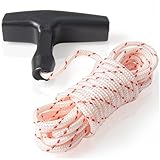
Is your lawn mower refusing to start, leaving you stranded with an overgrown yard? The culprit might be a simple, yet frustrating, issue: a broken or worn-out pull rope.
Don’t let a frayed cord sideline your gardening ambitions! Replacing a lawn mower pull rope is a surprisingly straightforward DIY task that can save you time and money on a service call. We’ll walk you through each step, making it accessible even for beginners.
By the end of this guide, you’ll be ready to tackle this common mower maintenance job with confidence, ensuring your trusty machine roars back to life for seasons to come.
How to Replace a Pull Rope on a Lawn Mower: A Step-by-Step Guide
There’s nothing quite as disheartening as pulling that starter cord with all your might, only to be met with a limp, unresponsive tug. A broken pull rope is a common problem, but thankfully, it’s one of the easiest lawn mower repairs you can perform yourself. We’ll guide you through the entire process, from identifying the problem to getting your mower ready to start again.
Why Your Pull Rope Might Need Replacing
Over time, starter ropes on lawn mowers endure significant stress. Each pull puts tension on the fibers, and repeated use can lead to:
- Fraying and Wear: The rope rubs against internal components, causing it to fray and weaken.
- Snapping: A worn rope can simply snap during a pull, leaving you with nothing.
- Sticking or Jamming: Debris can get lodged in the recoil mechanism, making the rope difficult to pull or causing it to jam.
- Degradation: Exposure to oil, gas, and UV rays can degrade the rope material, making it brittle.
Gathering Your Tools and Supplies
Before you begin, make sure you have everything you need. This will prevent interruptions and ensure a smooth repair process. Here’s a checklist:
| Tool/Supply | Description/Purpose |
|---|---|
| New Pull Rope | Ensure it’s the correct diameter and length for your mower model. Check your owner’s manual or measure the old one. |
| Screwdriver Set | Both Phillips and flathead screwdrivers will likely be needed to remove the starter housing. |
| Pliers | Needle-nose pliers can be very helpful for gripping and manipulating small parts, especially the rope end. |
| Socket Wrench Set | You might need a specific socket size to remove bolts holding the starter assembly or housing. |
| Work Gloves | To protect your hands from sharp edges and grease. |
| Safety Glasses | Essential for protecting your eyes from flying debris. |
| Rag or Shop Towels | For cleaning up any grease or dirt. |
| Optional: Lubricant (e.g., WD-40) | Can help loosen stubborn bolts or clean parts. |
Step-by-Step Replacement Process
Replacing the pull rope is a common maintenance task that most homeowners can handle with a little patience and the right tools. Let’s get started! (See Also: How to Have a Beautiful Green Lawn: Your Ultimate Guide)
safety First: Disconnect the Spark Plug
This is the most critical first step. Before you touch anything mechanical, ensure the engine cannot accidentally start. Locate the spark plug wire (usually a thick black wire connected to a ceramic or plastic cap on the engine’s side) and pull it firmly away from the spark plug. This prevents the engine from firing while you’re working on it.
access the Starter Assembly
The pull rope mechanism is housed within the starter housing, which is typically a plastic or metal cover located on top of the engine. You’ll need to remove this cover to get to the recoil mechanism.
- Locate Fasteners: Look for screws or bolts around the perimeter of the starter housing. These can be Phillips head or hex bolts.
- Remove Fasteners: Using the appropriate screwdriver or socket wrench, carefully remove all fasteners. Keep them in a safe place, perhaps in a small container or magnetic tray, as they can be easily lost.
- Lift Off the Housing: Once all fasteners are removed, gently lift the starter housing straight up and off the engine. It might be slightly stuck due to old grease or grime, so a gentle wiggle or a light tap might be needed. Be careful not to force it, as you could damage the plastic.
examine the Recoil Mechanism
Inside the starter housing, you’ll find the recoil starter assembly. This is a spring-loaded mechanism that retracts the rope. You’ll see a spool with the old rope wound around it, and a spring mechanism.
- Identify the Rope End: The end of the rope is usually secured with a knot, a plastic plug, or a metal clip.
- Inspect the Spring: Take a moment to look at the recoil spring. If it appears damaged, rusted, or broken, you might need to replace the entire recoil assembly, which is a more involved repair. For this guide, we’re assuming the spring is still functional.
remove the Old Rope
This is where you’ll get rid of the problematic rope.
- Untie or Unclip: Carefully untie any knot or remove any clip that secures the end of the rope to the spool.
- Unwind the Rope: Slowly unwind the remaining rope from the spool. Be aware that the spring is still under tension. As you unwind, try to keep some tension on the spool to prevent the spring from unwinding uncontrollably.
- Let the Spring Recoil (Carefully): Once the rope is free, you can carefully allow the spool to recoil. Some people like to hold the spool to control the spring’s tension, while others let it retract. If you let it retract, be prepared for a quick snap as it reaches its limit.
- Remove the Rope from the Handle: The other end of the rope goes through a hole in the starter housing and attaches to the starter handle. You’ll need to pull the rope out from the handle as well. Sometimes, the handle has a small hole where the rope is tied or secured.
prepare and Install the New Rope
Now it’s time to thread the new rope.
- Measure and Cut: If your new rope isn’t pre-cut, measure and cut it to the appropriate length. It’s usually best to cut it a bit longer than the old one to be safe, but don’t overdo it, as too much rope can cause issues with the recoil. A good rule of thumb is to add about 6-12 inches to the length of the old rope.
- Seal the End: To prevent the new rope from fraying, you can lightly melt the end with a lighter or use a bit of tape. Some starter ropes come with pre-sealed ends.
- Thread Through the Handle: Feed one end of the new rope through the hole in the starter handle. Tie a secure knot (like a figure-eight knot or a strong overhand knot) or use the original method to secure the rope to the handle. Ensure the knot is large enough not to pull back through the hole.
- Thread Through the Housing: Now, carefully thread the other end of the rope through the designated hole in the starter housing.
wind the New Rope Onto the Spool
This is the trickiest part, as you need to manage the spring tension. (See Also: How Do You Get Rid of Lawn Mushrooms? Your Complete Guide!)
- Initial Winding: Before placing the spool back into the housing, you’ll need to pre-wind the spring. This is often done by inserting a screwdriver or a thin rod through the center hole of the spool and turning it several times in the direction that tightens the spring. The number of turns can vary by mower model, but 5-10 turns is a common starting point.
- Secure the Spool: While holding tension on the spring (by keeping the screwdriver in place), carefully place the spool back into the starter assembly.
- Thread and Wind: Take the end of the rope that you threaded through the housing and begin winding it around the spool. As you wind, you’ll need to gradually remove the screwdriver, allowing the spring to tension the rope.
- Controlled Winding: The key here is control. Wind the rope neatly onto the spool, making sure it doesn’t bunch up or get caught on anything. You want to wind enough rope so that when you pull the handle, it extends fully, but not so much that it overpowers the spring.
- Test the Recoil: Once the rope is wound, gently pull the starter handle a few times. It should retract smoothly and with good tension. If it’s too loose, you may need to rewind it and add more spring tension. If it’s too tight or doesn’t retract fully, you may have too much rope on the spool, or the spring tension isn’t right.
reassemble the Starter Housing
With the new rope installed and functioning correctly, it’s time to put everything back together.
- Align the Housing: Carefully place the starter housing back over the recoil assembly, ensuring it sits flush on the engine.
- Secure the Fasteners: Reinsert and tighten all the screws or bolts you removed earlier. Don’t overtighten, especially if the housing is plastic.
reconnect the Spark Plug Wire
Before attempting to start the mower, don’t forget this crucial step!
- Push the Wire: Firmly push the spark plug wire back onto the spark plug until it clicks or feels secure.
test Your Work!
Now for the moment of truth. Give the pull rope a firm, steady pull. Your lawn mower should now start up smoothly!
Troubleshooting Common Issues
Even with careful work, you might encounter a hiccup. Here are a few common problems and how to address them:
| Problem | Possible Cause | Solution |
|---|---|---|
| Rope doesn’t retract | Spring is not properly tensioned or is broken. | Disassemble and re-tension the spring, or replace the entire recoil assembly if the spring is damaged. |
| Rope is too loose or feels weak | Not enough turns on the spring, or the rope is too short. | Rewind the rope, adding more tension to the spring. Ensure the rope is the correct length. |
| Rope is too tight or difficult to pull | Too many turns on the spring, too much rope on the spool, or debris in the mechanism. | Reduce spring tension, ensure only the necessary amount of rope is on the spool, or clean the recoil mechanism. |
| Starter housing won’t fit back on | Rope is wound incorrectly, or a component is out of place. | Ensure the rope is wound neatly and that all parts of the recoil assembly are seated correctly. |
When to Call a Professional
While replacing a pull rope is a common DIY task, there are times when it’s best to seek professional help. If you encounter any of the following, it might be time to consult a mechanic:
- Damaged Recoil Spring: If the spring is visibly broken, rusted, or doesn’t hold tension, replacing it can be tricky and dangerous.
- Stripped Bolts or Damaged Housing: If you can’t remove the starter housing due to stripped screws or a cracked plastic housing, it’s better to have a professional handle it.
- Uncertainty: If at any point you feel unsure or uncomfortable with the process, don’t hesitate to take it to a service center.
- Engine Issues: If replacing the rope doesn’t solve your starting problem, the issue might be with the engine itself (e.g., carburetor, ignition, fuel system), which requires more advanced diagnostics.
Maintaining Your Pull Rope for Longevity
Once you’ve successfully replaced your pull rope, a little preventative maintenance can go a long way in extending its life: (See Also: How to Price a Lawn Care Job: Earn More, Work Smarter!)
- Keep it Clean: Wipe down the starter housing and exposed rope periodically to remove dirt and debris.
- Avoid Over-Pulling: Don’t yank the rope harder than necessary. A smooth, firm pull is usually sufficient.
- Store Properly: Keep your mower in a dry, sheltered area to protect it from the elements, which can degrade rope material.
- Check for Wear: Before each mowing season, give the rope a visual inspection for any signs of fraying or damage.
By following these tips, you can ensure your new pull rope serves you well for many mowing seasons to come.
Conclusion
Replacing a pull rope on your lawn mower is a manageable DIY project that can save you time and money. By following these detailed steps, gathering the right tools, and prioritizing safety, you can successfully restore your mower’s starting functionality.
Don’t let a broken rope keep your grass from being cut; with a little effort, your mower will be back in action in no time!
Recommended Products