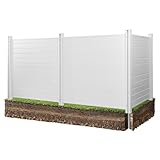
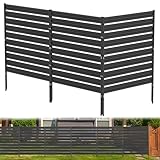
Is your fence looking a little worse for wear? Maybe a storm blew through and damaged a panel, or perhaps age and the elements have taken their toll. Whatever the reason, you’re probably wondering, ‘how to replace a fence panel?’ The good news is, it’s a completely manageable DIY project. You don’t need to be a seasoned carpenter to tackle this one.
We’re going to walk you through the entire process, step-by-step, ensuring you have all the information and confidence you need to get the job done right. From gathering the right tools and materials to the final installation, we’ll cover everything. This guide will save you money and give you the satisfaction of a job well done. Let’s get started!
Understanding Fence Panel Replacement: What You Need to Know
Before you dive in, it’s helpful to understand the basics. Replacing a fence panel involves removing the damaged section and installing a new one. This sounds simple, but there are a few key considerations to ensure a successful outcome.
Why Replace a Fence Panel?
There are several reasons why you might need to replace a fence panel:
- Damage: Storms, falling trees, or even accidental impacts can damage panels.
- Rot: Wood panels are susceptible to rot, especially at ground level.
- Age: Over time, panels can warp, crack, or deteriorate due to sun exposure and weathering.
- Aesthetics: You might want to update the look of your fence.
Types of Fence Panels
Fences come in various styles and materials. Knowing what type of fence you have is crucial for choosing the correct replacement panel. Common types include:
- Wood: The most common type, offering a classic look. Options include:
- Picket Fences: Consist of vertical pickets with spaces in between.
- Privacy Fences: Solid panels offering maximum privacy.
- Lattice Fences: Feature a decorative crisscross pattern.
- Vinyl: Durable, low-maintenance, and available in various styles.
- Chain-link: Often used for security and visibility.
- Composite: Made from a blend of wood fibers and plastic, offering durability and low maintenance.
Assessing the Damage
Before you start, carefully assess the damage. Determine if the damage is isolated to a single panel or if it has affected the posts or other panels. If the posts are damaged, you might need to replace them, which is a more involved process. Check for any signs of rot or insect infestation in the surrounding panels and posts.
Gathering Your Tools and Materials
Having the right tools and materials is essential for a smooth replacement. Here’s what you’ll need:
- Replacement Fence Panel: Ensure it matches the style and dimensions of your existing panels. Measure the existing panel before purchasing a replacement.
- Gloves: Protect your hands.
- Safety Glasses: Protect your eyes from splinters and debris.
- Work Boots: Protect your feet.
- Measuring Tape: For accurate measurements.
- Level: To ensure the panel is installed straight.
- Screwdriver or Drill: For removing and installing screws.
- Hammer: For driving nails (if applicable).
- Saw (if needed): For trimming the panel to fit.
- Post Hole Digger or Shovel (if needed): For adjusting or replacing posts.
- Clamps (optional): To hold the panel in place while you secure it.
- Screws or Nails: Appropriate for the type of fence (exterior grade).
- Post brackets or fence clips (if needed): Depending on the fence type.
- Shims (optional): To level the panel.
- Wood Preservative (optional): To protect the new panel from the elements.
Step-by-Step Guide: How to Replace a Fence Panel
Now, let’s get into the step-by-step process of replacing a fence panel. Follow these instructions, and you’ll have a new panel in place in no time. (See Also: How to Hook Up a Solar Electric Fence: A Step-by-Step Guide)
Step 1: Preparation and Safety
Safety First! Before you begin any work, put on your safety glasses, gloves, and work boots. Clear the area around the damaged panel of any obstructions. If the fence is near electrical lines, be extra cautious and consider contacting a professional. Also, before starting, inform your neighbours about the work you are about to do.
Step 2: Removing the Damaged Panel
The method for removing the damaged panel depends on how it’s attached. Here’s how to remove different types of fence panels:
- Wood Fence Panels:
- Locate the screws or nails that secure the panel to the posts.
- Use a screwdriver or drill to remove the screws.
- If nails are used, use a pry bar or hammer to carefully remove them.
- Once the fasteners are removed, gently lift the panel out of the frame or between the posts. You may need to wiggle it slightly.
- Vinyl Fence Panels:
- Vinyl panels often have a tongue-and-groove system or use brackets.
- Locate the fasteners (screws or clips) that hold the panel in place.
- Remove the fasteners.
- Carefully slide the panel out of the frame or lift it from the bottom.
- Chain-link Fence Panels:
- Chain-link panels typically attach to the posts with clips or wires.
- Use pliers to remove the clips or cut the wires.
- Lift the panel out of the frame.
Tip: If the panel is stubborn, try tapping it gently with a hammer or using a pry bar to loosen it. Be careful not to damage the adjacent panels or posts.
Step 3: Inspecting the Posts and Frame
Once the panel is removed, inspect the posts and the frame (if applicable). Check for:
- Rot: If the posts or frame members are rotted, they will need to be replaced. This is a more involved process that might require professional help.
- Damage: Look for any cracks, splits, or other damage.
- Alignment: Ensure the posts are straight and plumb (vertical).
If you find any damage to the posts or frame, address it before installing the new panel. This might involve repairing or replacing the damaged components. If the posts are unstable, the new panel will also be unstable.
Step 4: Installing the New Panel
Now, it’s time to install the new panel. The installation method varies depending on the type of fence:
- Wood Fence Panels:
- Carefully position the new panel between the posts or within the frame.
- Use a level to ensure the panel is straight.
- Use screws or nails to secure the panel to the posts or frame. Space the fasteners evenly, usually every 12-16 inches.
- Pre-drill pilot holes to prevent the wood from splitting.
- Ensure the screws are flush with the surface or slightly countersunk.
- Vinyl Fence Panels:
- Follow the manufacturer’s instructions.
- Typically, you’ll slide the panel into the frame or use brackets to secure it.
- Ensure the panel is level.
- Use screws or clips to secure the panel to the posts.
- Chain-link Fence Panels:
- Position the panel between the posts.
- Use the appropriate clips or wires to secure the panel to the posts.
- Make sure the panel is taut.
Tip: If the panel is slightly too large, you can trim it with a saw. Measure carefully before cutting. (See Also: How Much to Replace Fence Panels? Costs, Factors & Diy vs. Pro)
Step 5: Finishing Touches
Once the panel is installed, there are a few finishing touches to complete the job:
- Check for Gaps: Make sure there are no large gaps between the panel and the posts or adjacent panels.
- Trim and Sand (Wood Panels): If you trimmed the panel, sand any rough edges.
- Apply Wood Preservative (Wood Panels): This will protect the panel from the elements and extend its lifespan.
- Clean Up: Remove any debris and tools.
- Inspect: Take a final look at the fence to ensure everything is secure and level.
Common Problems and Solutions
Here are some common problems you might encounter and how to solve them:
- Panel Doesn’t Fit:
- Problem: The replacement panel is too large or small.
- Solution: Measure the opening carefully before purchasing a panel. If the panel is too large, trim it with a saw. If it’s too small, consider adding shims or using a different panel.
- Panel is Crooked:
- Problem: The panel is not level.
- Solution: Use a level to ensure the panel is straight. Use shims to level the panel if needed.
- Posts are Unstable:
- Problem: The posts are rotted or loose.
- Solution: This is a more involved repair. You might need to replace the posts or reinforce them with concrete. This might be a job for a professional.
- Difficulty Removing the Old Panel:
- Problem: The old panel is stuck or difficult to remove.
- Solution: Use a pry bar to gently loosen the panel. Be careful not to damage the surrounding panels or posts.
Fence Panel Replacement: People Also Ask
Here are some frequently asked questions about fence panel replacement:
How Much Does It Cost to Replace a Fence Panel?
The cost of replacing a fence panel varies depending on the type of fence, the materials, and whether you do it yourself or hire a professional. For a DIY project, you can expect to pay anywhere from $50 to $500 per panel, depending on the material and size. Hiring a professional will increase the cost, but it can save you time and effort.
How Long Does It Take to Replace a Fence Panel?
Replacing a single fence panel can usually be completed in a few hours, especially if you have experience. The time required depends on the complexity of the fence, the type of panel, and your skill level. If you’re replacing multiple panels or if the posts are damaged, the project will take longer.
Do I Need a Permit to Replace a Fence Panel?
In most cases, you don’t need a permit to replace a single fence panel. However, it’s always a good idea to check with your local building department or homeowner’s association to confirm. If you’re replacing a significant portion of the fence or if you’re making major changes, you might need a permit.
What Tools Do I Need to Replace a Fence Panel?
You’ll need basic tools like a screwdriver or drill, a hammer, a measuring tape, a level, and safety glasses. Depending on the type of fence, you might also need a saw, a pry bar, and clamps. (See Also: How to Install Fence at an Angle: A Step-by-Step Guide)
How Do I Choose the Right Replacement Panel?
Choose a replacement panel that matches the style and dimensions of your existing fence. Measure the existing panel carefully before purchasing a replacement. Consider the material and the overall look you want to achieve.
Can I Replace a Fence Panel Myself?
Yes, replacing a fence panel is a manageable DIY project for most homeowners. Follow the steps outlined in this guide, and you should be able to complete the job successfully. However, if you’re not comfortable with the work, you can always hire a professional.
Tips for a Successful Fence Panel Replacement
Here are some additional tips to ensure a successful fence panel replacement:
- Measure Twice, Cut Once: Accurate measurements are crucial.
- Use Exterior-Grade Fasteners: This will prevent corrosion and ensure the longevity of your fence.
- Pre-Drill Pilot Holes: This will prevent the wood from splitting.
- Work Safely: Always wear safety glasses, gloves, and work boots.
- Take Your Time: Don’t rush the process.
- Ask for Help: If you’re unsure about any step, don’t hesitate to ask a friend or family member for help.
- Consider the Weather: Avoid working in extreme weather conditions.
- Match the Style: Try to match the new panel with the existing fence style to maintain a consistent look.
- Check Local Codes: Be aware of any local regulations regarding fence height or materials.
By following these tips, you can ensure a successful fence panel replacement.
Tip: If you’re unsure about any step, consult with a professional. They can provide guidance and ensure the job is done correctly.
Final Verdict
Replacing a fence panel is a practical and rewarding DIY project. By following the steps outlined in this guide, you can restore your fence to its former glory, saving money and gaining a sense of accomplishment. Remember to prioritize safety, take your time, and carefully assess the situation before you begin. With a little effort, you can significantly improve the look and functionality of your property. Good luck!
Recommended Products