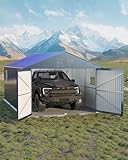
So, you’ve got a metal shed. Great! They’re a fantastic, cost-effective way to store your tools, equipment, and other belongings. However, metal sheds, while generally sturdy, aren’t always built like Fort Knox. You might be wondering, how to reinforce a metal shed to withstand strong winds, heavy snow, or even potential break-ins. The good news is, it’s definitely doable, and you don’t need to be a professional contractor to get the job done.
We’ll walk you through everything from assessing your shed’s current condition to implementing various reinforcement strategies. This guide will cover everything from the foundation to the roof, ensuring your shed remains secure and your belongings safe. We’ll explore various methods, materials, and step-by-step instructions. Let’s get started!
Understanding the Weak Points of a Metal Shed
Before diving into reinforcement, it’s crucial to understand the common weak points of metal sheds. This knowledge will help you prioritize your efforts and choose the most effective reinforcement methods. These weaknesses often stem from the materials used, the construction techniques, and the environmental factors they’re exposed to.
Foundation Issues
Many metal sheds sit directly on the ground or on a basic foundation, which can lead to several problems. Moisture from the ground can cause rust and corrosion, especially if the shed’s base isn’t properly treated. Uneven ground can also cause the shed to shift, leading to structural instability and potential damage to the walls and roof. Also, a poorly constructed foundation offers limited resistance to high winds.
Wall Vulnerabilities
Metal shed walls are typically made of thin, corrugated steel or aluminum. While these materials are relatively lightweight and easy to assemble, they’re not particularly resistant to impacts. Strong winds can easily dent or even tear the panels, and a determined intruder could pry them open. The connections between the wall panels, and the way they attach to the frame, can also be weak points.
Roof Weaknesses
The roof of a metal shed is often the most vulnerable part, especially in areas with heavy snow or strong winds. The roof panels themselves can be thin, and the connections between them and the supporting frame may not be robust enough to handle extreme weather conditions. Snow accumulation can put significant weight on the roof, potentially causing it to collapse. High winds can lift or tear off the roof panels if they aren’t securely fastened.
Door and Window Security
The doors and windows of a metal shed are often the easiest points of entry for intruders. The locks provided with many sheds are basic and easily bypassed. The frames around doors and windows can also be weak, making them vulnerable to forced entry. Windows, if present, can be easily broken.
Panel Connection Weaknesses
The method used to connect the metal panels together often relies on screws or rivets. These fasteners can loosen over time due to vibrations, wind, and temperature changes. This loosening creates gaps and weaknesses in the structure, making it more susceptible to damage. In some cases, the fasteners themselves may not be of sufficient quality to withstand the elements or potential intrusion attempts.
Foundation Reinforcement: A Solid Starting Point
A solid foundation is the cornerstone of a secure and durable metal shed. Without a stable base, the entire structure is vulnerable. Here’s how to reinforce the foundation:
1. Assess Your Current Foundation
Before you start, inspect your existing foundation. Is it level? Are there any signs of settling or erosion? Is the metal shed in direct contact with the ground? If the foundation is damaged or inadequate, you’ll need to address these issues before proceeding. You can use a level to check for any unevenness.
2. Options for Foundation Improvement
There are several options for improving your shed’s foundation, depending on your budget, the existing foundation, and the local climate:
- Concrete Slab: A concrete slab provides the most stable and durable foundation. You’ll need to excavate the area, pour a concrete slab, and allow it to cure. This is a more permanent and labor-intensive solution.
- Gravel Base: A gravel base is a more cost-effective option, particularly if you’re on a budget. Level the ground, add a layer of gravel, and compact it. This will help with drainage and provide a stable surface. You can then place your shed on top of the gravel.
- Pressure-Treated Wood Frame: Construct a frame from pressure-treated lumber and anchor it to the ground. This creates a raised platform, protecting the shed from ground moisture and improving stability.
- Concrete Blocks: Level the ground and place concrete blocks under the shed’s frame.
3. Anchoring the Shed
Regardless of the foundation type, anchoring the shed to the ground is crucial for wind resistance. Use appropriate anchors based on your foundation: (See Also: How to Transport a Storage Shed: A Step-by-Step Guide (easy!))
- Concrete Slab: Use concrete anchors (wedge anchors or epoxy anchors) to secure the shed’s base to the slab.
- Gravel Base: Use ground anchors or auger anchors that screw into the ground and attach to the shed’s frame.
- Wood Frame: Use ground anchors or lag bolts to secure the wood frame to the ground.
Important Tip: Always consult local building codes to ensure your foundation and anchoring methods comply with regulations.
Wall Reinforcement: Strengthening Against the Elements and Intruders
The walls of a metal shed are often the most vulnerable to damage from wind, impacts, and potential break-ins. Here’s how to reinforce them:
1. Inspect the Walls
Start by inspecting the walls for any existing damage, such as dents, rust, or loose panels. Address any issues before proceeding with reinforcement. Clean the walls before you begin work.
2. Adding Internal Studs
One of the most effective ways to reinforce the walls is to add internal studs. This involves:
- Measuring and Cutting: Measure the height and width of your shed’s walls. Cut pressure-treated lumber (2x4s or 2x6s) to create a stud frame.
- Attaching the Studs: Attach the studs to the inside of the shed walls using screws or bolts. Space the studs evenly, typically 16 or 24 inches apart.
- Securing the Studs: Ensure the studs are securely attached to the shed’s frame. You may need to drill pilot holes and use self-tapping screws.
This creates a more robust structure and provides a solid base for attaching additional materials.
3. Sheathing the Walls
Adding sheathing to the walls further increases their strength and impact resistance. Use one of the following materials:
- Plywood: Plywood is a cost-effective option that provides excellent strength. Choose exterior-grade plywood.
- OSB (Oriented Strand Board): OSB is another option that is more affordable than plywood.
- Metal Sheeting: Another option is to use thicker metal sheeting, if you want to match the aesthetics.
Attach the sheathing to the studs using screws or nails. Ensure that the fasteners are appropriate for the material you are using.
4. Reinforcing Panel Connections
The connections between the wall panels can be a weak point. Reinforce them by:
- Using Stronger Fasteners: Replace the original screws or rivets with stronger, self-tapping screws or bolts.
- Adding Washers: Use washers under the heads of the screws or bolts to distribute the load and prevent them from pulling through the metal.
- Sealing Gaps: Seal any gaps between the panels with caulk or weather stripping to prevent moisture and wind from entering.
5. Protecting Against Corrosion
Metal sheds are susceptible to rust, especially in humid environments. Protect your walls by:
- Cleaning and Priming: Clean the walls thoroughly and apply a rust-inhibiting primer.
- Painting: Apply a coat of exterior-grade paint to protect the metal from the elements.
- Regular Inspection: Inspect the walls regularly for any signs of rust and address them promptly.
Roof Reinforcement: Protecting Against Wind and Snow
The roof of your metal shed needs to be strong enough to withstand wind, snow, and rain. Here’s how to reinforce it:
1. Inspect the Roof
Examine the roof panels, seams, and connections for any damage or weaknesses. Look for loose screws, dents, or signs of rust. (See Also: Do French Bulldogs Shed? Everything You Need to Know!)
2. Strengthening the Frame
The roof frame provides the structural support for the roof panels. Reinforce the frame by:
- Adding Rafters: If the existing rafters are spaced too far apart, add additional rafters to provide more support.
- Bracing: Add diagonal bracing to the frame to increase its stability and resistance to wind.
- Connecting Bracing: Ensure all connections are secure and use appropriate fasteners.
3. Securing the Roof Panels
The roof panels need to be securely attached to the frame to prevent them from lifting off in high winds.
- Using Stronger Fasteners: Replace the original screws or rivets with stronger, self-tapping screws or bolts.
- Adding Washers: Use washers under the heads of the screws or bolts to distribute the load and prevent them from pulling through the metal.
- Increasing Fastener Density: Increase the number of fasteners used per panel.
- Sealing Seams: Seal the seams between the roof panels with caulk or weather stripping to prevent water from entering.
4. Improving Snow Load Capacity
If you live in an area with heavy snowfall, you need to ensure your roof can handle the weight. Consider the following:
- Snow Guards: Install snow guards to prevent snow from sliding off the roof in large sheets, which can damage anything below.
- Regular Snow Removal: Remove snow from the roof periodically, especially after heavy snowfall.
- Reinforcing the Frame: If necessary, reinforce the roof frame to increase its load-bearing capacity.
5. Addressing Roof Drainage
Proper drainage is essential to prevent water from accumulating on the roof. Ensure that:
- Gutters and Downspouts: Install gutters and downspouts to direct rainwater away from the shed.
- Cleaning Gutters: Clean the gutters regularly to prevent clogs.
- Checking for Leaks: Regularly inspect the roof for leaks and repair them promptly.
Door and Window Security: Protecting Entry Points
Doors and windows are often the most vulnerable points of entry for intruders. Here’s how to improve their security:
1. Door Reinforcement
Improve the security of your shed door by:
- Upgrading the Lock: Replace the basic lock with a more secure lock, such as a deadbolt lock.
- Reinforcing the Door Frame: Reinforce the door frame with additional wood or metal.
- Adding a Security Bar: Install a security bar or bar the door from the inside when you are away.
- Hinges: Use heavy-duty hinges and secure them with security screws.
2. Window Security
If your shed has windows, take steps to secure them:
- Using Security Film: Apply security film to the windows to make them more difficult to break.
- Installing Window Bars: Install window bars to prevent intruders from entering.
- Using Security Cameras: Install a security camera that points at the entry points of your shed.
3. Other Security Measures
Consider these additional security measures:
- Installing an Alarm System: Install an alarm system that will alert you if someone tries to break into your shed.
- Lighting: Install motion-activated lights to deter intruders.
- Security Cameras: Install security cameras to monitor the shed and record any activity.
- Fencing: If possible, surround your shed with a fence to further deter intruders.
Materials and Tools You’ll Need
Here’s a list of the materials and tools you’ll likely need for reinforcing your metal shed:
Materials
- Pressure-treated lumber (2x4s, 2x6s)
- Exterior-grade plywood or OSB
- Concrete mix (if pouring a slab)
- Gravel (for a gravel base)
- Concrete anchors (wedge anchors, epoxy anchors)
- Ground anchors or auger anchors
- Self-tapping screws, bolts, and washers
- Caulk or weather stripping
- Rust-inhibiting primer
- Exterior-grade paint
- Security film (for windows)
- Security bars (for doors and windows)
- Snow guards (if applicable)
- Fasteners (screws, bolts, nails, rivets)
Tools
- Measuring tape
- Level
- Drill
- Impact driver
- Circular saw or hand saw
- Hammer
- Wrench
- Caulk gun
- Safety glasses
- Work gloves
- Ladder
Step-by-Step Guide: Reinforcing the Walls
Let’s walk through the process of reinforcing the walls, a common and effective upgrade. Remember to adapt these steps to your specific shed model and needs.
- Prepare the Walls: Clean the interior and exterior surfaces of the shed walls. Remove any loose panels or fasteners.
- Measure and Cut Studs: Measure the height and width of the walls. Cut pressure-treated lumber (2x4s or 2x6s) to create the stud frame.
- Attach Vertical Studs: Position the vertical studs against the interior walls, spacing them evenly (typically 16 or 24 inches on center). Use a level to ensure they are plumb.
- Fasten the Studs: Secure the studs to the shed’s frame using self-tapping screws or bolts. Pre-drill pilot holes if necessary to prevent the metal from bending.
- Add Horizontal Studs: Install horizontal studs (top and bottom plates) to create a frame.
- Apply Sheathing (Optional): If you’re adding sheathing, measure and cut the plywood or OSB panels to fit the stud frame. Attach the sheathing to the studs using screws or nails.
- Reinforce Panel Connections: Replace the existing fasteners (screws or rivets) that connect the wall panels with stronger self-tapping screws or bolts. Add washers under the heads of the screws or bolts.
- Seal Gaps: Apply caulk or weather stripping to seal any gaps between the wall panels and around the edges of the sheathing.
- Paint (Optional): If you want to paint the walls, apply a rust-inhibiting primer and then a coat of exterior-grade paint.
People Also Ask
Here are some frequently asked questions about reinforcing metal sheds: (See Also: How Bad Do Dachshunds Shed? The Truth About Doxie Hair!)
Can I Reinforce a Metal Shed Myself?
Yes, most reinforcement projects can be done as a DIY project, provided you have basic carpentry and tool skills. However, if you’re not comfortable with any of the steps, consider hiring a professional.
What’s the Best Material for Reinforcing a Metal Shed?
Pressure-treated lumber is a great choice for adding internal studs. Plywood or OSB is good for sheathing. Strong, self-tapping screws and bolts are crucial. Concrete for foundations is ideal.
How Much Does It Cost to Reinforce a Metal Shed?
The cost varies depending on the size of your shed, the materials you choose, and whether you do the work yourself or hire a professional. Budget anywhere from a few hundred to a couple of thousand dollars.
How Long Will It Take to Reinforce a Metal Shed?
Again, this depends on the scope of the project. A small reinforcement project might take a weekend, while a more extensive project could take several days or even weeks.
Is It Worth Reinforcing a Metal Shed?
Absolutely! Reinforcing your metal shed can significantly increase its lifespan, protect your belongings, and provide peace of mind.
How Do I Prevent Rust on My Metal Shed?
Clean the metal regularly, apply a rust-inhibiting primer, and then paint with exterior-grade paint. Address any signs of rust promptly.
What Are the Best Types of Anchors for a Metal Shed?
For concrete foundations, use wedge anchors or epoxy anchors. For gravel or soil, use ground anchors or auger anchors.
How Do I Choose the Right Size of Screws or Bolts for My Metal Shed?
Use screws or bolts that are long enough to penetrate through both the metal panel and the supporting frame, plus some extra length to ensure a secure hold. Use washers under the heads of the screws or bolts to distribute the load.
Final Verdict
Reinforcing a metal shed is a worthwhile investment. By strengthening the foundation, walls, and roof, and by improving the security of doors and windows, you can significantly enhance your shed’s durability and protect your stored items from the elements and potential theft. With careful planning and the right materials, you can create a secure and long-lasting storage solution.
Recommended Products