As the crisp air of autumn settles in, and the days grow shorter, your vibrant citronella plant, a natural mosquito repellent, may start to show signs of slowing down. Preparing your citronella plant for winter is crucial for its survival and its ability to thrive come springtime. Proper pruning is a key component of this preparation, ensuring the plant’s health and vitality throughout the colder months.
This comprehensive guide will walk you through everything you need to know about how to prune citronella plant for winter. We’ll cover the best time to prune, the tools you’ll need, and the specific techniques to use. By following these steps, you can protect your citronella plant from the harsh winter conditions and encourage robust growth when the warmer weather returns. Let’s get started on ensuring your plant’s survival and future growth.
Understanding Citronella Plants and Winter Preparation
Citronella plants (Cymbopogon nardus) are not naturally cold-hardy and are often grown in warmer climates. In regions with freezing temperatures, these plants require special care to survive the winter. Pruning is a critical practice that helps protect the plant from the cold and promotes healthy growth in the spring. Understanding the plant’s needs during this season is the first step in successful winter care.
Why Prune Citronella for Winter?
Pruning citronella plants before winter offers several significant benefits. It helps to reduce the plant’s size, making it easier to manage indoors if you choose to overwinter it. Pruning also removes dead or damaged foliage, which can harbor pests and diseases. This practice encourages the plant to focus its energy on root development and overall health during the dormant period.
Furthermore, pruning can stimulate new growth in the spring. By removing older stems, you encourage the plant to produce fresh, vigorous shoots when the growing season begins. This results in a fuller, healthier plant with a stronger mosquito-repelling scent in the following season. The plant’s ability to withstand winter stress is significantly improved by this process.
The Impact of Climate on Winter Care
The specific pruning and winter care strategies for your citronella plant will depend on your local climate. In areas with mild winters, you might only need to provide minimal pruning and protection from frost. However, in regions with severe winters, you may need to bring the plant indoors or provide more extensive protection.
Consider the average winter temperatures in your area. If temperatures frequently drop below freezing, protecting your citronella plant is essential. This may involve moving the plant to a sheltered location, covering it with a protective cloth, or bringing it indoors. Understanding your climate will help you determine the best approach for winter pruning and care.
Essential Tools and Materials
Before you begin pruning your citronella plant, gather the necessary tools and materials. Having the right equipment will make the process easier and ensure a clean and effective pruning job. Here’s a list of the essential tools and materials you’ll need.
Pruning Shears or Scissors
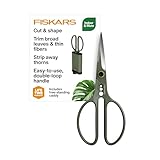
Pruning shears or sharp scissors are the most important tool for pruning your citronella plant. Choose shears that are designed for plant care. Bypass pruning shears are generally preferred because they make clean cuts, reducing the risk of disease. Always make sure your shears are sharp to avoid damaging the plant’s stems.
- Bypass Pruning Shears: These shears have a sharp blade that passes by a curved blade, providing a clean cut.
- Anvil Pruning Shears: These shears have a sharp blade that cuts against a flat surface. They are better for thicker stems.
- Scissors: Sharp scissors can also work for smaller plants or thinner stems.
Gloves
Wear a pair of gardening gloves to protect your hands from the plant’s sharp leaves and stems. Gloves also provide a better grip, making it easier to handle the shears and the plant. Choose gloves that are comfortable and provide good dexterity.
Rubbing Alcohol or Bleach Solution
Before and after pruning, sterilize your pruning shears with rubbing alcohol or a diluted bleach solution. This helps prevent the spread of diseases between plants. Dip the blades of your shears in the solution or wipe them down thoroughly. (See Also: Learn How to Plant Avocado Seed in Water: A Step-by-Step Guide)
Optional Materials
Depending on your plant’s needs and your climate, you may also need some optional materials:
- Gardening Knife: Useful for removing dead or damaged leaves and stems.
- Potting Soil: If you plan to repot your citronella plant, have fresh potting soil ready.
- Protective Cloth or Fabric: If you live in an area with frost, you can use a protective cloth to cover your plant.
Step-by-Step Guide to Pruning Citronella Plants
Pruning your citronella plant for winter is a straightforward process. By following these steps, you can ensure your plant is well-prepared for the colder months. Remember to work carefully and use the right techniques to promote healthy growth.
1. Timing Is Key
The best time to prune your citronella plant is in the late summer or early fall, before the first frost. This allows the plant time to recover from pruning before the winter sets in. Avoid pruning too late in the season, as this could stress the plant and make it more susceptible to cold damage.
Ideally, prune your citronella plant about 4-6 weeks before the first expected frost. This gives the plant enough time to heal and store energy for the winter. Check your local weather forecast to determine the best pruning window. The plant also slows its growth in fall, making it an ideal time to shape it.
2. Preparing Your Plant
Before you start pruning, inspect your citronella plant for any signs of disease or pest infestation. Remove any dead, damaged, or diseased leaves and stems. This helps prevent the spread of problems and prepares the plant for pruning.
Water the plant thoroughly a day or two before pruning. This helps the plant stay hydrated during the pruning process and reduces stress. Avoid fertilizing the plant at this time, as it’s nearing dormancy.
3. Pruning Techniques
Use your pruning shears or scissors to trim the plant. The goal is to reduce the plant’s size and remove any dead or overgrown stems. Here are the key techniques:
- Remove Dead or Damaged Stems: Cut these stems back to their base or to a healthy node.
- Trim Overgrown Stems: Cut back any stems that are too long or leggy. Aim to maintain a balanced shape.
- Shape the Plant: Trim the plant to your desired shape, removing any stems that are crossing or growing in the wrong direction.
- Reduce the Height: You can cut the plant back by about one-third to one-half of its height.
- Thin the Foliage: Remove some of the denser foliage to improve air circulation.
4. Making the Cuts
Make clean cuts just above a leaf node (the point where a leaf grows from the stem). This encourages new growth. Avoid leaving stubs, as these can be entry points for diseases.
When trimming the plant’s height, make cuts at a slight angle to prevent water from pooling on the cut surface. This reduces the risk of rot. Always cut at a node to encourage new growth. The goal is to create a neat and tidy plant that is ready for winter.
5. After Pruning Care
After pruning, water your citronella plant thoroughly. Then, provide adequate protection from frost. If you’re overwintering your plant indoors, place it in a location with bright, indirect light. (See Also: How Deep to Plant Canna Bulbs? Planting Guide & Tips)
Monitor your plant for any signs of stress or disease. Check for any pests and treat them promptly. Reduce watering during the winter months, as the plant’s growth slows down. Be patient, and your plant will thrive again in the spring.
Overwintering Your Citronella Plant
Depending on your climate, you may need to take additional steps to overwinter your citronella plant. These steps can include moving the plant indoors, protecting it from frost, and adjusting your watering schedule.
Overwintering Indoors
If you live in an area with freezing temperatures, consider bringing your citronella plant indoors. Choose a location with bright, indirect light, such as a sunny windowsill. Avoid placing the plant near heat sources, as this can dry out the plant.
Reduce watering during the winter months, allowing the soil to dry out slightly between waterings. Avoid fertilizing the plant during this time. Repot the plant in the spring if it has outgrown its pot, using fresh potting soil.
Outdoor Winter Protection
If you prefer to leave your citronella plant outdoors, you’ll need to provide protection from frost. Cover the plant with a protective cloth or burlap. This helps insulate the plant and protect it from freezing temperatures.
Mulch around the base of the plant to help insulate the roots. This can be done with a layer of straw, wood chips, or other organic material. Ensure good drainage to prevent waterlogging, which can damage the roots. This will help protect the plant from the cold and ensure its survival.
Watering and Maintenance During Winter
Reduce watering during the winter months. Overwatering can lead to root rot. Allow the soil to dry out slightly between waterings. Avoid fertilizing the plant during this dormant period.
Monitor the plant for any signs of pests or diseases. If you see any, treat them promptly. Prune any dead or damaged foliage as needed. Check the plant regularly to ensure it is healthy and thriving.
Common Problems and Solutions
Even with the best care, citronella plants can sometimes encounter problems during the winter. Knowing how to identify and address these issues will help you keep your plant healthy and thriving.
Pest Infestations
Pests such as spider mites, aphids, and mealybugs can sometimes infest citronella plants, especially when they are brought indoors. Inspect your plant regularly for any signs of pests. If you notice any, treat them promptly. (See Also: Planting Cabbage: How Far to Plant Cabbage Apart for Success)
- Spider Mites: Look for fine webbing and tiny moving spots. Treat with insecticidal soap or neem oil.
- Aphids: These small, soft-bodied insects can be green, black, or brown. Spray with insecticidal soap.
- Mealybugs: These appear as white, cottony masses. Remove them with a cotton swab dipped in rubbing alcohol.
Disease Issues
Citronella plants can also be susceptible to certain diseases, especially if they are overwatered or kept in humid conditions. Watch out for signs of fungal infections, such as leaf spots or mold. Ensure proper air circulation to prevent these issues.
- Leaf Spot: Remove affected leaves and improve air circulation. Treat with a fungicide if necessary.
- Root Rot: This is often caused by overwatering. Allow the soil to dry out and ensure good drainage.
Dealing with Frost Damage
If your citronella plant is exposed to frost, the leaves may turn brown and wilt. If only a small portion of the plant is affected, you can prune away the damaged foliage. If the damage is extensive, you may need to bring the plant indoors and provide extra care.
To prevent frost damage, protect your plant with a covering or move it to a sheltered location. Be prepared to take action if a frost is predicted. Proper care will help the plant recover.
Frequently Asked Questions (faq)
Here are some frequently asked questions about pruning citronella plants for winter. This will help you find the answers to common questions about winter care.
When Is the Best Time to Prune a Citronella Plant?
The best time to prune a citronella plant is in late summer or early fall, before the first frost. This allows the plant time to recover before winter. Pruning approximately 4-6 weeks before the first frost is ideal.
How Much Should I Prune My Citronella Plant?
You can prune your citronella plant by about one-third to one-half of its height. Remove dead, damaged, or overgrown stems and shape the plant to your desired size. Thin out the foliage to improve air circulation.
Can I Propagate Citronella Cuttings?
Yes, you can propagate citronella cuttings. Take cuttings from healthy stems in the spring or summer. Root the cuttings in water or potting soil. This is a great way to create new plants.
What Should I Do with My Citronella Plant in the Winter?
In areas with freezing temperatures, you should either bring your citronella plant indoors or provide it with frost protection. Reduce watering during the winter months and avoid fertilizing. Monitor the plant for any signs of pests or diseases.
How Do I Protect My Citronella Plant From Frost?
Protect your citronella plant from frost by covering it with a protective cloth or burlap. Mulch around the base of the plant to insulate the roots. If the frost is severe, bring the plant indoors.
Conclusion
Pruning your citronella plant for winter is a vital step in ensuring its survival and continued health. By following the techniques outlined in this guide, you can prepare your plant for the cold months and encourage robust growth in the spring. Remember to choose the right tools, prune at the appropriate time, and provide the necessary protection based on your climate. With a little care and attention, your citronella plant will thrive. Enjoy the refreshing scent and mosquito-repelling benefits of your plant for years to come.
Recommended Products