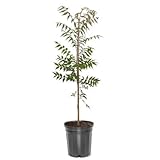
The Chinese pistache tree (Pistacia chinensis) is a stunning ornamental tree, celebrated for its vibrant fall foliage and attractive, spreading canopy. To ensure your Chinese pistache thrives and maintains its picturesque form, proper pruning is essential. It’s not just about aesthetics; pruning plays a crucial role in the tree’s health, structural integrity, and longevity.
Whether you’re a seasoned gardener or just starting out, understanding the ‘how to prune a Chinese pistache tree’ is a skill that will pay dividends. This guide will walk you through the process, demystifying the techniques and timing to help you cultivate a beautiful and robust specimen.
Understanding the Goals of Pruning Chinese Pistache Trees
Before you grab your pruning shears, it’s important to understand *why* we prune Chinese pistache trees. The primary goals are:
- Structural Development: Encouraging a strong central leader and well-spaced scaffold branches. This is particularly important when the tree is young to prevent weak crotches that can split under stress later in life.
- Health Maintenance: Removing dead, diseased, or damaged branches prevents the spread of pathogens and pests. It also improves air circulation within the canopy, reducing the risk of fungal diseases.
- Aesthetic Improvement: Shaping the tree to achieve a balanced, attractive form that complements its surroundings. This includes managing crossing branches, watersprouts, and suckers.
- Fruit Production (if applicable): While not primarily grown for fruit, if you have a female tree and desire some fruit, pruning can influence its production, though it’s generally not a major consideration for this species.
- Size Management: While Chinese pistaches are moderately sized trees, pruning can help keep them within desired boundaries, especially in smaller landscapes or near structures.
When to Prune Your Chinese Pistache Tree
Timing is critical for successful pruning. For Chinese pistache trees, the ideal time is during their dormant season.
Dormant Pruning: The Primary Season
The best time to perform major structural pruning and shaping on your Chinese pistache is in late winter or early spring, before new growth begins. This period offers several advantages:
- Visibility: Without leaves, you can clearly see the tree’s structure, including branches, crotches, and potential issues.
- Reduced Stress: Pruning during dormancy minimizes stress on the tree as it’s not actively growing.
- Faster Healing: Wounds made during dormancy tend to heal more quickly once active growth resumes in spring.
- Disease Prevention: Many common tree diseases are less active during the cold winter months, reducing the risk of infection through pruning cuts.
Summer Pruning: For Specific Adjustments
Light pruning can be done in summer, but it should be limited and strategic. This is typically reserved for removing: (See Also: How to Care for a Fig Leaf Tree: A Complete Guide)
- Watersprouts: Vigorous, upright shoots that grow rapidly from the trunk or main branches.
- Suckers: Shoots that emerge from the base of the tree or the root system.
- Crossing or Rubbing Branches: Minor adjustments to prevent damage.
Avoid heavy pruning in summer, as it can stress the tree and make it more susceptible to drought and heat damage.
Essential Tools for Pruning
Having the right tools makes the job easier and safer, and ensures clean cuts that promote healing. Always ensure your tools are sharp and sterilized to prevent disease transmission.
Hand Pruners
- Bypass Pruners: Ideal for cutting small branches (up to 3/4 inch in diameter). The bypass action creates a clean cut, similar to scissors, which is best for plant health.
Loppers
- Bypass Loppers: For branches ranging from 3/4 inch to 1.5 inches in diameter. Their long handles provide leverage for thicker branches.
Pruning Saws
- Hand Saw: For branches larger than 1.5 inches in diameter. Look for saws with curved blades and sharp teeth designed for cutting live wood.
- Pole Saw: A saw attached to a long pole, useful for reaching higher branches safely from the ground.
Chainsaws (use with Caution)
For very large branches, a chainsaw might be necessary. However, this is best left to experienced individuals or professional arborists due to safety concerns and the potential for significant damage if not used correctly.
Safety Gear
Don’t forget safety! Always wear:
- Gloves: Protect your hands from sap and thorns.
- Eye Protection: Safety glasses or goggles are crucial to prevent debris from entering your eyes.
- Sturdy Footwear: For good traction and ankle support.
- Hard Hat: If working under branches or where there’s a risk of falling debris.
How to Prune a Young Chinese Pistache Tree (structural Pruning)
The foundation for a healthy, strong Chinese pistache is laid when the tree is young. Structural pruning focuses on developing a good framework. (See Also: How to Draw a Step by Step Tree: A Beginner’s Guide)
Establishing a Central Leader
A strong central leader is a single, dominant vertical stem. This provides the tree with its primary support structure.
- Identify the Leader: Look for the most vigorous, upright shoot at the top of the tree.
- Remove Competing Leaders: If there are other strong vertical shoots competing with the main leader, prune them back to a side branch or remove them entirely. Aim for a gradual taper in diameter from the leader down to the smaller branches.
- Avoid Topping: Never cut off the top of the leader, as this encourages multiple competing leaders and weakens the tree.
Developing Scaffold Branches
Scaffold branches are the main horizontal or outward-growing branches that form the tree’s canopy. Aim for branches that are:
- Well-Spaced: Branches should ideally be spaced at least 6-12 inches apart vertically along the trunk.
- Angled Appropriately: Look for branches with a wide angle (45-60 degrees) to the trunk. Narrow crotch angles (less than 45 degrees) are weak and prone to splitting.
- Alternating: Avoid having branches directly opposite each other at the same height on the trunk.
Pruning Techniques for Young Trees
- Heading Cuts: Cutting a branch back to a bud or a smaller lateral branch. This encourages bushier growth. Use this sparingly on young trees to avoid creating overly dense canopies.
- Thinning Cuts: Removing an entire branch back to its point of origin (the trunk or a larger branch). This opens up the canopy, improves air circulation, and directs growth. This is the preferred method for structural pruning.
Step-by-Step Young Tree Pruning
- Assess the tree: Stand back and look at the overall shape. Identify the desired central leader and potential scaffold branches.
- Remove low branches: If the tree is intended to have a clear trunk (e.g., for shade or lawn mowing), remove branches that are too low. Make cuts just outside the branch collar.
- Address weak crotches: If you find branches with narrow crotch angles, prune them back to a stronger, outward-growing lateral branch. If a branch is directly below another with a similar angle, remove the lower one.
- Remove crossing branches: If two branches are rubbing or growing into each other, remove the less desirable one.
- Thin out crowded areas: If there are too many branches growing in one area, remove some to improve light penetration and air circulation.
- Keep it light: For young trees, it’s better to prune lightly and frequently rather than making large, drastic cuts. Aim to remove no more than 20-25% of the live growth in a single season.
How to Prune a Mature Chinese Pistache Tree (maintenance Pruning)
Once your Chinese pistache has established a good structure, pruning shifts to maintenance, focusing on health, shape, and vigor.
Key Maintenance Pruning Tasks
- Remove Dead, Diseased, or Damaged Wood: This is a priority at any age. Make clean cuts back to healthy wood. If you cut out diseased wood, sterilize your tools afterward.
- Manage Suckers and Watersprouts: These are energy drains and can detract from the tree’s form. Remove them completely at their origin.
- Thin Out Overgrown Areas: As the tree matures, branches can become crowded. Thinning cuts help maintain light penetration and air circulation. Focus on removing branches that are growing inward, downward, or crossing other branches.
- Correct Structural Defects: Even mature trees can develop issues. Address any branches that are showing signs of splitting or weakness. Sometimes, a strong lateral branch can be trained to take over for a compromised main branch.
- Maintain Overall Shape: Prune to keep the canopy balanced and aesthetically pleasing. Avoid shearing or topping, which creates an unnatural, dense form and can lead to weak growth.
Techniques for Mature Trees
The same pruning techniques (heading and thinning) apply, but the focus shifts. Thinning cuts are paramount for maintaining an open canopy.
The Three-Cut Method for Larger Branches
When removing a larger branch (one that’s too heavy to support with one hand), use the three-cut method to prevent tearing the bark: (See Also: How to Decorate a Christmas Tree with Tinsel: A Festive…)
- Undercut: About 12-18 inches away from the trunk, make a shallow cut on the underside of the branch, going about one-quarter to one-third of the way through. This prevents the branch from tearing bark as it falls.
- Top Cut: A few inches further out from the undercut, make a complete cut from the top down, severing the branch. The weight of the branch will cause it to break at the undercut.
- Final Cut: Remove the remaining stub (the portion of the branch still attached to the trunk) by making a clean cut just outside the branch collar. The branch collar is the swollen area where the branch joins the trunk. Cutting into it can damage the trunk tissue and impede healing.
Common Pruning Mistakes to Avoid
Even with the best intentions, pruning can go wrong. Be mindful of these common pitfalls:
- Topping: Cutting off the main leader or major branches indiscriminately. This creates a weak, bushy growth known as ‘codominant leaders’ and ‘pin-cushioning’, making the tree structurally unsound and unsightly.
- Flush Cuts: Cutting too close to the trunk, removing the branch collar. This damages the trunk and hinders the tree’s ability to compartmentalize the wound.
- Leaving Stubs: Not cutting branches back far enough, leaving a stub. This can rot and attract pests, and the tree cannot heal over a stub effectively.
- Pruning at the Wrong Time: Heavy pruning during the growing season can stress the tree.
- Over-Pruning: Removing too much of the tree’s canopy at once (more than 25-30% of live wood). This can weaken the tree, making it susceptible to disease and stress.
- Using Dull or Dirty Tools: This leads to ragged cuts that are slow to heal and can introduce diseases.
- Not Considering the Tree’s Natural Form: Forcing a tree into an unnatural shape is detrimental to its health and appearance.
Pruning for Specific Issues
Dealing with Crossing or Rubbing Branches
These branches can damage each other’s bark, creating entry points for disease. Identify the less desirable branch (e.g., the one growing at a weaker angle, the smaller one, or the one growing into the other) and remove it entirely with a thinning cut.
Managing Watersprouts and Suckers
Watersprouts are fast-growing shoots that emerge from the trunk or main branches, often above pruning cuts or where branches were removed. Suckers emerge from the base or roots. Both divert energy from the tree’s main structure. Remove them completely at their point of origin, ideally during summer when they are easy to spot and remove.
Addressing Storm Damage
After a storm, inspect your tree for broken branches. Remove broken branches immediately to prevent further damage and potential hazards. Use the three-cut method for larger broken limbs. If the damage is extensive or involves major limbs, it’s best to consult an arborist.
Conclusion
Mastering how to prune a Chinese pistache tree is a rewarding endeavor that ensures its long-term health, structural integrity, and aesthetic beauty. By understanding the proper timing, employing the right tools, and following best practices for both young and mature trees, you can cultivate a magnificent specimen. Regular, mindful pruning prevents disease, strengthens the tree’s framework, and enhances its natural elegance, making it a cherished feature in your landscape for years to come.
Recommended Products