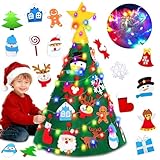
Ah, the magic of Christmas! Twinkling lights, the scent of pine, and the joyous anticipation of the season. But for parents of toddlers, this picture can quickly turn into a scene of impending doom for your beautifully decorated Christmas tree. That irresistible sparkle and dangling ornament become a siren’s call to little hands, leading to potential tumbles, broken baubles, and a whole lot of stress.
You’re not alone in this festive dilemma. Many parents grapple with the question: ‘How to protect Christmas tree from toddler?’ The good news is, with a little planning and a few smart strategies, you can create a safe and enchanting holiday display that both you and your little explorer can enjoy. Let’s dive into making this Christmas merry and bright, without the tree-related tears!
The Toddler-Tree Tango: A Parent’s Guide to a Safe & Merry Christmas
The Christmas tree is often the heart of holiday decorating, a beacon of festive cheer. However, for parents with curious toddlers, it can also be a source of significant anxiety. Those shiny ornaments, tempting lights, and the sheer height of the tree present an irresistible challenge to little explorers. We understand the desire to create a magical atmosphere without the constant worry of a toppled tree or a shattered heirloom. This guide is designed to equip you with practical, creative, and effective strategies to keep your Christmas tree safe from your tiny tornado, ensuring a joyful and stress-free holiday season for everyone.
Assessing the Toddler Threat Level
Before we even think about securing the tree, let’s have an honest chat about your toddler’s individual personality and capabilities. Are they a cautious observer or a fearless climber? Do they have a history of grabbing and throwing things, or are they more likely to gently poke and prod?
- The Explorer: These toddlers are driven by curiosity. They want to touch, taste, and understand everything. Ornaments are prime targets for investigation.
- The Climber: Some toddlers possess an innate desire to ascend. The Christmas tree, with its enticing branches, might just look like the perfect ladder.
- The Destroyer: This category includes those who might find joy in pulling, shaking, or even dismantling things. Fragile ornaments are at high risk.
Understanding your child’s natural tendencies will help you tailor your protection methods. What works for one toddler might be insufficient for another. This assessment is the crucial first step in effectively answering ‘how to protect Christmas tree from toddler’ for your unique family dynamic.
Choosing the Right Tree: Location, Location, Location!
The foundation of tree safety starts with its placement. Where you put your tree can make a world of difference in how accessible it is to your little one.
Ideal Tree Placement Strategies
- The Corner is Your Friend: Whenever possible, position your tree in a corner. This immediately limits access from one or two sides, making it harder for a toddler to approach from all angles.
- Behind Furniture Fortification: Place the tree behind a sofa, a large armchair, or a sturdy coffee table. This creates a natural barrier, making it more difficult for a toddler to reach the lower branches.
- High-Traffic Area Avoidance: Resist the urge to place your tree in the most central or visible spot if it’s also a high-traffic zone for your toddler. Think about where they play most often.
- Avoid Near Walkways or Doors: Placing the tree where it can be bumped into by people passing by or near doors that are frequently opened and closed is a recipe for disaster.
Pro Tip: If you have a real tree, ensure it’s not placed near heat sources like radiators or fireplaces, as this can dry it out and increase fire risk, which is an additional hazard to consider, especially with a toddler around.
Securing the Base: The Unshakeable Foundation
A wobbly tree is a falling tree, and a falling tree with a toddler nearby is a serious safety concern. The base needs to be as secure as possible. (See Also: How Far Is Joshua Tree From Phoenix? Your Desert Road)
Methods for Stabilizing Your Tree Base
| Method | Description | Pros | Cons |
|---|---|---|---|
| Sturdy Tree Stand | Invest in a heavy-duty, wide-based tree stand. For real trees, ensure the stand has a large water reservoir; a heavier stand is generally more stable. | Provides a solid foundation. Wide bases offer better balance. | Can be bulky. May require additional securing. |
| Tethering to the Wall | Use “L” brackets or heavy-duty zip ties to secure the tree trunk to a wall stud. This is a highly effective method for preventing tipping. | Extremely secure. Prevents major toppling. | Requires drilling into walls. May be visible. |
| Weighting the Stand | Place heavy objects (like sandbags or large water bottles) around the base of the stand to add extra weight and stability. | Simple and effective for added stability. | Can be unsightly. May still allow some wobble. |
| The “Invisible” Fence (DIY) | Create a low, unobtrusive barrier around the tree using fishing line or clear acrylic sheets, anchored to the floor or surrounding furniture. | Can be less visually intrusive than other methods. | Requires some DIY skills. May not deter determined toddlers. |
For artificial trees, ensure the pole is firmly inserted into its stand and that all sections are securely locked together. Check for any loose parts that could compromise its stability.
Ornament Armament: Toddler-Proofing Your Decorations
Ornaments are the jewels of the Christmas tree, but they are also prime targets for tiny, curious hands. Making smart choices about your decorations is key.
Smart Ornament Strategies
- The “Toddler Zone” – Top Tier Only: This is perhaps the most crucial tip. Reserve your most precious, fragile, and tempting ornaments for the very top branches, well out of reach of your toddler.
- Unbreakable Alternatives: Opt for shatterproof ornaments made from plastic, wood, felt, or fabric for the lower and middle sections of the tree. These are much more forgiving if they do get knocked down.
- DIY Decor for Durability: Consider making your own ornaments from sturdy materials like salt dough, felt, or painted pinecones. You can even involve your toddler in making some of these!
- Secure Ornament Attachment: Use sturdy ornament hooks or even pipe cleaners instead of flimsy string or wire. Ensure they are securely attached to the branches so they don’t easily detach.
- Avoid Edible Ornaments (in reach): While cute, gingerbread or candy canes within reach can lead to a sticky mess and potential choking hazards.
- No Small Parts: Steer clear of ornaments with small, detachable parts that could be a choking hazard if ingested.
Consider a “Kid’s Tree”: If you have a lot of cherished or fragile ornaments, consider setting up a smaller, separate tree in a higher location that’s purely for your toddler’s decoration. This gives them their own festive space to explore without endangering the main display.
Light Up Safely: Electrical Hazards and Toddlers
Christmas lights are magical, but they also come with electrical risks that can be amplified with a toddler around.
Electrical Safety Measures
- Secure Cords: Use cord covers or cable clips to secure all light strands to the tree trunk and down the back. This prevents them from dangling temptingly or becoming a tripping hazard.
- Out-of-Reach Plugs: Plug lights into an outlet that is out of reach or behind heavy furniture. Use a surge protector with an on/off switch that can be placed in a secure location.
- Check for Damage: Before stringing lights, carefully inspect them for any frayed wires, cracked bulbs, or damaged cords. Discard any damaged sets immediately.
- LED Lights are Safer: Consider using LED lights. They are cooler to the touch than incandescent bulbs, reducing the risk of burns if a toddler manages to touch them. They are also more energy-efficient.
- Timer Usage: Use a timer for your lights so they aren’t on constantly, especially overnight when supervision is reduced. This also saves energy.
Never let your toddler play with or chew on light cords. If they do, unplug everything immediately and inspect the cords for any damage.
The Skirt and Surrounding Area: Creating a Safe Zone
The area around the tree needs just as much attention as the tree itself.
Making the Tree Surround Safe
- Skip the Dangling Skirt: Traditional tree skirts can be tempting for toddlers to pull on, potentially destabilizing the tree. Opt for a skirt that is snug to the stand or a tree collar instead.
- Tree Collars: These are sturdy, often decorative, cylinders that fit around the base of the tree stand. They provide a neat finish and a good deterrent against little hands reaching the base.
- Clear the Clutter: Keep the area around the tree free of other tempting items like small toys, remotes, or anything that might encourage your toddler to linger too close to the tree.
- Guard Rails (Temporary): For particularly adventurous toddlers, you might consider a temporary, decorative guard rail or a playpen setup around the tree for a limited time, especially when unsupervised.
Water Hazards (Real Trees): Ensure the water reservoir for a real tree is not easily accessible. Some toddlers might try to drink or splash in it. A tree collar can help with this. (See Also: Peach Tree Patience: How Long Does It Take to Grow a…)
Supervision and Setting Boundaries
Even with all the precautions, supervision is your most powerful tool.
Effective Supervision and Boundary Setting
- Constant Vigilance: When your toddler is in the room with the tree, keep a close eye on them. Be proactive, not reactive.
- Redirect, Redirect, Redirect: If your toddler shows interest in the tree, gently redirect their attention to a more appropriate toy or activity. Say, “The tree is not for touching, but look at this fun toy!”
- Consistent Messaging: Use simple, consistent language. “Gentle hands,” “No touching the tree,” or “The tree is special, we look with our eyes.”
- Positive Reinforcement: Praise your toddler when they play nicely near the tree without touching it. “Good job playing so nicely!”
- Designated “Off-Limits” Times: If you cannot supervise, consider putting up a temporary barrier or ensuring your toddler is in a safe, enclosed play area away from the tree.
Teaching Respect: This is also an opportunity to teach your toddler about respecting boundaries and understanding what is “off-limits.” It’s a learning process for them.
What About Pets? A Combined Threat
If you have pets in addition to toddlers, the challenge is doubled! Pets can also be drawn to the tree, knocking ornaments down or even trying to chew on branches.
Pet-Proofing the Tree
- Combined Barriers: The securing methods mentioned for toddlers (tethering, sturdy stands) are also beneficial for pets.
- Scent Deterrents: Some pet owners use citrus scents or commercial pet deterrent sprays (ensure they are non-toxic and safe for pets) around the base of the tree.
- No Dangling Cords: Pets, especially cats, love to chew on cords. Ensure all electrical cords are securely hidden and inaccessible.
- Ornament Choices: Stick to shatterproof ornaments and avoid anything that could be a choking hazard if ingested by a pet.
Supervision is Key: Just like with toddlers, supervise pets around the tree, especially during the initial setup and when they are first exploring it.
The Artificial vs. Real Tree Debate: Which Is Safer?
Both artificial and real trees have their pros and cons when it comes to toddler-proofing.
Comparing Tree Types for Toddler Safety
| Feature | Artificial Tree | Real Tree |
|---|---|---|
| Stability | Generally more stable if assembled correctly, but can be lighter and easier to pull over if not secured. | Can be heavier and more stable if using a good stand, but the trunk can sometimes be slippery if water is spilled. |
| Needles | No shedding needles, which means no temptation for toddlers to eat them. | Shedding needles can be a choking hazard if ingested. |
| Sap/Resin | No sap or resin to make a mess or be ingested. | Sap can be sticky and tempting for toddlers to touch and then put fingers in mouths. |
| Fire Risk | Usually made of flame-retardant materials, making them less of a fire hazard. | Can be a fire hazard if dried out and near heat sources. |
| Assembly | Can have loose parts during assembly that might be tempting for toddlers. | Requires a sturdy stand and regular watering. |
Ultimately, the choice between artificial and real is often personal preference. Both can be made safe with the right precautions. The key is to focus on securing the base, choosing appropriate ornaments, and maintaining supervision.
When All Else Fails: The Toddler-Free Zone
Sometimes, despite your best efforts, you might decide that the risk is too high, or you simply want a truly elaborate display without constant worry. In these cases, creating a designated “toddler-free zone” for the tree is a valid option. (See Also: How to Repot a Ficus Tree: Your Ultimate Guide for…)
Implementing a Toddler-Free Zone
- The “Up High” Tree: If space allows, consider mounting a smaller tree or a festive branch arrangement higher up on a wall, out of reach.
- The Room Exclusion: Dedicate one room as the “Christmas Room” where the tree is displayed, and keep the door closed when your toddler is not supervised within that room.
- The “Special Occasion” Reveal: For very young or particularly adventurous toddlers, you might choose to keep the tree display minimal or even postpone elaborate decorating until they are a bit older. Focus on other festive activities that are more toddler-friendly.
This might sound like a sacrifice, but it can lead to a more relaxed holiday for you and a safer environment for your child. You can still enjoy the Christmas spirit through other decorations and traditions.
The Emotional Aspect: Managing Parent Anxiety
It’s completely normal to feel anxious about your toddler’s safety around the Christmas tree. The desire to create a magical memory can be overshadowed by the fear of an accident. Remember:
- You are not alone. Every parent of a toddler faces this challenge.
- Perfection is not the goal. A slightly less decorated but safe tree is far better than a perfectly adorned but hazardous one.
- Celebrate small victories. A day without tree-related incidents is a win!
- Lean on your community. Share tips and commiserate with other parents.
By implementing these strategies, you’re not just protecting your tree; you’re also creating a more peaceful and joyful holiday experience for your entire family. The magic of Christmas is in the moments, not just the decorations.
Verdict: A Toddler-Proof Christmas Is Achievable!
Protecting your Christmas tree from your toddler is a multi-faceted approach that combines smart placement, secure anchoring, and strategic decoration choices. By focusing on the lower half of the tree for durable ornaments and reserving the precious items for higher branches, you significantly minimize risk. Remember that consistent supervision, clear boundaries, and electrical safety are paramount. Embrace the challenge, and you’ll find that a beautiful, festive, and most importantly, safe Christmas tree is well within your reach, allowing you to enjoy the season without constant worry.
Recommended Products