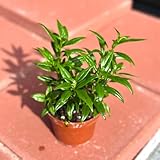
The lipstick plant, with its vibrant, tubular flowers resembling lipstick tubes, is a captivating addition to any indoor garden. Its trailing vines and glossy leaves create a lush, tropical feel, making it a favorite among houseplant enthusiasts. But what if you could multiply this beauty without spending a fortune?
This comprehensive guide will show you exactly how to propagate lipstick plant, expanding your collection or sharing the joy with friends and family. We’ll delve into the various methods, from simple stem cuttings to more advanced techniques, ensuring you have all the knowledge needed for success. Get ready to transform your single plant into a flourishing display!
Whether you’re a seasoned gardener or a complete beginner, this guide provides clear, concise instructions and helpful tips to nurture new lipstick plants. Learn the secrets of successful propagation and enjoy the satisfaction of watching your plants thrive. Let’s get started on the exciting journey of multiplying your lipstick plant!
Understanding the Lipstick Plant (aeschynanthus)
Before diving into propagation, it’s essential to understand the lipstick plant itself. Aeschynanthus, belonging to the Gesneriaceae family, hails from Southeast Asia. These epiphytic plants are known for their unique flowers and trailing habit. They thrive in bright, indirect light and prefer well-draining soil.
There are many varieties of lipstick plant, each with slightly different foliage and flower colors. Common varieties include Aeschynanthus radicans (the classic lipstick plant), Aeschynanthus longicaulis, and Aeschynanthus marmoratus (the zebra plant). Understanding the specific needs of your variety will optimize your propagation success.
Key Characteristics of Lipstick Plants
- Trailing Habit: Lipstick plants naturally cascade, making them ideal for hanging baskets or elevated displays.
- Unique Flowers: The vibrant, tubular flowers, often red, orange, or pink, emerge from dark, lipstick-like buds.
- Glossy Leaves: The leaves are typically glossy, adding to the plant’s visual appeal.
- Epiphytic Nature: In their natural habitat, they grow on other plants, absorbing moisture and nutrients from the air and surrounding environment.
Common Lipstick Plant Varieties
Knowing your plant’s specific variety can help tailor your propagation approach. While propagation methods are generally the same, understanding the plant’s growth habits is useful. Here are a few popular types:
- Aeschynanthus radicans (Lipstick Plant): The most common type, known for its bright red flowers.
- Aeschynanthus longicaulis (Black Pagoda Lipstick Plant): Features dark green leaves and often produces orange flowers.
- Aeschynanthus marmoratus (Zebra Basket Vine): Distinctive leaves with marbling and yellow flowers.
Methods for Propagating Lipstick Plant
There are several effective methods for propagating lipstick plant. The most common and easiest is stem cuttings. Other methods include water propagation and, less commonly, seed propagation. Each method has its own advantages and disadvantages. Let’s explore each in detail.
Propagating Lipstick Plant with Stem Cuttings
Stem cuttings are the simplest and most successful method for propagating lipstick plants. This involves taking a cutting from a healthy plant and encouraging it to develop roots. The process is straightforward and requires minimal equipment.
Step-by-Step Guide to Stem Cuttings
- Gather Your Supplies: You’ll need a sharp, clean knife or scissors, a small pot, well-draining potting mix (e.g., a mix of peat moss, perlite, and vermiculite), rooting hormone (optional), and a clear plastic bag or humidity dome.
- Choose a Healthy Stem: Select a healthy stem that is at least 4-6 inches long. It should have several leaves and no signs of disease or pests.
- Take the Cutting: Make a clean cut just below a leaf node (the point where a leaf grows from the stem). Remove the leaves from the bottom inch or two of the cutting.
- Apply Rooting Hormone (Optional): Dip the cut end of the stem in rooting hormone powder. This can encourage faster root development, but is not essential for success.
- Plant the Cutting: Plant the cutting in the prepared potting mix, burying the leafless portion of the stem. Gently pat the soil around the stem.
- Create a Humid Environment: Water the soil lightly, and then cover the pot with a clear plastic bag or place it under a humidity dome to maintain high humidity. This helps prevent the cutting from drying out.
- Provide Proper Light and Care: Place the pot in a location with bright, indirect light. Avoid direct sunlight, which can scorch the cutting. Keep the soil consistently moist but not waterlogged.
- Watch for Roots: After a few weeks, gently tug on the cutting to check for root development. You can also carefully remove the cutting from the pot to inspect the roots.
- Transplant (If Necessary): Once roots are well-established, transplant the cutting into a slightly larger pot if needed.
Propagating Lipstick Plant in Water
Water propagation is another popular method, allowing you to observe root development. It’s a visually appealing way to propagate, and it’s easy to monitor progress. However, the roots formed in water can be more delicate than those formed in soil, so careful handling is required when transplanting.
Step-by-Step Guide to Water Propagation
- Gather Your Supplies: You’ll need a healthy stem cutting (as described above), a clear glass or jar, and water.
- Prepare the Cutting: Take a stem cutting as described in the stem cutting method, removing the leaves from the bottom inch or two.
- Place in Water: Place the cutting in a glass or jar of water, ensuring that the leafless node is submerged. The leaves should remain above the water line.
- Provide Proper Light: Place the glass or jar in a location with bright, indirect light.
- Change the Water Regularly: Change the water every few days to prevent the build-up of bacteria and keep the water fresh.
- Watch for Roots: Roots should begin to appear within a few weeks.
- Transplant into Soil: Once the roots are about an inch long, gently transplant the cutting into a pot with well-draining potting mix. Be careful not to damage the delicate roots during the transplant process.
- Care After Transplanting: After transplanting, water the plant thoroughly and maintain a humid environment (using a plastic bag or humidity dome) for the first few weeks to help the plant adjust to the soil.
Seed Propagation (less Common)
Seed propagation is less common for lipstick plants because it can be more challenging and time-consuming. It also may not produce plants that are identical to the parent plant. However, it is possible if you have access to lipstick plant seeds. (See Also: How Often to Fertilize Corn Plant: A Complete Guide)
Step-by-Step Guide to Seed Propagation
- Gather Your Supplies: You’ll need lipstick plant seeds, a seed-starting tray or small pots, seed-starting mix, a spray bottle, and a clear plastic cover or humidity dome.
- Prepare the Seed-Starting Mix: Fill the seed-starting tray or pots with a seed-starting mix. Moisten the mix thoroughly.
- Sow the Seeds: Sprinkle the seeds on the surface of the soil. Do not bury the seeds deeply; they need light to germinate.
- Provide Humidity: Cover the tray or pots with a clear plastic cover or place them under a humidity dome to maintain high humidity.
- Provide Warmth and Light: Place the tray or pots in a warm location with bright, indirect light. A temperature of around 70-75°F (21-24°C) is ideal.
- Keep the Soil Moist: Mist the soil regularly with a spray bottle to keep it consistently moist but not waterlogged.
- Watch for Germination: Germination can take several weeks or even months.
- Transplant Seedlings: Once the seedlings have developed a few sets of leaves, transplant them into individual pots with well-draining potting mix.
- Care for Seedlings: Provide the seedlings with bright, indirect light and regular watering.
Essential Tips for Successful Lipstick Plant Propagation
Regardless of the method you choose, several factors contribute to successful lipstick plant propagation. Paying attention to these details will significantly increase your chances of success.
Choosing the Right Time
The best time to propagate lipstick plants is during the growing season, typically spring and summer. This is when the plant is actively growing and has the energy to put into root development. Propagation during the dormant season (fall and winter) is possible, but it may take longer for roots to develop.
Selecting Healthy Material
Always start with healthy, disease-free parent plants. The cutting should come from a vigorous part of the plant. Avoid using stems that are damaged, diseased, or infested with pests. A healthy start is crucial for successful propagation.
Providing the Right Environment
Humidity is critical for successful propagation. Lipstick plants thrive in humid environments. High humidity helps prevent the cuttings from drying out before they can develop roots. Using a clear plastic bag, humidity dome, or placing the cuttings in a greenhouse can create the necessary humidity.
Proper Lighting
Bright, indirect light is essential for root development. Avoid direct sunlight, which can scorch the cuttings. A location near a window with filtered light is ideal.
Watering and Soil
Use a well-draining potting mix to prevent root rot. Keep the soil consistently moist but not waterlogged. Overwatering can lead to fungal diseases and root rot, which can kill the cuttings. Allow the top inch of soil to dry out before watering again.
Rooting Hormone
Rooting hormone is optional but can speed up root development. It contains hormones that stimulate root growth. If using rooting hormone, follow the manufacturer’s instructions. Dip the cut end of the stem into the hormone before planting.
Patience
Root development takes time. Be patient and avoid disturbing the cuttings too frequently. It can take several weeks or even months for roots to develop. Regularly check for root development, but avoid excessive handling.
Dealing with Common Problems
Even with the best care, you may encounter some problems during propagation. Knowing how to address these issues is crucial for success. (See Also: Unlocking Beauty: How to Plant Miniature Roses for Success)
Preventing Root Rot
Root rot is a common problem, often caused by overwatering or poor drainage. To prevent root rot, use a well-draining potting mix, and water only when the top inch of soil is dry. Avoid letting the plant sit in standing water.
Addressing Pests
Pests can sometimes infest cuttings. Inspect the cuttings for pests before planting. Common pests include spider mites and mealybugs. If you find pests, treat them with insecticidal soap or neem oil before propagation. Regularly check the plants for pests.
Dealing with Yellowing Leaves
Yellowing leaves can be a sign of several problems, including overwatering, underwatering, or too much direct sunlight. Adjust your watering practices, and move the plant to a location with better light if needed. Check for pests or diseases.
Supporting the Cuttings
Provide support for the cuttings, especially if they are long or trailing. This can help them stay upright and prevent them from bending or breaking. This can be achieved by using small stakes or other support structures.
Troubleshooting Propagation Problems
Even with the best care, things can go wrong. Here’s how to address some common issues:
My Cuttings Are Wilting. What Should I Do?
Wilting can be caused by several factors, including lack of humidity, insufficient water, or root rot. Increase humidity by covering the pot with a plastic bag or placing it under a humidity dome. Ensure the soil is moist but not waterlogged. Check for root rot by gently removing the cutting from the soil and inspecting the roots.
My Cuttings Aren’t Rooting. What’s Wrong?
Lack of rooting can be due to several factors, including insufficient humidity, improper light, or the use of unhealthy cuttings. Ensure the cuttings are in a humid environment and receive bright, indirect light. Make sure the cuttings are from a healthy parent plant. Consider using rooting hormone.
My Cuttings Have Mold. What Should I Do?
Mold indicates too much moisture or poor air circulation. Remove the affected cuttings and increase air circulation. Reduce watering and ensure the soil is not waterlogged. Consider using a fungicide if the problem persists.
My Cuttings Have Pests. How Do I Get Rid of Them?
If you see pests, isolate the affected cuttings immediately. Treat the pests with insecticidal soap or neem oil. Monitor the cuttings closely for reinfestation. Check the parent plant for pests as well. (See Also: Planting Dill: How Deep to Plant Dill Seeds for Success)
Transplanting and Ongoing Care of Propagated Plants
Once your cuttings have successfully rooted, it’s time to transplant them and provide ongoing care to ensure they thrive. This involves selecting the right pot, providing the correct soil, and establishing a regular watering and feeding schedule.
Choosing the Right Pot
Select a pot that is slightly larger than the root ball. Choose a pot with drainage holes to prevent root rot. Terracotta pots are a good choice because they allow excess moisture to evaporate. The pot size should be appropriate for the size of the plant; avoid using a pot that is too large, as this can lead to overwatering.
Using the Correct Potting Mix
Use a well-draining potting mix that is specifically formulated for houseplants. A mix of peat moss, perlite, and vermiculite is ideal. This will provide the necessary drainage and aeration for healthy root growth. Avoid using heavy garden soil, which can retain too much moisture.
Watering and Fertilizing
Water your newly transplanted plants regularly, allowing the top inch of soil to dry out between waterings. Fertilize the plants with a balanced liquid fertilizer every 2-4 weeks during the growing season (spring and summer). Reduce fertilization during the dormant season (fall and winter).
Light and Temperature Requirements
Provide your plants with bright, indirect light. Avoid direct sunlight, which can scorch the leaves. Maintain a temperature between 65-75°F (18-24°C). Avoid placing the plants near drafts or heat sources.
Pruning and Maintenance
Prune your lipstick plants regularly to encourage bushier growth and remove any dead or yellowing leaves. Pinch back the tips of the stems to promote branching. Wipe the leaves occasionally to remove dust and improve their appearance.
Expanding Your Lipstick Plant Collection: A Summary
Propagating lipstick plants is a rewarding experience that allows you to expand your collection and share these beautiful plants with others. By following the steps outlined in this guide, you can successfully propagate your lipstick plant using stem cuttings, water propagation, or even seeds. Remember to choose healthy materials, provide the right environment, and be patient. With a little care and attention, you’ll soon be enjoying a thriving display of lipstick plants throughout your home. Good luck, and happy gardening!
Conclusion: Enjoying Your New Lipstick Plants
Learning how to propagate lipstick plant is a fantastic way to multiply your collection and share the beauty of these unique plants. By mastering the techniques described in this guide, you can easily create new plants from existing ones. Remember to provide proper care, and you’ll be rewarded with vibrant blooms and lush foliage. Enjoy the journey!
Recommended Products