Succulents, with their captivating forms and low-maintenance appeal, have become a beloved staple in homes and gardens worldwide. Their resilience and diverse appearances make them perfect for both seasoned gardeners and beginners alike. But, to truly unlock their potential and witness their vibrant beauty, understanding how to properly plant succulents is key.
This comprehensive guide will delve into every aspect of succulent planting, from choosing the right plants and soil to mastering watering techniques and ensuring optimal sunlight exposure. We’ll explore the essential tools, address common pitfalls, and provide expert tips to help you cultivate a thriving succulent collection. Prepare to transform your space with these charming, drought-tolerant beauties!
Choosing the Right Succulents
The first step in successfully planting succulents is selecting the right varieties for your environment and personal preferences. Not all succulents are created equal, and some thrive in conditions that others find unfavorable. Considering factors like climate, sunlight availability, and your level of experience will help you make informed decisions.
Popular Succulent Varieties
Here are some popular and relatively easy-to-grow succulent varieties to consider:
- Echeveria: Known for their rosette shapes and diverse colors, Echeverias are popular choices. They thrive in bright, indirect sunlight and are relatively easy to propagate.
- Sedum: Sedums are versatile succulents that come in various forms, from ground cover to upright varieties. They are incredibly drought-tolerant and can handle full sun.
- Aloe: Famous for its medicinal properties, Aloe vera is a classic succulent. It prefers bright, indirect light and well-draining soil.
- Crassula (Jade Plant): The Jade plant is a classic succulent with a tree-like appearance. It needs bright light and infrequent watering.
- Sempervivum (Hens and Chicks): These hardy succulents are known for their ability to withstand cold temperatures. They prefer full sun and well-draining soil.
Considering Your Climate
Your local climate is a crucial factor in choosing succulents. Some succulents are cold-hardy and can tolerate freezing temperatures, while others are sensitive to frost. Research the specific needs of each succulent variety you are considering and ensure they are compatible with your climate zone. This will prevent your succulent from freezing or getting sunburnt.
For example, if you live in a warm, dry climate, you might choose succulents like Sedum or Agave. If you live in a colder climate, Sempervivum is a good choice. If you live in a location that gets a lot of rain, you may want to focus on succulents that tolerate more moisture, or consider planting them in containers for better drainage.
Sunlight Requirements
Most succulents need plenty of sunlight to thrive, but the amount of sunlight required varies by species. Some succulents prefer full sun (at least six hours of direct sunlight per day), while others prefer partial shade or bright, indirect light. Insufficient sunlight can lead to etiolation, where the plant stretches out and becomes leggy.
Before planting, research the specific sunlight requirements of each succulent you choose. Observe the sunlight conditions in your planting location throughout the day. If you are unsure, err on the side of caution and choose a location that receives bright, indirect sunlight, or be prepared to supplement with grow lights.
Essential Tools and Materials
Gathering the right tools and materials is crucial for a smooth and successful succulent planting experience. Having everything you need at hand will save you time and ensure that your succulents get the best possible start.
Containers and Pots
Choosing the right container is essential for the health and appearance of your succulents. The container should provide adequate drainage to prevent root rot. Consider the size, material, and aesthetic of the container when making your selection.
- Drainage: Drainage is the most important factor. The container must have drainage holes at the bottom to allow excess water to escape. Without drainage, the soil will become waterlogged, leading to root rot.
- Material: Terracotta pots are a popular choice for succulents because they are porous and allow air to circulate around the roots. Plastic pots are also a good option, but make sure they have drainage holes. Avoid containers made of non-porous materials like glazed ceramic unless they have excellent drainage.
- Size: Choose a container that is appropriate for the size of your succulent. The container should be large enough to accommodate the roots, but not so large that the soil stays wet for too long. If you are planting multiple succulents, consider a succulent planter or a shallow tray.
Soil and Amendments
Succulents thrive in well-draining soil. Standard potting mixes retain too much moisture, which can be detrimental to succulents. You’ll need a specialized succulent mix or a DIY blend.
- Succulent Mix: Pre-made succulent mixes are readily available at garden centers and online. These mixes typically contain a blend of ingredients like perlite, pumice, and coarse sand to promote drainage.
- DIY Mix: You can create your own succulent mix by combining equal parts of potting soil, coarse sand, and perlite or pumice. This combination ensures excellent drainage and aeration.
- Amendments: Consider adding amendments like horticultural charcoal to your succulent mix to improve drainage and prevent fungal diseases.
Other Necessary Tools
Beyond containers and soil, you’ll need a few other tools to make planting succulents easier:
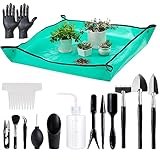
- Gloves: Protect your hands from dirt and potential irritants.
- Trowel or Small Shovel: For digging and moving soil.
- Scissors or Pruning Shears: For trimming roots or taking cuttings.
- Watering Can or Spray Bottle: For watering your succulents.
- Optional: A small brush for cleaning leaves, and decorative top dressing, like pebbles or gravel.
Preparing the Soil and Container
Properly preparing the soil and container is crucial for the health and longevity of your succulents. This involves ensuring good drainage, choosing the right soil mix, and preparing the container for planting. (See Also: Master the Art: How to Plant Chestnut Trees for Bountiful Harvests)
Container Preparation
Before planting, prepare your chosen container. This process ensures the container is ready to receive your succulents.
- Cleaning: If you are using a used container, clean it thoroughly with soap and water to remove any dirt or debris.
- Drainage Holes: Ensure that the container has drainage holes at the bottom. If the container does not have drainage holes, you will need to drill some.
- Optional Drainage Layer: Add a layer of gravel or small stones to the bottom of the container to improve drainage further. This is especially helpful in containers with few drainage holes.
Soil Preparation
The soil preparation is paramount for succulent health. A well-draining soil mix is the cornerstone of succulent success. Here is how to prepare your soil.
- Choosing the Right Mix: Use a pre-made succulent mix or create your own blend of potting soil, coarse sand, and perlite or pumice.
- Moistening the Soil: Lightly moisten the soil mix before planting. This helps the soil settle around the roots and provides a good start for the succulents. However, do not oversaturate the soil.
- Filling the Container: Fill the container with the prepared soil mix, leaving enough space at the top for the succulents.
Planting Your Succulents
With your materials and container prepared, it’s time to plant your succulents! This is the exciting part, where you bring your vision to life.
Removing Succulents From Their Containers
Handle your succulents with care when removing them from their existing containers. This is an important step to avoid damaging the roots.
- Gently Squeeze: Gently squeeze the sides of the container to loosen the soil.
- Tap the Bottom: Tap the bottom of the container to help the plant slide out.
- Avoid Pulling: Avoid pulling the plant by its stem, as this can damage the roots.
Planting Process
Planting your succulents is a straightforward process when you follow these steps.
- Create a Hole: Use your trowel or fingers to create a hole in the soil that is slightly larger than the root ball of your succulent.
- Position the Succulent: Carefully place the succulent in the hole, ensuring that the top of the root ball is level with the surface of the soil.
- Fill and Firm: Fill in the space around the roots with the soil mix, gently firming the soil to secure the succulent in place.
- Spacing: Space your succulents appropriately, considering their mature size. Avoid overcrowding, which can lead to poor air circulation and increased risk of fungal diseases.
- Optional Top Dressing: Add a layer of decorative pebbles or gravel to the surface of the soil. This helps retain moisture, provides a finished look, and can prevent soil erosion.
Planting Cuttings
You can also propagate succulents from cuttings. This is a rewarding and cost-effective way to expand your collection.
- Take a Cutting: Use clean scissors or pruning shears to take a cutting from a healthy succulent. The cutting should include a stem and some leaves.
- Allow to Callus: Allow the cutting to callus over for several days, or even a week, in a dry location. This is important to prevent rot.
- Plant the Cutting: Once the cutting has callused, plant it in a well-draining succulent mix. Bury the callused end of the cutting in the soil.
- Water Sparingly: Water the cutting sparingly until roots develop.
- Provide Sunlight: Place the cutting in a location that receives bright, indirect sunlight.
Watering Your Succulents
Watering is one of the most critical aspects of succulent care. Overwatering is a common cause of succulent death, so understanding the proper watering techniques is essential.
Watering Frequency
The frequency of watering depends on several factors, including the type of succulent, the climate, and the container material. The goal is to water deeply but infrequently.
- Check the Soil: Before watering, check the soil moisture. Stick your finger into the soil to a depth of about an inch or two. If the soil is dry, it’s time to water. If it’s still moist, wait a few days and check again.
- Watering Seasons: During the growing season (spring and summer), you may need to water your succulents more frequently than during the dormant season (fall and winter).
- Climate Influence: In hotter, drier climates, you may need to water more frequently than in cooler, humid climates.
Watering Techniques
The best watering technique for succulents is the ‘soak and dry’ method.
- Soak Thoroughly: Water your succulents thoroughly until water drains out of the drainage holes. This ensures that the roots receive adequate moisture.
- Allow to Dry: Allow the soil to dry out completely between waterings. This is crucial to prevent root rot.
- Avoid Overhead Watering: Avoid watering the leaves of your succulents, as this can lead to fungal diseases. Water at the base of the plant.
- Watering Tools: Use a watering can with a narrow spout or a spray bottle to direct the water to the soil.
Signs of Overwatering and Underwatering
Knowing the signs of overwatering and underwatering is crucial to prevent problems with your succulents. This will allow you to adjust your watering schedule as needed.
- Overwatering: Signs of overwatering include yellowing leaves, mushy stems, and root rot. If you suspect overwatering, stop watering immediately and allow the soil to dry out. Consider repotting the succulent into fresh, well-draining soil if the problem persists.
- Underwatering: Signs of underwatering include shriveled or wrinkled leaves. If you suspect underwatering, water your succulents thoroughly and adjust your watering schedule.
Sunlight and Location
Proper sunlight and location are essential for the health and appearance of your succulents. The amount of sunlight required varies depending on the species.
Sunlight Requirements
Most succulents need plenty of sunlight to thrive. However, the amount of sunlight required varies by species. (See Also: How to Save a Dying Aloe Vera Plant: A Comprehensive Guide)
- Full Sun: Some succulents, such as Sedum and Sempervivum, thrive in full sun, which means at least six hours of direct sunlight per day.
- Partial Shade: Other succulents, such as Echeveria and Aloe, prefer partial shade or bright, indirect light.
- Research Needs: Research the specific sunlight requirements of each succulent you choose.
Choosing the Right Location
Choosing the right location for your succulents is key for their success. The ideal location will provide the right amount of sunlight and protection from extreme temperatures.
- Indoor Placement: If you are growing your succulents indoors, place them near a sunny window. South-facing windows typically provide the most sunlight.
- Outdoor Placement: If you are growing your succulents outdoors, choose a location that receives the appropriate amount of sunlight for the specific species. Protect your succulents from extreme temperatures and harsh weather conditions.
- Consider Rotation: Rotate your succulents periodically to ensure that all sides receive adequate sunlight.
Using Grow Lights
If you don’t have enough natural sunlight, consider using grow lights to supplement the light your succulents receive. This is especially helpful during the winter months when sunlight is limited.
- Types of Grow Lights: There are various types of grow lights available, including LED grow lights, fluorescent grow lights, and incandescent grow lights.
- Light Duration: The amount of time you need to use grow lights depends on the specific needs of your succulents. Generally, 12-14 hours of light per day is sufficient.
- Placement: Place the grow lights close to your succulents to ensure they receive adequate light.
Ongoing Care and Maintenance
Once you’ve planted your succulents, ongoing care and maintenance are essential to keep them healthy and thriving. This includes monitoring for pests and diseases, fertilizing, and repotting when necessary.
Pest and Disease Control
Succulents are relatively resistant to pests and diseases, but they can still be susceptible. Regular monitoring and prompt action can prevent problems.
- Common Pests: Common pests that can affect succulents include mealybugs, aphids, and spider mites. Inspect your succulents regularly for signs of infestation, such as small insects, webs, or sticky residue.
- Pest Control: If you find pests, you can treat them with insecticidal soap, neem oil, or a systemic insecticide.
- Fungal Diseases: Overwatering and poor air circulation can lead to fungal diseases. Prevent fungal diseases by ensuring proper drainage and air circulation.
- Disease Treatment: If you notice signs of fungal disease, such as black spots or powdery mildew, treat the affected plants with a fungicide.
Fertilizing
Fertilizing succulents can promote healthy growth. However, it’s important to use the right type of fertilizer and to fertilize sparingly.
- Fertilizer Type: Use a balanced fertilizer specifically formulated for succulents or cacti. Avoid fertilizers high in nitrogen, as this can lead to leggy growth.
- Fertilizing Frequency: Fertilize your succulents during the growing season (spring and summer) every 2-4 weeks.
- Dilution: Dilute the fertilizer to half the recommended strength to avoid over-fertilizing.
- Dormant Season: Do not fertilize your succulents during the dormant season (fall and winter).
Repotting
As your succulents grow, they may need to be repotted into larger containers. Repotting provides fresh soil and allows the roots to expand.
- When to Repot: Repot your succulents when they outgrow their current containers, the soil becomes compacted, or the roots become root-bound.
- Repotting Process: Gently remove the succulent from its container, shake off any excess soil, and replant it in a container that is one size larger. Use fresh succulent mix.
- After Repotting: Water your succulent thoroughly after repotting.
Troubleshooting Common Problems
Even with the best care, you may encounter problems with your succulents. Knowing how to identify and address these issues will help you keep your plants healthy and thriving.
Yellowing Leaves
Yellowing leaves are a common sign of a problem with succulents. The cause can range from overwatering to underwatering or even a lack of sunlight.
- Overwatering: Yellowing leaves, especially on the lower parts of the plant, can indicate overwatering. Stop watering immediately and allow the soil to dry out.
- Underwatering: If the leaves are yellowing and shriveled, it could be a sign of underwatering. Water your succulent thoroughly.
- Sunlight Issues: If the yellowing leaves are accompanied by stretching or legginess, it could be a sign of insufficient sunlight. Move your succulent to a brighter location.
Leggy Growth
Leggy growth, where the stems stretch out and the leaves become sparse, is a sign of insufficient sunlight. Providing more light is essential to address this issue.
- Insufficient Light: Move your succulent to a location with more sunlight or supplement with grow lights.
- Pruning: You can prune leggy succulents to encourage bushier growth.
Root Rot
Root rot is a serious problem that can kill succulents. It’s caused by overwatering and poor drainage. Prevention is key.
- Symptoms: Soft, mushy stems and roots, and yellowing leaves are signs of root rot.
- Prevention: Ensure proper drainage, water sparingly, and avoid overwatering.
- Treatment: If you suspect root rot, repot the succulent in fresh, well-draining soil, removing any affected roots.
Here are some frequently asked questions (PAA) about planting succulents:
Q: How often should I water my succulents? (See Also: How to Plant Peony Bulbs in Pots: A Complete Guide)
A: Water your succulents thoroughly when the soil is dry to the touch, which is usually every 1-3 weeks, depending on the species, climate, and container material. Always allow the soil to dry out completely between waterings.
Q: What kind of soil is best for succulents?
A: Succulents thrive in well-draining soil. A pre-made succulent mix or a DIY blend of potting soil, coarse sand, and perlite or pumice is ideal.
Q: How much sunlight do succulents need?
A: Most succulents need at least 6 hours of sunlight per day. The amount can vary based on the species, so research the needs of your particular succulents.
Q: Can succulents be grown indoors?
A: Yes, succulents can be grown indoors. Place them near a sunny window or use grow lights to provide adequate light.
Q: How do I propagate succulents?
A: Succulents can be propagated from cuttings. Allow the cutting to callus over, and then plant it in well-draining soil and water sparingly.
Conclusion: Cultivating a Succulent Paradise
Learning **how to properly plant succulents** is an investment in your home’s aesthetic and your personal well-being. By following these guidelines, you can create a vibrant and thriving succulent collection. Remember that patience, observation, and a little bit of care go a long way. Embrace the joy of nurturing these unique plants, and enjoy the beauty they bring to your space. Happy planting!
Recommended Products

![HOME GROWN Succulent & Cactus Seed Kit for Planting – [Enthusiasts Favorites] Premium Cactus & Succulent Starter Kit: 4 Planters, Drip Trays, Markers, Seeds Mix, Soil - DIY Gift Kits](https://m.media-amazon.com/images/I/510lchSBzIL._SL160_.jpg)