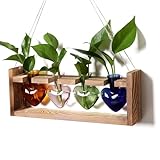
Tired of your Wandering Jew plant looking a little sparse? Want to multiply your vibrant, trailing beauty? You’re in the right place! Propagating a Wandering Jew plant, also known as Tradescantia zebrina, is surprisingly simple and a fantastic way to expand your collection or share with friends.
This guide will walk you through the entire process, from selecting healthy cuttings to watching your new plants thrive. We’ll cover everything you need to know, ensuring success even for beginner plant parents. Get ready to transform a single plant into a lush, overflowing display!
You’ll be amazed at how quickly these beauties root and grow. With just a few simple steps, you can create a whole army of Wandering Jew plants to brighten up your home. Let’s dive in and learn how to propagate wandering jew plant!
Understanding the Wandering Jew Plant
The Wandering Jew plant, also known as *Tradescantia zebrina*, is a popular houseplant beloved for its trailing vines and striking foliage. Its leaves are typically striped with silver and purple, resembling a zebra’s pattern, hence the species name “zebrina”. This plant is relatively easy to care for and even easier to propagate, making it a favorite among both novice and experienced plant enthusiasts.
Propagating a Wandering Jew plant means creating new plants from existing ones. This is a simple and rewarding process, allowing you to multiply your collection or share plants with friends and family. The plant’s fast growth rate and ease of propagation make it an excellent choice for beginners looking to expand their green thumb skills.
Methods for Propagating Wandering Jew
There are several effective methods for propagating a Wandering Jew plant. The most common and easiest is through stem cuttings. Other methods include water propagation and division, though stem cuttings remain the most popular. Each method has its own benefits and considerations, and you can choose the one that best suits your preferences and available resources.
Stem Cuttings: The Easiest Method
Stem cuttings are the simplest and most successful way to propagate a Wandering Jew. This method involves taking a cutting from a healthy stem, placing it in water or soil, and allowing it to root. With a high success rate, this is the go-to method for most plant lovers.
- Gather Your Supplies: You’ll need a healthy Wandering Jew plant, sharp scissors or a knife, a glass or container for water (if water propagating), potting mix, and a small pot.
- Take the Cuttings: Choose healthy stems with several leaves. Cut stems just below a node (where leaves grow from the stem). Each cutting should be about 4-6 inches long. Remove the leaves from the bottom inch of the cutting.
- Water Propagation: Place the cuttings in a glass of water, ensuring that the nodes are submerged. Place the glass in a location that receives bright, indirect light. Change the water every few days to keep it fresh and prevent algae growth.
- Soil Propagation: If you prefer to propagate directly in soil, dip the cut end of the stem in rooting hormone (optional, but can speed up rooting). Plant the cutting in a pot filled with well-draining potting mix. Water the soil gently.
- Caring for the Cuttings: Whether you choose water or soil propagation, the cuttings need consistent moisture. For water propagation, wait for roots to develop (usually 2-4 weeks) before planting in soil. For soil propagation, keep the soil consistently moist but not waterlogged.
- Transplanting: Once the roots are well-established (for water propagation), transplant the cuttings into a pot with potting mix. Water the newly potted plant well.
Water Propagation Explained
Water propagation provides a clear view of the root development process. This method allows you to monitor the roots’ growth and ensures the cuttings receive sufficient moisture. It’s a great choice for beginners because it’s easy to observe and manage.
The water should be changed every few days to maintain its freshness and prevent any bacterial growth. This ensures the cuttings get enough oxygen and the water remains clean. Rooting usually takes about 2-4 weeks, depending on environmental factors like light and temperature.
Soil Propagation Explained
Propagating directly in soil eliminates the need for transplanting, minimizing stress on the plant. This method is often preferred for its simplicity, as it requires less handling of the delicate roots. It’s a more direct approach. (See Also: How to Repot a Christmas Cactus Plant: A Step-by-Step Guide)
Keep the soil consistently moist, but be careful not to overwater. Overwatering can lead to root rot, which can kill the cuttings. The soil should drain well, allowing excess water to escape. Place the pot in a location with bright, indirect light to encourage root growth.
Division: Another Propagation Technique
Although less common than stem cuttings, division can also be used to propagate Wandering Jew plants, especially when the plant becomes overgrown. This method involves separating a mature plant into smaller sections, each with its own roots and stems. It’s best done in the spring or early summer.
- Prepare the Plant: Gently remove the Wandering Jew plant from its pot.
- Separate the Roots: Carefully loosen the soil around the roots. Use your fingers or a knife to gently separate the plant into sections, ensuring each section has roots and stems.
- Potting: Repot each section in its own pot with fresh potting mix. Water the newly divided plants well.
- Care: Place the newly potted plants in a location with bright, indirect light and maintain consistent moisture.
Choosing the Right Time to Propagate
The best time to propagate a Wandering Jew plant is during the growing season, typically spring and summer. During this time, the plant is actively growing and has the energy to produce new roots. This increases the chances of successful propagation.
Propagating in the fall or winter is possible, but the process may take longer, as the plant’s growth slows down during the colder months. You might need to provide extra light and warmth to help the cuttings root successfully.
Essential Care After Propagation
Once your Wandering Jew cuttings have rooted and been transplanted, proper care is crucial for their continued growth. This includes providing the right amount of light, water, and nutrients. Consistent care will ensure your new plants thrive.
Light Requirements
Wandering Jew plants thrive in bright, indirect light. Avoid direct sunlight, which can scorch the leaves. A location near an east-facing window or a few feet away from a south- or west-facing window is ideal. Insufficient light can lead to leggy growth and a loss of vibrant leaf color.
Watering Needs
Water your Wandering Jew plant when the top inch of soil feels dry. Overwatering can lead to root rot, while underwatering can cause the leaves to wilt. Adjust your watering schedule based on the season and environmental conditions. During the growing season, the plant will need more frequent watering.
Fertilizing
Feed your Wandering Jew plant with a balanced liquid fertilizer every 2-4 weeks during the growing season (spring and summer). This will provide the necessary nutrients for healthy growth and vibrant foliage. Reduce or stop fertilizing during the fall and winter months when the plant’s growth slows down.
Repotting
As your Wandering Jew plant grows, it will eventually need to be repotted into a larger container. This is usually necessary when the roots begin to outgrow the pot. Repotting provides fresh soil and more space for the plant to grow. Choose a pot with good drainage. (See Also: Mastering the Art: How to Plant Japanese Iris for Stunning Blooms)
Common Problems and Solutions
While Wandering Jew plants are relatively easy to care for, they can still encounter some common problems. Knowing how to identify and address these issues will help you maintain healthy and thriving plants.
Leggy Growth
Leggy growth, characterized by long, sparse stems with few leaves, is often a sign of insufficient light. Move your plant to a brighter location. Pruning the stems can also encourage bushier growth. Ensure the plant receives adequate light to maintain a compact shape.
Yellowing Leaves
Yellowing leaves can be caused by various factors, including overwatering, underwatering, or nutrient deficiencies. Check the soil moisture and adjust your watering schedule accordingly. If the soil is too wet, allow it to dry out before watering again. If the leaves are yellowing due to a nutrient deficiency, fertilize the plant with a balanced fertilizer.
Pests
Wandering Jew plants can be susceptible to pests, such as spider mites and mealybugs. Inspect your plant regularly for any signs of infestation. Treat any infestations promptly with insecticidal soap or neem oil. Isolate the affected plant to prevent the spread of pests to other plants. Wipe the leaves with a damp cloth to remove pests.
Root Rot
Root rot is a serious issue caused by overwatering and poor drainage. Symptoms include wilting leaves, yellowing leaves, and a foul odor. If you suspect root rot, remove the plant from its pot and inspect the roots. Trim away any mushy or dark-colored roots. Repot the plant in fresh potting mix, using a pot with good drainage. Allow the soil to dry out between waterings.
Pro Tips for Propagation Success
Choose Healthy Cuttings: Select cuttings from a healthy, vibrant plant to ensure the best chances of success. Avoid taking cuttings from stems that have pests or diseases.
Use Sharp Tools: Always use sharp scissors or a knife to make clean cuts. This helps prevent the spread of diseases and promotes faster rooting.
Provide Humidity: Wandering Jew plants appreciate humidity. If the air in your home is dry, consider using a humidifier or placing the cuttings in a humid environment.
Avoid Direct Sunlight: While the plants need bright light, avoid placing the cuttings in direct sunlight, which can scorch the leaves and hinder root development. (See Also: Essential Guide: How to Take Care of My Aloe Vera Plant)
Be Patient: Rooting can take a few weeks. Be patient and consistent with your care, and you will eventually see results.
How Long Does It Take for Wandering Jew Cuttings to Root?
The rooting time for Wandering Jew cuttings typically ranges from 2 to 4 weeks, depending on environmental conditions such as light, temperature, and humidity. Water propagation often shows root development faster than soil propagation. Providing the right conditions can speed up the process.
Can I Propagate Wandering Jew in Just Water?
Yes, Wandering Jew plants can be successfully propagated in water. Place the stem cuttings in a glass of water, ensuring the nodes (where leaves grow) are submerged. Change the water every few days to keep it fresh. Once roots develop, you can transplant the cuttings into soil.
What Type of Soil Is Best for Wandering Jew?
Wandering Jew plants thrive in well-draining soil. A standard potting mix works well, or you can create your own mix by combining peat moss, perlite, and vermiculite. Good drainage is essential to prevent root rot, so make sure the pot has drainage holes.
Conclusion
Propagating a Wandering Jew plant is a rewarding and accessible way to expand your plant collection. By following the simple methods outlined above, you can easily create new plants from stem cuttings, water propagation, or even division. Remember to provide the right care, including bright, indirect light, consistent watering, and occasional fertilization. With a little patience, you’ll be enjoying multiple Wandering Jew plants, sharing them with friends, and beautifying your space.
Get started today and enjoy the process of multiplying these beautiful and easy-to-care-for plants! Happy propagating!
Recommended Products