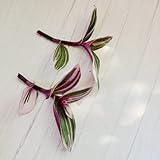
Are you captivated by the vibrant beauty of the Nanouk plant, with its striking pink and green variegated leaves? Do you dream of multiplying this eye-catching beauty and filling your home with its colorful charm? You’re in the right place! This comprehensive guide will walk you through the simple yet effective methods of how to propagate Nanouk plants, allowing you to expand your collection or share this amazing plant with friends.
The Nanouk plant, scientifically known as Tradescantia albiflora ‘Nanouk’, is a relatively easy-to-propagate houseplant, making it a favorite among both novice and experienced plant enthusiasts. Its rapid growth and resilience mean you’ll soon be enjoying multiple Nanouk plants, each displaying its unique blend of pink, green, and cream hues. We’ll cover everything from the best propagation methods to essential care tips for your new Nanouk babies.
Get ready to discover the secrets to successful Nanouk plant propagation! We’ll explore the best times to propagate, the tools you’ll need, and step-by-step instructions for both water and soil propagation. Learn how to nurture your new plants and ensure they thrive, bringing even more beauty and joy to your indoor garden. Let’s get started on your journey to multiplying your Nanouk plants!
Understanding the Nanouk Plant and Propagation
Before diving into the ‘how’ of propagation, let’s understand the Nanouk plant itself. This plant, a cultivar of *Tradescantia albiflora*, is beloved for its vibrant foliage. The leaves display a stunning combination of pink, green, and cream, creating a visually appealing display. Knowing about the plant’s growth habits and needs is crucial for successful propagation. The Nanouk plant is relatively fast-growing, making propagation a rewarding experience.
Understanding its growth habits will also help you identify the best time to propagate. The Nanouk plant thrives in bright, indirect light and well-draining soil. It appreciates consistent moisture, but it’s essential to avoid overwatering, which can lead to root rot. Regular pruning can also encourage bushier growth and provide cuttings for propagation. Are you wondering about the ideal light conditions? Bright, indirect sunlight is key for the Nanouk plant to thrive, and this also helps in successful propagation.
Why Propagate Nanouk Plants?
Propagating your Nanouk plant offers several benefits. Firstly, it allows you to expand your collection without purchasing new plants. This is especially appealing to plant lovers who enjoy creating a lush, thriving indoor garden. Secondly, propagation is a cost-effective way to multiply your favorite plants, saving you money in the long run. Finally, propagating also allows you to share this beautiful plant with friends and family.
Moreover, propagation is a fun and rewarding hobby. Watching a cutting develop roots and grow into a new plant is an incredibly satisfying experience. It’s a great way to connect with nature and appreciate the miracle of plant life. Propagating also helps in rejuvenating older plants. By taking cuttings, you can start fresh with healthier, more vigorous growth.
Best Time to Propagate
The best time to propagate a Nanouk plant is during its active growing season, which typically spans from spring to early fall. During this period, the plant has ample energy to develop new roots and leaves. The warmer temperatures and increased sunlight also contribute to faster and more successful propagation.
You can propagate Nanouk plants outside of the growing season, but it might take longer for the cuttings to root. If you choose to propagate during the winter months, provide adequate light and maintain a warm environment to encourage root development. When propagating during the non-growing season, you might need to use a grow light to provide sufficient light. The timing of propagation significantly impacts its success.
Tools and Materials You’ll Need
Gathering the right tools and materials is essential for successful Nanouk plant propagation. Here’s a list of what you’ll need: (See Also: How to Transfer Plant to Another Pot: A Complete Guide)
- Healthy Nanouk plant: Choose a healthy plant with vibrant leaves to take cuttings from.
- Sharp, clean scissors or a knife: This is crucial to make clean cuts and prevent the spread of diseases.
- Water or potting mix: Depending on your chosen propagation method, you’ll need either a container of water or a well-draining potting mix.
- Clear containers (optional): If propagating in water, a clear glass or jar allows you to monitor root development.
- Potting mix: If propagating in soil, a well-draining potting mix is essential.
- Small pots or containers: For planting your rooted cuttings.
- Watering can or spray bottle: For watering your new plants.
- Optional: rooting hormone: While not always necessary, rooting hormone can help speed up root development.
Having the right tools ensures a smoother, more successful propagation process. These tools are readily available at most garden centers or online retailers. Make sure to sterilize your cutting tools before use to prevent the spread of diseases.
Methods for Propagating Nanouk Plants
There are two primary methods for propagating Nanouk plants: water propagation and soil propagation. Both methods are relatively easy and yield successful results. The best method for you may depend on your preference and available resources. Both methods are successful, but they vary in their approach.
Water Propagation: A Step-by-Step Guide
Water propagation is a simple and effective method for propagating Nanouk plants. It allows you to visually monitor root development. Here’s how to propagate your Nanouk plant in water:
- Take cuttings: Using clean scissors or a knife, take cuttings from your Nanouk plant. Each cutting should be 4-6 inches long and have at least two nodes (the points where leaves grow).
- Remove lower leaves: Remove the leaves from the bottom inch of each cutting. This prevents the leaves from rotting in the water.
- Place cuttings in water: Place the cuttings in a clear glass or jar, ensuring that the nodes are submerged in water. Make sure that no leaves are submerged.
- Provide light: Place the container in a location that receives bright, indirect light.
- Change the water: Change the water every few days to keep it fresh and prevent algae growth.
- Watch for roots: In a few weeks, you should see roots developing from the nodes.
- Plant in soil: Once the roots are about an inch long, you can plant the cuttings in a well-draining potting mix.
- Water and care: Water the newly planted cuttings and care for them as you would a mature Nanouk plant.
Water propagation is a great way to begin your propagation journey. It’s especially useful for beginners. The visual aspect of root development also adds to the enjoyment of the process. Are you wondering how long it takes for roots to develop? It usually takes about 2-4 weeks, depending on environmental conditions.
Soil Propagation: A Step-by-Step Guide
Soil propagation is another effective method, especially if you want to skip the transition from water to soil. Here’s how to propagate your Nanouk plant in soil:
- Take cuttings: Similar to water propagation, take cuttings 4-6 inches long with at least two nodes.
- Remove lower leaves: Remove the leaves from the bottom inch of each cutting.
- Prepare the soil: Fill a small pot or container with a well-draining potting mix.
- Plant the cuttings: Insert the cuttings into the soil, burying the nodes. You can plant multiple cuttings in the same pot to create a fuller plant.
- Water gently: Water the soil gently to moisten it. Avoid overwatering.
- Provide light: Place the pot in a location that receives bright, indirect light.
- Keep the soil moist: Keep the soil consistently moist but not soggy.
- Watch for new growth: In a few weeks, you should see new growth emerging, indicating that the cuttings have rooted.
- Care for your new plant: Once the cuttings have rooted, care for them as you would a mature Nanouk plant.
Soil propagation can be a slightly faster method than water propagation. It also eliminates the stress of transplanting from water to soil. It’s an excellent choice if you prefer a more direct approach. You may ask, can I use regular potting mix? Yes, regular potting mix works fine, but ensure it drains well to prevent root rot.
Comparing Water vs. Soil Propagation
Both water and soil propagation have their advantages and disadvantages. Here’s a comparison:
| Feature | Water Propagation | Soil Propagation |
|---|---|---|
| Ease of use | Very easy, especially for beginners | Easy |
| Root visibility | Roots are visible, allowing you to monitor progress | Roots are not visible |
| Transition to soil | Requires transplanting, which can be stressful | No transplanting needed |
| Rooting time | May take slightly longer | May be slightly faster |
| Risk of root rot | Lower if water is changed regularly | Moderate if overwatered |
The best method for you will depend on your personal preference and experience. If you’re a beginner, water propagation allows you to visually monitor root development. If you want a more direct approach, soil propagation might be a better choice. The choice depends on your personal preference and experience.
Caring for Your Newly Propagated Nanouk Plants
Once your Nanouk cuttings have rooted, it’s essential to provide proper care to ensure their healthy growth. Newly propagated plants are more vulnerable than established plants, so pay close attention to their needs. (See Also: How Much Weed Can You Get Off of One Plant? Yield Guide)
Light Requirements
Nanouk plants thrive in bright, indirect light. Avoid placing your new plants in direct sunlight, which can scorch their leaves. A location near an east-facing window or a few feet away from a south-facing window is ideal. Consistent light exposure is crucial for the plant’s growth and color. Are you wondering if artificial light is suitable? Yes, grow lights can supplement natural light, especially during the winter months.
Watering and Humidity
Water your newly propagated Nanouk plants regularly, keeping the soil consistently moist but not soggy. Overwatering can lead to root rot. Allow the top inch of soil to dry out between waterings. Nanouk plants also appreciate humidity. You can increase humidity by misting the leaves regularly or placing the pot on a pebble tray filled with water.
Humidity is crucial for the overall health of the plant. Misting the leaves can help to keep the plant hydrated. This is especially important in dry indoor environments. The frequency of watering depends on the environmental conditions. Regular monitoring of the soil moisture is important.
Soil and Potting
Use a well-draining potting mix for your Nanouk plants. A mix of peat moss, perlite, and vermiculite works well. Repot your plants when they outgrow their current pots, typically every 1-2 years. Choose a pot with drainage holes to prevent waterlogging. Choosing the right soil is crucial. A well-draining mix prevents root rot, and repotting ensures the plant has enough space to grow.
Fertilizing
Fertilize your Nanouk plants during the growing season (spring and summer) with a balanced liquid fertilizer diluted to half strength. Avoid fertilizing during the winter months when the plant’s growth slows down. Regular fertilization encourages vigorous growth and vibrant foliage. Are you wondering about the frequency of fertilization? Fertilize every 2-4 weeks during the growing season.
Pruning and Maintenance
Prune your Nanouk plants regularly to encourage bushier growth and remove any dead or yellowing leaves. Pinching off the tips of the stems can also promote branching. Regular pruning helps maintain the plant’s shape and health. It also provides cuttings for propagation, allowing you to multiply your collection. Removing dead leaves is also important to maintain the plant’s health.
Troubleshooting Common Propagation Issues
Even with the best care, you might encounter some challenges during the propagation process. Here are some common issues and how to address them:
Lack of Rooting
If your cuttings aren’t rooting, it could be due to several factors. Ensure the cuttings are fresh and healthy. Make sure the water is clean if you are propagating in water. Providing adequate light and maintaining a warm environment can also help. Rooting hormone can be used to accelerate the process. Make sure to use clean tools to prevent diseases.
Root Rot
Root rot is a common problem caused by overwatering. If your cuttings develop root rot, the leaves may turn yellow and the stems may become soft. Prevent root rot by using a well-draining potting mix and allowing the soil to dry out slightly between waterings. If root rot occurs, remove the affected cuttings and try propagating healthy cuttings. Always make sure to have proper drainage. (See Also: How to Plant Silver Carpet Ground Cover: A Complete Guide)
Leaf Problems
Yellowing leaves can indicate overwatering, underwatering, or insufficient light. Brown leaf tips can be caused by low humidity or inconsistent watering. Adjust your watering and lighting accordingly. If you have leaf problems, adjust your care routine. Check that your plant is getting enough light and water.
Advanced Tips for Nanouk Plant Propagation
Here are some advanced tips to help you succeed in propagating your Nanouk plant:
Using Rooting Hormone
Rooting hormone can significantly speed up the rooting process. Dip the cut end of your cuttings in rooting hormone before planting them in water or soil. This can increase the chances of successful propagation, especially if you are propagating during the non-growing season. Rooting hormone is available at most garden centers.
Creating a Humid Environment
Nanouk plants thrive in humid environments. To increase humidity, you can mist your cuttings regularly or place them in a humidity dome. A humidity dome can be created using a clear plastic bag or container. This is especially helpful during the rooting phase. The humidity helps the cuttings retain moisture and encourages root development.
Choosing the Right Cuttings
Select healthy cuttings from a vibrant Nanouk plant. Avoid cuttings with yellowing or damaged leaves. The best cuttings are those with several nodes. Make sure to choose the right cuttings to ensure successful propagation. Healthy cuttings are more likely to root and grow into strong plants.
Conclusion
Propagating the Nanouk plant is a rewarding experience that allows you to expand your collection and share this beautiful plant with others. By following the simple steps outlined in this guide, you can successfully propagate your Nanouk plant using either water or soil propagation methods. Remember to provide the right conditions, including bright, indirect light, consistent moisture, and a well-draining potting mix. With a little patience and care, you’ll soon be enjoying multiple Nanouk plants, adding a touch of vibrant color and beauty to your home. Enjoy the process and the beauty of these stunning plants!
Recommended Products