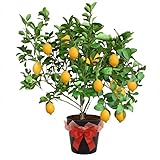
Dreaming of a constant supply of those wonderfully fragrant Meyer lemons? You’re not alone! Many home gardeners find themselves captivated by the sweet, less acidic flavor of this beloved citrus. But what if your single tree isn’t enough, or you’d love to share cuttings with friends and family?
The good news is, propagating your own Meyer lemon tree is entirely achievable, even for beginners. It’s a rewarding process that allows you to expand your citrus collection or gift the joy of homegrown lemons.
We’ll guide you through the most effective methods, from taking cuttings to understanding the best conditions for success. Get ready to multiply your Meyer lemon happiness!
Mastering Meyer Lemon Propagation: Your Complete Guide
There’s a unique satisfaction that comes with nurturing a new plant from a tiny piece of an existing one. When it comes to the delightful Meyer lemon, this process is not only possible but also incredibly rewarding. Whether you’re looking to expand your own citrus grove, create charming gifts, or simply experiment with gardening techniques, learning how to propagate a Meyer lemon tree is a valuable skill. We’ll explore the most reliable methods, breaking down each step to ensure your success.
Why Propagate Meyer Lemons?
Before we dive into the ‘how,’ let’s briefly touch upon the ‘why.’ Propagating Meyer lemons offers several compelling advantages:
- Cost-Effective: Starting new trees from cuttings is significantly cheaper than purchasing mature plants.
- Genetic Consistency: Propagating from a healthy, established tree ensures your new plants will have the same desirable traits – the same sweet flavor, disease resistance, and growth habit. This is crucial for Meyer lemons, as seeds from fruit can result in variations.
- Faster Fruiting: Cuttings often mature and begin producing fruit sooner than trees grown from seed.
- Sharing the Bounty: Imagine gifting a baby Meyer lemon tree to a friend or family member. It’s a truly special and sustainable present.
- Hobbyist Enjoyment: For many, the act of propagation itself is a fulfilling and educational gardening pursuit.
The Best Methods for Meyer Lemon Propagation
When it comes to Meyer lemons, two primary methods stand out for their effectiveness: stem cuttings and grafting. While grafting is more advanced and typically done by experienced horticulturists, stem cuttings are perfectly manageable for the home gardener. We’ll focus on stem cuttings, as it’s the most accessible route to multiplying your Meyer lemon tree.
Method 1: Stem Cuttings – the Most Popular Approach
This is the go-to method for most home gardeners. It involves taking a piece of stem from a healthy parent tree and encouraging it to develop roots.
Step-by-Step Guide to Propagating Meyer Lemon Trees From Cuttings
Success with cuttings hinges on several factors: choosing the right material, using the correct tools, providing the ideal environment, and offering consistent care. Let’s break it down:
-
Gather Your Supplies:
- Healthy Parent Tree: Choose a vigorous, disease-free Meyer lemon tree. Look for branches that are actively growing but not too soft or woody.
- Sharp Pruning Shears or Knife: Sterilize these with rubbing alcohol or a bleach solution (1 part bleach to 9 parts water) to prevent disease transmission.
- Rooting Hormone: This is a crucial ingredient. It contains auxins that stimulate root development. Available as a powder, gel, or liquid. Powder is generally easiest for beginners.
- Potting Mix: A well-draining mix is essential. A good blend is 50% peat moss or coco coir and 50% perlite or coarse sand. You can also find specialized cactus or succulent mixes that work well.
- Small Pots or Trays: Ensure they have drainage holes. 4-6 inch pots are a good size.
- Plastic Bag or Humidity Dome: To maintain high humidity around the cuttings.
- Watering Can or Spray Bottle: For gentle watering.
- Optional: A heat mat can significantly speed up rooting.
-
Select the Right Cuttings: (See Also: How Much Tea Tree Oil for Foot Soak: A Comprehensive…)
The best time to take cuttings is typically during the active growing season – late spring to early summer. Look for branches that are:
- Semi-hardwood: These are branches that are neither brand new and soft, nor old and woody. They should be firm but still flexible. You can often identify them by a slight change in color from bright green to a more muted, slightly brownish hue.
- Healthy and Disease-Free: Avoid any cuttings with signs of pests, spots, or wilting.
- About 6-8 inches long: This provides enough length for multiple leaves and a good section for root development.
Tip: If you can bend a snapped piece without it breaking cleanly, it’s likely a good candidate. If it snaps sharply, it’s too woody. If it’s very flexible and green, it might be too soft.
-
Prepare the Cuttings:
Once you’ve selected your branches, it’s time to prepare them:
- Make the Cut: Using your sterilized shears, make a clean cut just below a leaf node (the point where a leaf attaches to the stem). This is where new roots are most likely to form.
- Remove Lower Leaves: Strip off the leaves from the bottom 2-3 inches of the cutting. This prevents them from rotting in the soil and encourages root growth from the exposed stem. Leave 2-4 leaves at the top to help with photosynthesis. If the remaining leaves are very large, you can cut them in half horizontally to reduce water loss through transpiration.
- Optional: Wound the Stem: For slightly tougher cuttings, you can make a shallow, 1-inch vertical slit on one or two sides of the bottom of the stem. This exposes more cambium tissue, which can aid in root formation.
-
Apply Rooting Hormone:
This step is vital for increasing your success rate.
- For Powder: Dip the cut end of the stem into the rooting hormone powder, ensuring the bottom 1-2 inches are coated. Tap off any excess.
- For Gel/Liquid: Follow the product’s instructions, usually involving dipping the end into the solution.
Important: Avoid touching the rooting hormone container directly with the cut end of the plant to prevent contamination.
-
Plant the Cuttings:
Now it’s time to give your cuttings a home: (See Also: How Long Does It Take to Grow Lemon Tree?)
- Fill Pots: Moisten your well-draining potting mix. Fill your pots or trays, leaving about an inch of space at the top.
- Make a Hole: Use a pencil or your finger to create a hole in the center of the potting mix, deep enough to accommodate the part of the stem coated in rooting hormone.
- Insert Cutting: Gently place the prepared cutting into the hole.
- Firm the Soil: Gently firm the soil around the base of the cutting to ensure good contact with the rooting hormone and potting mix.
- Water Gently: Water the soil thoroughly but gently, using a watering can with a fine rose or a spray bottle. You want the soil to be moist but not waterlogged.
-
Create a Humid Environment:
Citrus cuttings need high humidity to survive and root. This is where your plastic bag or humidity dome comes in:
- For Pots: Place a clear plastic bag over the pot and cutting, ensuring the bag doesn’t touch the leaves too much. You can use stakes to create a tent effect.
- For Trays: Cover the entire tray with a humidity dome or a clear plastic lid.
Ventilation: It’s crucial to provide some ventilation to prevent fungal diseases. Open the bag or dome for about 15-30 minutes each day to allow for air circulation. If condensation builds up heavily, you might need to ventilate more often.
-
Provide Ideal Conditions:
Location and temperature are key:
- Light: Place the pots in a bright location that receives indirect sunlight. Avoid direct sun, which can scorch the cuttings and overheat the enclosed environment. A north-facing window is often ideal.
- Temperature: Citrus roots prefer warmth. Aim for a consistent temperature of 70-80°F (21-27°C). A heat mat placed under the pots can be a game-changer, especially in cooler climates.
- Watering: Keep the potting mix consistently moist but not soggy. Check the moisture level by gently touching the surface of the soil. If it feels dry, water gently. Avoid letting the soil dry out completely.
-
Be Patient and Monitor:
Rooting can take time. For Meyer lemon cuttings, it can range from 4 to 12 weeks, sometimes even longer. Don’t be discouraged if you don’t see immediate results.
- Check for Roots: After about 6-8 weeks, you can gently tug on a cutting. If you feel resistance, it’s likely developing roots. You can also look for new leaf growth, which is a strong indicator of successful rooting.
- Watch for Signs of Rot: If a cutting turns black and mushy, it has likely rotted and won’t recover. Remove it immediately.
-
Transplanting Rooted Cuttings:
Once your cuttings have developed a good root system (you’ll see roots emerging from the drainage holes, or feel significant resistance when gently tugged), it’s time to transplant them into their own pots: (See Also: How to Take Apart Step 2 Christmas Tree: A Simple Guide)
- Prepare New Pots: Use slightly larger pots (6-8 inches) filled with a good quality potting mix for citrus plants.
- Carefully Remove: Gently remove the rooted cutting from its original pot. If it’s stuck, try tapping the sides of the pot. Avoid pulling by the stem.
- Plant: Plant the cutting in the new pot, burying the roots. Water thoroughly.
- Acclimatize: Gradually acclimate your new Meyer lemon trees to their new environment. For the first week or two, keep them in a spot with slightly less intense light and maintain consistent moisture.
Troubleshooting Common Propagation Problems
Even with the best intentions, sometimes things don’t go as planned. Here are some common issues and how to address them:
| Problem | Possible Cause | Solution |
|---|---|---|
| Cuttings wilting and dying | Lack of humidity, too much direct sun, poor rooting hormone application, or unhealthy parent material. | Increase humidity (check bag/dome seal), move to indirect light, ensure hormone was applied correctly, start with fresh cuttings from a healthy tree. |
| Cuttings turning black and mushy | Overwatering, poor drainage, or fungal infection. | Reduce watering, ensure excellent drainage, improve ventilation of the humidity enclosure, and use sterilized tools. |
| No root development after many weeks | Insufficient warmth, lack of rooting hormone, cuttings taken too late in the season, or incorrect moisture levels. | Use a heat mat, ensure rooting hormone was used, take cuttings during the active growing season, and maintain consistent moisture. |
| Leaves yellowing on rooted cuttings | Nutrient deficiency (if they’ve been in the same soil for a long time) or overwatering. | If new growth is healthy, it might be normal leaf drop. If widespread, consider a very diluted citrus fertilizer or check watering habits. |
Method 2: Grafting (for the More Ambitious Gardener)
Grafting is a more advanced technique where a scion (a cutting from your Meyer lemon tree) is joined to the rootstock of another plant. This is how most commercially grown citrus trees are produced. It offers advantages like disease resistance from the rootstock and can influence fruit production and tree size. However, it requires precision, specialized tools, and a good understanding of plant anatomy. For those interested in exploring this, we recommend seeking out detailed, visual guides and perhaps practicing on less precious plants first.
What About Growing From Seed?
While you can technically grow a Meyer lemon tree from the seeds found in its fruit, it’s generally not recommended for producing fruit true to the parent. Citrus seeds are often heterozygous, meaning the resulting tree will likely have different characteristics than the parent tree. It might not produce Meyer lemons at all, or the fruit could be significantly different. Growing from seed is a long process, and the resulting tree may take many years to produce fruit, if it ever does. If you’re aiming for that specific Meyer lemon flavor, propagation from cuttings is the way to go.
Caring for Your New Meyer Lemon Saplings
Congratulations, you’ve successfully propagated a Meyer lemon tree! Now, the nurturing continues.
- Light: As they grow, gradually introduce them to more direct sunlight. Young saplings need at least 6-8 hours of bright, indirect light daily, and eventually, full sun is ideal for mature trees.
- Watering: Continue to keep the soil consistently moist but not waterlogged. Water deeply when the top inch of soil feels dry.
- Fertilizing: Once your sapling has established itself and shows good new growth, you can begin fertilizing. Use a balanced citrus fertilizer according to the product’s instructions. Start with a diluted solution.
- Potting Up: As the tree grows, you’ll need to repot it into larger containers every 1-2 years to accommodate its root system.
- Pruning: Once the tree reaches a desired size, you can begin light pruning to shape it and encourage bushier growth.
With a little patience and consistent care, your propagated Meyer lemon trees will grow into healthy, fruit-bearing plants, bringing the delicious taste of homegrown citrus to your kitchen.
Conclusion
Propagating Meyer lemon trees from stem cuttings is a highly achievable and rewarding gardening endeavor. By carefully selecting healthy material, utilizing rooting hormone, and providing consistent humidity and warmth, you can successfully multiply your citrus bounty. This method ensures genetic consistency, saving you money and allowing you to share the joy of homegrown Meyer lemons with others. Embrace the process, be patient, and soon you’ll have a small grove of your own!
Recommended Products