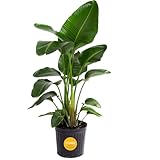
The Bird of Paradise plant, with its striking resemblance to a tropical bird in flight, is a beloved addition to any indoor or outdoor space. Its vibrant orange and blue flowers, coupled with its lush, banana-like foliage, make it a true showstopper. But what if you could multiply this beauty and share it with friends or expand your own collection?
This comprehensive guide will show you exactly how to propagate Birds of Paradise plants, ensuring you can enjoy these exotic blooms for years to come. We will delve into the various methods, from seed propagation to division and rhizome cuttings, providing you with detailed instructions and helpful tips to increase your chances of success. Get ready to unlock the secrets to multiplying your Birds of Paradise!
Understanding the Bird of Paradise Plant
Before diving into propagation, it’s crucial to understand the Bird of Paradise plant (Strelitzia reginae). Native to South Africa, this perennial flowering plant thrives in warm climates and can grow quite large, reaching up to 6 feet tall and 3-4 feet wide. Its unique flower structure, resembling a bird’s head and beak, is what gives it its common name. The plant requires specific care to flourish, and successful propagation hinges on understanding these needs.
Knowing the plant’s growth habits, including its preferred light, soil, and water conditions, is vital for successful propagation. The plant’s rhizomatous root system is a critical aspect of its propagation. This system allows for easy division and multiplication. Understanding these basics will dramatically improve your chances of success when you learn how to propagate Birds of Paradise plants.
Key Characteristics of the Bird of Paradise
- Scientific Name: Strelitzia reginae
- Native Region: South Africa
- Mature Size: 3-6 feet tall, 3-4 feet wide
- Light Requirements: Bright, indirect sunlight
- Watering: Regular watering, allowing the soil to dry slightly between waterings
- Soil: Well-draining potting mix
- Hardiness Zones: 9-11 (can be grown indoors in colder climates)
Methods of Propagating Birds of Paradise
There are several effective ways to propagate the Bird of Paradise. Each method has its own advantages and disadvantages, and the best choice for you will depend on your resources, experience, and the specific plant you’re working with. The most common methods include division, seed propagation, and rhizome cuttings. Let’s explore each method in detail.
1. Propagation by Division
Division is the most common and often the easiest method for propagating Birds of Paradise. This method involves separating the plant’s rhizomes, which are underground stems that store nutrients and produce new shoots. This is a very effective method and is usually the quickest way to get new plants. The best time to divide your plant is in the spring, when new growth is just beginning.
Dividing not only creates new plants but also rejuvenates the parent plant. Over time, Birds of Paradise can become crowded and less productive. Division helps to improve air circulation and allows the parent plant to allocate energy more efficiently. This method is especially useful if your plant has become root-bound or pot-bound.
- Prepare Your Tools and Materials: Gather your supplies: a sharp, clean knife or saw, gardening gloves, a trowel, fresh potting mix, and pots with drainage holes. Ensure your tools are sterilized to prevent the spread of diseases.
- Remove the Plant from Its Pot: Gently remove the Bird of Paradise from its pot. You might need to loosen the soil around the edges of the pot with the trowel. If the plant is root-bound, you may need to carefully tease the roots apart.
- Identify the Divisions: Look for natural divisions in the rhizomes. Each division should have at least one growing point (a shoot or a leaf) and a good portion of roots.
- Divide the Rhizomes: Using your sharp knife or saw, carefully cut through the rhizomes, separating the plant into sections. Make sure each section has a good amount of roots and at least one growing point.
- Pot the Divisions: Fill your pots with fresh potting mix. Plant each division in its own pot, ensuring the growing point is just above the soil surface. Gently firm the soil around the roots.
- Water and Care: Water the newly potted divisions thoroughly. Place them in a location with bright, indirect light. Keep the soil consistently moist but not waterlogged.
2. Propagation From Seeds
Propagating Birds of Paradise from seeds is a rewarding but slower process than division. It requires patience, but it’s a great way to experience the entire life cycle of the plant. Seeds are available from nurseries or can be harvested from mature plants, though seed production is not as common as the other methods. Seeds will need specific conditions to germinate successfully.
Seed propagation allows you to grow a large number of plants from a relatively small amount of seed. However, the resulting plants may not always be identical to the parent plant, as they are a product of genetic recombination. This method is also slower, with germination taking several weeks to months, and the plants may take several years to flower.
- Collect or Obtain Seeds: If you have a mature Bird of Paradise plant that has produced seed pods, you can harvest the seeds. Otherwise, purchase seeds from a reputable nursery or seed supplier.
- Prepare the Seeds: Soak the seeds in warm water for 24-48 hours to soften the seed coat and improve germination rates.
- Prepare the Seedling Tray: Fill a seedling tray or small pots with a well-draining seed-starting mix.
- Sow the Seeds: Plant the seeds about 1/2 inch deep. Space them a few inches apart.
- Provide Warmth and Moisture: Keep the soil consistently moist but not waterlogged. Maintain a warm environment, ideally between 70-80°F (21-27°C). You can use a heat mat to help maintain a consistent temperature.
- Germination: Germination can take several weeks to several months. Be patient!
- Transplant Seedlings: Once the seedlings have developed a few sets of true leaves, transplant them into individual pots with a well-draining potting mix.
- Care for Seedlings: Provide bright, indirect light and regular watering. Gradually acclimate the seedlings to outdoor conditions if you plan to plant them outside.
3. Propagation by Rhizome Cuttings
Rhizome cuttings are another method for propagating Birds of Paradise, similar to division but involving smaller sections of the rhizome. This technique is useful if you want to produce more plants than division allows, or if your plant doesn’t have obvious, easily separable divisions. This method still requires some patience and careful attention to the plant’s needs.
Rhizome cuttings can be a good option if you want to propagate from a plant that is not easily divided. It is a bit more involved than division, as it requires the proper rooting of the cuttings. Proper sanitation is essential to prevent fungal or bacterial infection. It is also important to ensure that each cutting has at least one viable growing point.
- Prepare the Rhizome: Carefully remove the plant from its pot and gently clean the rhizomes to remove any excess soil.
- Select a Healthy Rhizome: Choose a healthy rhizome section with at least one viable growing point.
- Take the Cutting: Using a clean, sharp knife, cut a section of the rhizome, making sure to include at least one healthy bud or growing point.
- Prepare the Cutting: Allow the cut end to callous over for a day or two. This helps prevent rot.
- Pot the Cutting: Plant the rhizome cutting in a well-draining potting mix, ensuring the growing point is just above the soil surface.
- Provide Warmth and Moisture: Keep the soil consistently moist but not waterlogged. Place the pot in a location with bright, indirect light. You can also use a humidity dome to keep the humidity high.
- Rooting: Rooting can take several weeks or months. Be patient and avoid disturbing the cutting.
- Care for the Rooted Cutting: Once the cutting has rooted and shows new growth, gradually acclimate it to normal growing conditions.
Essential Tips for Successful Propagation
Regardless of the propagation method you choose, several key factors can significantly increase your chances of success. These tips focus on optimizing the environment for your new plants and avoiding common pitfalls. By paying attention to these details, you can significantly enhance your propagation outcomes. (See Also: Easy Guide: How to Plant Parsley in a Pot for Thriving Herbs)
1. Choosing the Right Time
The best time to propagate Birds of Paradise is during the spring or early summer. This is when the plant is actively growing, and the warmer temperatures and increased daylight hours promote root development and new growth. This timing also allows the new plants to establish themselves before the colder months arrive.
Propagation during the active growing season will give your new plants the best chance of survival. Avoid propagating during the fall or winter when growth slows down, and the plant is less likely to establish roots. Propagating at the right time will give your plants the best start possible.
2. Soil and Potting Mix Considerations
The type of soil you use is critical for the success of your propagation efforts. Birds of Paradise plants thrive in well-draining soil that retains some moisture but doesn’t become waterlogged. A good potting mix will provide adequate aeration for the roots to breathe and allow excess water to drain away.
A poorly draining soil can lead to root rot, which can quickly kill your new plants. Using a well-draining potting mix is the single most important factor in preventing root rot. You can also improve drainage by adding perlite or coarse sand to your potting mix. Be sure to use a pot with drainage holes as well.
Here are some recommended soil mixes:
- Commercial Potting Mix: A high-quality commercial potting mix formulated for tropical plants.
- DIY Mix: Combine equal parts of potting soil, perlite, and coarse sand.
- Alternative Mix: Combine equal parts of peat moss, perlite, and compost.
3. Light and Temperature Requirements
Birds of Paradise plants need bright, indirect sunlight to thrive. Direct sunlight can scorch the leaves, while insufficient light can stunt growth. Proper light exposure is essential for photosynthesis and energy production, which are crucial for the development of roots and new growth.
The ideal temperature range for propagation is between 70-80°F (21-27°C). This temperature range promotes root growth and overall plant health. Ensure that the plants are protected from extreme temperatures, such as frost or intense heat. If growing indoors, place the plants near a bright window, but avoid direct sunlight.
4. Watering and Humidity
Proper watering is essential for successful propagation. Keep the soil consistently moist but not waterlogged. Overwatering can lead to root rot, while underwatering can cause the plant to dry out. The frequency of watering will depend on the environmental conditions, such as temperature and humidity.
Birds of Paradise plants also appreciate high humidity. This can be achieved by misting the plants regularly, placing them near a humidifier, or using a humidity tray. High humidity helps to prevent the leaves from drying out, promoting healthy growth. Monitoring the moisture level and ensuring adequate humidity are keys to success.
5. Fertilization
Once your newly propagated Bird of Paradise plants have established roots and show signs of new growth, you can begin fertilizing them. Use a balanced liquid fertilizer diluted to half strength. Avoid over-fertilizing, as this can damage the delicate roots. Fertilize during the growing season (spring and summer) and reduce or stop fertilizing during the dormant season (fall and winter).
Fertilizing provides the essential nutrients that the plant needs for growth and flowering. Choose a fertilizer specifically formulated for flowering plants. Follow the instructions on the fertilizer label carefully to avoid over-fertilizing. Consistent feeding will help your new plants reach their full potential. (See Also: Planting Roses: How Deep Do You Plant Roses for Success?)
6. Pest and Disease Control
Monitor your plants regularly for pests and diseases. Common pests that can affect Birds of Paradise include spider mites, mealybugs, and scale. Diseases like root rot can also be problematic. Early detection and treatment are crucial to prevent the spread of these issues.
Inspect your plants regularly for signs of pests or diseases. If you notice any problems, treat them promptly with an appropriate insecticide or fungicide. Proper sanitation and good cultural practices, such as providing adequate air circulation, can help prevent pest and disease problems. Using clean tools and fresh potting mix will also help to prevent the spread of disease.
7. Patience and Persistence
Propagation takes time and patience. Don’t be discouraged if your first attempt isn’t successful. Observe your plants closely, learn from your mistakes, and adjust your methods as needed. Propagation is a process of trial and error, and with each attempt, you’ll gain valuable experience and knowledge.
Not all propagations will succeed, and it’s important to be patient. Allow the plants to develop and establish themselves before expecting significant growth. Keep records of your attempts, including the methods used, the dates, and any observations you make. This will help you refine your techniques and improve your chances of success in the future. The rewards of successful propagation are well worth the effort.
Troubleshooting Common Problems
Even with the best care, you may encounter some challenges when propagating Birds of Paradise plants. Here are some common problems and how to address them:
| Problem | Possible Causes | Solutions |
|---|---|---|
| Root Rot | Overwatering, poor drainage, fungal infection | Reduce watering, ensure proper drainage, use a fungicide |
| Yellowing Leaves | Overwatering, underwatering, nutrient deficiency, pest infestation | Adjust watering, fertilize regularly, inspect for pests |
| Failure to Root | Improper soil, insufficient warmth, lack of humidity | Use well-draining soil, provide adequate warmth, maintain high humidity |
| Pest Infestation | Spider mites, mealybugs, scale | Treat with appropriate insecticides or insecticidal soap |
Caring for Your Newly Propagated Plants
Once your Birds of Paradise plants have successfully rooted and established themselves, it’s essential to provide ongoing care to ensure their continued health and growth. This includes regular watering, fertilization, and repotting as needed. Proper care will help your new plants thrive and eventually produce those stunning, bird-like flowers.
Continued care is critical to the long-term success of your propagated Birds of Paradise. These plants can thrive for many years with proper care. Provide bright, indirect light, and water when the top inch of soil is dry. Fertilize regularly during the growing season. Repot when the plant becomes root-bound.
Ongoing Care Tips
- Watering: Water thoroughly when the top inch of soil is dry.
- Fertilizing: Feed with a balanced liquid fertilizer during the growing season.
- Light: Provide bright, indirect light.
- Repotting: Repot every 1-2 years as needed.
- Pruning: Remove dead or damaged leaves.
Frequently Asked Questions (faq)
Here are some of the most common questions about propagating Birds of Paradise plants:
Q: How long does it take for a Bird of Paradise to flower after propagation?
A: It can take several years, typically 3-5 years, for a Bird of Paradise plant to flower after propagation, especially if propagated from seed. Division often results in faster flowering.
Q: Can I propagate Birds of Paradise from cuttings? (See Also: How to Plant Hedges for Privacy: A Complete Guide)
A: While stem cuttings are not typically successful, rhizome cuttings can be used, as described in this guide. The rhizome contains the growing points, which can be propagated.
Q: What is the best type of soil for propagating Birds of Paradise?
A: A well-draining potting mix is best. This could be a mix of potting soil, perlite, and coarse sand or a commercial potting mix designed for tropical plants.
Q: How much light does a Bird of Paradise need?
A: Birds of Paradise plants need bright, indirect light. Avoid direct sunlight, which can scorch the leaves.
Q: How often should I water my newly propagated Birds of Paradise?
A: Water when the top inch of soil is dry. The frequency will depend on the environmental conditions, such as temperature and humidity.
Conclusion
Mastering Propagation: Your Guide to Multiplying Beauty
Learning how to propagate Birds of Paradise plants opens up a world of possibilities for any plant enthusiast. By understanding the different propagation methods, from division to seed starting, and following the tips outlined in this guide, you can successfully multiply these stunning plants. With patience, the right care, and a little bit of knowledge, you’ll be well on your way to enjoying a flourishing collection of these exotic beauties. Share the joy of the Bird of Paradise, and watch your garden (or home) bloom!
Recommended Products