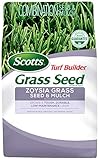
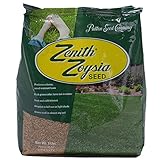
Dreaming of a thick, verdant lawn that can withstand the summer heat and foot traffic? Zoysia grass might be the perfect solution. Known for its resilience and low-maintenance needs, Zoysia creates a dense, carpet-like turf that chokes out weeds. Planting zoysia seeds is a cost-effective way to establish this beautiful grass in your yard.
However, successful Zoysia seed planting requires careful planning and execution. This comprehensive guide will walk you through every step, from selecting the right seed and preparing your soil to watering and ongoing maintenance. Learn the secrets to a thriving Zoysia lawn and enjoy its beauty for years to come. We’ll cover everything from the best time to plant to how to overcome common challenges.
Choosing the Right Zoysia Seed
Before you even think about planting, selecting the correct Zoysia seed is crucial for success. Not all Zoysia varieties are created equal. The best choice depends on your climate, soil conditions, and desired aesthetic. Consider factors such as cold hardiness, shade tolerance, and growth rate.
Understanding Zoysia Varieties
Several Zoysia varieties are available, each with unique characteristics. Understanding these differences will help you choose the best seed for your needs. Some popular varieties include:
- Zoysia japonica: This is the most common type and generally the most cold-hardy. It has a coarser texture and is well-suited for a variety of climates.
- Zoysia matrella: Often called Manila grass, this variety has a finer texture and is more shade-tolerant than Z. japonica. It’s generally a bit less cold-hardy.
- Zoysia tenuifolia: This is a very fine-bladed, ornamental variety, often used for golf courses and putting greens. It is less traffic-tolerant.
Factors to Consider When Choosing Seed
Beyond the variety, consider these factors when selecting your Zoysia seed:
- Climate: Choose a variety that is known to thrive in your region’s climate, including its cold hardiness. Research the USDA Plant Hardiness Zone for your area.
- Sunlight: Assess how much sunlight your lawn receives. Some varieties tolerate more shade than others.
- Soil Type: Zoysia can adapt to various soil types, but proper drainage is essential. Consider a soil test to determine your soil’s composition.
- Traffic: If your lawn experiences heavy foot traffic, select a variety known for its durability.
- Seed Quality: Purchase seeds from a reputable supplier. High-quality seed has a higher germination rate. Check the seed label for purity and germination percentages.
Preparing the Planting Site
Proper site preparation is the foundation for a successful Zoysia lawn. This involves several steps to ensure the soil is ready to support healthy growth. Failing to prepare properly will lead to poor germination and a patchy lawn.
Clearing the Area
The first step is to clear the planting area of any existing vegetation, including grass, weeds, rocks, and debris. This can be done manually with a shovel or hoe, or by using a non-selective herbicide. Be sure to follow the herbicide manufacturer’s instructions carefully. This ensures the Zoysia seeds have a clear start.
Soil Testing and Amendment
A soil test is highly recommended before planting Zoysia. This will reveal the soil’s pH level and nutrient content. Zoysia prefers a slightly acidic to neutral pH (6.0 to 7.0). Based on the soil test results, you can amend the soil with lime to raise the pH or sulfur to lower it. Furthermore, you can add organic matter, such as compost or well-rotted manure, to improve drainage, water retention, and nutrient levels. This creates a more hospitable environment for the new grass.
Soil Tilling and Leveling
Once the area is cleared and amended, till the soil to a depth of 4-6 inches. This will loosen the soil, improve aeration, and help the roots of the Zoysia seedlings to penetrate. Use a tiller for larger areas or a garden rake for smaller ones. After tilling, level the soil surface with a rake, removing any high spots and filling in low spots. This will ensure even water distribution and a uniform lawn appearance.
Compacting the Soil (optional)
After leveling, you can lightly compact the soil using a lawn roller. This helps to create good seed-to-soil contact, which is essential for germination. However, avoid over-compacting, as this can hinder root development. A light rolling is usually sufficient. This step is especially important in sandy soils. (See Also: Sunflowers: How Deep Do You Plant Sunflowers for Success?)
Planting Zoysia Seeds
Planting Zoysia seeds requires precision and timing. Following the correct procedures will significantly increase your chances of a lush lawn. Pay close attention to the details of this process.
Best Time to Plant
The ideal time to plant Zoysia seeds is during late spring or early summer when the soil temperature consistently reaches 70°F (21°C) or higher. This allows the seeds to germinate and establish themselves before the onset of winter. Planting too late in the season can lead to poor germination and insufficient growth before the first frost. In warmer climates, you can also plant in early fall.
Seeding Rate
The seeding rate varies depending on the Zoysia variety and your desired lawn density. Generally, you should sow 1-2 pounds of seed per 1,000 square feet. Follow the instructions on the seed package for specific recommendations. Over-seeding can lead to overcrowding and competition for resources, while under-seeding may result in a sparse lawn. Use a spreader for even distribution.
Spreading the Seed
There are several methods for spreading Zoysia seeds. A broadcast spreader is ideal for larger areas, ensuring even seed distribution. For smaller areas, you can use a hand-held spreader or simply scatter the seeds by hand. When broadcasting, make two passes over the area, one in each direction, to ensure complete coverage. This helps prevent patchy areas.
Covering the Seed
Zoysia seeds need to be covered lightly with soil. After spreading the seeds, rake them lightly into the soil, burying them about ¼ inch deep. You can also use a light layer of straw mulch to help retain moisture, protect the seeds from birds, and prevent soil erosion. This thin layer of mulch will promote germination.
Watering After Planting
After planting, water the area thoroughly but gently. The soil should be kept consistently moist but not waterlogged. Water frequently, especially during the germination period (typically 14-21 days). Avoid heavy watering that can wash away the seeds. Light, frequent watering is key to success.
Watering and Maintenance
Once your Zoysia lawn is established, proper watering and maintenance are crucial to its long-term health and beauty. This involves regular watering, mowing, fertilization, and weed control. Consistent care will ensure a thriving lawn.
Watering Schedule
Established Zoysia grass is drought-tolerant, but it still needs regular watering, especially during dry periods. Water deeply and infrequently, allowing the soil to dry out slightly between waterings. This encourages deep root growth, making the grass more resilient. The frequency of watering depends on your climate and soil type. A good rule of thumb is to water when the grass shows signs of stress, such as wilting or a bluish-gray color. Avoid frequent, shallow watering.
Mowing
Mow your Zoysia lawn regularly to maintain its desired height and density. The ideal mowing height for Zoysia is typically between 1 and 2 inches, depending on the variety. Use a sharp mower blade to ensure a clean cut, which promotes healthy growth. Mow frequently enough that you are only removing about one-third of the grass blade at a time. This prevents stressing the grass. (See Also: Okra Plant Size: How Big Does an Okra Plant Get?)
Fertilization
Fertilize your Zoysia lawn 1-2 times per year, typically in the spring and fall. Use a slow-release fertilizer formulated for warm-season grasses. Follow the fertilizer package instructions carefully, as over-fertilizing can lead to excessive growth and thatch buildup. A soil test will help you determine the specific nutrient needs of your lawn. Proper fertilization will keep your Zoysia grass dense and green.
Weed Control
Zoysia grass is generally resistant to weeds, but they can still appear. Hand-pulling weeds is an effective method for small infestations. For larger infestations, use a pre-emergent herbicide to prevent weed seeds from germinating or a post-emergent herbicide to kill existing weeds. Always choose herbicides specifically labeled for use on Zoysia grass and follow the manufacturer’s instructions. Consistent weed control will keep your lawn looking pristine.
Pest and Disease Control
Zoysia grass is relatively resistant to pests and diseases, but it can still be susceptible to problems like grubs, brown patch, and dollar spot. Regularly inspect your lawn for signs of infestation or disease. Treat any problems promptly with appropriate insecticides or fungicides. Proper watering, fertilization, and mowing practices can also help prevent pest and disease problems. Addressing issues early on prevents major damage.
Troubleshooting Common Problems
Even with careful planning and execution, you may encounter some challenges when planting and maintaining a Zoysia lawn. Understanding these potential problems and how to address them can help you achieve a successful outcome. Here are some common issues and solutions.
Poor Germination
If your Zoysia seeds fail to germinate, several factors could be responsible. Inadequate soil moisture is a common cause. Make sure the soil is consistently moist during the germination period. Soil temperature is also critical; ensure the soil temperature is consistently above 70°F (21°C). Poor seed-to-soil contact can also hinder germination; ensure the seeds are lightly raked into the soil. Finally, check the seed viability; old or improperly stored seeds may have a low germination rate.
Slow Growth
Slow growth can be frustrating, but several factors might be at play. Insufficient sunlight can hinder growth; Zoysia needs at least 6 hours of direct sunlight per day. Nutrient deficiencies can also slow growth; perform a soil test and fertilize accordingly. Poor soil drainage can also be a factor; amend the soil to improve drainage. Furthermore, consider the Zoysia variety; some varieties grow more slowly than others.
Weed Infestation
Weeds can compete with Zoysia for resources. Address weed infestations promptly. Hand-pulling is effective for small infestations. Use pre-emergent herbicides to prevent weed seeds from germinating or post-emergent herbicides to kill existing weeds. Ensure your Zoysia lawn is dense and healthy, as a dense lawn is less susceptible to weed invasion. Regular mowing also helps control weeds.
Disease Issues
Diseases like brown patch and dollar spot can affect Zoysia. Proper watering practices are crucial; avoid overwatering and water in the morning to allow the grass to dry during the day. Improve air circulation by pruning trees and shrubs. Fungicides can be used to treat diseases, but prevention is key. Choose disease-resistant varieties if possible. Address any issues promptly to prevent spread.
Pest Problems
Grubs and other pests can damage Zoysia lawns. Monitor your lawn for signs of pest activity, such as brown patches or dead grass. Insecticides can be used to control pests, but choose products specifically labeled for use on Zoysia. Encourage beneficial insects in your yard, as they can help control pest populations naturally. Healthy lawns are generally less susceptible to pest damage. (See Also: Unlocking Beauty: Your Guide to Coneflower Seeds How to Plant)
Frequently Asked Questions (faq)
How Long Does It Take for Zoysia Seeds to Germinate?
Zoysia seeds typically take 14-21 days to germinate, but the exact time can vary depending on the variety, soil temperature, and moisture levels. Warm soil and consistent moisture will speed up the germination process. Patience is key when waiting for your Zoysia to sprout.
How Often Should I Water Newly Planted Zoysia Seeds?
Water newly planted Zoysia seeds frequently, keeping the soil consistently moist but not waterlogged. Light, frequent watering is best, especially during the germination period. This will help maintain the moisture needed for the seeds to sprout. Once established, you can reduce the watering frequency.
Can I Plant Zoysia Seeds in the Shade?
Some Zoysia varieties tolerate more shade than others. Zoysia matrella (Manila grass) is generally more shade-tolerant than Zoysia japonica. However, Zoysia still needs at least 4-6 hours of sunlight per day for optimal growth. If your lawn is heavily shaded, consider other grass types better suited to shade. Proper sunlight is crucial for healthy Zoysia growth.
How Do I Control Weeds in My Zoysia Lawn?
Weed control involves a combination of methods. Hand-pulling weeds is effective for small infestations. Use pre-emergent herbicides to prevent weed seeds from germinating or post-emergent herbicides to kill existing weeds. Maintain a dense, healthy Zoysia lawn, as a dense lawn naturally suppresses weeds. Regular mowing also helps. Consistent control is key to a weed-free lawn.
How Often Should I Fertilize My Zoysia Lawn?
Fertilize your Zoysia lawn 1-2 times per year, typically in the spring and fall. Use a slow-release fertilizer formulated for warm-season grasses. Follow the fertilizer package instructions carefully. A soil test will help you determine the specific nutrient needs of your lawn. Proper fertilization will keep your Zoysia grass dense and green.
The Benefits of Zoysia Grass
Planting Zoysia grass offers numerous benefits, making it a popular choice for homeowners. Understanding these benefits can help you appreciate the value of your Zoysia lawn. These benefits contribute to its overall desirability.
- Drought Tolerance: Zoysia grass is highly drought-tolerant, requiring less water than many other grass types. This makes it a water-wise choice, especially in regions with water restrictions. It can survive prolonged dry periods.
- Wear Resistance: Zoysia is incredibly durable and can withstand heavy foot traffic. It is an excellent choice for lawns used for recreation or by families with children and pets. This durability is a significant advantage.
- Dense Growth: Zoysia forms a dense, carpet-like turf that chokes out weeds. This reduces the need for herbicides and other weed control measures. Its density is a key aesthetic and practical benefit.
- Low Maintenance: Compared to other grass types, Zoysia requires less mowing, fertilizing, and watering. This saves time and effort, making it a low-maintenance option for busy homeowners. This is a significant advantage for many.
- Disease Resistance: Zoysia is relatively resistant to many common lawn diseases and pests. This reduces the need for fungicides and insecticides. Its natural resistance simplifies lawn care.
- Aesthetic Appeal: Zoysia has a beautiful, fine texture and a rich green color, creating an attractive and inviting lawn. Its appearance enhances any landscape.
Conclusion
Achieving a Lush Zoysia Lawn
Planting Zoysia seeds is a rewarding project that can transform your lawn into a beautiful and resilient space. By carefully following the steps outlined in this guide – from choosing the right seed and preparing your soil to proper watering and maintenance – you can increase your chances of success. Remember to be patient, as establishing a Zoysia lawn takes time. With consistent care, you’ll soon be enjoying the many benefits of this exceptional grass. Your dream lawn is within reach!
Recommended Products