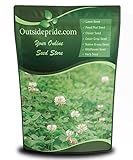
Are you dreaming of a lush, green lawn that requires less maintenance and fewer chemicals? White Dutch clover might be the answer you’ve been searching for. This versatile plant not only adds beauty to your yard but also offers a range of benefits for your lawn and the environment. Learning how to plant white dutch clover can revolutionize your lawn care approach.
White Dutch clover is a low-growing perennial that thrives in various conditions. It’s known for its ability to fix nitrogen in the soil, reducing the need for fertilizers. Furthermore, its drought tolerance and resistance to many common lawn pests and diseases make it a sustainable and attractive alternative to traditional grass lawns. Get ready to transform your outdoor space.
This comprehensive guide will walk you through everything you need to know about successfully planting white Dutch clover. From choosing the right seed and preparing your soil to ongoing maintenance, we’ll cover all the essential steps. Say goodbye to endless lawn work and hello to a vibrant, healthy lawn with the help of this guide.
Understanding White Dutch Clover
Before diving into how to plant white dutch clover, it’s essential to understand what it is and why it’s a great choice. White Dutch clover (Trifolium repens) is a low-growing, perennial plant that spreads via stolons, or above-ground stems. This growth habit allows it to fill in bare spots and create a dense, weed-resistant ground cover. It is a highly adaptable plant, thriving in various soil types and climates.
Benefits of White Dutch Clover
Choosing white Dutch clover offers several benefits over traditional grass lawns. These benefits extend beyond mere aesthetics, contributing to a healthier and more sustainable environment. Understanding these advantages will help you appreciate the value of incorporating this plant into your lawn care strategy.
- Nitrogen Fixation: Clover naturally fixes nitrogen in the soil. This reduces the need for synthetic fertilizers, saving you money and protecting the environment from runoff.
- Drought Tolerance: White Dutch clover is more drought-tolerant than many grass species. This means less watering during dry periods, conserving water resources.
- Weed Suppression: Its dense growth habit helps to suppress weeds, reducing the need for herbicides. This promotes a healthier lawn and reduces chemical exposure.
- Pest and Disease Resistance: Clover is less susceptible to many common lawn pests and diseases than grass, reducing the need for pesticides and fungicides.
- Pollinator Attraction: Clover flowers attract bees and other pollinators, contributing to a healthy ecosystem. This supports biodiversity and benefits your garden.
- Low Maintenance: White Dutch clover requires less mowing and fertilizing than traditional lawns, saving you time and effort. This allows for more free time and less lawn work.
Types of White Dutch Clover
While the standard white Dutch clover is widely available, several variations exist. These variations offer slight differences in size, growth habit, and appearance. Knowing the differences can help you choose the best clover for your specific needs.
- Standard White Dutch Clover: This is the most common type, known for its small leaves, rapid growth, and excellent nitrogen-fixing abilities. It is a reliable and adaptable choice for most lawns.
- Microclover: Microclover is a smaller-leaved variety of white Dutch clover. It is often mixed with turfgrass because of its subtle appearance, making it a great option for those who want the benefits of clover without a dramatic change in their lawn’s look. It requires less mowing than standard clover.
- Intermediate White Dutch Clover: This type is larger than standard white Dutch clover, with larger leaves and a more robust growth habit. It may be better suited for areas with heavy foot traffic.
Planning and Preparation
Successful planting begins with careful planning and preparation. Proper soil testing, site selection, and timing are crucial for establishing a healthy clover lawn. Taking these steps ensures the best possible start for your clover. (See Also: Unlocking the Berry Bounty: How Does a Strawberry Plant Reproduce?)
Choosing the Right Site
White Dutch clover thrives in various conditions, but certain sites are better suited than others. Consider the following factors when selecting a planting location:
- Sunlight: Clover prefers full sun to partial shade (4-6 hours of sunlight daily). While it tolerates shade better than many grasses, sufficient sunlight is still necessary for optimal growth.
- Soil Drainage: Good drainage is essential. Clover does not do well in waterlogged soil. If your soil tends to retain water, consider improving drainage before planting.
- Soil pH: Clover prefers a soil pH between 6.0 and 7.0. You can test your soil pH with a soil testing kit and adjust it as needed.
- Existing Vegetation: Remove any existing grass or weeds before planting. This gives the clover a head start and reduces competition for resources.
Soil Testing and Preparation
Soil testing provides valuable information about the soil’s composition, pH, and nutrient levels. This information allows you to make informed decisions about soil amendments and fertilization. Proper soil preparation is essential for clover’s success.
- Soil Test: Conduct a soil test to determine the pH and nutrient levels of your soil. This will inform you about any necessary adjustments. You can purchase a soil testing kit or send a sample to a local extension office.
- Clear the Area: Remove any existing vegetation, including grass, weeds, and debris. You can use a herbicide, a sod cutter, or manual methods like raking or digging.
- Loosen the Soil: Loosen the soil to a depth of 4-6 inches using a tiller or a garden fork. This improves drainage and allows the clover roots to penetrate easily.
- Amend the Soil: Based on your soil test results, amend the soil as needed. This may involve adding lime to raise the pH or adding compost to improve soil fertility and drainage.
- Level the Surface: Rake the area to level the surface, removing any rocks or debris. This creates a smooth surface for planting.
Choosing the Right Time to Plant
Timing is crucial for successful clover establishment. The best time to plant white Dutch clover depends on your climate and the growing season. Planting at the right time provides the clover with the best chance to establish before the onset of harsh weather.
- Spring Planting: In most regions, spring (early to mid-spring) is an ideal time to plant clover. The soil is warming up, and there is ample moisture for germination and growth.
- Fall Planting: Fall (early fall) is also a good time to plant, especially in milder climates. The cooler temperatures and increased rainfall provide favorable conditions for clover to establish before winter.
- Avoid Summer Planting: Avoid planting during the hot summer months, as the high temperatures and potential for drought can hinder germination and growth.
Planting White Dutch Clover
Planting white Dutch clover is a relatively simple process. By following these steps, you can ensure that your clover establishes successfully. Proper planting techniques are essential for achieving a dense and healthy clover lawn.
Seed Selection and Sowing Rates
Choosing high-quality clover seed and using the correct sowing rate are crucial for a successful planting. The quality of the seed and the density of the planting directly impact the final result.
- Seed Quality: Choose high-quality white Dutch clover seed from a reputable source. Look for seeds that are free of weed seeds and other contaminants.
- Sowing Rate: The sowing rate depends on whether you are planting a pure clover lawn or mixing it with grass. For a pure clover lawn, sow 1/4 to 1/2 pound of seed per 1,000 square feet. If mixing with grass, reduce the clover seed rate accordingly.
Planting Methods
There are several methods for planting white Dutch clover, each with its own advantages. Choose the method that best suits your needs and the size of the area you’re planting. (See Also: How to Plant Acorns to Grow Trees: A Comprehensive Guide)
- Broadcasting: This is the simplest method. Spread the clover seed evenly over the prepared soil surface using a hand-held spreader or by hand.
- Overseeding: Overseeding involves sowing clover seed into an existing lawn. This is a good option if you want to gradually introduce clover into your lawn.
- Drilling: This method involves using a seed drill to sow the seeds into the soil at a consistent depth. This is a more precise method that can improve germination rates.
Covering and Watering
After sowing the seeds, it’s essential to cover them lightly and provide adequate moisture. These steps are crucial for promoting germination and establishing the clover.
- Lightly Cover the Seeds: After broadcasting the seeds, lightly rake them into the soil surface. Covering the seeds with a thin layer of soil improves germination rates.
- Water Thoroughly: Water the newly seeded area thoroughly after planting. Keep the soil consistently moist but not waterlogged until the seedlings are established.
- Watering Frequency: Water frequently, especially during dry periods. The frequency of watering will depend on the weather conditions, but it’s important to keep the soil moist.
Caring for Your White Dutch Clover Lawn
Once your white Dutch clover is established, proper care is essential for maintaining a healthy and vibrant lawn. Regular maintenance ensures the clover thrives and provides ongoing benefits. Proper care ensures the longevity and beauty of your clover lawn.
Watering and Fertilizing
While white Dutch clover is drought-tolerant, it still requires regular watering, especially during dry periods. Fertilization is generally not required, as clover fixes its own nitrogen.
- Watering: Water deeply but infrequently, allowing the soil to dry out slightly between waterings. Avoid overwatering, which can lead to root rot.
- Fertilizing: Clover does not require fertilization because it fixes nitrogen in the soil. Avoid using fertilizers that are high in nitrogen, as this can hinder clover growth.
Mowing and Maintenance
Mowing and other maintenance tasks are necessary to keep your clover lawn looking its best. Regular mowing and other maintenance practices will help maintain a healthy lawn.
- Mowing: Mow your clover lawn regularly, typically every 2-4 weeks, depending on the growth rate. The ideal mowing height is 2-3 inches.
- Weed Control: White Dutch clover is generally good at suppressing weeds, but occasional weeding may be necessary. Hand-pull weeds or use a selective herbicide designed for clover if needed.
- Pest and Disease Control: Clover is relatively resistant to pests and diseases. However, monitor your lawn for any signs of problems and take appropriate action if necessary.
Dealing with Common Problems
Even with proper care, you may encounter some problems with your white Dutch clover lawn. Understanding these issues and how to address them will help you maintain a healthy lawn. Knowing how to resolve potential issues helps maintain a thriving lawn.
- Thinning: If your clover is thinning, it may be due to poor soil conditions, insufficient sunlight, or competition from weeds. Address these issues to encourage clover growth.
- Weed Infestation: If weeds are a problem, hand-pull them or use a selective herbicide designed for clover. Ensure your clover is healthy and thriving to outcompete weeds.
- Pest or Disease Issues: Inspect your lawn regularly for signs of pests or diseases. Treat any problems promptly with appropriate control measures.
Mixing White Dutch Clover with Grass
Mixing white Dutch clover with grass offers a balanced approach to lawn care. This combination provides the benefits of clover while maintaining the familiar look of a traditional lawn. A mixed lawn can combine aesthetics and environmental benefits. (See Also: Aloe Plant: How to Use for Skin, Health & More)
Benefits of a Mixed Lawn
Combining clover with grass offers several advantages over a pure clover or grass lawn. This approach provides a balance of aesthetics and functionality.
- Reduced Fertilizer Needs: Clover fixes nitrogen in the soil, reducing the need for synthetic fertilizers. This benefits both the environment and your wallet.
- Improved Drought Tolerance: Clover is more drought-tolerant than many grasses, helping your lawn survive dry periods with less watering.
- Enhanced Weed Suppression: The dense growth of clover helps to suppress weeds, reducing the need for herbicides. This promotes a healthier lawn with fewer chemicals.
- Attractive Appearance: A mixed lawn can provide a visually appealing combination of textures and colors. This can enhance the overall beauty of your yard.
- Increased Biodiversity: Clover flowers attract pollinators, contributing to a healthy ecosystem. This supports the local biodiversity in your garden.
How to Mix Clover with Grass
Mixing clover with grass is a straightforward process. By following these steps, you can create a beautiful and beneficial mixed lawn. It’s an easy way to improve your lawn’s health and appearance.
- Choose the Right Grass: Select a grass species that is compatible with clover. Fine fescues, perennial ryegrass, and Kentucky bluegrass are good choices.
- Prepare the Soil: Prepare the soil as described earlier, ensuring good drainage and a suitable pH. This is the foundation for a successful mixed lawn.
- Seed Mixture: Mix clover seed with grass seed according to the recommended ratios. A common ratio is 10% clover to 90% grass.
- Planting: Use the broadcasting or overseeding method to sow the seed mixture. Ensure even distribution for a consistent look.
- Watering and Maintenance: Water regularly and follow the same maintenance practices as for a pure clover lawn, adjusting mowing height as needed.
Troubleshooting and Faqs
Even with careful planning and execution, you may encounter some challenges when planting white Dutch clover. This section addresses common problems and provides answers to frequently asked questions. Being prepared for potential issues ensures a successful outcome.
Common Problems and Solutions
Here are some common problems you might encounter and how to address them:
- Poor Germination: If your clover seeds are not germinating, check the seed quality, ensure the soil is moist, and make sure the soil temperature is suitable.
- Weed Infestation: If weeds are a problem, hand-pull them or use a selective herbicide designed for clover. Ensure your clover is healthy to outcompete weeds.
- Thinning Clover: If your clover is thinning, it may be due to poor soil conditions, insufficient sunlight, or competition from weeds. Address these issues to encourage clover growth.
- Pest or Disease Issues: Inspect your lawn regularly for signs of pests or diseases. Treat any problems promptly with appropriate control measures.
Here are some frequently asked questions about planting white Dutch clover:
- How long does it take for white Dutch clover to grow? White Dutch clover typically germinates within 1-3 weeks. It will take several months for the clover to fully establish and fill in.
- How often should I mow my white Dutch clover lawn? Mow your clover lawn every 2-4 weeks, depending on the growth rate.
- Does white Dutch clover attract bees? Yes, white Dutch clover flowers attract bees and other pollinators, contributing to a healthy ecosystem.
- Can I walk on a white Dutch clover lawn? Yes, white Dutch clover is quite durable and can tolerate foot traffic.
- Does white Dutch clover need fertilizer? No, white Dutch clover fixes its own nitrogen, so it does not need fertilizer.
Conclusion
Reap the Rewards of White Dutch Clover
Planting white Dutch clover is a rewarding endeavor that can transform your lawn into a beautiful, low-maintenance, and environmentally friendly space. By following the steps outlined in this guide, you can successfully establish a thriving clover lawn. You’ll reduce your reliance on chemicals, and enjoy a healthier, more vibrant outdoor area. Embrace the benefits of white Dutch clover for a greener, more sustainable future for your lawn and the environment. Enjoy your beautiful lawn!
Recommended Products