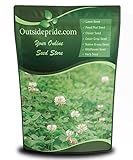
Tired of the endless cycle of mowing, fertilizing, and battling weeds in your lawn? White clover offers a refreshing alternative, transforming your turf into a lush, green carpet that requires significantly less maintenance. This low-growing perennial legume not only adds beauty to your landscape but also provides numerous environmental benefits.
This comprehensive guide will show you exactly how to plant white clover, step-by-step, ensuring a thriving and sustainable lawn. We’ll delve into everything from choosing the right clover variety to preparing your soil and providing ongoing care. Get ready to embrace a healthier, more eco-friendly lawn with the help of this amazing plant.
Choosing the Right White Clover Variety
Before you even think about planting, selecting the appropriate white clover variety is crucial for success. Different cultivars offer varying characteristics, such as growth habit, leaf size, and cold hardiness. Understanding these differences will help you choose the best clover for your specific needs and environment.
Common White Clover Varieties
Several popular white clover varieties are readily available. Each has its own strengths and weaknesses. Consider the following options:
- Dutch White Clover (Trifolium repens): This is the most common type, known for its small leaves and low-growing habit. It’s highly adaptable and tolerates a wide range of soil conditions. It’s a great choice for general lawn use.
- Intermediate White Clover: These varieties are larger than Dutch white clover and offer slightly better drought tolerance. They are a good option for areas with less frequent rainfall.
- Ladino White Clover: This is a larger-leafed variety that grows taller than Dutch white clover. It’s often used for forage but can also be incorporated into lawns. It is more aggressive and may require more frequent mowing.
- Microclover (Trifolium repens var. ‘Pirouette’ or similar): These are smaller-leafed varieties bred specifically for lawns. They are often mixed with turfgrass and offer excellent wear tolerance and aesthetic appeal. They are often preferred for their less aggressive growth habit.
Factors to Consider When Selecting a Variety
Several factors should influence your choice of white clover variety. Think about your local climate, soil conditions, and intended use of the lawn. Consider these key elements when making your decision:
- Climate: Some varieties are more cold-hardy than others. Make sure to select a variety that can withstand the winter temperatures in your region. Consider the length of the growing season as well.
- Soil: White clover tolerates a range of soil types, but it thrives in well-drained soil. If your soil is heavy clay, you may need to amend it before planting.
- Sunlight: White clover prefers full sun but can tolerate partial shade. If your lawn receives a lot of shade, consider a shade-tolerant variety.
- Traffic: If your lawn experiences heavy foot traffic, choose a variety known for its wear tolerance, like microclover.
- Aesthetics: Consider the leaf size and growth habit of each variety. Some people prefer the look of small-leafed microclover, while others find the larger leaves of Ladino clover more appealing.
Preparing the Soil for Planting
Proper soil preparation is essential for successful white clover establishment. Clover, like any plant, needs the right conditions to thrive. This involves amending the soil to improve drainage, fertility, and overall health. Taking the time to prepare your soil properly will pay off in the long run.
Soil Testing and Amendment
Before you begin, it’s a good idea to have your soil tested. A soil test will reveal the pH level and nutrient content of your soil. This information will help you determine what amendments are needed to create an ideal environment for white clover. You can typically get a soil test from your local agricultural extension office or a soil testing lab.
Based on the soil test results, you may need to amend your soil. Here are some common soil amendments:
- Lime: If your soil is acidic (low pH), adding lime will raise the pH level. White clover prefers a soil pH between 6.0 and 7.0.
- Compost: Adding compost improves soil structure, drainage, and fertility. It also helps retain moisture.
- Organic Matter: Incorporating organic matter, such as well-rotted manure or leaf mold, can also improve soil health. This benefits the clover by providing nutrients and improving the soil structure.
- Fertilizer: If your soil is deficient in nutrients, you may need to add fertilizer. However, white clover is a legume and can fix nitrogen from the atmosphere, so it typically requires less nitrogen fertilizer than turfgrass.
Soil Preparation Steps
Follow these steps to prepare your soil for planting white clover:
- Clear the area: Remove any existing vegetation, such as grass, weeds, and debris. This can be done by hand, with a sod cutter, or by using a non-selective herbicide (following label instructions carefully).
- Loosen the soil: Use a tiller or garden fork to loosen the soil to a depth of at least 6 inches. This will improve drainage and allow the clover roots to penetrate easily.
- Amend the soil: Add any necessary soil amendments, such as lime, compost, or fertilizer, based on your soil test results.
- Rake the soil: Rake the soil smooth, removing any large clumps or rocks. The goal is a level surface ready for seeding.
Planting White Clover Seed
Once your soil is prepared, it’s time to plant the white clover seeds. Proper planting techniques will ensure good seed-to-soil contact and promote germination. Planting at the right time of year is also critical for success.
Timing and Methods for Planting
The best time to plant white clover depends on your climate. In most regions, the ideal planting times are in the spring or fall. Spring planting allows the clover to establish before the heat of summer, while fall planting gives it a head start before winter. In warmer climates, you may be able to plant in the late summer or early fall.
Here are some methods for planting white clover:
- Broadcasting: This is the simplest method. Scatter the seeds evenly over the prepared soil surface by hand or with a broadcast spreader.
- Overseeding: This involves mixing white clover seeds with existing turfgrass seeds and sowing them together. This is a common way to introduce clover into an established lawn.
- Drilling: This method uses a seed drill to plant the seeds at a consistent depth. This is often used for larger areas and can result in more uniform germination.
Step-by-Step Planting Instructions
Follow these steps to plant white clover: (See Also: How Far to Plant Bell Peppers Apart: Spacing, Soil & Care)
- Choose your planting method: Decide whether you will broadcast, overseed, or drill the seeds.
- Calculate the seeding rate: The recommended seeding rate for white clover is typically 1/4 to 1/2 pound of seed per 1,000 square feet. Adjust the rate based on the variety and your desired clover density.
- Spread the seeds: If broadcasting, spread the seeds evenly over the prepared soil surface. For overseeding, mix the clover seeds with grass seeds and sow them together. If drilling, follow the manufacturer’s instructions for your seed drill.
- Cover the seeds: Lightly rake the seeds into the soil or lightly cover them with a thin layer of compost or topsoil. Clover seeds need light to germinate, so do not bury them too deeply.
- Water the seeds: Water the newly planted seeds gently but thoroughly. Keep the soil consistently moist until the seeds germinate, typically within 1 to 3 weeks.
Caring for Your White Clover Lawn
Once your white clover is established, proper care is essential to maintain its health and appearance. This involves watering, mowing, and providing appropriate fertilization. White clover is relatively low-maintenance, but some attention is still needed.
Watering
White clover is drought-tolerant once established, but it still needs regular watering, especially during dry periods. Water deeply and infrequently, allowing the soil to dry slightly between waterings. This encourages deep root growth and makes the clover more resilient to drought.
Mowing
Mowing white clover is generally less frequent than mowing a traditional grass lawn. However, regular mowing can help to maintain a neat appearance and prevent the clover from becoming too tall. The mowing height should be adjusted based on the variety of clover you have planted. Aim for a mowing height of 2-3 inches. Mowing also encourages denser growth and prevents the clover from going to seed, which can spread it to unintended areas.
Fertilizing
White clover is a legume and can fix nitrogen from the atmosphere. This means it typically requires less nitrogen fertilizer than grass. Excessive nitrogen fertilizer can actually harm white clover by promoting grass growth at its expense. If you do fertilize, use a fertilizer low in nitrogen and high in phosphorus and potassium. A soil test will help determine if fertilizer is needed.
Weed Control
White clover can help suppress weeds, but it’s not foolproof. Weeds can still appear, especially during the establishment phase. Hand-weeding is the most effective way to control weeds in a white clover lawn. Avoid using herbicides, especially those containing broadleaf weed killers, as they can harm the clover. Pre-emergent herbicides can sometimes be used to control weeds before they sprout, but check the product label to ensure it is safe for white clover.
Pest and Disease Management
White clover is generally resistant to pests and diseases. However, it can occasionally be affected by certain problems. Inspect your lawn regularly for any signs of trouble. Common pests include clover mites, aphids, and slugs. Diseases can include clover rot and leaf spot. If you notice any problems, identify the pest or disease and take appropriate action. This may involve using insecticidal soap, introducing beneficial insects, or applying a fungicide. Always follow label instructions when using any pest or disease control product.
Common Problems and Troubleshooting
Even with the best care, you may encounter some challenges when growing white clover. Understanding these common problems and how to solve them will help you maintain a healthy and thriving lawn. Here are some common issues and their solutions:
Poor Germination
If your white clover seeds don’t germinate properly, there could be several reasons. Make sure the seeds are fresh and stored properly. Ensure that the soil temperature is warm enough for germination. The seeds need moisture, so keep the soil consistently moist but not waterlogged. Check to see if they were covered too deeply. Also, make sure that the soil has good seed-to-soil contact.
Slow Growth
If your white clover is growing slowly, it may be due to poor soil conditions. Conduct a soil test to determine if your soil needs any amendments, such as lime or fertilizer. The clover may also be competing with weeds. Remove any weeds as soon as they appear. Be patient, as it takes time for white clover to establish fully.
Thin or Patchy Growth
Thin or patchy growth can be caused by several factors. Inadequate sunlight can be a problem. White clover needs at least some sunlight. Check if the soil is compacted; if it is, consider aerating it. The clover may be stressed by drought or excessive heat. Ensure adequate watering, especially during dry periods. If the area is heavily trafficked, consider using a more wear-tolerant variety like microclover.
Weed Infestation
Weeds can be a problem, especially during the establishment phase. Hand-weeding is the most effective way to control weeds. You can also use a pre-emergent herbicide, but make sure it is safe for white clover. Improve the overall health of your clover by ensuring proper watering, mowing, and fertilization.
Pest or Disease Problems
While white clover is relatively resistant to pests and diseases, problems can still occur. Inspect your lawn regularly for any signs of trouble. Identify the pest or disease and take appropriate action. This may involve using insecticidal soap, introducing beneficial insects, or applying a fungicide. Always follow label instructions when using any pest or disease control product. (See Also: Learn How to Plant Lemongrass: A Complete Guide)
Benefits of Planting White Clover
Choosing white clover offers numerous advantages over traditional grass lawns. From its environmental benefits to its ease of maintenance, white clover is an excellent choice for any homeowner looking for a sustainable and attractive lawn. Let’s explore the advantages in more detail.
Environmental Benefits
White clover is an environmentally friendly alternative to traditional lawns. It requires less water, reducing your water bill and conserving water resources. It also reduces the need for fertilizers and pesticides, which can pollute waterways and harm wildlife. White clover fixes nitrogen from the atmosphere, reducing the need for synthetic nitrogen fertilizers. This also benefits the soil and nearby plants. It also attracts pollinators, such as bees, which are essential for ecosystem health.
Reduced Maintenance
White clover requires significantly less maintenance than grass. It needs less mowing, as it grows low to the ground. It also requires less fertilizing and watering. White clover is more resistant to weeds and pests. This means less time spent on lawn care, allowing you to enjoy your yard more. This is a big advantage for homeowners who want a low-maintenance lawn.
Improved Soil Health
White clover improves soil health in several ways. It fixes nitrogen from the atmosphere, enriching the soil and providing nutrients for other plants. It also improves soil structure, making it more porous and allowing for better drainage. The clover’s roots help to prevent soil erosion. This creates a healthier and more sustainable lawn environment.
Aesthetic Appeal
White clover creates a lush, green lawn that is both attractive and soft to walk on. It has a delicate, yet durable, appearance. Some people find the small white flowers of white clover to be visually appealing. White clover can be a beautiful and inviting addition to any landscape.
Cost Savings
While the initial cost of planting white clover may be similar to that of grass, the long-term cost savings are significant. White clover requires less water, fertilizer, and mowing, which means lower water bills, reduced fertilizer costs, and less time spent on lawn care. Over time, these savings can add up considerably.
Integrating White Clover with Existing Lawns
You don’t necessarily have to start from scratch to enjoy the benefits of white clover. You can integrate white clover into your existing lawn. This can be done through overseeding, which is a simple and effective method for introducing clover into your lawn. You can also spot-seed clover in areas where grass is thin or bare. Here’s a look at how to do this:
Overseeding Methods
Overseeding is the process of spreading white clover seeds over your existing lawn. The best time to overseed is in the spring or fall. It’s best to mow your lawn short and then lightly rake the area to loosen the soil. Broadcast the clover seeds evenly over the area. Lightly water the area after seeding. Keep the area moist until the seeds germinate. This simple method can gradually transform your lawn into a clover-rich paradise.
Spot Seeding Techniques
Spot seeding is a great way to introduce white clover into areas where your grass is thin or bare. Prepare the soil by removing any weeds or debris. Loosen the soil with a rake or garden fork. Sprinkle the clover seeds into the prepared area. Lightly water the area after seeding. This targeted approach allows you to fill in bare spots and encourage clover growth in specific areas.
Considerations and Tips
When integrating white clover, consider the following:
- Competition: Clover may compete with existing grass. Choose a clover variety that is compatible with your grass type.
- Mowing: Adjust your mowing height to accommodate the clover.
- Fertilizer: Avoid excessive nitrogen fertilizer, which can favor grass growth over clover.
- Patience: It may take time for the clover to fully establish and spread.
Alternatives to White Clover
While white clover is an excellent choice for a low-maintenance lawn, it’s not the only option. Other plants can offer similar benefits. Consider other ground cover plants that might be suitable for your yard. These can vary depending on your climate, soil conditions, and aesthetic preferences. Here are some alternatives to white clover:
Other Clover Varieties
As mentioned earlier, there are other clover varieties besides white clover. These include red clover and crimson clover. They can be used as alternatives to white clover or mixed with white clover. They offer different characteristics, such as different flower colors and growth habits. Consider these when choosing a clover for your lawn. (See Also: Learn How to Propagate Pearl Plant: A Step-by-Step Guide)
Other Ground Covers
Several other ground covers can be used in place of, or in combination with, white clover. These include:
- Creeping Thyme: This low-growing plant offers a fragrant, dense ground cover.
- Chamomile: This plant has a delicate appearance and can tolerate some foot traffic.
- Dwarf Mondo Grass: This evergreen ground cover is shade-tolerant and requires minimal maintenance.
- Microclover: A smaller-leafed variety of white clover that is specifically bred for lawns.
Considerations When Choosing Alternatives
When choosing an alternative to white clover, consider the following:
- Climate: Make sure the plant is suitable for your local climate.
- Soil: Consider the plant’s soil requirements.
- Sunlight: Choose a plant that can tolerate the amount of sunlight your lawn receives.
- Maintenance: Consider the maintenance requirements of the plant.
- Aesthetics: Choose a plant that complements your desired landscape design.
Here are some of the most common questions about planting white clover.
How Long Does It Take for White Clover to Grow?
White clover typically germinates within 1 to 3 weeks. It can take several months for the clover to fully establish and spread throughout your lawn. The speed of growth will depend on the climate, soil conditions, and the specific variety of clover.
Does White Clover Attract Bees?
Yes, white clover attracts bees and other pollinators. This can be beneficial for your garden and the environment. Be mindful of this if you have allergies or are concerned about bee stings.
Does White Clover Need Fertilizer?
White clover is a legume and can fix nitrogen from the atmosphere, so it typically requires less fertilizer than grass. Excessive nitrogen fertilizer can harm white clover. A soil test will help determine if fertilizer is needed.
Can I Walk on White Clover?
Yes, you can walk on white clover. It is relatively wear-tolerant. However, heavy foot traffic can damage the clover. Consider using a wear-tolerant variety like microclover in areas with heavy foot traffic.
How Often Should I Mow White Clover?
Mowing white clover is generally less frequent than mowing a traditional grass lawn. Mow when the clover gets too tall, typically to a height of 2-3 inches. Mowing also encourages denser growth.
Conclusion
Planting white clover is a rewarding experience, providing a beautiful, low-maintenance, and eco-friendly lawn. By understanding the different varieties, preparing your soil properly, and providing the necessary care, you can create a thriving clover lawn that will enhance your landscape and contribute to a healthier environment. Embrace the benefits of white clover and enjoy a greener, more sustainable lawn. You’ve now learned how to plant white clover!
Recommended Products