Tired of a boring pond? Want to transform your water feature into a vibrant oasis? Planting water lilies is the key! These elegant aquatic plants offer breathtaking beauty and are surprisingly easy to cultivate, adding a touch of magic to any garden.
This guide will walk you through every step, from selecting the right variety to ensuring healthy growth. Learn how to plant water lilies and create a stunning display of color and fragrance. Get ready to enjoy the tranquility and beauty of your own water lily paradise!
Whether you’re a seasoned gardener or a beginner, this comprehensive guide has something for you. Discover the secrets to successful water lily cultivation and bring your pond to life. Get ready to witness the captivating beauty of these aquatic gems!
Choosing the Right Water Lily Variety
Selecting the appropriate water lily variety is crucial for success, considering factors like size, climate, and desired aesthetics. Water lilies come in various types, categorized broadly into tropical and hardy varieties. Each type offers unique characteristics and growing requirements. Understanding these differences will help you choose the best water lily for your pond or water garden.
Consider the size of your pond or water feature. Some water lilies can spread extensively, while others are more compact. Also, evaluate the climate in your area, as hardy water lilies can withstand colder temperatures, unlike their tropical counterparts. Finally, think about the appearance you want, as water lilies offer a range of colors, shapes, and sizes.
Hardy Water Lilies
Hardy water lilies are popular choices for temperate climates. They can survive freezing temperatures and typically go dormant in the winter, re-emerging in the spring. These lilies offer a wide variety of colors and sizes, making them versatile for different pond designs. They are generally easier to care for than tropical varieties, making them a good option for beginners.
Hardy water lilies are known for their resilience. They can tolerate a range of conditions, including partial shade, although they thrive in full sun. They are generally well-suited for ponds in zones 3-10. Choosing a hardy variety ensures you can enjoy your water lilies year after year with minimal effort.
Tropical Water Lilies
Tropical water lilies are known for their vibrant colors and often larger blooms. They are sensitive to cold temperatures and are best suited for warmer climates (zones 9-11). Tropical lilies bloom more prolifically than hardy varieties and may even flower at night, offering a unique visual experience.
Tropical water lilies require specific conditions to thrive. They need full sun exposure and warm water temperatures. These lilies can be more demanding to care for, often requiring more fertilization and pest control. However, the spectacular blooms are well worth the extra effort for many gardeners.
Preparing Your Pond or Water Feature
Before planting water lilies, preparing your pond or water feature is essential for their healthy growth. This preparation involves several key steps, including cleaning, choosing the right location, and ensuring proper water conditions. Taking the time to prepare properly sets the stage for thriving water lilies.
The success of your water lilies depends on the environment you create for them. A well-prepared pond provides the essential elements for healthy growth, including the right amount of sunlight, nutrient-rich soil, and clean water. This preparation will help your water lilies flourish and bring beauty to your water garden.
Cleaning the Pond
Start by removing any debris, such as leaves, twigs, and algae, from your pond. Use a pond net to skim the surface and a pond vacuum to remove sediment from the bottom. Clean water is crucial for water lily health, as it prevents diseases and promotes healthy growth. Regular cleaning helps maintain the water quality. (See Also: Watering Prayer Plant in Winter: How Often & Why)
Ensure the water has a balanced pH level (between 6.5 and 8.0) and that ammonia and nitrate levels are within acceptable ranges. You can use a pond test kit to monitor these parameters. If necessary, use water treatments to adjust the pH and reduce harmful substances. Clean water creates the ideal environment for your water lilies to thrive.
Choosing the Right Location
Water lilies require at least six hours of direct sunlight daily to bloom well. Select a location in your pond that receives ample sunlight throughout the day. Consider the depth of the water feature, as water lilies have specific depth requirements depending on the variety.
The depth should be appropriate for the size and type of water lily you choose. Hardy water lilies typically do well at depths of 18-36 inches, while tropical varieties may prefer slightly deeper water. Ensure the location is sheltered from strong winds to prevent damage to the leaves and flowers.
Preparing the Soil
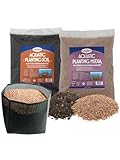
Water lilies are heavy feeders and require nutrient-rich soil to thrive. You can use a specialized aquatic planting mix or create your own by mixing garden soil with compost and a slow-release fertilizer. Avoid using topsoil, which can contain too many organic materials that cloud the water.
The soil should be heavy enough to anchor the water lily and prevent it from floating away. Avoid using potting soil, as it tends to float. Place the soil in a planting container, such as a plastic pot or a woven basket designed for aquatic plants. This container will keep the soil contained and make it easier to manage.
Planting Your Water Lilies
Planting water lilies involves several steps, from selecting the right planting container to positioning the plant in the pond. Properly planting your water lilies ensures they have the best chance to establish themselves and thrive. Following these steps carefully will lead to beautiful blooms.
Water lilies are relatively easy to plant, but paying attention to the details can make a significant difference in their health and appearance. Proper planting is the foundation for a thriving water garden. The steps outlined below will guide you through the planting process.
Choosing a Planting Container
Select a planting container that is the appropriate size for your water lily variety. The container should be large enough to accommodate the plant’s root system without being too cramped. Choose a container with drainage holes to prevent the soil from becoming waterlogged.
Plastic pots or woven baskets are ideal for aquatic plants. Woven baskets allow water to circulate more freely, while plastic pots are durable and easy to clean. Use a container that is sturdy enough to hold the soil and the weight of the plant.
Planting the Water Lily
Fill the planting container with the prepared soil mix, leaving a few inches of space at the top. Remove the water lily from its current container and gently loosen the roots. Place the water lily in the center of the planting container, ensuring the crown (where the leaves emerge) is level with the soil surface.
Cover the roots with soil, pressing gently to secure the plant. Add a layer of gravel or small stones on top of the soil to prevent the soil from floating away and to discourage fish from digging. The gravel layer also helps to keep the soil in place. (See Also: Sweet Potato Harvest: How Many Sweet Potatoes Do You Get From One Plant?)
Positioning the Water Lily in the Pond
Carefully lower the planting container into the pond, ensuring the top of the container is at the appropriate depth for your water lily variety. Hardy water lilies typically prefer depths of 18-36 inches, while tropical lilies may like slightly deeper water.
Position the water lily in a location that receives ample sunlight. Make sure the container is stable and will not tip over. Once the water lily is in place, it will begin to adapt to its new environment and start growing.
Caring for Your Water Lilies
Proper care is essential to ensure your water lilies thrive and provide you with beautiful blooms. This includes regular maintenance tasks such as fertilizing, pruning, and protecting the plants from pests and diseases. Providing the right care will help your water lilies flourish.
Water lilies are relatively low-maintenance plants, but they still require some attention to stay healthy and vibrant. Regular care will help you enjoy the beauty of your water lilies throughout the growing season. The following steps will guide you through the process.
Fertilizing
Water lilies benefit from regular fertilization, especially during the growing season. Use a slow-release fertilizer specifically designed for aquatic plants. Follow the instructions on the fertilizer package to determine the correct dosage and application frequency.
Fertilize your water lilies every few weeks during the growing season (spring and summer). Place fertilizer tablets or spikes near the roots, or mix liquid fertilizer into the water. Regular fertilization provides the nutrients the plants need for healthy growth and abundant blooms.
Pruning
Pruning your water lilies helps to maintain their appearance and encourages new growth. Remove any yellow or damaged leaves regularly. Also, deadhead spent flowers to encourage further blooming. Proper pruning will keep your water lilies looking their best.
Use sharp scissors or pruning shears to make clean cuts. Cut the stems of spent flowers and yellow leaves at the base. Pruning not only improves the appearance of your water lilies but also prevents the spread of diseases and encourages the plant to put its energy into new growth.
Controlling Pests and Diseases
Water lilies can be susceptible to pests and diseases. Common pests include aphids, water lily beetles, and snails. Inspect your plants regularly for signs of infestation. Treat infestations promptly with appropriate methods, such as insecticidal soap or biological controls.
Preventative measures can help to minimize pest and disease problems. Ensure good water quality, provide adequate sunlight, and avoid overcrowding your plants. Choose disease-resistant varieties when possible. Regular monitoring and prompt action will keep your water lilies healthy.
Winterizing Hardy Water Lilies
For hardy water lilies, preparing them for winter is crucial for their survival. In colder climates, you may need to move the plants to a deeper part of the pond or bring them indoors. This protects the rhizomes from freezing temperatures. (See Also: Expert Guide: How to Plant Poplar Trees for Fast Growth)
As the water temperature drops in the fall, your water lilies will start to go dormant. Cut back any dead or yellowing foliage. In regions with harsh winters, consider moving the container to a deeper section of the pond or overwintering the rhizomes in a cool, dark place. This ensures your hardy water lilies will return the following spring.
Common Mistakes to Avoid
Avoiding common mistakes can greatly improve the success of growing water lilies. These mistakes can lead to poor growth, lack of blooms, and even the demise of your plants. Being aware of these pitfalls will help you cultivate beautiful water lilies.
By learning from the experiences of others, you can avoid common errors and increase your chances of success. The following list highlights some common mistakes to avoid when planting and caring for water lilies. Avoiding these mistakes will lead to healthier plants.
- Planting in Shallow Water: Water lilies need adequate depth to thrive. Shallow water can lead to root rot and poor growth.
- Using the Wrong Soil: Avoid using topsoil, which can cloud the water. Use aquatic planting mix or a soil mix that is heavy and nutrient-rich.
- Over-Fertilizing: Excessive fertilization can lead to algae blooms and harm the plants. Follow the fertilizer instructions carefully.
- Ignoring Pests and Diseases: Regular monitoring for pests and diseases is essential. Prompt treatment can prevent serious problems.
- Planting in Shade: Water lilies need ample sunlight to bloom. Ensure they receive at least six hours of direct sunlight daily.
Pro Tips for Thriving Water Lilies
Expert advice can enhance your success in growing water lilies. These pro tips offer valuable insights into the best practices for planting, caring for, and maintaining your water lilies. Following these tips will help you create a stunning water garden.
These tips are based on years of experience and successful water gardening. Implementing these techniques will help you achieve the best results. From selecting the right variety to providing proper care, these tips will guide you towards thriving water lilies.
- Choose the Right Variety: Select a water lily variety suited to your climate and pond size.
- Use Aquatic Planting Mix: This specialized mix provides the right nutrients and prevents water cloudiness.
- Monitor Water Quality: Regularly test your pond water’s pH and nutrient levels.
- Provide Adequate Sunlight: Ensure your water lilies receive at least six hours of direct sunlight.
- Regularly Fertilize: Use a slow-release aquatic fertilizer during the growing season.
- Prune Regularly: Remove yellow leaves and spent flowers to encourage new growth.
Can Water Lilies Grow in a Container?
Yes, water lilies can be successfully grown in containers. Select a container that is large enough to accommodate the plant’s root system and fill it with aquatic planting mix. Make sure the container is placed at the appropriate depth in your pond or water feature, and it receives adequate sunlight.
How Deep Should I Plant My Water Lily?
The planting depth for water lilies depends on the variety. Hardy water lilies typically prefer depths of 18-36 inches, while tropical varieties may prefer slightly deeper water. Always consult the specific planting instructions for the variety you choose to ensure optimal growth.
How Often Should I Fertilize Water Lilies?
Water lilies should be fertilized regularly during the growing season (spring and summer). Use a slow-release fertilizer specifically designed for aquatic plants. Follow the instructions on the fertilizer package, typically fertilizing every few weeks to provide the necessary nutrients for healthy growth and abundant blooms.
Conclusion
Planting and caring for water lilies can be a rewarding experience, providing beauty and tranquility to your water garden. By selecting the right variety, preparing your pond properly, and providing consistent care, you can enjoy the stunning blooms and lush foliage of these aquatic plants. Remember to choose the right variety for your climate and pond size.
With a little effort and attention, you can create a thriving water garden filled with beautiful water lilies. Embrace the process, and enjoy the beauty they bring to your outdoor space. Your dedication will be rewarded with the vibrant colors and graceful forms of these aquatic treasures.
Recommended Products