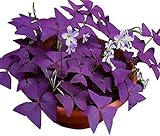
Are you ready to introduce a touch of the exotic and bizarre into your garden? The voodoo lily, scientifically known as Amorphophallus konjac, offers a truly unique gardening experience. This fascinating plant is renowned for its striking appearance and, of course, its infamous, pungent bloom. While it might seem daunting, learning how to plant voodoo lily bulbs is a rewarding endeavor that can transform your landscape.
This comprehensive guide will walk you through every step of the process, ensuring your voodoo lily thrives. From selecting the right bulbs to providing the perfect growing conditions, we’ll cover everything you need to know. Prepare to embark on a journey that culminates in the spectacular, albeit briefly malodorous, display of the voodoo lily.
Get ready to learn about the fascinating world of Amorphophallus konjac and discover the secrets of successfully growing these captivating plants. Let’s dive in and unlock the secrets of how to plant voodoo lily bulbs!
Understanding the Voodoo Lily
Before you even think about planting, it’s essential to understand the voodoo lily. This understanding will help you provide the best possible environment for your plant. Amorphophallus konjac is a tuberous perennial native to Southeast Asia. It’s best known for its unusual flower, which can reach impressive sizes, sometimes up to several feet tall and wide. The flower’s scent, while unpleasant, is a key part of its pollination strategy, attracting carrion-loving insects.
The Unique Life Cycle
The voodoo lily has a distinctive life cycle. The plant spends most of the year as a dormant tuber underground. In spring, a single, large, umbrella-like leaf emerges. This leaf is responsible for photosynthesis, fueling the plant’s growth. After a period of growth, the leaf dies back, and the plant goes dormant again. Then, after a period of dormancy, the flower emerges, often before the leaf.
Why Grow a Voodoo Lily?
There are many compelling reasons to grow a voodoo lily. Its striking appearance offers a unique aesthetic appeal to any garden. The plant’s unusual bloom is a conversation starter and a true spectacle. Moreover, the voodoo lily can be relatively easy to care for, provided you understand its needs.
Common Varieties
While Amorphophallus konjac is the most common species, there are other varieties and hybrids with slight variations in appearance and growing habits. Researching these can help you choose the best type for your garden. Consider factors like size, color, and cold hardiness when making your selection. Some cultivars may have slightly less offensive odors during flowering.
Choosing and Preparing Your Voodoo Lily Bulbs
The success of your voodoo lily begins with selecting healthy bulbs. The quality of your bulbs directly impacts the health and vigor of your plant. This section will guide you through the process of selecting and preparing your voodoo lily bulbs for planting.
Selecting Healthy Bulbs
When purchasing voodoo lily bulbs, choose firm, plump bulbs that are free from any signs of rot or damage. Avoid bulbs that feel soft or have visible mold. The size of the bulb can also indicate its maturity and potential for flowering. Larger bulbs are more likely to produce a flower in the first year.
- Firmness: Bulbs should be solid to the touch.
- No Rot: Avoid bulbs with soft spots or mold.
- Size: Larger bulbs often flower sooner.
- Source: Purchase from reputable nurseries or online vendors.
Pre-Planting Preparation
Before planting, you can prepare the bulbs to encourage quicker growth. This involves inspecting the bulbs and potentially soaking them. This step is not strictly necessary but can give your bulbs a head start.
- Inspection: Carefully examine the bulbs for any damage or signs of disease.
- Soaking (Optional): Soak the bulbs in lukewarm water for about 30 minutes before planting. This rehydrates the bulbs and encourages root development. Be careful not to soak for too long, as this can lead to rot.
- Fungicide Treatment (Optional): If you are concerned about fungal diseases, you can dust the bulbs with a fungicide before planting.
Planting Your Voodoo Lily Bulbs
Planting your voodoo lily bulbs correctly is crucial for their long-term health and success. This section will cover the ideal planting time, location, and the proper planting techniques.
Ideal Planting Time
The best time to plant voodoo lily bulbs is in the spring, after the danger of frost has passed. This allows the bulbs to establish themselves before the onset of hot summer weather. In colder climates, you may want to start the bulbs indoors a few weeks before the last expected frost. (See Also: Unlocking Growth: How to Grow Money Plant From Seed)
Choosing the Right Location
Voodoo lilies thrive in partial shade. Choose a location that receives morning sun and afternoon shade, or dappled sunlight throughout the day. Avoid areas with full sun, as this can scorch the leaves. The soil should be well-draining, as voodoo lilies are susceptible to rot if the soil is too wet.
- Sunlight: Partial shade (morning sun, afternoon shade).
- Soil: Well-draining soil is essential.
- Protection: Protect from strong winds.
Planting Techniques
Planting your voodoo lily bulbs involves a few simple steps. Ensure you plant the bulb at the correct depth and orientation. Proper planting ensures healthy growth and flowering.
- Dig the Hole: Dig a hole that is about twice the diameter of the bulb and about 4-6 inches deep.
- Orientation: Place the bulb in the hole with the pointed end facing upwards.
- Backfill: Cover the bulb with soil, gently patting it down.
- Watering: Water thoroughly after planting.
Caring for Your Voodoo Lily
Once your voodoo lily bulbs are planted, proper care is essential for their growth and flowering. This section will cover watering, fertilizing, and other essential care tips.
Watering Requirements
Voodoo lilies prefer consistent moisture during their growing season. Water deeply when the top inch of soil feels dry. Reduce watering during the plant’s dormant period. Overwatering can lead to rot, so ensure your soil drains well.
Fertilizing Your Voodoo Lily
Fertilize your voodoo lily during the growing season with a balanced, slow-release fertilizer. Follow the instructions on the fertilizer package. Avoid over-fertilizing, as this can damage the plant. A light feeding every few weeks is usually sufficient.
Protecting From Pests and Diseases
Voodoo lilies are relatively pest-free, but they can be susceptible to some common garden pests. Watch out for slugs and snails, which can damage the leaves. Root rot can occur if the soil is too wet. Ensure proper drainage and avoid overwatering to prevent this.
- Slugs and Snails: Use traps or organic slug control methods.
- Root Rot: Ensure well-draining soil and avoid overwatering.
Winter Care and Dormancy
In colder climates, voodoo lilies need special care during the winter. Once the leaves die back in the fall, you can either dig up the bulbs and store them indoors or leave them in the ground with adequate protection. Mulching the area can help protect the bulbs from freezing temperatures.
- Digging and Storage: Dig up the bulbs, clean them, and store them in a cool, dry place.
- In-Ground Protection: Mulch heavily to insulate the bulbs.
What to Do If Your Voodoo Lily Doesn’t Bloom?
If your voodoo lily doesn’t bloom, several factors could be responsible. The bulb may not be mature enough, or it might not be receiving enough sunlight. Insufficient fertilizer or poor soil drainage can also hinder blooming. Proper care and patience are often key to encouraging flowering.
Troubleshooting Common Problems
Even with the best care, you might encounter some problems while growing voodoo lilies. This section addresses some of the most common issues and provides solutions.
Dealing with Rot
Rot is a common problem in voodoo lilies, especially if the soil is too wet. If you notice signs of rot, such as soft, mushy bulbs or yellowing leaves, take action immediately. This often requires digging up the bulb, removing the affected parts, and replanting it in well-draining soil. Ensure proper drainage and avoid overwatering to prevent this issue.
Pest Control
While voodoo lilies are relatively pest-resistant, slugs and snails can sometimes be a problem. These pests can damage the leaves, so it is important to take action if you see any signs of them. Use organic slug control methods, such as beer traps or copper tape, to protect your plants. (See Also: Learn How to Propagate Taro Plant: A Complete Guide)
Leaf Problems
Various leaf problems can occur, including yellowing, browning, or spotting. Yellowing leaves can indicate overwatering or nutrient deficiencies. Browning leaves may be a sign of insufficient water or sunscald. Examine the plant closely and adjust your care accordingly. Addressing these issues early on can help prevent further damage.
Propagating Voodoo Lilies
Once you have a mature voodoo lily, you might want to propagate it to create more plants. Propagation can be done through bulb division or from seed. This section will explain how to propagate your voodoo lily.
Bulb Division
Bulb division is the easiest way to propagate voodoo lilies. Over time, the main bulb may produce smaller offshoots. These offshoots can be separated from the parent bulb and planted. This is best done during the plant’s dormant period, such as in the fall or winter.
- Dig Up the Bulb: Carefully dig up the bulb, taking care not to damage it.
- Separate Offshoots: Gently separate any offshoots from the main bulb.
- Replant: Replant the parent bulb and the offshoots.
Seed Propagation (less Common)
Seed propagation is possible but more challenging. Voodoo lilies produce seeds after flowering, but these seeds need specific conditions to germinate. Germination can be slow and unreliable. It is best to collect seeds from a mature plant and sow them in a well-draining seed-starting mix.
Advanced Voodoo Lily Growing Tips
For experienced gardeners, there are advanced techniques that can further enhance your voodoo lily growing experience. These techniques can help you achieve even better results.
Soil Amendment
Amending your soil can improve its drainage and nutrient content. Adding compost or other organic matter can enhance the soil’s structure and fertility. These amendments can help your voodoo lily thrive by providing the ideal growing conditions.
Container Growing
Voodoo lilies can also be grown in containers. Container growing offers more control over soil conditions and can be beneficial in areas with poor soil. Choose a pot that is large enough to accommodate the bulb and provide adequate drainage. This is a good option for those in colder climates who wish to bring the plant indoors during winter.
Fertilizer Types and Schedules
Experimenting with different fertilizer types and schedules can also improve your voodoo lily’s growth. Consider using a slow-release fertilizer for consistent nutrient delivery. You can also supplement with liquid fertilizers during the growing season. Tailor your feeding schedule to the plant’s needs and the soil conditions.
Frequently Asked Questions (faq)
This section addresses some of the most common questions about growing voodoo lilies, providing quick answers and helpful information.
Q: How big do voodoo lilies get?
A: The size varies depending on the species and growing conditions, but the leaves can reach several feet in diameter, and the flower can be quite tall and wide. (See Also: How to Set Up a Plant Nursery: A Comprehensive Guide)
Q: How long does a voodoo lily bloom last?
A: The bloom typically lasts for a few weeks, but the exact duration can vary.
Q: How often do voodoo lilies bloom?
A: Voodoo lilies typically bloom once a year, but the frequency can depend on the bulb’s maturity and growing conditions.
Q: Are voodoo lilies poisonous?
A: Yes, all parts of the voodoo lily plant are poisonous. Keep the plant away from children and pets, and avoid ingestion.
Q: What is the smell of a voodoo lily like?
A: The flower produces a strong, unpleasant odor that smells like rotting meat. This smell attracts pollinators like carrion beetles.
Conclusion: Cultivating the Extraordinary
Learning how to plant voodoo lily bulbs opens the door to a truly unique gardening experience. By following these steps, you can cultivate these fascinating plants and enjoy their dramatic beauty. Remember to choose healthy bulbs, provide the right growing conditions, and be patient. With a little care, you’ll be rewarded with a spectacular, if brief, olfactory experience. Embrace the unusual and enjoy the journey of growing these remarkable plants!
Recommended Products