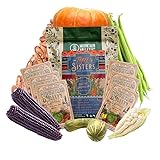
Tired of the same old garden routine? Ready to try something truly unique and rewarding? Then, discover the magic of the Three Sisters: a companion planting technique used for centuries by Native Americans.
This method combines corn, beans, and squash to create a self-sustaining ecosystem. It’s not just about growing food; it’s about building a thriving, mutually beneficial garden. The Three Sisters offer a fascinating blend of history, sustainability, and impressive yields.
Ready to unlock the secrets of this ancient practice and grow a bountiful harvest? This guide will walk you through every step, from selecting the right seeds to harvesting your delicious bounty. Learn how to plant three sisters and experience the joy of a truly collaborative garden!
Understanding the Three Sisters: A Symbiotic Planting System
The “Three Sisters” is an ancient Native American agricultural method, primarily used by the Iroquois, that involves companion planting of corn, beans, and squash together. This technique maximizes yields and promotes soil health by leveraging the unique benefits each plant provides. It’s a sustainable and efficient way to grow food, mirroring the natural harmony found in ecosystems.
The name “Three Sisters” comes from the belief that these three crops are inseparable companions, providing mutual support and sustenance. This method is more than just planting; it’s a holistic approach to gardening that considers the needs of the plants and the environment.
The Roles of the Three Sisters
Each of the three sisters plays a vital role in this companion planting system. Understanding these roles is crucial to successfully implementing the Three Sisters method in your own garden. Each plant contributes to the health and productivity of the others, creating a balanced and thriving ecosystem.
Corn: The Supportive Sister
Corn serves as the structural support for the climbing beans. The tall, sturdy stalks provide a natural trellis, eliminating the need for separate poles or trellises. This allows the beans to climb and receive ample sunlight, promoting vigorous growth and bean production.
Corn also provides a degree of shade to the squash plants, helping to retain moisture in the soil. Choose a corn variety that grows tall and strong, but isn’t overly dense, to allow for good air circulation and sunlight penetration for the other plants.
Beans: The Nitrogen-Fixing Sister
Beans are the nitrogen-fixing component of the Three Sisters. They take nitrogen from the air and convert it into a form that the other plants can use. Nitrogen is essential for plant growth, particularly for leafy vegetables like corn and squash.
As the beans climb the corn stalks, they also help to stabilize the corn plants, preventing them from being blown over by wind. Bush bean varieties can also be used, though they don’t provide the same climbing support to corn stalks.
Squash: The Ground-Covering Sister
Squash acts as a ground cover, suppressing weeds and retaining soil moisture. The large leaves of the squash plants shade the soil, reducing the need for frequent watering and preventing weeds from sprouting. This helps to conserve water and reduces the amount of work required for weeding. (See Also: How Long Does a Weed Plant Take to Grow? A Simple Guide)
The prickly vines of the squash also help to deter pests and animals from the garden. The squash plants also help to prevent soil erosion by covering the ground, protecting the soil from wind and rain.
Choosing the Right Varieties
Selecting the right varieties of corn, beans, and squash is essential for the success of the Three Sisters method. Consider factors like climate, growing season length, and personal preferences when making your selections. Careful planning ensures each plant thrives, maximizing your harvest.
Corn Varieties
Choose a corn variety that grows tall and sturdy enough to support the bean vines. Flint corn and dent corn are good choices, as they have strong stalks. Avoid sweet corn varieties, as they tend to have weaker stalks. Consider the maturity dates of the corn and other plants to ensure they all mature around the same time.
- Heirloom Varieties: These often have the characteristics needed.
- Open-pollinated Varieties: You can save seeds for future use.
- Local Adaptations: Consider varieties suited to your region’s climate.
Bean Varieties
Pole beans are the best choice for the Three Sisters method, as they climb the corn stalks. Choose a bean variety that is a good producer and has a flavor you enjoy. Consider the maturity dates of the beans to ensure they mature around the same time as the corn and squash.
- Pole Beans: Essential for climbing the corn.
- Nitrogen-Fixing Capabilities: Choose varieties known for this.
- Flavor and Yield: Select based on your preferences.
Squash Varieties
Choose a squash variety that has a spreading habit to cover the ground and suppress weeds. Winter squash varieties are often preferred. Consider the size of the squash plants to ensure they don’t overcrowd the other plants. Think about storage and culinary uses when selecting squash.
- Winter Squash: Provides excellent ground cover.
- Bush Varieties (less common): Consider if space is limited.
- Edible Qualities: Choose varieties you enjoy eating.
Step-by-Step Planting Guide
Planting the Three Sisters requires careful planning and execution. Following these steps will help you establish a thriving garden. Proper spacing and timing are critical for maximizing yields and ensuring the plants support each other effectively.
- Prepare the Soil: Choose a sunny location with well-draining soil. Amend the soil with compost or other organic matter to improve fertility and drainage.
- Plant the Corn: Plant corn seeds first, spacing them according to the variety’s instructions. Plant 4-6 corn seeds in hills about 18-24 inches apart.
- Plant the Beans: Once the corn seedlings are 4-6 inches tall, plant the bean seeds around the base of the corn stalks. Plant 4-6 bean seeds per hill, spacing them evenly around the corn.
- Plant the Squash: After the corn and beans have sprouted, plant the squash seeds around the perimeter of the corn and bean hills. Plant 4-6 squash seeds per hill, spacing the hills about 3-4 feet apart.
- Water and Weed: Water the plants regularly, especially during dry periods. Weed around the plants as needed, especially during the early stages of growth, before the squash leaves cover the ground.
- Harvest: Harvest the corn when the silks turn brown and the kernels are plump. Harvest the beans when the pods are full. Harvest the squash when the fruits are mature and the rinds are hard.
Maintaining Your Three Sisters Garden
Once planted, your Three Sisters garden requires ongoing care to ensure a bountiful harvest. Regular maintenance, including watering, weeding, and pest control, will help your plants thrive. Consistent effort guarantees a successful and productive garden.
Watering
Water the plants regularly, especially during dry periods. Water deeply, soaking the soil around the roots. Avoid overhead watering, which can lead to fungal diseases. Monitor the soil moisture and adjust your watering schedule accordingly.
Weeding
Weed around the plants regularly, especially during the early stages of growth, before the squash leaves cover the ground. Weeding helps to prevent competition for nutrients and water. Mulching around the plants can also help to suppress weeds.
Pest and Disease Control
Monitor the plants for pests and diseases. Use organic pest control methods, such as handpicking pests or using insecticidal soap. Promote air circulation to prevent fungal diseases. Rotate crops each year to reduce pest and disease pressure. (See Also: Basil Growth: How Big Can a Basil Plant Get?)
Common Mistakes to Avoid
Avoiding common mistakes can greatly improve your success with the Three Sisters method. Recognizing these pitfalls helps you to adjust your practices for optimal results. Careful planning and attention to detail are key.
Planting Too Early: Wait until the soil has warmed up before planting, especially in colder climates. Cold soil can hinder germination and growth.
Overcrowding: Ensure adequate spacing between plants to prevent overcrowding and allow for good air circulation. This helps to reduce the risk of diseases.
Ignoring Soil Needs: Amend the soil with compost or other organic matter to improve fertility and drainage. Healthy soil is essential for plant growth.
Neglecting Pest Control: Regularly inspect plants for pests and diseases. Take action early to prevent infestations from spreading. Consider companion planting for pest control.
Using the Wrong Varieties: Select corn, bean, and squash varieties that are compatible and suited to your climate and growing conditions.
Pro Tips for a Bountiful Harvest
Expert advice can enhance your Three Sisters gardening experience. These pro tips will help you maximize your yields and enjoy a thriving garden. Implement these strategies for a truly successful harvest.
Amend the Soil: Before planting, enrich the soil with compost and other organic matter to provide essential nutrients and improve drainage. This creates a healthy environment for your plants.
Mulch Generously: Apply a thick layer of mulch around the plants to suppress weeds, retain moisture, and regulate soil temperature. This reduces the need for watering and weeding.
Succession Planting: Consider succession planting to extend your harvest. Plant a new batch of beans every few weeks to ensure a continuous supply. This maximizes your garden’s productivity. (See Also: Carrot Planting Guide: How Far Apart to Plant Carrots?)
Companion Planting: Incorporate other companion plants to benefit your Three Sisters. For example, sunflowers can attract pollinators, and marigolds can deter pests. This creates a balanced ecosystem.
Observe and Learn: Pay attention to your garden and learn from your experiences. Adjust your practices based on what you observe and discover. Gardening is a continuous learning process.
Benefits of the Three Sisters Method
The Three Sisters method offers numerous advantages, making it a sustainable and effective gardening practice. From environmental benefits to increased yields, this method provides a variety of rewards. It’s a method that benefits both the environment and the gardener.
- Increased Yields: The symbiotic relationship between the plants leads to higher overall yields. Each plant supports the others, leading to increased productivity.
- Reduced Need for Fertilizers: The beans fix nitrogen in the soil, reducing the need for artificial fertilizers. This is a sustainable approach to soil fertility.
- Weed Suppression: The squash plants act as a ground cover, suppressing weeds and reducing the need for weeding. This saves time and effort.
- Water Conservation: The squash leaves shade the soil, helping to retain moisture and reduce the need for watering. This conserves water resources.
- Soil Health: The method improves soil structure and fertility. The plants work together to create a healthy soil ecosystem.
- Biodiversity: The Three Sisters method promotes biodiversity in the garden, creating a more balanced and resilient ecosystem. This benefits the environment.
Here are some of the most common questions about the Three Sisters method. Understanding these answers will help you succeed with this gardening technique. Knowing the answers to these FAQs helps clarify any confusion.
What If I Don’t Have Enough Space for the Three Sisters?
If space is limited, you can adapt the Three Sisters method to a smaller area. Consider using dwarf corn varieties, bush beans, and compact squash varieties. Vertical gardening techniques, such as growing beans on trellises, can also help maximize space. You can also plant a smaller number of hills or use containers.
Can I Use Different Types of Beans and Squash?
Yes, you can experiment with different varieties of beans and squash, but it’s important to choose varieties that are compatible with the corn. Pole beans are the best choice for climbing the corn stalks. For squash, choose varieties that have a spreading habit to cover the ground and suppress weeds. Ensure that the varieties mature around the same time.
How Do I Know When to Harvest Each Crop?
Harvest corn when the silks turn brown and the kernels are plump. Harvest beans when the pods are full. Harvest squash when the fruits are mature and the rinds are hard. The timing of harvest depends on the variety and the local climate. Observe the plants carefully for signs of maturity.
Conclusion
The Three Sisters method is a time-tested and sustainable gardening practice that offers numerous benefits. By understanding the roles of corn, beans, and squash, and following the planting guidelines, you can create a thriving and productive garden. Embrace this ancient wisdom and enjoy the rewards of a harmonious and abundant harvest.
Start planting your own Three Sisters garden today and experience the joy of growing food in a sustainable and interconnected way! Happy gardening!
Recommended Products