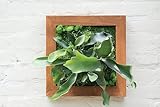
Are you captivated by the majestic presence of staghorn ferns, with their antler-like fronds and unique aesthetic? These epiphytic plants, native to tropical and subtropical regions, can transform any space into a lush, vibrant oasis. Their unusual growth habit, thriving without soil, presents a fascinating challenge and reward for any plant enthusiast. Learning how to plant staghorn fern is an exciting journey into the world of creative gardening.
This comprehensive guide will walk you through every step, from selecting the right fern and mounting materials to providing optimal care for thriving growth. We’ll delve into the secrets of successful planting, addressing common pitfalls and offering expert tips for long-term health. Whether you’re a seasoned gardener or a curious beginner, this article will equip you with the knowledge and confidence to cultivate a stunning staghorn fern display.
Get ready to elevate your home decor with these captivating plants. Discover the joy of nurturing these botanical wonders and creating a living work of art. Understanding how to plant staghorn fern will allow you to enjoy these plants for years to come.
Choosing the Right Staghorn Fern and Preparing for Planting
Before you begin, selecting the right staghorn fern is crucial for success. There are several species and cultivars to choose from, each with unique characteristics. Consider the size of your space, the climate, and your personal preferences when making your selection. This initial decision sets the stage for a flourishing plant.
Identifying Staghorn Fern Varieties
The most common staghorn fern species is Platycerium bifurcatum, known for its relatively easy care and adaptability. Other popular choices include Platycerium superbum (the Australian staghorn), which is larger and has more upright fronds, and Platycerium willinckii (the Java staghorn), prized for its graceful, cascading appearance. Some varieties are more cold-hardy than others, so research your local climate and find a species that can thrive in your environment.
Consider the mature size of the fern. Some varieties can grow quite large, requiring ample space. If you’re new to staghorn ferns, starting with a smaller, more manageable species like Platycerium bifurcatum is often recommended. Researching the different types of staghorn ferns is a fun and rewarding process.
Selecting Your Staghorn Fern
When purchasing your fern, inspect it carefully. Look for a healthy plant with vibrant green fronds and no signs of pests or diseases. The shield fronds (the basal, rounded fronds) should be intact and healthy, as these are crucial for anchoring the plant and absorbing nutrients. Avoid ferns with brown or yellowing fronds, which may indicate stress or poor health.
Check the roots. They should be firm and not mushy. Also, make sure the fern is not root-bound in its container. A healthy root system is essential for the fern’s long-term survival. Ideally, choose a fern from a reputable nursery or plant seller. This will increase your chances of getting a healthy plant.
Gathering Planting Materials
You’ll need a few essential materials to plant your staghorn fern. The most common method involves mounting the fern, which mimics its natural epiphytic lifestyle. Gather these items before beginning:
- Mounting Surface: This could be a piece of wood (such as cedar, redwood, or driftwood), a wire basket, or a specialized staghorn fern mounting board.
- Mounting Medium: Sphagnum moss is the most common and effective medium. It retains moisture well and provides a suitable environment for root growth.
- Fastening Materials: Fishing line, monofilament, or landscape staples are ideal for securing the fern to the mounting surface. Avoid using metal staples that might rust.
- Watering Can or Spray Bottle: To thoroughly moisten the sphagnum moss.
- Gloves: To protect your hands from any potential irritants in the sphagnum moss.
- Optional: Fertilizer specifically formulated for epiphytes or ferns.
Having all of these materials readily available will streamline the planting process, making it easier and more enjoyable. Taking the time to gather everything ahead of time will prevent any interruptions during planting.
Mounting Your Staghorn Fern: Step-by-Step Guide
Mounting a staghorn fern is a rewarding process that allows you to showcase its unique form. Here’s a step-by-step guide to help you do it successfully.
Preparing the Mounting Surface
If you’re using a wooden mounting surface, ensure it’s clean and free of splinters. If using driftwood, make sure it is stable and can support the weight of the fern. Some people prefer to pre-drill holes in the wood to make it easier to secure the fern. This step is key for a stable and aesthetically pleasing mount.
If using a wire basket, make sure the basket is sturdy and the wire is not sharp. If necessary, line the basket with landscape fabric to help retain moisture. The choice of mounting surface will influence the final look of your fern.
Preparing the Sphagnum Moss
Soak the sphagnum moss in water until it’s thoroughly saturated. Gently squeeze out the excess water, leaving the moss moist but not dripping wet. This will create a moist environment for the fern’s roots. Properly preparing the moss is crucial for the fern’s hydration and overall health. (See Also: Mastering the Garden: How to Plant Cucumber Seedlings)
This process ensures the moss can effectively retain moisture. Overly dry moss will not provide adequate hydration for the fern. Too much water, however, can lead to root rot. Aim for a consistently moist, but not soggy, texture.
Positioning the Fern and the Moss
Carefully remove the staghorn fern from its container, gently loosening the roots if necessary. Place the fern on the mounting surface, ensuring the shield fronds are facing the surface. This is how the fern naturally grows. The shield fronds are designed to adhere to the mounting surface, providing support and absorbing nutrients.
Surround the fern’s roots and the base of the plant with the prepared sphagnum moss. Ensure the roots are well-covered, creating a cushion and providing moisture. Pack the moss firmly, but not too tightly, allowing for air circulation.
Securing the Fern to the Mounting Surface
Using your chosen fastening material (fishing line, monofilament, or landscape staples), begin securing the fern to the mounting surface. Start by anchoring the shield fronds to the surface, gently but firmly. This will help hold the fern in place and encourage its natural growth.
Continue to secure the fern, working your way around the base and the roots. Make sure the moss is held in place around the roots. Ensure the fern is snug against the mounting surface, but avoid overtightening the fastening material, which could damage the plant. The goal is to create a secure, stable environment for the fern to thrive.
Final Touches and Watering
Once the fern is securely mounted, give it a thorough watering. Use a spray bottle or watering can to moisten the moss, ensuring it’s evenly damp. Avoid overwatering, which can lead to root rot. Place your newly mounted staghorn fern in a location with appropriate light and air circulation.
Consider misting the fern regularly, especially in dry environments. This helps maintain humidity around the plant and promotes healthy growth. Regular watering and misting are critical in the initial weeks after mounting.
Caring for Your Mounted Staghorn Fern
After planting, proper care is essential for your staghorn fern’s long-term health and beauty. This includes providing the right amount of light, water, and nutrients.
Light Requirements
Staghorn ferns thrive in bright, indirect light. Avoid direct sunlight, which can scorch the fronds. An east-facing window is often ideal, providing morning sun and filtered light throughout the day. South-facing windows can work, but you may need to filter the light with a sheer curtain.
Insufficient light can lead to slow growth and a lack of vigor. If you notice your fern is not thriving, consider moving it to a location with more light. Conversely, too much direct sunlight can cause the fronds to turn yellow or brown. Finding the right balance is key to success.
Watering Techniques
Water your staghorn fern when the sphagnum moss begins to dry out. The frequency of watering will depend on the climate, humidity, and the size of the fern. In general, water every 1-2 weeks, or when the moss feels dry to the touch.
Water thoroughly, allowing the water to soak into the moss. Avoid getting water on the fronds, as this can lead to rot. Ensure the water drains properly. You can also mist the fern regularly to increase humidity. Remember to adjust your watering schedule based on the season and your plant’s specific needs.
Fertilizing Your Fern
Staghorn ferns benefit from occasional fertilization. Use a balanced liquid fertilizer diluted to half strength. Apply the fertilizer during the growing season (spring and summer) every 2-4 weeks. Avoid fertilizing during the dormant season (fall and winter). (See Also: How to Save Pumpkin Seeds to Plant Next Year: A Complete Guide)
Over-fertilizing can lead to salt buildup in the moss, which can harm the plant. Always follow the fertilizer’s instructions carefully. Consider using a fertilizer specifically designed for epiphytes or ferns. Fertilizing will provide the necessary nutrients for healthy growth and vibrant fronds.
Humidity and Air Circulation
Staghorn ferns appreciate high humidity. If you live in a dry climate, consider using a humidifier or placing a tray of water near the plant. Good air circulation is also important to prevent fungal diseases. Ensure the plant has adequate airflow. Avoid placing the fern in a stagnant environment.
Proper humidity and air circulation are crucial for preventing fungal diseases. Regularly misting the fern, especially during dry periods, can also help maintain the ideal humidity levels. Air circulation also helps the moss to dry out properly between waterings.
Pruning and Maintenance
Remove any dead or decaying fronds regularly. This helps maintain the plant’s appearance and prevents the spread of disease. You can also prune the antlers (the large, forked fronds) to control the plant’s size and shape. Use clean, sharp scissors or pruning shears for this purpose.
Inspect your fern regularly for pests and diseases. Common pests include scale, mealybugs, and spider mites. Treat any infestations promptly with an appropriate insecticide or horticultural oil. Early detection and treatment are crucial for maintaining a healthy plant.
Common Problems and Solutions
Even with the best care, staghorn ferns can sometimes encounter problems. Knowing how to address these issues is essential for long-term success.
Yellowing or Browning Fronds
Yellowing or browning fronds can indicate several issues. Overwatering or underwatering are common causes. Adjust your watering schedule accordingly. Insufficient light or too much direct sunlight can also cause these symptoms. Relocate the fern to a more suitable location.
Nutrient deficiencies or pest infestations can also be responsible. Check for pests and treat them promptly. Consider fertilizing the fern if you suspect a nutrient deficiency. Addressing the root cause of the problem is essential for restoring your fern’s health.
Root Rot
Root rot is caused by overwatering and poor drainage. The fronds may turn brown and the base of the plant may become mushy. If you suspect root rot, remove the fern from its mount and inspect the roots. Trim away any affected roots and repot the fern with fresh sphagnum moss.
Prevent root rot by allowing the moss to dry out slightly between waterings. Ensure good air circulation around the plant. Addressing root rot promptly is crucial, as it can be fatal if left untreated.
Pest Infestations
Scale, mealybugs, and spider mites can infest staghorn ferns. Inspect your fern regularly for these pests. Treat any infestations promptly with an appropriate insecticide or horticultural oil. Isolate the affected plant to prevent the spread of pests to other plants.
Regularly cleaning the fronds with a damp cloth can help prevent pest infestations. Early detection and treatment are crucial for minimizing damage to the plant. Consider using a systemic insecticide if the infestation is severe.
Lack of Growth
If your staghorn fern is not growing, it may be due to insufficient light, nutrient deficiencies, or inadequate watering. Relocate the fern to a brighter location, fertilize it regularly during the growing season, and adjust your watering schedule as needed. (See Also: How to Plant Peppers in a Pot: A Complete Guide)
Ensure that the fern has sufficient space to grow. Repotting the fern with fresh sphagnum moss can also stimulate growth. Providing the right conditions will help your fern to thrive. Patience is key, as staghorn ferns can be slow growers.
Troubleshooting Tips
Here are some additional tips for troubleshooting common issues:
- Check the Moss: Ensure the sphagnum moss is not compacted or decaying. Repot if necessary.
- Adjust Watering: Fine-tune your watering schedule based on the season and your plant’s needs.
- Monitor Light: Observe the fern’s response to light levels and adjust its location accordingly.
- Inspect for Pests: Examine the fronds and the base of the plant for pests and diseases.
- Consider Fertilizer: Use a balanced fertilizer during the growing season to promote healthy growth.
By following these tips, you can address most common problems and ensure your staghorn fern thrives. Regular observation and prompt action are key to maintaining a healthy and beautiful plant. Don’t be afraid to experiment and learn from your experiences.
Where to Display Your Staghorn Fern
The unique appearance of staghorn ferns makes them a stunning addition to any space. Consider these display options:
Indoor Display
Mount your staghorn fern on a wall, creating a living work of art. Place it in a well-lit area, such as a living room or a sunroom. Consider using a decorative frame or backing to enhance its visual appeal. Indoor displays offer a controlled environment for your fern.
Hanging your staghorn fern from the ceiling is another option. This allows the plant to cascade, creating a dramatic effect. Ensure the location receives adequate light and has good air circulation. Indoor displays offer protection from the elements.
Outdoor Display
If your climate permits, staghorn ferns can also be displayed outdoors. Choose a location that provides partial shade and protection from strong winds. Mount the fern on a tree trunk or a shaded wall. Outdoor displays can create a tropical oasis.
Consider the temperature and humidity requirements of your fern. Protect the plant from extreme temperatures and direct sunlight. Outdoor displays require more careful monitoring and maintenance. Bring your fern indoors if the temperatures drop too low.
Creative Display Ideas
Experiment with different mounting surfaces, such as driftwood, metal frames, or custom-designed boards. Group multiple staghorn ferns together to create a stunning display. Use a variety of sizes and species to add visual interest.
Incorporate the fern into a living wall or a vertical garden. Combine it with other plants that thrive in similar conditions. Let your creativity guide you. The possibilities are endless. Don’t be afraid to experiment with different design elements.
Conclusion: Cultivating a Thriving Staghorn Fern
Learning how to plant staghorn fern is a rewarding journey, transforming any space into a vibrant and unique display. By following these steps and providing consistent care, you can enjoy the beauty of these remarkable plants for years to come. Remember to monitor your fern’s needs and adjust your care routine as necessary. The key is to provide the right environment, and you’ll be rewarded with a stunning, thriving plant.
Recommended Products