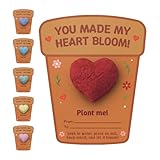
Tired of paper that just ends up in the recycling bin? Imagine turning your discarded stationery into a vibrant garden! Seeded paper, also known as plantable paper, offers a unique and eco-friendly alternative. This innovative material is embedded with tiny seeds, ready to sprout and flourish when planted.
This comprehensive guide will walk you through everything you need to know about how to plant seeded paper successfully. From selecting the right paper and seeds to providing optimal growing conditions, we’ll cover it all. Get ready to transform your paper waste into a blossoming testament to sustainability and natural beauty.
Whether you’re a seasoned gardener or a complete beginner, planting seeded paper is a rewarding experience. It’s a fantastic way to engage with nature, teach children about the life cycle of plants, and contribute to a greener planet. Let’s delve into the process and cultivate a little bit of magic together!
Choosing the Right Seeded Paper
Before you even think about getting your hands dirty, the first step in learning how to plant seeded paper is selecting the right kind. Not all seeded paper is created equal. The quality of the paper, the type of seeds embedded, and the overall construction of the paper significantly impact your success. Consider these factors when making your selection:
Seed Varieties
The type of seeds embedded in the paper is perhaps the most critical factor. Different seeds thrive in different climates and conditions. Common seed varieties include wildflowers, herbs, and vegetables. Consider your local climate and planting season when choosing a paper with appropriate seeds. Think about what you want to grow.
- Wildflower Mix: These are popular and generally adaptable to various climates. They offer a beautiful, diverse display of blooms.
- Herb Seeds: Perfect for culinary enthusiasts, herb-seeded paper can yield basil, parsley, chives, and other flavorful additions to your kitchen.
- Vegetable Seeds: If you have a small garden or a sunny balcony, consider seeded paper with vegetable seeds like tomatoes, peppers, or lettuce.
- Native Species: Planting native species supports local ecosystems and provides food and shelter for native wildlife.
Check the packaging to see what seeds are included and if they are appropriate for your region. Be sure to consider the USDA hardiness zone for your area.
Paper Quality and Composition
The paper itself plays a crucial role in germination and growth. Look for paper that is made from recycled materials or is sustainably sourced. Thicker paper may require more moisture to break down, while thinner paper might decompose more quickly. Ensure the paper is porous enough for roots to penetrate easily.
Consider the paper’s texture and weight. Some seeded papers are embedded with visible seeds, while others have them subtly integrated. The paper should be biodegradable and free of harmful chemicals that could inhibit seed germination or harm the environment. Check the packaging to see what the paper is made of.
Seed Paper Formats
Seeded paper comes in various formats, including:
- Cards: Perfect for greeting cards, invitations, and promotional materials.
- Tags: Great for labeling plants or adding a special touch to gifts.
- Shapes: Available in various cut-out shapes, adding a creative element to your planting.
- Sheets: Larger sheets ideal for more extensive planting projects or creating personalized designs.
The format you choose will depend on your project and the space available for planting.
Where to Buy Seeded Paper
Seeded paper is readily available from various sources:
- Online Retailers: Amazon, Etsy, and specialty seed paper websites offer a wide selection.
- Local Garden Centers: Some garden centers may carry seeded paper, especially during spring.
- Craft Stores: Craft stores often stock seeded paper for various projects.
- Eco-Friendly Stationery Shops: These shops frequently carry sustainable and plantable paper products.
Compare prices, read reviews, and check the seed varieties before making your purchase. Consider purchasing from a reputable seller that offers detailed information about the paper and seeds.
Preparing the Planting Site
Once you have your seeded paper, the next step in learning how to plant seeded paper is preparing the planting site. This involves choosing the right location, preparing the soil, and gathering the necessary supplies. Proper preparation ensures optimal conditions for seed germination and plant growth.
Choosing the Right Location
The ideal location for planting seeded paper depends on the seed variety. Consider these factors: (See Also: Osrs: How to Plant Tree – a Comprehensive Guide)
- Sunlight: Most seeds require sunlight for germination and growth. Check the seed packet for specific sunlight requirements. Some seeds prefer full sun (6+ hours per day), while others thrive in partial shade (3-6 hours per day).
- Soil: The soil should be well-draining, fertile, and free of weeds.
- Water Access: Ensure easy access to water for regular watering.
- Climate: Consider your local climate and the seeds’ hardiness. Some seeds are best planted in spring, while others prefer fall.
- Space: Provide enough space for the plants to grow to their mature size.
If planting outdoors, choose a location that receives the appropriate amount of sunlight, has well-draining soil, and is protected from harsh weather conditions. If planting indoors, select a sunny windowsill or use grow lights to supplement natural light.
Soil Preparation
Preparing the soil is crucial for successful seed germination. Follow these steps:
- Clear the Area: Remove any weeds, rocks, and debris from the planting area.
- Loosen the Soil: Use a garden fork or trowel to loosen the soil to a depth of 6-8 inches. This improves drainage and allows roots to penetrate easily.
- Amend the Soil (Optional): If your soil is poor, amend it with compost, well-rotted manure, or other organic matter. This improves soil fertility and drainage.
- Level the Surface: Rake the soil surface to create a level planting bed.
For indoor planting, use a well-draining potting mix. Avoid using garden soil in containers, as it can compact and hinder drainage.
Gathering Supplies
You’ll need a few essential supplies:
- Watering Can or Spray Bottle: For gently watering the paper.
- Trowel or Garden Fork: For soil preparation.
- Optional: Compost or other organic matter for soil amendment.
- Optional: Small pots or containers for starting seeds indoors.
- Optional: Plant markers to identify the seeds you are planting.
Planting Seeded Paper: Step-by-Step Guide
Now, let’s get to the exciting part: learning how to plant seeded paper! Follow these steps for the best results:
Step 1: Prepare the Paper
Before planting, you may need to prepare the seeded paper. This is especially true for thicker paper or paper that is not pre-cut.
- Cut or Tear the Paper: If the paper is in a large sheet or a shape that needs to be divided, carefully cut or tear it into smaller pieces.
- Soak the Paper (Optional): Some people recommend soaking the paper in water for a short time before planting to help it break down. However, this is not always necessary and can depend on the paper’s thickness and the seed type.
Handle the paper gently to avoid damaging the seeds.
Step 2: Plant the Paper
Here’s how to plant the paper:
- Outdoor Planting:
- Place the Paper: Lay the seeded paper flat on the prepared soil surface. Ensure good contact between the paper and the soil.
- Cover with Soil: Gently cover the paper with a thin layer (about 1/4 inch) of soil. This helps protect the seeds and provides the necessary moisture for germination.
- Water Gently: Use a watering can or spray bottle to gently water the area. Avoid disturbing the paper or washing away the soil.
- Indoor Planting (in Pots/Containers):
- Fill the Pot: Fill the pot or container with a well-draining potting mix.
- Place the Paper: Lay the seeded paper on the surface of the potting mix.
- Cover with Soil: Lightly cover the paper with a thin layer of potting mix (about 1/4 inch).
- Water Gently: Water the soil thoroughly, ensuring the paper is moistened.
Make sure the paper is in good contact with the soil. This facilitates root growth.
Step 3: Watering
Proper watering is critical for seed germination and plant growth. Here’s how to water your seeded paper:
- Initial Watering: After planting, water the paper thoroughly but gently. The soil should be moist but not waterlogged.
- Regular Watering: Keep the soil consistently moist during the germination period. This usually takes 7-21 days, depending on the seed type and environmental conditions. Check the soil daily and water when the surface feels dry to the touch.
- Avoid Overwatering: Overwatering can lead to seed rot and fungal diseases. Ensure good drainage.
- Watering Technique: Use a watering can with a rose head or a spray bottle to water gently. This prevents disturbing the paper and washing away the soil.
Monitor the soil moisture levels regularly and adjust your watering schedule as needed.
Step 4: Sunlight and Care
Once the seeds have germinated, provide the following care:
- Sunlight: Place the planted paper in a location that receives the appropriate amount of sunlight, according to the seed packet’s instructions.
- Thinning (If Necessary): Once the seedlings emerge, you may need to thin them out if they are overcrowded. This allows the remaining plants to grow stronger.
- Fertilizing (Optional): If the soil is poor, you can fertilize the plants with a balanced fertilizer. Follow the fertilizer’s instructions carefully.
- Weeding: Remove any weeds that may compete with the seedlings for resources.
- Protection: Protect the seedlings from pests and diseases.
Provide the plants with the necessary support as they grow, such as staking taller plants or providing support for climbing vines. (See Also: Cytokinesis: How Does It Differ in Plant & Animal Cells?)
Troubleshooting Common Problems
Even with the best intentions, you might encounter some challenges when planting seeded paper. Here are some common problems and how to address them:
Failure to Germinate
If your seeds don’t germinate, consider these possible causes and solutions:
- Insufficient Moisture: Ensure the soil is consistently moist during the germination period. Water gently and regularly.
- Poor Soil Contact: Make sure the paper is in good contact with the soil. Gently press the paper down to improve contact.
- Too Much or Too Little Sunlight: Check the seed packet for the specific sunlight requirements. Adjust the location accordingly.
- Old Seeds: Seeds have a limited shelf life. Use fresh seeds for the best results.
- Temperature Issues: Some seeds require specific temperatures for germination. Check the seed packet for temperature recommendations.
Patience is key. Sometimes, it takes a little longer for seeds to sprout.
Slow Growth
If the seedlings are growing slowly, consider these factors:
- Poor Soil: Amend the soil with compost or other organic matter to improve fertility.
- Insufficient Sunlight: Ensure the plants receive the appropriate amount of sunlight.
- Nutrient Deficiency: Fertilize the plants with a balanced fertilizer.
- Pest Infestation: Check for pests and take appropriate measures to control them.
- Root Bound: If planting in a container, the roots might be root-bound. Transplant to a larger pot.
Observe the plants and address any underlying issues promptly.
Pest and Disease Problems
Pests and diseases can affect your plants. Here’s how to manage them:
- Inspect Regularly: Check your plants regularly for signs of pests or diseases.
- Identify the Problem: Determine the specific pest or disease.
- Use Appropriate Control Measures: Choose the appropriate control measures, such as:
- Organic Pesticides: Use organic pesticides like insecticidal soap or neem oil.
- Manual Removal: Remove pests by hand.
- Disease-Resistant Varieties: Choose disease-resistant varieties if available.
- Improve Air Circulation: Improve air circulation to prevent fungal diseases.
Early detection and prompt action are crucial for preventing major problems.
Weeds
Weeds can compete with your seedlings for resources. Here’s how to manage them:
- Remove Weeds Regularly: Pull weeds by hand or use a hoe to remove them.
- Mulch (Optional): Apply mulch to the soil surface to suppress weed growth.
- Prevent Weeds: Take steps to prevent weeds from spreading.
Weed control is an ongoing process.
Advanced Tips and Tricks
Once you’ve mastered the basics of how to plant seeded paper, you can explore some advanced techniques to enhance your success:
Choosing the Right Time to Plant
The best time to plant seeded paper depends on the seed variety and your local climate. Generally, spring and fall are ideal planting seasons. Spring is often best for wildflowers, herbs, and vegetables. Consider the last frost date for your area.
- Spring Planting: Plant after the last frost date, when the soil has warmed up.
- Fall Planting: Plant in early fall for some varieties, allowing seeds to germinate and establish roots before winter.
- Indoor Starting: You can start seeds indoors a few weeks before the last frost date to give them a head start.
Check the seed packet for specific planting time recommendations.
Creating a Miniature Garden
Seeded paper can be used to create miniature gardens in small pots or containers. This is a great option for people with limited space or those who want to control the growing environment more closely. Choose a container with good drainage, fill it with potting mix, and plant the seeded paper according to the instructions above. (See Also: How to Plant Yarrow: A Simple Guide for Stunning Blooms)
Consider the size of the plants when selecting the container. Choose a container that’s large enough for the mature size of the plants.
Using Seeded Paper for Special Occasions
Seeded paper is perfect for various special occasions, such as:
- Wedding Favors: Give guests plantable favors as a unique and eco-friendly memento.
- Birthday Cards: Send a birthday card that can grow into a beautiful plant.
- Thank-You Notes: Show your appreciation with a plantable thank-you note.
- Invitations: Make your invitations memorable and sustainable.
- Promotional Materials: Use seeded paper for business cards, brochures, or other marketing materials.
Customize the paper with personalized messages or designs to make it even more special.
Seed Paper and Children
Planting seeded paper is a great activity for children. It teaches them about the life cycle of plants and the importance of sustainability. Involve children in the entire process, from choosing the paper and seeds to planting and caring for the plants. This is a fun and educational activity for all ages.
Make it a fun learning experience by explaining each step and allowing them to participate.
Common Questions About Planting Seeded Paper
Here are some frequently asked questions about planting seeded paper:
How Long Does It Take for Seeded Paper to Grow?
The time it takes for seeded paper to grow depends on the seed variety and environmental conditions. Generally, germination can occur within 7-21 days. Full growth can take several weeks or months, depending on the plant type.
What Kind of Soil Is Best for Seeded Paper?
Well-draining soil is best. For outdoor planting, amend the soil with compost or other organic matter. For indoor planting, use a well-draining potting mix.
How Much Water Does Seeded Paper Need?
Keep the soil consistently moist during the germination period. Once the seedlings emerge, water as needed, allowing the soil to dry slightly between waterings. Avoid overwatering.
Can I Plant Seeded Paper Indoors?
Yes, you can plant seeded paper indoors. Use a pot or container with drainage holes, fill it with potting mix, and follow the planting instructions. Make sure to provide adequate sunlight or use grow lights.
What Should I Do If My Seeded Paper Doesn’t Grow?
If your seeded paper doesn’t grow, check the following:
- Moisture: Ensure the soil is consistently moist during germination.
- Sunlight: Make sure the paper is getting the right amount of sunlight.
- Soil Contact: Ensure the paper is in good contact with the soil.
- Seed Age: Check the seed’s expiration date.
Be patient, as germination can sometimes take time.
Conclusion
Planting seeded paper is a straightforward yet rewarding endeavor. By understanding the basics of how to plant seeded paper, from selecting the right paper and preparing the soil to providing proper care, you can transform a simple piece of paper into a flourishing garden. With a little care and attention, you can enjoy the beauty of blooming flowers, fragrant herbs, or even fresh vegetables, all while contributing to a more sustainable world. Embrace the joy of watching life sprout from paper and cultivate a little bit of green magic!
Recommended Products