Tired of traditional gardening? Want fresh potatoes without a massive yard? Growing potatoes in a bag is a fantastic, space-saving solution, perfect for beginners and seasoned gardeners alike. It’s a fun project, and you’ll be amazed at how easily you can harvest your own delicious spuds.
This method is ideal for patios, balconies, or any area with limited space. Forget digging, weeding, and the hassle of a conventional garden. All you need is a bag, some soil, seed potatoes, and a little bit of patience. Get ready to enjoy the satisfaction of homegrown potatoes!
This guide breaks down every step, from choosing the right bag and soil to harvesting your bounty. We’ll cover everything you need to know to grow healthy, productive potato plants. Let’s get started and grow some potatoes!
Choosing the Right Potatoes for Bag Planting
Selecting the correct type of potato is the first crucial step for successful bag planting. Not all potato varieties perform equally well in bags. Consider factors like maturity time, size, and disease resistance when making your choice. This section will guide you through the best potato varieties for bag planting and the characteristics to look for.
Choosing the right seed potatoes will significantly impact your harvest. Seed potatoes are simply potatoes that are specifically grown to be planted, rather than consumed. They are typically disease-free and selected for their ability to produce a good crop. Look for certified seed potatoes from a reputable supplier to ensure quality and prevent the spread of diseases.
Recommended Potato Varieties
Several potato varieties are particularly well-suited for bag planting. These varieties often have a shorter growing season, making them ideal for container gardening. Consider these options:
- Early-season varieties: These potatoes mature quickly, allowing for multiple harvests in a single growing season. Examples include ‘Yukon Gold’, ‘Red Pontiac’, and ‘Irish Cobbler’.
- Mid-season varieties: These offer a balance between early and late-season harvests. ‘Kennebec’ and ‘Chieftain’ are good choices.
- Small or compact varieties: These tend to do well in smaller spaces like bags. Choose varieties bred for container gardening.
Characteristics to Consider
Beyond variety, consider other characteristics when choosing seed potatoes. The size of the seed potato matters as well. Selecting the right seed potatoes can set you up for success. Understanding the growth habits of different potato types is also important.
- Maturity Time: Consider the length of your growing season. Early-season potatoes (60-80 days) are great for short seasons or multiple harvests. Mid-season potatoes (80-100 days) offer a longer harvest period.
- Size: Smaller or compact varieties are better suited for bag planting. They won’t outgrow the space as quickly.
- Disease Resistance: Choose varieties resistant to common potato diseases like blight and scab. This reduces the risk of crop failure.
Materials Needed for Planting Potatoes in a Bag
Once you’ve selected your potato variety, gather the necessary materials. Planting potatoes in a bag is a relatively simple process, but having the right supplies on hand makes it even easier. This section provides a comprehensive list of everything you’ll need. (See Also: How to Plant Crocosmia Bulbs: A Simple Guide to Success)
Preparing in advance ensures a smooth planting process and sets your potatoes up for success. From the bag itself to the soil and the potatoes, each item plays a vital role in the growth and development of your potato plants.
Essential Supplies
Here’s a detailed list of the materials required to plant potatoes in a bag:
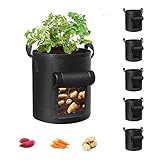
- Potato Growing Bag: A specialized potato growing bag is ideal. These bags are typically made of durable, breathable fabric, with drainage holes and a flap for easy harvesting. Alternatively, you can use a large, sturdy container like a trash can or a burlap sack.
- Seed Potatoes: As discussed above, select certified seed potatoes of your chosen variety.
- Potting Mix: Use a well-draining potting mix. Avoid using garden soil, as it can compact and may contain diseases or pests. A mix specifically formulated for vegetables is a good choice.
- Fertilizer: Choose a balanced fertilizer or a fertilizer specifically formulated for potatoes. Consider organic options like compost or well-rotted manure.
- Watering Can or Hose: Essential for providing consistent moisture to your potato plants.
- Gloves: Protect your hands from soil and potential irritants.
- Trowel or Small Shovel: For scooping and handling the soil.
- Water Source: Have a readily accessible water source.
Optional Supplies
While the above list covers the essentials, some optional supplies can enhance your potato-growing experience:
- Mulch: Straw or shredded leaves can help retain moisture, suppress weeds, and regulate soil temperature.
- Plant Markers: Label the bag with the potato variety and planting date.
- Scissors or Knife: For cutting seed potatoes if necessary.
Step-by-Step Guide to Planting Potatoes in a Bag
Now that you’ve gathered your materials, it’s time to plant your potatoes. This step-by-step guide will walk you through the entire process, from preparing the bag to harvesting your crop. Following these instructions will increase your chances of a successful and bountiful potato harvest.
Bag planting offers an accessible way to grow potatoes, even with limited space. Each step is crucial for promoting healthy growth, from initial soil preparation to regular watering and fertilization. Following the steps will help you maximize your yield.
- Prepare the Bag: Place the potato growing bag in a sunny location that receives at least 6 hours of sunlight per day. Ensure the bag is on a level surface. If using a container without drainage holes, make some at the bottom to prevent waterlogging.
- Add the Initial Layer of Soil: Fill the bag with approximately 4-6 inches of potting mix. This initial layer provides a base for the potatoes to start growing.
- Plant the Seed Potatoes: Place the seed potatoes, with their “eyes” (the small buds) facing upwards, on top of the soil layer. Space them about 6-8 inches apart.
- Cover the Potatoes: Cover the seed potatoes with an additional 4 inches of potting mix. Do not completely fill the bag at this stage.
- Water Thoroughly: Water the soil thoroughly after planting. Keep the soil consistently moist, but not waterlogged.
- Hilling: As the potato plants grow and the stems emerge, continue to add more potting mix to the bag, covering the stems. This process is called “hilling” and encourages more potatoes to form along the stems. Continue hilling until the bag is nearly full.
- Watering and Fertilizing: Water regularly, especially during dry periods. Fertilize your potato plants according to the fertilizer’s instructions.
- Harvesting: After approximately 70-100 days (depending on the variety), the potato plants will begin to flower, and the foliage will start to die back. This is a sign that the potatoes are ready to harvest. Carefully tip the bag over and harvest your potatoes.
Caring for Your Potato Plants in a Bag
Proper care is essential for healthy potato plants and a bountiful harvest. This section covers essential aspects of potato plant care, including watering, fertilizing, pest control, and disease management. Consistent care will ensure your potatoes thrive.
Regular monitoring and proactive care are critical for preventing problems and maximizing your yield. From addressing potential pests to providing adequate nutrients, the following guidelines will help you maintain healthy, productive potato plants. (See Also: Unlocking Pineapple Growth: How Much Light Does a Pineapple Plant Need?)
Watering and Fertilizing
Watering and fertilizing are crucial for the health and productivity of your potato plants. These practices provide the necessary nutrients and hydration that are vital for growth. Ensure your plants receive the right amount of both.
- Watering: Potatoes need consistent moisture, especially during the growing season. Water deeply and regularly, aiming for about 1-2 inches of water per week. Check the soil moisture by inserting your finger a few inches deep; the soil should be moist but not soggy.
- Fertilizing: Potatoes are heavy feeders and benefit from regular fertilization. Use a balanced fertilizer or one specifically formulated for potatoes. Follow the instructions on the fertilizer package, typically applying it every 2-3 weeks during the growing season.
Pest and Disease Management
Pests and diseases can significantly impact your potato crop. Proactive measures can prevent and control these issues. Early detection and prompt action can minimize potential damage.
- Pests: Common potato pests include potato beetles, aphids, and slugs. Inspect your plants regularly for signs of infestation. You can remove pests by hand, use insecticidal soap, or introduce beneficial insects.
- Diseases: Common potato diseases include blight, scab, and wilt. Choose disease-resistant varieties. Provide good air circulation, avoid overwatering, and remove any infected plant parts immediately.
Additional Care Tips
Beyond watering, fertilizing, and pest control, consider these additional tips for optimal potato growth:
- Sunlight: Ensure your potato plants receive at least 6 hours of sunlight per day.
- Weeding: Remove any weeds that appear in the bag. Weeds compete with your potato plants for nutrients and water.
- Mulching: Apply a layer of mulch (straw, shredded leaves) to help retain moisture, suppress weeds, and regulate soil temperature.
Harvesting Your Potatoes From a Bag
Harvesting potatoes from a bag is a rewarding experience. This section guides you through the process, providing tips for determining when to harvest and how to do it properly. Properly harvesting your potatoes will ensure you enjoy a delicious crop.
Knowing when to harvest and how to handle your potatoes will help preserve their quality and flavor. Harvesting at the right time is important for a good yield. Following these guidelines will ensure a successful and enjoyable harvest.
Determining When to Harvest
Knowing when to harvest your potatoes is crucial. The timing depends on the potato variety and the desired size of the potatoes. Here’s how to tell when your potatoes are ready:
- Early Harvest (New Potatoes): For new potatoes, you can start harvesting when the plants begin to flower. Gently reach into the soil and feel for small potatoes.
- Main Harvest (Mature Potatoes): For a larger harvest, wait until the foliage starts to die back, typically 70-100 days after planting. The leaves will turn yellow and begin to wither.
Harvesting Techniques
Harvesting potatoes from a bag is relatively easy. Here are the steps to follow: (See Also: How to Care for an Umbrella Plant: A Simple Guide)
- Prepare: Choose a dry day for harvesting.
- Tip the Bag: Carefully tip the potato bag over onto a tarp or a large surface.
- Search and Gather: Gently sift through the soil and collect the potatoes.
- Avoid Damage: Be careful not to damage the potatoes during harvesting.
Post-Harvest Handling
Proper handling after harvesting is essential for storing your potatoes. It directly impacts their longevity and quality. Here’s what to do after you’ve harvested your potatoes:
- Curing: Allow the potatoes to cure for a few days in a cool, dark, and well-ventilated area. This process helps toughen their skins, making them easier to store.
- Storage: Store the cured potatoes in a cool (35-40°F), dark, and humid place. A root cellar or a cool, dark basement is ideal. Avoid storing potatoes near apples, as the ethylene gas released by apples can cause potatoes to sprout.
- Inspection: Regularly inspect your stored potatoes for any signs of spoilage or disease. Remove any potatoes that show signs of rot or sprouting.
Here are answers to some of the most common questions about planting potatoes in a bag:
These questions cover common concerns that gardeners have when planting potatoes in bags. These answers provide insight into potential problems and solutions.
- How many potatoes can I grow in a bag? The number of potatoes you can grow in a bag depends on the size of the bag and the potato variety. A 10-gallon bag can typically accommodate 3-5 seed potatoes.
- Can I reuse the soil from my potato bag? It is generally not recommended to reuse the soil from a potato bag, especially if you suspect any diseases or pests were present. The soil can become depleted of nutrients.
- How long does it take for potatoes to grow in a bag? The time it takes for potatoes to mature in a bag varies depending on the variety, but it typically takes 70-100 days from planting to harvest.
Common Mistakes to Avoid
Avoiding common mistakes can greatly improve your chances of a successful potato harvest. This section highlights some pitfalls to watch out for. Knowing these mistakes allows you to refine your approach.
From improper watering practices to ignoring pest control measures, these mistakes can hinder potato growth. Implementing these recommendations will help you navigate the process.
- Using the wrong soil: Avoid using garden soil, as it can compact and may contain diseases. Always use a well-draining potting mix.
- Overwatering: Overwatering can lead to rot. Water deeply but infrequently, allowing the soil to dry slightly between waterings.
- Planting too late: Potatoes need a certain number of frost-free days to mature. Plant your potatoes early enough in the season to allow them to fully develop before the first frost.
- Ignoring pests and diseases: Regularly inspect your plants for pests and diseases. Take action immediately if you notice any problems.
- Not hilling properly: Hilling is essential for potato production. Make sure to cover the stems with soil as the plants grow.
Conclusion
Planting potatoes in a bag is a rewarding and manageable way to grow your own potatoes, even with limited space. By following the guidelines in this article, you can select the right varieties, gather the necessary materials, and implement proper care techniques to ensure a successful harvest. Remember, patience and attention to detail are key.
With a little effort, you can enjoy the satisfaction of harvesting your own fresh, homegrown potatoes. Start planting your potatoes in a bag today and experience the joy of garden-fresh produce!
Recommended Products