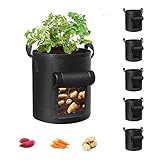
Dreaming of fresh, homegrown potatoes but short on space? You’re in luck! Planting potatoes from eyes in a bucket is a fantastic and surprisingly easy method, perfect for balconies, patios, or even a small backyard. This guide will walk you through every step, from selecting your seed potatoes to harvesting your delicious crop. Get ready to enjoy the satisfaction of growing your own potatoes, even without a traditional garden.
This method is not only space-saving but also offers excellent control over your growing environment. By using a bucket, you can easily manage soil conditions, water, and pest control. Discover how to transform a humble bucket into a thriving potato patch. Learn the secrets to maximizing your yield and enjoying the freshest, tastiest potatoes you’ve ever had, all grown right at home!
Choosing Your Seed Potatoes and Preparing for Planting
The first step in growing potatoes in a bucket is selecting the right seed potatoes. Seed potatoes are simply potatoes that have been specifically grown for planting, rather than for immediate consumption. They are chosen for their disease resistance and superior growing characteristics. Choosing the right seed potatoes is crucial for a successful harvest.
Selecting the Right Potato Variety
Consider the types of potatoes you enjoy eating. Different varieties offer different textures, flavors, and maturity times. Some popular choices for bucket growing include Yukon Gold (early maturing), Red Pontiac (mid-season), and Russet Burbank (late maturing). Check local nurseries or online retailers for seed potatoes suited to your climate and preferred taste.
Early-season varieties mature quicker, allowing for a faster harvest, while late-season varieties offer a larger yield and better storage potential. Experimenting with different types can lead to a diverse and flavorful potato harvest. Consider the length of your growing season when selecting potato varieties.
Identifying and Preparing Seed Potatoes
Seed potatoes should be firm, not soft or shriveled. Look for ‘eyes,’ which are the small indentations on the potato’s surface. These eyes are the points from which new potato plants will sprout. Before planting, it’s beneficial to ‘chit’ or ‘sprout’ your seed potatoes.
To chit your potatoes, place them in a cool, bright (but not direct sunlight) location for a few weeks before planting. This encourages the eyes to sprout. This process speeds up growth after planting. Ensure the potatoes have developed sturdy sprouts about an inch long before planting.
Cutting Seed Potatoes (optional)
If your seed potatoes are large, you can cut them into smaller pieces, ensuring each piece has at least one or two eyes. Allow the cut pieces to ‘cure’ by letting them sit at room temperature for a day or two before planting. This allows a protective layer to form over the cut surfaces, reducing the risk of rot. Make sure each piece is at least 1.5-2 inches in size.
Make sure to use a clean, sharp knife to prevent the spread of diseases. Do not cut the seed potato too small. This could weaken the sprout. Avoid cutting the potatoes too close to planting, as they can rot before they sprout.
Gathering Your Supplies: The Essentials
Now that you’ve selected your seed potatoes, it’s time to gather the necessary supplies. Fortunately, growing potatoes in a bucket doesn’t require a lot of equipment. The right supplies can greatly influence the success of your harvest. Having everything ready before you begin will make the planting process much smoother.
The Bucket
Choose a bucket that’s at least 10 gallons in size. A larger bucket allows for more potato growth. Make sure your bucket has drainage holes at the bottom to prevent waterlogging. If your bucket doesn’t have holes, you’ll need to drill some. This is crucial for healthy root development.
Consider using a fabric grow bag as an alternative to a bucket. Grow bags are breathable and provide excellent drainage. Dark-colored buckets can absorb more heat, which can be beneficial in cooler climates but may need more frequent watering in warmer climates. Repurposed food-grade buckets are a great option.
Soil and Amendments
Potatoes thrive in well-draining, slightly acidic soil. Use a potting mix that’s specifically designed for vegetables or a blend of compost, peat moss, and perlite. Avoid using heavy garden soil, which can compact and hinder root growth. A good potting mix provides essential nutrients.
Adding compost to the soil enriches it with nutrients and improves drainage. You can also add a slow-release fertilizer designed for vegetables. This will help to feed your plants throughout the growing season. Avoid over-fertilizing, as this can lead to excessive foliage growth rather than potato production.
Other Necessary Items
You’ll also need a trowel or small shovel for planting, and a watering can or hose for watering your plants. A pair of gardening gloves will protect your hands. Consider having some mulch on hand, such as straw or shredded leaves, to help retain moisture and suppress weeds.
A garden fork can be useful for loosening the soil. A good quality pH testing kit can help you monitor the acidity of your soil. Having these items ready will help you effectively plant and care for your potatoes.
Planting Your Potatoes in the Bucket
Now that you have your seed potatoes and supplies, it’s time to plant. Planting potatoes in a bucket is a straightforward process, but following the steps carefully is essential for a good harvest. Proper planting techniques set the stage for healthy growth and a bountiful yield. (See Also: Learn How to Plant Multiple Succulents in One Pot)
Preparing the Bucket
Begin by placing a layer of about 4-6 inches of your prepared soil mix in the bottom of the bucket. This provides a base for the potatoes to grow. Ensure the drainage holes are clear. Add some slow-release fertilizer if desired and mix it gently into the soil.
This initial layer of soil is where the first potatoes will begin to form. Make sure the soil is evenly distributed. Do not pack the soil too tightly; it should be loose and airy for the potato roots to spread easily.
Planting the Seed Potatoes
Place your sprouted seed potatoes, eyes facing upwards, on top of the soil. Space them about 6-8 inches apart. If you cut your seed potatoes, position the cut side down. Cover the seed potatoes with another 4 inches of soil.
Avoid planting too many seed potatoes in a single bucket. This can lead to overcrowding and reduced yields. Lightly water the soil after planting, ensuring the soil is moist but not waterlogged. The depth of planting is critical to ensure proper potato development.
The Hilling Process
As the potato plants grow, you’ll need to ‘hill’ them. This involves adding more soil around the stems of the plants. This process encourages the development of more potatoes along the stems. Continue to add soil as the plants grow, leaving only the top few leaves exposed.
Hilling is essential for maximizing your potato yield. This process also protects the developing potatoes from sunlight. Sunlight exposure can cause the potatoes to turn green and develop a bitter taste. Continue hilling until the soil is almost at the top of the bucket.
Caring for Your Growing Potatoes
Once your potatoes are planted and hilled, proper care is crucial for healthy growth and a successful harvest. Providing the right conditions, including watering, fertilizing, and pest control, will help your potato plants thrive. Consistent care is key to a bountiful yield.
Watering Requirements
Potatoes need consistent watering, especially during dry periods. Water deeply whenever the top inch of soil feels dry to the touch. Avoid overwatering, which can lead to root rot. Aim to keep the soil consistently moist but not soggy.
The amount of water needed will vary depending on the weather conditions. During hot weather, you may need to water your plants daily. During cooler weather, you may only need to water every few days. Monitor the soil moisture regularly.
Fertilizing Your Plants
Potatoes are heavy feeders and benefit from regular fertilization. Use a balanced fertilizer or a fertilizer specifically formulated for vegetables. Follow the instructions on the fertilizer packaging. Avoid over-fertilizing, which can burn the plants.
Fertilize your plants every few weeks throughout the growing season. You can use a liquid fertilizer or a slow-release granular fertilizer. Observe your plants for signs of nutrient deficiencies, such as yellowing leaves, which may indicate a need for more fertilizer.
Controlling Pests and Diseases
Keep an eye out for common potato pests, such as potato beetles and aphids. Handpick pests or use organic insecticidal soap. Proper air circulation helps prevent diseases. Ensure your plants have adequate space to grow.
Common diseases include blight and scab. Remove and destroy any infected plants. Improve air circulation by spacing plants appropriately. Rotate your crops each year to minimize the risk of disease. Choose disease-resistant varieties when possible.
Dealing with Common Problems
Sometimes, problems arise when growing potatoes. Identifying and addressing these problems early can save your crop. Here are some common issues and how to manage them:
- Yellowing Leaves: This can be caused by a lack of nutrients, too much or too little water, or pests. Adjust watering, fertilize, and check for pests.
- Small Potatoes: This could be due to lack of nutrients, insufficient watering, or overcrowding. Ensure adequate fertilization, watering, and spacing.
- Green Potatoes: This happens when potatoes are exposed to sunlight. Hill the plants properly to cover the developing potatoes.
- Pests: Use organic pest control methods like insecticidal soap or handpicking.
Harvesting Your Potatoes
The time to harvest your potatoes depends on the variety and the length of your growing season. Knowing when to harvest is crucial for enjoying the best flavor and texture. Harvesting at the right time also ensures the potatoes store well.
Determining Harvest Time
For early-season varieties, you can start harvesting about 60-80 days after planting, when the plants are flowering. These potatoes are often called ‘new potatoes’ and have a thin skin. For main-crop varieties, wait until the foliage starts to die back, typically 90-120 days after planting. (See Also: How to Plant Potatoes That Have Already Sprouted: A Guide)
Carefully dig around in the soil to check the size of the potatoes. If the potatoes are the size you desire, it’s time to harvest. Avoid harvesting too early, as the potatoes may not have reached their full size. If you wait too long, the potatoes may become overripe.
Harvesting Techniques
Carefully tip the bucket over and gently remove the soil. This will reveal your potatoes. Use a garden fork or your hands to gently remove the potatoes from the soil. Avoid damaging the potatoes.
Be gentle when handling the potatoes to avoid bruising. Gather all the potatoes. After harvesting, allow the potatoes to dry. If you are not harvesting the entire bucket at once, you can carefully remove some potatoes and rebury the plant.
Curing and Storing Your Potatoes
After harvesting, ‘cure’ the potatoes for about 1-2 weeks. This involves storing them in a cool, dark, and well-ventilated location. Curing helps to toughen the skin and improve storage life. Proper storage preserves the quality and flavor of your potatoes.
After curing, store your potatoes in a cool, dark, and humid place, such as a basement or root cellar. The ideal temperature for storage is around 40-45°F (4-7°C). Ensure good ventilation to prevent spoilage. Avoid storing potatoes with apples, as apples release ethylene gas, which can cause potatoes to sprout.
Troubleshooting Common Issues
Even with careful planning and care, you may encounter some challenges when growing potatoes in a bucket. Understanding these potential issues and how to address them can help you troubleshoot and still enjoy a successful harvest. Knowing how to troubleshoot can save your crop.
Why Are My Potatoes Small?
Small potatoes can be caused by several factors. Overcrowding in the bucket can restrict growth. Insufficient watering or fertilization can also limit potato size. Make sure you’re providing enough space and nutrients.
Early harvesting can also result in smaller potatoes. If you harvest too soon, the potatoes haven’t had enough time to mature. Ensure proper spacing, watering, and fertilization. If you are unsure, gently dig in to check the size of the potatoes.
Why Are My Potatoes Green?
Green potatoes are caused by exposure to sunlight. This causes the potatoes to produce solanine, a toxic compound. Make sure you hill your plants properly, covering the developing potatoes with soil. Also, ensure that the soil level is sufficient.
If you find green potatoes, it is best to discard them. This is not only for their flavor but also for your health. Avoid eating green potatoes. Ensure that any exposed potatoes are covered with soil immediately.
Why Are My Plants Not Producing?
If your plants aren’t producing, there could be several reasons. The variety may not be suited for your climate. Inadequate sunlight can also be a factor. Insufficient nutrients or watering can also affect production.
Make sure the variety of potato you are growing is suitable for your climate. Provide adequate sunlight (at least 6-8 hours a day). Ensure the plants have enough nutrients and water. If you have any questions, consult a local gardening expert.
Maximizing Your Potato Yield
Want to get the most out of your bucket-grown potatoes? Several techniques can help you increase your yield and enjoy a more bountiful harvest. Implementing these tips will help you produce more potatoes.
Choosing the Right Variety
Select potato varieties known for high yields. Research which varieties perform best in your climate. Consider planting a mix of early, mid, and late-season varieties to extend your harvest.
Some varieties are naturally more productive than others. Choosing the right variety can significantly impact your yield. Look for varieties recommended by local gardening experts, as they will be best suited to your specific growing conditions.
Proper Spacing and Hilling
Avoid overcrowding your plants. Provide enough space for each plant to develop. Hill your plants regularly to encourage the formation of more potatoes. This is very important for the yield. (See Also: Is Your Air Plant Dying? How to Tell If Your Air Plant Is Dead)
Proper spacing is crucial for maximizing yield. If your plants are too close together, they will compete for resources. Hilling provides more space for potato development and protects the potatoes from sunlight, preventing them from turning green.
Soil Preparation and Fertilization
Prepare your soil with compost and other organic matter. Use a balanced fertilizer or a fertilizer specifically formulated for potatoes. Ensure your soil is rich in nutrients and well-draining.
Well-nourished plants are more productive. Proper soil preparation and fertilization provide the necessary nutrients for healthy growth and a bountiful yield. Be sure to follow the instructions on your fertilizer packaging.
Watering and Pest Control
Water consistently, especially during dry periods. Control pests and diseases promptly. Consistent watering ensures that your plants get the water they need.
Pest and disease control helps protect your plants from damage, allowing them to focus on producing potatoes. Implement preventative measures, such as crop rotation and choosing disease-resistant varieties, to minimize the risk of problems.
Beyond the Bucket: Expanding Your Potato Growing Adventure
Once you’ve mastered growing potatoes in a bucket, you may want to expand your potato-growing adventure. There are many ways to continue to grow potatoes. Experimenting with different methods can be fun, and it can help you get more potatoes.
Growing in Other Containers
Try growing potatoes in other containers, such as raised beds or grow bags. These options provide more space for root development. Experimenting with different containers can help you find the method that works best for your space.
Raised beds offer excellent drainage and control over soil conditions. Grow bags are a great alternative to traditional containers and provide good aeration. Choose containers that are appropriate for your climate and available space.
Companion Planting
Consider companion planting to benefit your potato plants. Plant marigolds to deter pests. Plant other beneficial plants near your potatoes to improve their growth.
Companion planting can enhance the growth and health of your potato plants. Companion plants can also attract beneficial insects. Do your research to find plants that work well together.
Crop Rotation
Rotate your crops each year to prevent soil-borne diseases. Avoid planting potatoes in the same location year after year. Rotating your crops is essential for maintaining soil health and preventing disease.
Crop rotation helps to reduce the build-up of pests and diseases in the soil. It also helps to improve soil fertility by varying the nutrients used by different crops. Plan your crop rotation in advance to ensure you have suitable planting locations each year.
Conclusion: Your Path to Fresh, Homegrown Potatoes
Growing potatoes from eyes in a bucket is a rewarding and accessible way to enjoy fresh, homegrown produce. From selecting your seed potatoes to harvesting your crop, the process is manageable for gardeners of all levels. By following the steps outlined in this guide and providing proper care, you can look forward to a delicious and fulfilling harvest.
Enjoy the satisfaction of growing your own food and savor the taste of freshly picked potatoes. Embrace the joy of gardening and savor the fruits (or rather, the tubers) of your labor. Happy gardening, and enjoy the taste of your home-grown potatoes!
Recommended Products
![[Upgraded] 4Pcs 15 Gallon Potato Grow Bags with Unique Harvest Window & Visible Window, Non-Woven Planter Pot with Sturdy Handle, Potato Growing Container, Plant Garden Bags to Grow Vegetables, Tomato](https://m.media-amazon.com/images/I/61yt4lzPRdL._SL160_.jpg)