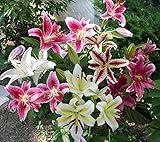
Are you dreaming of a garden bursting with the intoxicating fragrance and exquisite beauty of Oriental lilies? These majestic flowers, with their large, upward-facing blooms, are a showstopper in any landscape. Planting Oriental lily bulbs is a rewarding experience, transforming your garden into a haven of elegance and sweet perfume.
This comprehensive guide will walk you through every step of the process, from selecting the perfect bulbs to nurturing these stunning flowers. Learn how to plant oriental lily bulbs with confidence, ensuring a vibrant display of color and fragrance that will captivate your senses. Prepare to elevate your gardening skills and enjoy the breathtaking beauty of these floral jewels.
With a little knowledge and care, you can enjoy the stunning blooms of Oriental lilies for years to come. Let’s delve into the secrets of successful planting and cultivation, transforming your garden into a fragrant paradise.
Choosing the Right Oriental Lily Bulbs
The foundation of a successful Oriental lily garden begins with selecting high-quality bulbs. Healthy bulbs are plump, firm to the touch, and free from any signs of mold, rot, or damage. Examine them carefully before purchasing to ensure you’re starting with the best possible material. Choosing the right bulbs is crucial for the health and beauty of your lilies.
Identifying Quality Bulbs
When selecting Oriental lily bulbs, several factors indicate quality. Look for bulbs that are large and firm; size often correlates with the number of blooms. Avoid bulbs that are soft, mushy, or have any discoloration, as these may be signs of disease or rot. The bulb’s outer scales should be intact and not excessively dry. A healthy bulb will feel heavy for its size.
Pay close attention to the variety. Oriental lilies come in a wide range of colors, including various shades of pink, white, red, and yellow, often with striking patterns. Consider the mature height and spread of the lily variety to ensure it fits well in your garden. Also, consider fragrance; some varieties are more intensely scented than others.
Where to Buy Bulbs
Reputable nurseries, garden centers, and online retailers are excellent sources for Oriental lily bulbs. Look for suppliers specializing in bulbs, as they often have a wider selection and higher-quality stock. Check the seller’s reputation by reading customer reviews before making a purchase.
Buying bulbs from a reputable source ensures you receive healthy, true-to-type bulbs. This is particularly important for Oriental lilies, as they are often hybridized, and the quality of the bulb directly impacts the flower’s appearance and fragrance. Avoid purchasing bulbs from unreliable sources.
Consider buying bulbs in the fall for planting. This allows the bulbs to establish roots before the ground freezes, giving them a head start in the spring. If you can’t plant them immediately, store the bulbs in a cool, dark, and well-ventilated location, such as a refrigerator, until planting time.
Preparing the Planting Site
Proper site preparation is essential for the healthy growth and abundant flowering of Oriental lilies. These lilies thrive in specific conditions, so understanding and preparing your planting area is key. Preparing the planting site ensures your lilies have the best possible start.
Sunlight and Soil Requirements
Oriental lilies flourish in full sun, which means they need at least six hours of direct sunlight each day. However, they also appreciate some afternoon shade, especially in hotter climates, which can help protect the flowers from scorching. The amount of sun exposure impacts the number and size of blooms.
The soil should be well-draining, as Oriental lilies are susceptible to rot if their roots sit in waterlogged soil. Amend heavy clay soils with organic matter, such as compost or well-rotted manure, to improve drainage and aeration. The soil should be slightly acidic to neutral, with a pH between 6.0 and 7.0.
Soil Amendment and Drainage
Before planting, prepare the soil by incorporating organic matter to improve drainage and fertility. Compost, aged manure, or leaf mold are excellent choices. Work the organic matter into the top 12-18 inches of soil.
If your soil is poorly draining, consider building a raised bed or incorporating a generous amount of coarse sand or gravel to improve drainage. This is critical for preventing bulb rot, a common problem in wet soils. Proper drainage is the key to healthy lily growth. (See Also: Planting After Glyphosate: How Long After Spraying Can You Plant?)
Conduct a soil test to determine the pH level and nutrient content. Adjust the soil pH as needed. If the soil is too alkaline, add sulfur to lower the pH. If the soil is deficient in nutrients, amend it with a balanced fertilizer.
Planting Oriental Lily Bulbs
Planting Oriental lily bulbs correctly is crucial for their establishment and future success. Following these steps ensures your lilies get off to a strong start. Proper planting techniques promote vigorous growth and abundant blooms.
Timing and Depth
The best time to plant Oriental lily bulbs is in the fall, about six weeks before the ground freezes. This allows the bulbs to establish roots before winter. If you live in a warmer climate, you can plant them in early spring, as soon as the ground can be worked. Planting at the right time is important for successful establishment.
Plant the bulbs at a depth of three to four times their height. For example, if a bulb is 2 inches tall, plant it 6 to 8 inches deep. Space the bulbs 8 to 12 inches apart to allow room for growth and air circulation. Proper spacing is crucial for healthy development.
Planting Procedure
Dig a hole at the appropriate depth and width, ensuring the soil is loose and well-draining. Place the bulb in the hole with the pointed end facing upwards, and gently cover it with soil. Avoid damaging the roots when planting. Water the soil thoroughly after planting to settle the soil and encourage root growth.
Gently backfill the hole with the amended soil, ensuring the bulb is completely covered. If you’re planting multiple bulbs, maintain the recommended spacing between each. After planting, water the area deeply and mulch lightly to retain moisture and suppress weeds.
Consider adding a layer of mulch, such as shredded bark or wood chips, after planting. This helps retain moisture, regulate soil temperature, and suppress weed growth. However, avoid mulching too heavily, as it could trap moisture and lead to rot.
Caring for Oriental Lilies
Once planted, Oriental lilies require ongoing care to thrive. Consistent watering, fertilization, and pest control are essential for healthy growth and abundant blooms. Proper care ensures long-lasting beauty and fragrance.
Watering and Fertilizing
Water Oriental lilies regularly, especially during dry periods, to keep the soil consistently moist but not waterlogged. Water deeply at the base of the plants, avoiding overhead watering, which can promote fungal diseases. Regular watering is vital for healthy growth.
Fertilize Oriental lilies in the spring when new growth appears and again after they bloom. Use a balanced fertilizer, such as a 10-10-10 or a slow-release fertilizer formulated for flowering plants. Follow the manufacturer’s instructions for application rates. Fertilizing at the right time supports vigorous growth and abundant blooms.
Pest and Disease Control
Oriental lilies are susceptible to certain pests and diseases. Common pests include aphids, lily leaf beetles, and slugs. Inspect your plants regularly and take action if you notice any infestation. Early detection allows for effective treatment.
Common diseases include botrytis blight and lily mosaic virus. Improve air circulation by spacing plants adequately. Remove and dispose of any infected plant material. Using fungicides can help control certain diseases. Preventative measures are key to successful control.
Staking and Deadheading
Tall varieties of Oriental lilies may require staking to prevent them from flopping over, especially in windy areas. Use stakes and soft ties to support the stems. Deadheading, or removing spent flowers, encourages the plant to put its energy into producing more blooms and prevent seed production. (See Also: How Often to Water Cucumber Plant: A Complete Guide)
Deadhead the flowers as they fade to encourage new blooms. Staking and deadheading improve the appearance and prolong the flowering period. Remove spent blooms to encourage new growth and prevent seed production. This will keep your lilies looking their best.
Overwintering Oriental Lilies
In colder climates, protecting Oriental lilies during the winter is crucial for their survival. Proper overwintering techniques ensure the bulbs return year after year. Protecting your lilies from the cold is vital for long-term enjoyment.
Mulching for Protection
In colder climates (zones 3-6), apply a thick layer of mulch, such as straw or shredded leaves, over the planting area in late fall, after the ground has frozen. This helps insulate the bulbs and protect them from extreme temperature fluctuations. The mulch acts as a protective blanket.
The mulch should be at least 4-6 inches thick. Remove the mulch in early spring as the weather warms up, allowing the new shoots to emerge. This will protect the bulbs from freezing and thawing cycles. Removing the mulch at the right time allows for new growth.
Winter Protection in Containers
If you’ve planted your Oriental lilies in containers, move them to a sheltered location, such as a garage or shed, during the winter. Ensure the location is cool but not freezing. Protect container-grown lilies from harsh winter conditions.
Water sparingly during the winter months, only when the soil is completely dry. In spring, gradually reintroduce the plants to sunlight. This will prevent damage from extreme temperatures. Bringing the plants back to the sun slowly is key.
Propagating Oriental Lilies
Propagating Oriental lilies allows you to expand your collection and share these beautiful flowers with others. There are several methods for propagating these lilies. Propagating allows you to enjoy more lilies.
Division
The easiest way to propagate Oriental lilies is by dividing the bulbs. Lift the bulbs in the fall, after the foliage has died back. Carefully separate the bulbs, ensuring each division has healthy roots. Dividing the bulbs is an easy way to get more plants.
Replant the divided bulbs immediately at the recommended depth and spacing. This is a common method for increasing the number of plants. Be sure to provide the divided bulbs with the proper care. You can share your lilies with friends and family.
Scale Propagation
Another method is scale propagation. In the fall, remove individual scales from the bulbs. Place the scales in a plastic bag with a moist mix of perlite and peat moss. Keep the bag in a warm, dark place. This is a slower method, but it can produce new plants.
After a few months, small bulblets will form at the base of the scales. Plant these bulblets in pots or directly in the garden. This method allows you to propagate from individual scales. This is a great way to grow new plants from existing bulbs.
Common Problems and Solutions
Even with proper care, Oriental lilies can encounter problems. Knowing how to identify and address these issues ensures healthy plants and beautiful blooms. Addressing problems early is important for success.
Pests and Diseases
Aphids are common pests that can infest lily plants. Inspect plants regularly and treat infestations with insecticidal soap or neem oil. Lily leaf beetles can also cause damage; hand-pick them or use an appropriate insecticide. Early intervention can prevent serious problems. (See Also: Unlocking Beauty: How to Plant Purple Coneflower Seeds)
Botrytis blight is a fungal disease that can cause brown spots on the leaves and flowers. Improve air circulation and avoid overhead watering. Use a fungicide if necessary. Proper care is key to preventing disease.
Dealing with Yellowing Leaves
Yellowing leaves can be a sign of several problems, including overwatering, underwatering, or nutrient deficiencies. Inspect the soil moisture and adjust your watering accordingly. Test the soil for nutrient imbalances. Identifying the cause of yellowing leaves is important.
Yellowing leaves can also be a sign of a virus. Remove and dispose of any infected plants to prevent the spread of the disease. Addressing this issue will help keep your lilies healthy. Proper care and inspection can help keep your lilies healthy.
Here are some frequently asked questions about planting and caring for Oriental lilies, along with their answers. This will provide more information about the plants.
How Deep Should I Plant My Oriental Lily Bulbs?
Plant Oriental lily bulbs at a depth of three to four times their height. For example, if a bulb is 2 inches tall, plant it 6 to 8 inches deep. This depth will help ensure the bulbs are protected and have the proper environment to grow.
Proper planting depth is essential for healthy growth. Correct planting depth ensures the bulbs have the right conditions for development. Planting at the right depth promotes healthy growth.
When Do Oriental Lilies Bloom?
Oriental lilies typically bloom in mid to late summer, usually from July to August, depending on the variety and your climate. This is when the blooms will provide the most beauty and fragrance. The blooms usually last for several weeks, providing long-lasting beauty.
Bloom time can vary depending on the variety and growing conditions. Understanding the blooming period will help you anticipate when to expect the flowers. Knowing the bloom time will help you enjoy the beauty of the lilies.
How Long Do Oriental Lilies Last?
With proper care, Oriental lilies can last for many years. They are perennials, meaning they will return year after year. Proper care and maintenance will ensure that your lilies thrive for years.
Oriental lilies are known for their longevity and beauty. Proper care will help the lilies thrive. Proper care will ensure years of beauty and enjoyment.
Do Oriental Lilies Need Staking?
Tall varieties of Oriental lilies may need staking to prevent them from flopping over, especially in windy areas. Staking provides support and keeps the plants looking their best. Some varieties need staking to remain upright and prevent damage.
Staking is especially important for tall varieties in windy areas. Staking keeps the plants from flopping over. Staking helps the plants thrive in windy conditions.
Conclusion
Planting and nurturing Oriental lily bulbs is a rewarding experience that brings beauty and fragrance to your garden. By following these guidelines on how to plant oriental lily bulbs, you can ensure a vibrant display of these exquisite flowers. Remember to choose healthy bulbs, prepare the planting site properly, and provide consistent care. Enjoy the stunning blooms and the sweet fragrance of your Oriental lilies for years to come! With these tips, you can transform your garden into a fragrant paradise.
Recommended Products