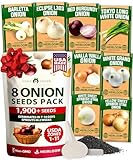
Yearning for the fresh, pungent bite of homegrown onions? Even if you lack a sprawling garden, you can still enjoy the satisfaction of harvesting your own bulbs. Planting onions in pots is a fantastic solution for limited spaces, offering a convenient way to cultivate these flavorful alliums right on your patio, balcony, or even a sunny windowsill.
This comprehensive guide will walk you through every step of planting onions in pots, from selecting the right varieties and containers to providing optimal care and troubleshooting common issues. We’ll explore the best practices for soil preparation, watering, fertilizing, and pest control, ensuring your onion plants thrive and produce a bountiful harvest. Get ready to transform your gardening aspirations into reality with the ease and accessibility of container gardening.
Whether you’re a seasoned gardener or a complete beginner, this guide provides all the information you need to successfully grow onions in pots. Let’s delve into the world of container onion cultivation and discover how to bring the flavor of fresh onions to your kitchen.
Choosing the Right Onions for Pot Planting
Not all onion varieties are created equal when it comes to container gardening. Some types thrive better in pots than others, making your selection crucial for a successful harvest. Consider factors such as maturity time, bulb size, and overall suitability for confined spaces.
Types of Onions for Pots
Several onion varieties are well-suited for pot cultivation. These options offer a range of flavors, colors, and growth habits, allowing you to choose the best fit for your preferences and available space.
- Bunching Onions (Scallions/Green Onions): These are the easiest to grow in pots. They don’t form large bulbs, and you harvest the green stalks. They mature quickly, often within a month or two.
- Bulb Onions: While some bulb onions can be grown in pots, choose smaller varieties or those specifically bred for container gardening. Consider short-day or intermediate-day onions if you live in a region with mild winters.
- Multiplier Onions: These onions produce clusters of bulbs, making them a good choice for pot growing. They are also known as potato onions or sets, and they multiply, providing a continuous harvest.
Recommended Varieties
Here are some specific onion varieties that are well-suited for pot planting:
- Evergreen White Bunching: A popular choice for green onions, known for its mild flavor and quick growth.
- Tokyo Long White Bunching: Another excellent green onion variety, offering long, slender stalks.
- Walla Walla Sweet: A sweet, mild onion that can be grown in larger pots. It’s best suited for areas with long growing seasons.
- Southport White Globe: A white onion variety that is a good producer in containers.
- Red Baron: A red onion variety that is great in containers, offering a vibrant color and a slightly pungent flavor.
Factors to Consider When Choosing Varieties
When selecting onion varieties, consider your climate, the amount of sunlight your pot receives, and your personal taste preferences. If you’re new to gardening, starting with bunching onions is a great way to gain experience. For bulb onions, opt for varieties that mature quickly, as this will prevent them from needing to grow too big in a container.
Selecting the Right Pots and Materials
The choice of pots and materials significantly impacts the success of your onion-growing endeavor. Selecting the correct container size and material is crucial for healthy root development and overall plant well-being. Additionally, using quality potting mix ensures the necessary nutrients and drainage for your onions.
Pot Size and Material
The size and material of your pots directly influence the growth and health of your onion plants. Selecting the right container is essential for providing enough space for root development and ensuring good drainage. The size you choose also depends on the variety of onion you are planting.
- Size: For bunching onions, pots that are at least 6-8 inches deep and 6-8 inches in diameter are usually sufficient. For bulb onions, you’ll need larger pots, ideally 8-12 inches deep and 8-12 inches in diameter. Each onion plant needs enough space to develop its bulb.
- Material: Choose pots made of materials that provide good drainage and allow for airflow. Terracotta pots are a good option because they are porous and allow for good aeration. Plastic pots are also popular because they are lightweight and retain moisture well. Avoid pots made of materials that do not drain well.
Potting Mix and Soil Preparation
The potting mix is the foundation for healthy onion growth. Using a well-draining, nutrient-rich potting mix is essential for the health of your plants. This ensures proper root development and provides the necessary nutrients for your onions to thrive. Avoid using garden soil directly in your pots, as it can compact and impede drainage.
- Potting Mix: Use a high-quality potting mix specifically formulated for vegetables or a soilless mix. Look for a mix that contains a blend of peat moss, perlite, and vermiculite, which provides good drainage and aeration.
- Soil Preparation: Before planting, moisten the potting mix. Fill your pots, leaving about an inch of space at the top. This space allows for easy watering without overflow.
Planting Onions in Pots: Step-by-Step Guide
Planting onions in pots is a straightforward process. Following these steps will help you get your onion plants off to a great start. Proper planting ensures healthy growth and a bountiful harvest. Whether you’re using seeds, sets, or transplants, the basic principles remain the same. (See Also: How to Disinfect Plastic Plant Pots Without Bleach: A Guide)
Planting Methods
There are several ways to plant onions in pots, each with its own advantages. The method you choose will depend on the type of onion you are growing and your personal preference.
- From Seed: Start seeds indoors 6-8 weeks before the last expected frost. Sow seeds thinly in a seed starting tray or small pots. Once the seedlings have developed a few true leaves, transplant them into your larger pots.
- From Sets: Onion sets are small, dormant onion bulbs. Plant sets directly into your pots, spacing them a few inches apart. Push the sets into the soil, leaving the tips exposed.
- From Transplants: Purchase onion transplants from a garden center. Transplant them into your pots, spacing them according to the variety’s recommendations.
Planting Instructions
Follow these steps for planting onions in pots, regardless of the planting method you choose.
- Prepare the Pot: Fill the pot with moistened potting mix, leaving about an inch of space at the top.
- Planting Depth and Spacing:
- Seeds: Sow seeds thinly and cover them lightly with soil.
- Sets: Plant sets with the pointed end up, spacing them 2-4 inches apart, depending on the variety.
- Transplants: Dig a hole deep enough to accommodate the roots and transplant the onions, spacing them according to the variety.
- Watering: Water gently after planting.
- Sunlight: Place the pots in a location that receives at least 6 hours of sunlight per day.
Caring for Your Potted Onions
Consistent care is vital to ensure your potted onions thrive. Proper watering, fertilizing, and pest control will contribute to a healthy and productive harvest. Regular maintenance is essential for the overall health and productivity of your onion plants.
Watering
Watering is one of the most important aspects of caring for your potted onions. Proper watering keeps the soil moist but not waterlogged. The watering frequency will vary depending on the weather conditions, the pot material, and the size of the plants.
- Frequency: Water regularly, typically every 1-2 days, or when the top inch of soil feels dry to the touch.
- Technique: Water deeply, ensuring the entire root ball is moistened. Avoid wetting the foliage, as this can increase the risk of fungal diseases.
- Signs of Overwatering: Yellowing leaves and a soft, mushy bulb. Reduce watering if you notice these signs.
- Signs of Underwatering: Wilting leaves and stunted growth. Increase watering if you notice these signs.
Fertilizing
Onions are heavy feeders and benefit from regular fertilization. Consistent fertilization provides essential nutrients for strong growth and bulb development. Regular feeding is key to a successful harvest.
- Type of Fertilizer: Use a balanced liquid fertilizer or a slow-release granular fertilizer formulated for vegetables.
- Frequency: Fertilize every 2-4 weeks during the growing season. Follow the instructions on the fertilizer package.
- Application: Apply liquid fertilizer to the soil around the base of the plants, avoiding contact with the foliage. For granular fertilizer, sprinkle it around the base of the plants and water it in.
Sunlight and Temperature
Onions need plenty of sunlight to thrive. The amount of sunlight and the temperature of the area you live in greatly influence the health of your onion plants. Providing the optimal conditions ensures that your onions grow well.
- Sunlight: Onions need at least 6 hours of direct sunlight per day. If you live in an area with intense sunlight, you may need to provide some shade during the hottest part of the day.
- Temperature: Onions prefer temperatures between 55-75°F (13-24°C). Protect your plants from extreme temperatures, such as freezing temperatures or extreme heat.
Pest and Disease Control
Pests and diseases can affect your onion plants. Regular inspection and prompt action are essential to protect your plants. Early detection and treatment will prevent significant damage to your crop.
- Common Pests: Onion thrips, onion maggots, and aphids can be problematic. Inspect your plants regularly for signs of pests.
- Control Methods: Use insecticidal soap or neem oil to control pests. Handpick pests or use sticky traps.
- Common Diseases: Downy mildew and onion white rot can affect onions. Ensure good air circulation and avoid overwatering to prevent disease.
- Disease Prevention: Remove and dispose of any infected plants. Use disease-resistant varieties.
Harvesting and Storing Your Potted Onions
Harvesting and storing your onions are the final steps in the growing process. Knowing when and how to harvest your onions is critical to enjoying the fruits of your labor. Properly storing your onions ensures that you can savor the flavor of your harvest for an extended period.
Harvesting Green Onions
Green onions (scallions) are harvested when the stalks reach the desired size. Harvesting is straightforward and can be done frequently throughout the growing season. You can harvest green onions whenever the stalks are large enough to eat.
- When to Harvest: Harvest green onions when the stalks are 6-8 inches tall.
- How to Harvest: Gently pull the entire plant from the soil.
- Continuous Harvest: You can harvest green onions multiple times from the same pot. Simply leave some of the stalks to regrow.
Harvesting Bulb Onions
Harvesting bulb onions requires a little more patience. This is because you must wait until the bulbs have reached maturity. The timing is crucial for optimal flavor and storage potential. (See Also: Mastering the Art: How to Plant a Marijuana Seed for Success)
- When to Harvest: Harvest bulb onions when the tops turn yellow and begin to fall over. This indicates that the bulbs have reached maturity.
- How to Harvest: Gently loosen the soil around the bulbs with a trowel or garden fork. Pull the onions from the soil.
- Curing: Allow the onions to cure for a few weeks in a dry, well-ventilated area. This process helps to dry the outer layers and improve storage life.
Storing Your Onions
Proper storage is essential to extend the shelf life of your harvested onions. The storage method you choose depends on the type of onion you have harvested. Proper storage ensures that you can enjoy your fresh onions for a long time.
- Storing Green Onions: Store green onions in the refrigerator for up to a week. Wrap them in a damp paper towel and place them in a plastic bag.
- Storing Bulb Onions: Store cured bulb onions in a cool, dry, and dark place. A well-ventilated area, such as a pantry or root cellar, is ideal. Properly stored onions can last for several months.
Troubleshooting Common Problems
Even with careful planning and diligent care, you might encounter some challenges. Understanding common issues and how to address them will help you keep your onion plants healthy and productive. Addressing problems promptly will help ensure a successful harvest.
Yellowing Leaves
Yellowing leaves can indicate various problems. Identifying the cause is crucial for a quick resolution.
- Possible Causes: Overwatering, underwatering, nutrient deficiencies, or pests.
- Solutions: Adjust watering practices, fertilize with a balanced fertilizer, and inspect for pests.
Stunted Growth
Stunted growth can be frustrating, but it’s often a sign that something needs to be adjusted. Identifying the cause is essential for helping your onions flourish.
- Possible Causes: Insufficient sunlight, nutrient deficiencies, or root-bound plants.
- Solutions: Move the pots to a sunnier location, fertilize regularly, and transplant into a larger pot if necessary.
Pests and Diseases
Pests and diseases can quickly damage your onion plants. Early detection and treatment are crucial for preventing significant damage.
- Possible Causes: Infestation by pests such as thrips or aphids, or infection by diseases such as downy mildew.
- Solutions: Use insecticidal soap or neem oil to control pests. Remove and dispose of any infected plants. Ensure good air circulation to prevent diseases.
Bulb Development Issues
Bulb development issues can occur if the growing conditions aren’t ideal. Addressing the underlying causes will help your onions reach their full potential.
- Possible Causes: Insufficient sunlight, overcrowding, or nutrient deficiencies.
- Solutions: Ensure your plants receive at least 6 hours of sunlight per day. Thin out plants if they are overcrowded. Fertilize regularly with a balanced fertilizer.
Here are some frequently asked questions about planting onions in pots. These answers cover a wide range of topics, providing you with more information and guidance for your onion-growing journey. Addressing these common questions will help you overcome any challenges and ensure a successful harvest.
Q: Can I grow onions from kitchen scraps?
A: Yes, you can regrow green onions from the root end. Place the root end in water and place it in a sunny spot. Once the roots have developed, you can plant them in a pot.
Q: How often should I water my potted onions? (See Also: Unlocking the Secrets: How to Care for a Coffee Plant)
A: Water your potted onions regularly, typically every 1-2 days, or when the top inch of soil feels dry. The frequency will depend on the weather conditions and the pot material.
Q: Do onions need a lot of sunlight?
A: Yes, onions need at least 6 hours of direct sunlight per day to thrive. Make sure to place your pots in a location that receives sufficient sunlight.
Q: What kind of fertilizer is best for onions?
A: Use a balanced liquid fertilizer or a slow-release granular fertilizer formulated for vegetables. Follow the instructions on the fertilizer package.
Q: How long does it take to grow onions in pots?
A: The time it takes to grow onions in pots depends on the variety. Green onions can be harvested in about a month or two, while bulb onions can take several months to mature.
Q: Can I grow onions indoors year-round?
A: Yes, you can grow onions indoors year-round, especially green onions. Ensure they receive enough sunlight, either from a sunny window or by using grow lights.
Conclusion
Growing onions in pots offers a rewarding and accessible way to enjoy fresh, homegrown produce. By following this comprehensive guide, you can successfully cultivate onions in your own space, even without a traditional garden. From selecting the right varieties and containers to providing optimal care, you’re now equipped to nurture your own onion plants. Embrace the joy of container gardening and savor the delicious flavor of freshly harvested onions. Happy gardening!
Recommended Products